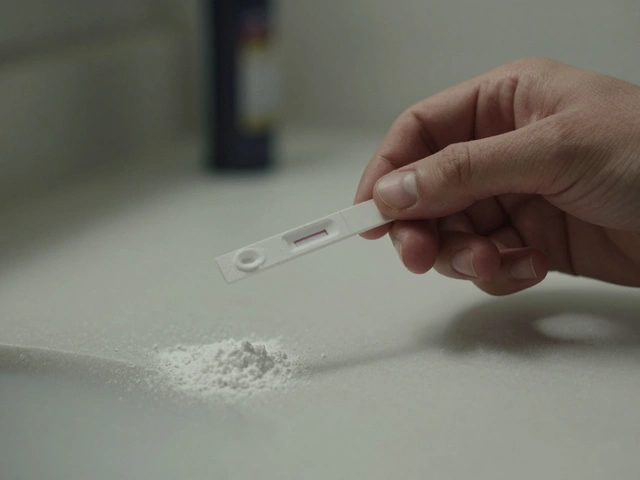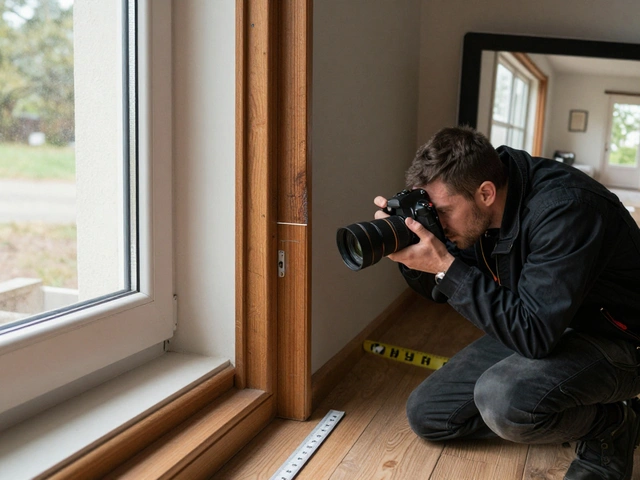
Writing a forensic report isn't just about stating what you found; it's about proving how you found it. If your documentation is shaky, your entire conclusion can be dismantled in a courtroom, no matter how accurate your science is. The real problem most examiners face isn't the technical analysis-it's the gap between doing the work and documenting it to a forensic reporting standard that survives a hostile cross-examination.
The Core of Certified Documentation
When we talk about certified reports, we aren't just talking about a signature at the bottom. We are talking about a system of evidence. ISO 9001:2015 is a global quality management system standard that defines how organizations must handle documented information to ensure consistency and quality. In the world of forensics, this means moving away from "trust me" and moving toward "here is the record."
The standard breaks documentation into two main buckets: information that must be maintained (like your quality policy) and information that must be retained (the actual evidence of what happened). For a forensic lab, this means your Quality Management System a formalized system that documents processes, procedures, and responsibilities for achieving quality policies must be living and breathing, not a dusty binder on a shelf.
What Actually Needs to Be Documented?
A common mistake is thinking you need to write a novel for every case. You don't. You need specific, high-value records that prove compliance. If you're aiming for certification, you should focus on these critical areas:
- Equipment Calibration: You can't claim a measurement is accurate if you can't prove the tool was calibrated. Under clause 7.1.5.1, you need records showing exactly when and how your gear was tested.
- Personnel Competency: Who did the work? Do they have the training? Records of skills, experience, and qualifications (clause 7.2) are non-negotiable.
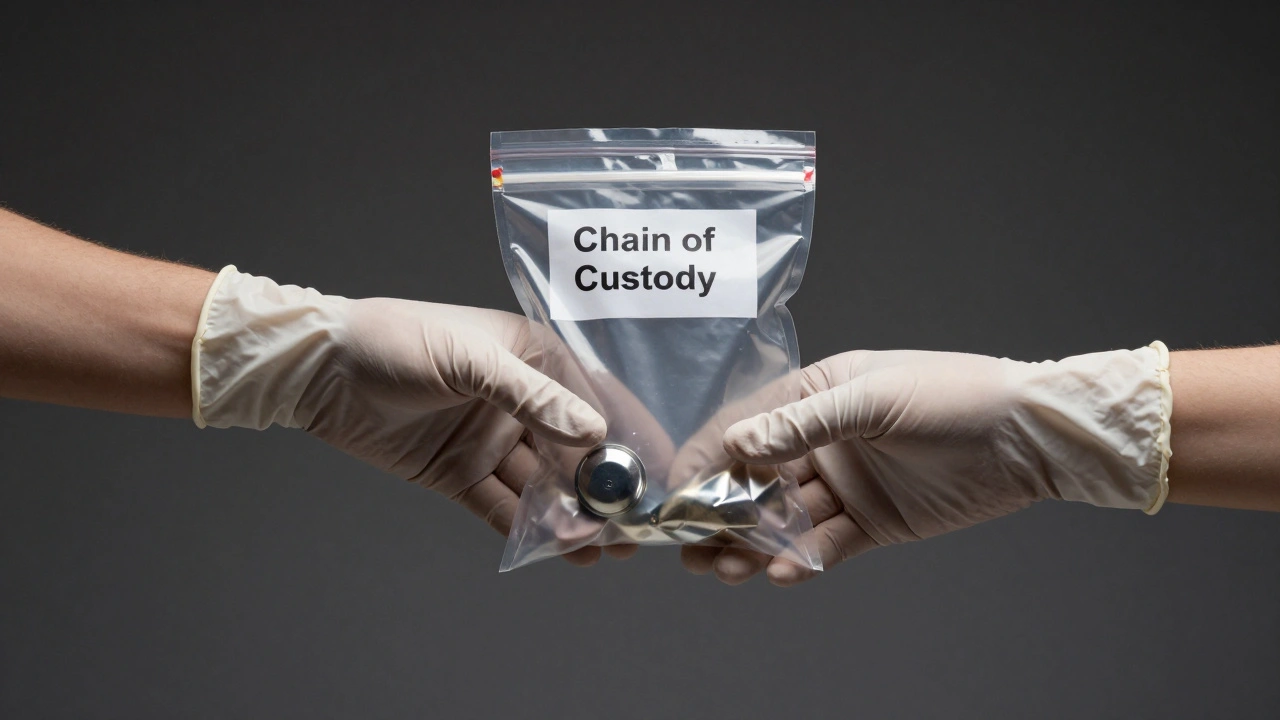
- Chain of Custody: While not a single clause, this is the heart of forensic integrity. Every hand that touched the evidence must be logged.
- Non-Conformance: What happened when things went wrong? Documenting errors and the subsequent corrective actions (clause 10.2) actually increases your credibility; it shows you have a system to catch mistakes.
Audit Standards: The PCAOB Perspective
While ISO focuses on the system, audit standards like those from the PCAOB The Public Company Accounting Oversight Board, which sets standards for auditors of public companies provide a great blueprint for forensic depth. Specifically, AS 1215 teaches us that documentation should be detailed enough that an independent person-who wasn't there-could look at the file and reach the same conclusion you did.
If an outside auditor can't follow your logic from the raw data to the final report, your documentation has failed. This requires a clear link between the purpose of the test, the source of the data, and the final conclusion.
| Feature | Maintained Information (Procedures) | Retained Information (Records) |
|---|---|---|
| Purpose | Tells people how to do the work | Proves what was actually done |
| Example | SOP for DNA extraction | The specific log for Case #123 |
| Change Frequency | Updated periodically (Version Control) | Static (Never changed once signed) |
| Audit Role | Shows the plan was sound | Provides the evidence of execution |
Avoiding the "Documentation Trap"
There is a dangerous trend where labs over-document to feel safe. They create 50-page manuals that no one reads. Modern standards have shifted. The focus is now on relevance over volume. If a piece of paper doesn't help you maintain quality or prove compliance, it's just noise.
To keep your reporting lean but lethal in court, follow the rule of "Necessary and Sufficient." Ask yourself: "If I am asked about this specific step in three years, does this record provide enough detail to answer the question accurately?" If yes, stop writing. If no, add a detail, not a page.
Digital Transition and Version Control
Moving from paper logs to electronic systems isn't just about saving trees; it's about Version Control The practice of tracking and managing changes to a document to ensure the most current version is used . In a certified environment, using an outdated version of a procedure is a major non-conformity. Digital systems allow for instant updates and a clear audit trail of who changed what and when.
When using digital tools, ensure your system captures metadata. The date a file was created, the user who modified it, and the timestamps of the analysis are often just as important as the results themselves. This provides the traceability required by high-level forensic standards.
Putting it Into Practice: A Checklist for Every Report
Before you certify a report, run through this quick mental check to ensure you've met the documentation standards:
- Is the scope clear? Does the report define exactly what was analyzed and what was excluded?
- Are the tools validated? Is there a reference to the calibration record for the equipment used?
- Is the logic linear? Can a stranger follow the path from evidence receipt to final opinion?
- Are deviations noted? If you skipped a step in the SOP, did you document why and how it affected the result?
- Is the version correct? Does the report cite the current version of the lab's operating procedures?
Does ISO 9001 require a massive quality manual?
No. The 2015 version of ISO 9001 moved away from requiring a formal "Quality Manual." Instead, it focuses on "documented information." This means you only need to document what is necessary for your specific operation to be effective and consistent. Quality is measured by the results and the evidence, not the thickness of your manual.
What is the difference between a record and a procedure?
A procedure is a set of instructions (e.g., "How to calibrate the scale"), while a record is a piece of evidence that the procedure was followed (e.g., "The scale was calibrated on April 14, 2026, by Ian Brophy"). You maintain procedures to guide work and retain records to prove work.
How do I handle a mistake in a certified report?
Never delete or "white-out" a mistake in a forensic record. The standard approach is to draw a single line through the error, initial it, date it, and write the correction. In digital systems, this is handled through an audit trail that preserves the original entry while showing the correction. Transparency is the only way to maintain certification.
What happens if I fail an audit on documentation?
Usually, this results in a "Non-Conformance Report" (NCR). The goal isn't to punish you but to identify the gap. You'll be required to perform a root cause analysis-finding out why the documentation failed-and implement a corrective action to prevent it from happening again.
Are electronic signatures legally acceptable for certified reports?
Yes, provided the system used to create the signature is validated and secure. The signature must be uniquely linked to the individual and the document must be locked against further changes once signed to ensure integrity.