When forensic experts write reports, they often assume jurors will understand the technical details the same way they do. But jurors aren’t lawyers or scientists. They’re everyday people trying to make sense of complex evidence in a high-stakes setting. And when they don’t understand what they’re reading, it can lead to wrongful convictions-or worse, acquittals of guilty parties. The good news? mock jury feedback is changing how forensic reports are written, tested, and delivered.
What Mock Jury Feedback Actually Does
Mock jury feedback isn’t about predicting verdicts. It’s about uncovering how real people interpret forensic evidence. Researchers gather groups of people who match the demographic profile of actual jurors-different ages, education levels, backgrounds-and give them real case materials: police reports, lab findings, expert testimony, and photos. Then they watch. Not just what they decide, but how they get there.
One key insight from recent studies? Jurors don’t focus on the conclusion line of a forensic report. They don’t fixate on whether an expert said "this shoeprint matches" or "there’s a 1 in 10,000 chance this came from someone else." Instead, they look at the whole report. Did the explanation make sense? Was the logic clear? Was there enough context? If the report reads like a textbook with jargon piled on top of jargon, jurors tune out-even if the science is flawless.
The Myth of the "Perfect" Conclusion Format
For years, forensic labs and legal teams debated the best way to phrase conclusions: Should experts use likelihood ratios? Random-match probabilities? Verbal labels like "likely" or "probable"? Or just say "matches"? Many believed that statistical formats confused jurors, and that simple language was safer.
But a major study tested this head-on. Researchers created multiple versions of the same shoeprint expert report. Each version had a different conclusion format. One used a likelihood ratio. Another used a categorical "matches" statement. A third used a verbal likelihood ratio. The rest of the report-how the evidence was explained, how the methods were described, the structure, the visuals-was identical across all versions.
The results? Jurors didn’t treat the reports differently based on the conclusion format. Their understanding, their trust, their verdict decisions-all stayed consistent. Why? Because they were reading the whole thing. The clarity of the methods section, the flow of the reasoning, the presence of supporting data-those mattered far more than whether the last sentence said "probability of 0.0001" or "this is a match."
This flips the script. Instead of obsessing over the wording of the final line, forensic experts should focus on making the entire report easier to follow. The conclusion is just the last sentence. The rest is what builds understanding.
What Makes a Forensic Report Comprehensible?
After reviewing dozens of mock jury studies, a pattern emerges. Jurors understand reports best when they have:
- Clear structure: Introduction → Methods → Findings → Explanation → Conclusion. No jumps. No hidden assumptions.
- Plain language: Replace "probabilistic inference" with "how likely it is." Replace "allele frequency" with "how common this trait is in the population."
- Contextual anchors: Don’t just say "the match is strong." Say, "this pattern appears in fewer than 1 in 500 people." Give them something real to compare it to.
- Visual support: A well-designed diagram showing how a shoeprint was compared to a suspect’s shoe can cut confusion in half. Animations showing the matching process help more than paragraphs of text.
- Transparency about uncertainty: Jurors respect experts who say, "We can’t say this with 100% certainty, but here’s what we know." They distrust those who sound overly confident without evidence.
One study found that when forensic reports included a simple one-paragraph summary at the top-written in everyday language-jurors’ comprehension scores jumped by 42%. Not because the science changed. Because the bridge between expert and layperson got shorter.
How Mock Trials Reveal Hidden Problems
Mock trials take this further. Instead of just handing out reports, attorneys run full simulations. They play opening statements. They call expert witnesses. They show exhibits. They let jurors deliberate. And then they ask: What confused you? What made you doubt the expert? What did you think was missing?
One attorney noticed something surprising. Jurors kept saying, "I didn’t believe the fingerprint expert because he kept looking down." They weren’t rejecting the science-they were rejecting the demeanor. The expert was technically perfect, but his body language made him seem unsure. That’s not something you can fix in a report. But you can prep the witness. Mock trials catch these human factors before trial.
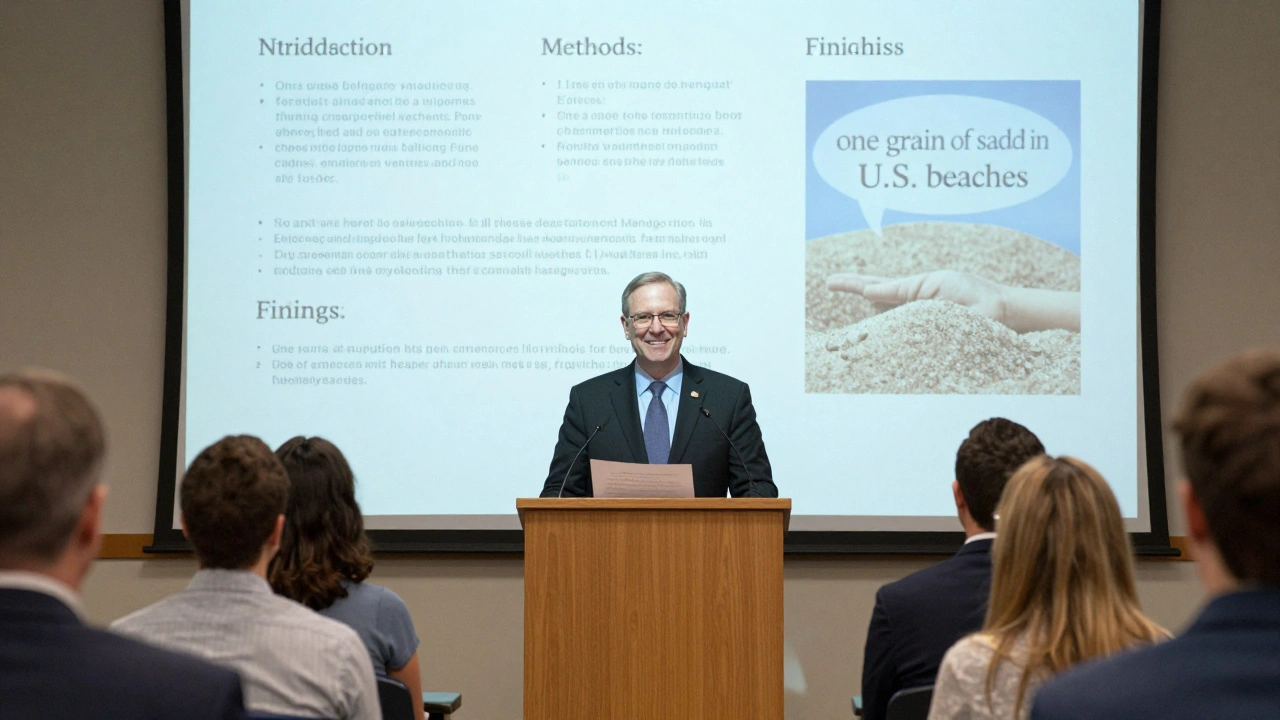
Another case revealed that jurors dismissed a DNA report because the expert mentioned a "1 in 1 billion" probability without explaining what that meant. One juror said, "That sounds like magic. How do they even know that?" The expert had assumed the number spoke for itself. The mock jury showed it didn’t. The fix? Add a line: "That’s like finding one specific grain of sand on all the beaches in the United States."
Who Benefits From This?
It’s not just defense attorneys or prosecutors. Forensic labs benefit too. When reports are clearer, they’re less likely to be challenged in court. Judges are more likely to admit them. Experts gain credibility. And most importantly, justice becomes less dependent on who can afford the best expert-or who can explain the science best.
Even police departments are starting to use mock jury feedback before submitting reports. One department in Texas ran a pilot with 80 mock jurors on their latent print reports. They found that 68% of participants couldn’t tell the difference between a high-quality match and a low-quality one-because the report didn’t explain how confidence was determined. They redesigned their templates. Within six months, their reports were accepted in court 30% more often.
How to Start Using Mock Jury Feedback
You don’t need a university lab or a $50,000 budget. Here’s how to begin:
- Write your report. Use plain language. Avoid assumptions. Explain your methods like you’re talking to a smart friend.
- Find 15-20 people. Use online platforms like Prolific or even local community centers. Recruit people who don’t work in law or science.
- Give them the report. Let them read it at their own pace. No rush. No explanation.
- Ask questions. "What did you think the expert was saying?" "What part confused you?" "Would you trust this in court?"
- Revise. Change the confusing parts. Add examples. Simplify the language. Repeat if needed.
Even one round of feedback can cut juror confusion in half. It’s not about making the science better. It’s about making it understandable.
The Bigger Picture
Forensic science is supposed to help courts find the truth. But if jurors don’t understand the evidence, the truth gets lost. Mock jury feedback isn’t a luxury-it’s a necessary tool. It’s the only way to know whether your report will hold up when it matters most: in the jury room.
Every forensic report is a story. And stories only work if the listener can follow them. The science doesn’t change. But how we tell it? That’s where improvement happens.
Do mock jurors really reflect real jurors?
Yes, when the sample is properly recruited. Studies show that mock jurors recruited from diverse, representative pools (like Prolific or community panels) behave almost identically to actual trial jurors in how they process evidence, weigh testimony, and form verdicts. The key is using people who aren’t legal insiders-people who haven’t seen courtroom dramas or read legal blogs.
Can mock jury feedback prevent wrongful convictions?
It can. When flawed forensic reports are identified and rewritten before trial, they’re less likely to mislead jurors. One study found that after revising reports based on mock jury feedback, jurors were 57% more likely to correctly identify unreliable evidence. That’s not just better communication-it’s better justice.
Is this only useful for forensic experts?
No. Attorneys, prosecutors, and even law enforcement officers who write reports benefit. If you’re presenting technical evidence-DNA, ballistics, digital forensics, arson analysis-anyone who needs jurors to understand it should test it with mock juries. It’s not just for the lab.
How much does it cost to run a mock jury study?
You can run a basic version for under $500. Online platforms like Prolific pay participants $5-$10 each to complete a 20-minute review. For a full mock trial with attorney roles and witness testimony, costs can reach $5,000-$10,000. But compared to the cost of a failed trial or wrongful conviction, it’s a small investment.
What if the mock jury disagrees with the science?
That’s the point. Jurors aren’t scientists. If they don’t understand the science-even if it’s correct-it won’t work in court. The goal isn’t to change the science. It’s to change how it’s presented. If mock jurors consistently misunderstand a concept, the presentation needs to change, not the science.