When you think of biohazard cleanup, you might picture blood at a crime scene or mold in a basement. But the real danger often comes from something you can’t see: zoonotic diseases. These are infections that jump from animals to humans - and biohazard remediation workers are on the front lines of exposure every single day.
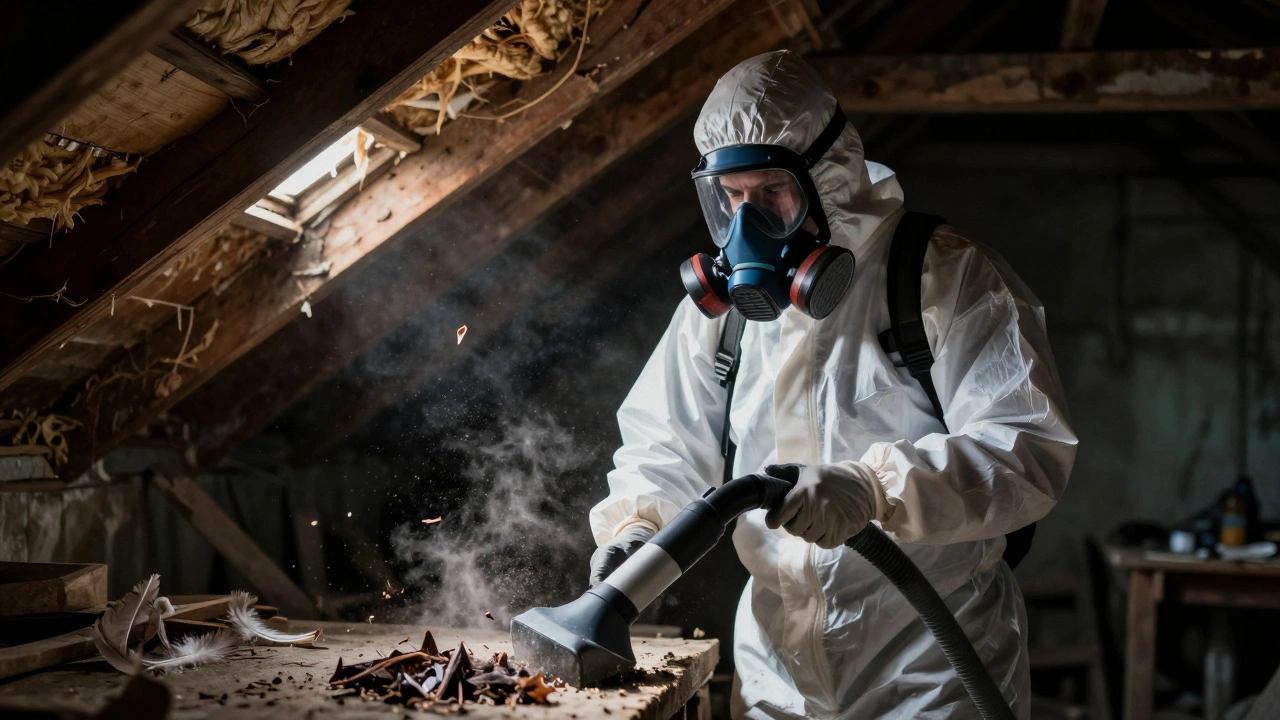
Imagine walking into an attic filled with bat droppings. The air is thick, dusty, and still. You put on a mask, gloves, and a suit. But even then, you’re not fully protected. Those droppings? They could carry Histoplasmosis, a fungal infection that turns into pneumonia when inhaled. Or you’re cleaning up rodent urine in a hoarded home - one splash of dried feces, disturbed by a broom, and you’ve just inhaled Hantavirus. No one sees it coming. No one feels it until it’s too late.
How Zoonotic Diseases Spread During Cleanup
Zoonotic diseases don’t need a bite or a scratch to spread. In biohazard cleanup, they travel through the air, the dust, the moisture, even the tools you use.
- Inhalation: When dried animal waste, urine, or feces get disturbed, tiny particles become airborne. Hantavirus, Histoplasmosis, and Q fever all spread this way. One breath in a poorly ventilated crawl space can be enough.
- Direct contact: Handling carcasses, skinning infected animals, or touching contaminated surfaces with cuts on your hands opens a direct path for Leptospirosis, Brucellosis, or even Rabies.
- Indirect contact: A mop, a bucket, or a pair of boots that touched infected material can carry pathogens to another site. Bacillus anthracis (anthrax) spores can survive on surfaces for decades.
- Animal bites or scratches: In infested homes or abandoned farms, animals may be sick, scared, or aggressive. A bite from a rabid raccoon or a scratch from an infected cat can be deadly.
It’s not just about one disease at a time. Cleanup sites often have multiple pathogens layered together - rodent waste mixed with mold, blood from a dead animal, and bacteria from sewage backup. Workers are exposed to a cocktail of risks, not just one.
The Most Dangerous Zoonotic Pathogens in Cleanup Work
Not all zoonotic diseases are created equal. Some are rare. Others are silent killers.
Rabies is the most feared. It’s 100% fatal once symptoms appear - but 100% preventable with timely post-exposure treatment. Cleanup crews responding to animal deaths in homes or garages often find bats, raccoons, or foxes. If the animal’s head is damaged or missing, testing isn’t possible. That means every worker must assume rabies is present and treat every contact as high-risk.
Hantavirus has killed more than 100 people in the U.S. since 1993. It’s carried by deer mice, cotton rats, and other rodents. The virus survives in dried feces and urine. When disturbed, it becomes airborne. Symptoms start like the flu - fever, chills, muscle aches - then quickly turn into acute respiratory failure. There’s no vaccine. No cure. Just supportive care.
Leptospirosis is more common than you think. It’s found in animal urine, especially from rats, dogs, and livestock. Workers cleaning up sewage backups or flooded basements are at high risk. The disease causes liver and kidney failure. In the U.S., over 100 cases are reported yearly - but experts say the real number is likely 10 times higher because it’s often misdiagnosed.
Q fever spiked in the Netherlands between 2007 and 2009, infecting over 4,000 people. It came from goat farms. Cleanup crews working on decontaminated barns and slaughterhouses were exposed to airborne spores. Symptoms mimic pneumonia or flu - but can lead to chronic heart infection (endocarditis) years later.
Histoplasmosis is the silent threat in attics and bird roosts. The fungus grows in soil enriched with bird or bat droppings. Disturbing it releases spores into the air. In Oregon alone, over 500 cases are diagnosed each year - many linked to cleanup work in old buildings or warehouses.
Why Cleanup Sites Are So Dangerous
Biohazard cleanup isn’t just messy - it’s engineered for risk.
Think about the environments workers enter:
- Confined spaces: Attics, crawl spaces, basements - all trap contaminated air. Ventilation is minimal or nonexistent.
- Structural damage: Rotting drywall, crumbling insulation, broken flooring - all harbor pathogens and make it hard to clean properly.
- Time pressure: Families want homes restored fast. Insurance adjusters push for quick turnover. Workers rush - and skip steps.
- Equipment limitations: A standard N95 mask doesn’t block all fungal spores. Standard gloves tear on sharp debris. Many companies use cheap gear because it’s cheaper.
- Human error: One worker forgets to change gloves. Another skips decontamination before leaving the site. One mistake can expose an entire team.
And then there’s the psychological toll. Seeing decomposed bodies, cleaning up after violent deaths, or living with the fear of silent infection - it adds up. Studies show biohazard workers have higher rates of PTSD, depression, and anxiety than most other first responders.
What Actually Works to Protect Workers
It’s not enough to say, “Just wear a mask.” Protection requires a system.
Personal Protective Equipment (PPE) is the first line of defense - but only if it’s used right.
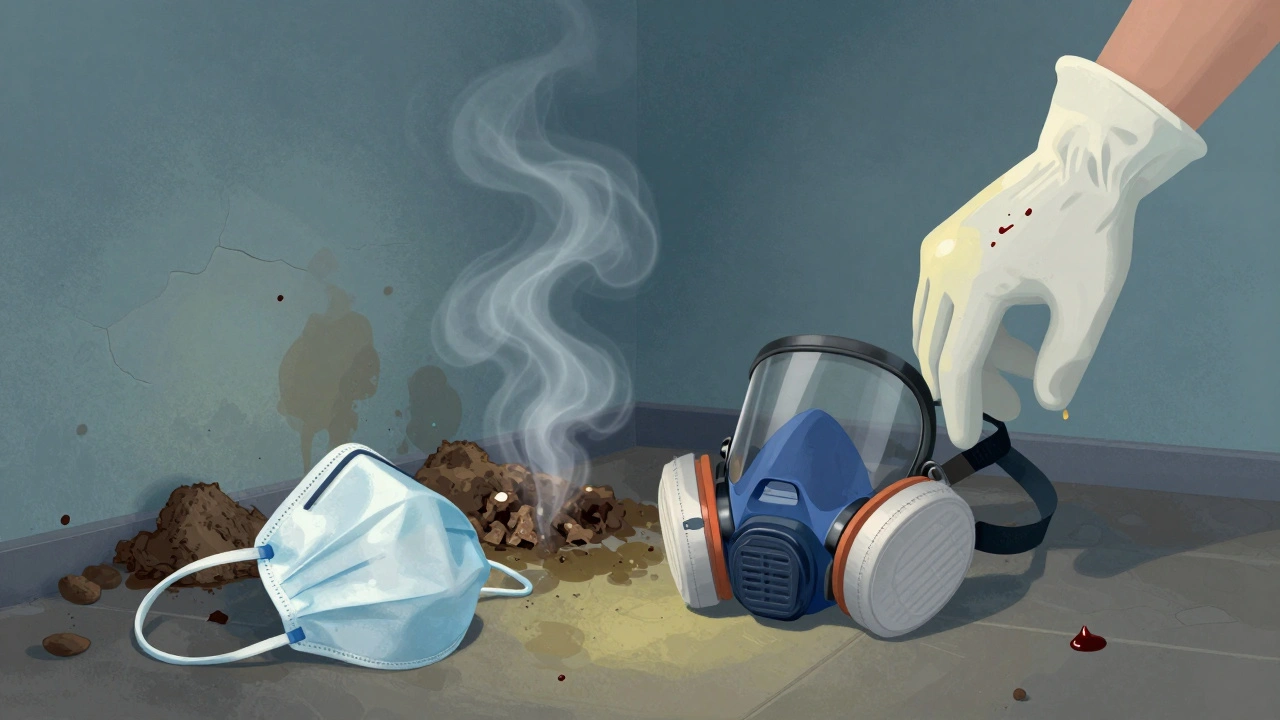
- Respirators: N95 masks are okay for dust. But for zoonotic aerosols? You need an N100 or P100 respirator. Half-face or full-face respirators with HEPA filters are best. And they must be fit-tested annually.
- Gloves: Double-gloving with chemical-resistant nitrile gloves is standard. Latex is out - it tears too easily.
- Full-body suits: Disposable Tyvek suits with hoods and boot covers are mandatory in high-risk zones.
- Eyewear: Goggles with sealed frames, not safety glasses. Splashes happen.
Decontamination procedures are just as critical as gear.
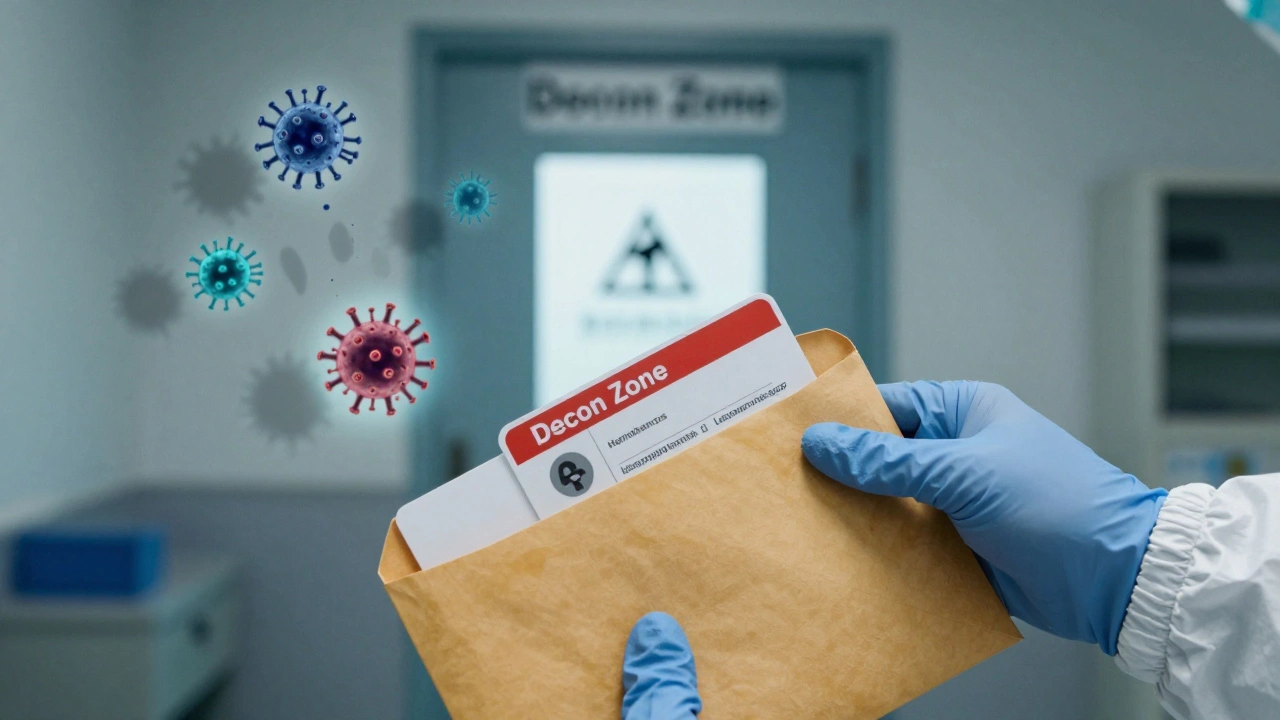
- Set up a “clean/dirty” zone at every site. No one leaves the hot zone without decon.
- Use hospital-grade disinfectants registered by the EPA to kill viruses, bacteria, and fungi. Bleach won’t kill all spores - you need hydrogen peroxide-based or quaternary ammonium solutions.
- Never reuse cleaning tools. Mops, brushes, and vacuums must be disposed of or sterilized in autoclaves.
- Use negative air machines with HEPA filters to contain airborne particles during cleaning.
Vaccinations are underused. Rabies pre-exposure vaccination should be standard for all biohazard teams. Hepatitis B vaccine? Mandatory. Q fever and Leptospirosis vaccines exist in some countries - but not widely available in the U.S. That’s a gap.
Regulations Are Patchy - And That’s a Problem
OSHA requires employers to protect workers from bloodborne pathogens - but zoonotic aerosols? They’re not clearly covered. The CDC has guidelines. The EPA has cleanup standards. But enforcement? It’s inconsistent.
California’s Title 8 CCR Section 5199.1 is one of the few laws that specifically addresses zoonotic aerosol transmission. It forces employers to create exposure control plans, train workers, and document every exposure. Most states? Nothing.
That means a crew in Oregon might follow best practices. A crew in Texas might not. A company might cut corners to save $500 on respirators. And someone ends up sick.
What Needs to Change
Here’s the hard truth: biohazard cleanup is one of the most dangerous jobs in emergency services - and it’s the least regulated.
- Standardize PPE requirements across all states. No more guessing.
- Create a national exposure registry so we can track infections, not just guess at them.
- Require rabies and Hepatitis B vaccines as part of job entry - like for firefighters or EMTs.
- Train workers like first responders - not just on how to clean, but on how to recognize symptoms, report exposures, and access mental health support.
- Hold companies accountable when workers get sick because they skipped safety steps.
Right now, most biohazard companies are small. They’re run by people who care - but they’re underfunded and under-supported. The system isn’t broken because of bad people. It’s broken because we don’t treat this work like the high-risk job it is.
What Workers Can Do Today
You don’t have to wait for policy to change. Here’s what you can do right now:
- Always assume every animal waste site is contaminated - even if it looks dry.
- Use a P100 respirator, not an N95, when cleaning rodent or bird areas.
- Double-glove and change gloves every 30 minutes or after any tear.
- Wash your face and hands with antimicrobial soap before removing PPE.
- Report every exposure - even if you feel fine. Symptoms can take weeks to appear.
- Get vaccinated. If your employer won’t provide rabies or Hep B shots, pay for them yourself.
- Carry a medical alert card with your vaccination history and exposure log.
There’s no glory in this work. No headlines. But people depend on it. And if we don’t protect the people who clean up after tragedy, we’re not just neglecting workers - we’re risking public health.
Can you get sick from cleaning up rodent droppings without touching them?
Yes. Hantavirus and Histoplasmosis are spread by breathing in airborne particles from dried urine, feces, or nesting materials. You don’t need to touch anything - just disturbing the material can release infectious spores into the air. That’s why respirators are non-negotiable in rodent-contaminated areas.
Is a regular N95 mask enough for biohazard cleanup?
No. N95 masks filter 95% of particles - but many zoonotic pathogens, like fungal spores from bat guano or bacterial aerosols from Q fever, are smaller than what N95s can reliably block. A P100 respirator filters 99.97% of particles and is the minimum recommended for high-risk cleanup tasks.
What’s the most common zoonotic disease among cleanup workers?
Leptospirosis is the most frequently reported, especially in sewage backups and flood cleanup. But many cases go undiagnosed because symptoms mimic the flu. Hantavirus is rarer but far deadlier. Rabies exposure is uncommon but always treated as life-threatening.
Do biohazard cleanup workers get health insurance for zoonotic illnesses?
It depends. Workers’ compensation may cover infections if you can prove it happened on the job - but proving exposure to something like Hantavirus is difficult without lab confirmation. Many workers pay out of pocket because their employers don’t track exposures or provide medical support.
Can you get vaccinated against Hantavirus or Histoplasmosis?
No. There are no vaccines available in the U.S. for Hantavirus, Histoplasmosis, or Q fever. Prevention relies entirely on protective gear, proper cleanup methods, and avoiding exposure. That’s why training and PPE are your only defenses.