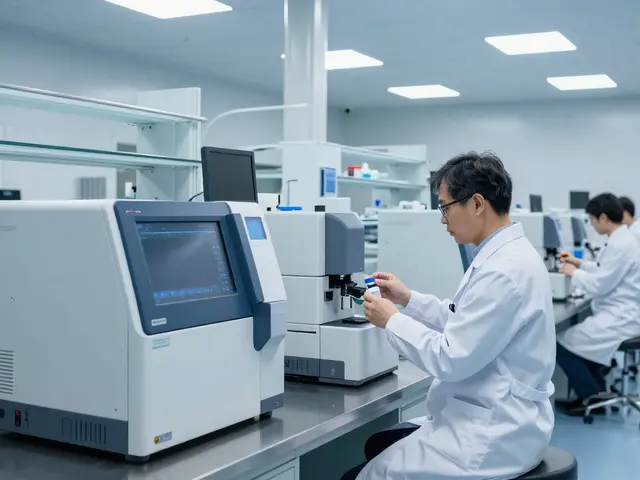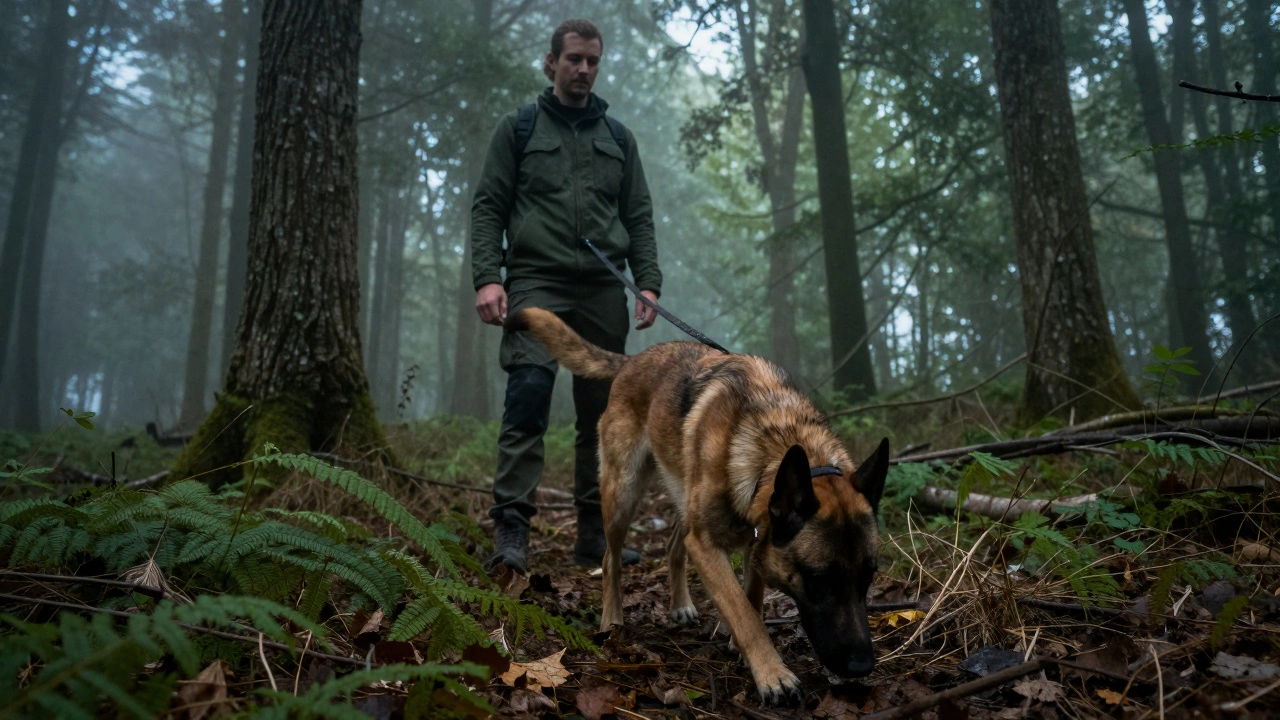
When a search for a missing person shifts from a rescue mission to a recovery operation, the clock doesn't stop; the goals just change. The difference between finding a body in a few hours versus spending weeks combing through a forest often comes down to the nose of a specialized canine. Human Remains Detection is the specialized process of using trained canines to locate deceased individuals through the scent of decomposition. Commonly known as HRD or cadaver dog work, this discipline is a cornerstone of forensic investigations and disaster response.
Deploying these dogs isn't as simple as letting them off a leash and hoping for the best. It requires a precise understanding of scent behavior, environmental variables, and handler discipline to ensure the evidence is found and the site remains uncontaminated. Whether you're dealing with a wilderness disappearance or a crime scene, following established deployment best practices is what separates a successful recovery from a wasted effort.
The Core Mechanics of Cadaver Dog Deployment
To understand how to deploy a cadaver dog, you first have to understand what they are actually smelling. Decomposition releases specific volatile organic compounds (VOCs) that travel through the air. Unlike live-find dogs, which look for the scent of a living person, Human Remains Detection dogs are trained specifically to ignore living scents and lock onto the chemistry of death.
Once a dog picks up this scent, they provide a Trained Final Response (TFR). This is the dog's way of telling the handler, "It's right here." The type of alert depends on the environment:
- Active Alerts: In fields or forests, dogs often use a bark or a scratch. This provides a clear, audible, and visible signal to the handler.
- Passive Alerts: In aquatic environments or unstable disaster zones, a "sit" or "down" is preferred. You don't want a dog digging into fragile rubble or jumping frantically on a boat deck.
The primary advantages of using canines over human search teams are accuracy, speed, and stamina. A dog can detect a tiny fraction of odor in a massive area, covering ground far faster than any human grid search ever could. Moreover, breeds chosen for this work have a tireless work ethic, allowing them to push through harsh weather and rugged terrain that would exhaust a human team.
Operational Scenarios and Strategic Deployment
Not every search is the same. A handler must adjust their strategy based on the context of the disappearance. If you're deploying dogs, you need to categorize the scenario to pick the right tool for the job.
In wilderness and outdoor scenarios, such as a hiker who has been missing for several days, land-based HRD dogs are the gold standard. They are deployed to cover vast areas of woodlands or fields. If the initial live-find search and rescue (SAR) operations fail, the transition to HRD is critical. These dogs can find everything from a full body to a small fragment of remains that may have been scattered by wildlife.
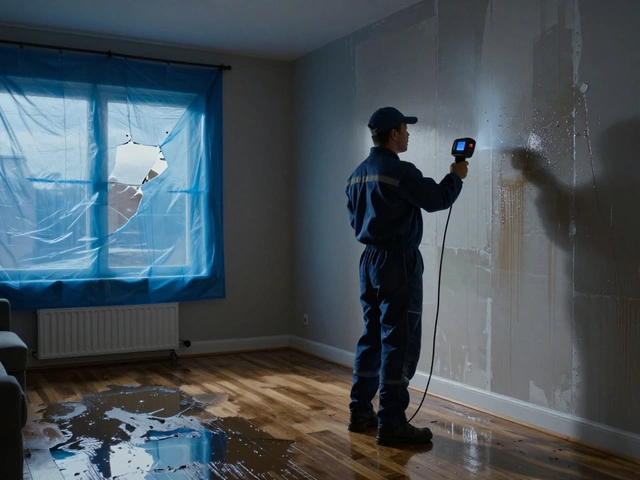
In criminal investigations, the deployment is often more surgical. When a person is suspected of being murdered and hidden, dogs are used to narrow down a specific search area. This prevents the investigation from wasting resources on unnecessary excavation. Once the dog alerts, the handler must immediately move the dog away from the site. This is the only proper operational procedure to ensure the area is clear for forensic technicians to document the scene without canine interference.
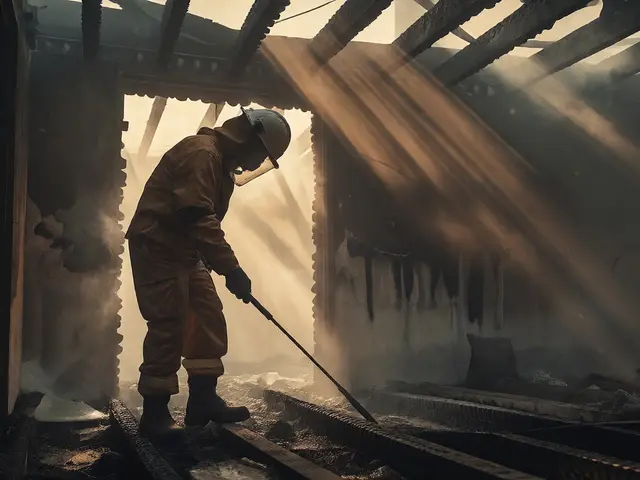
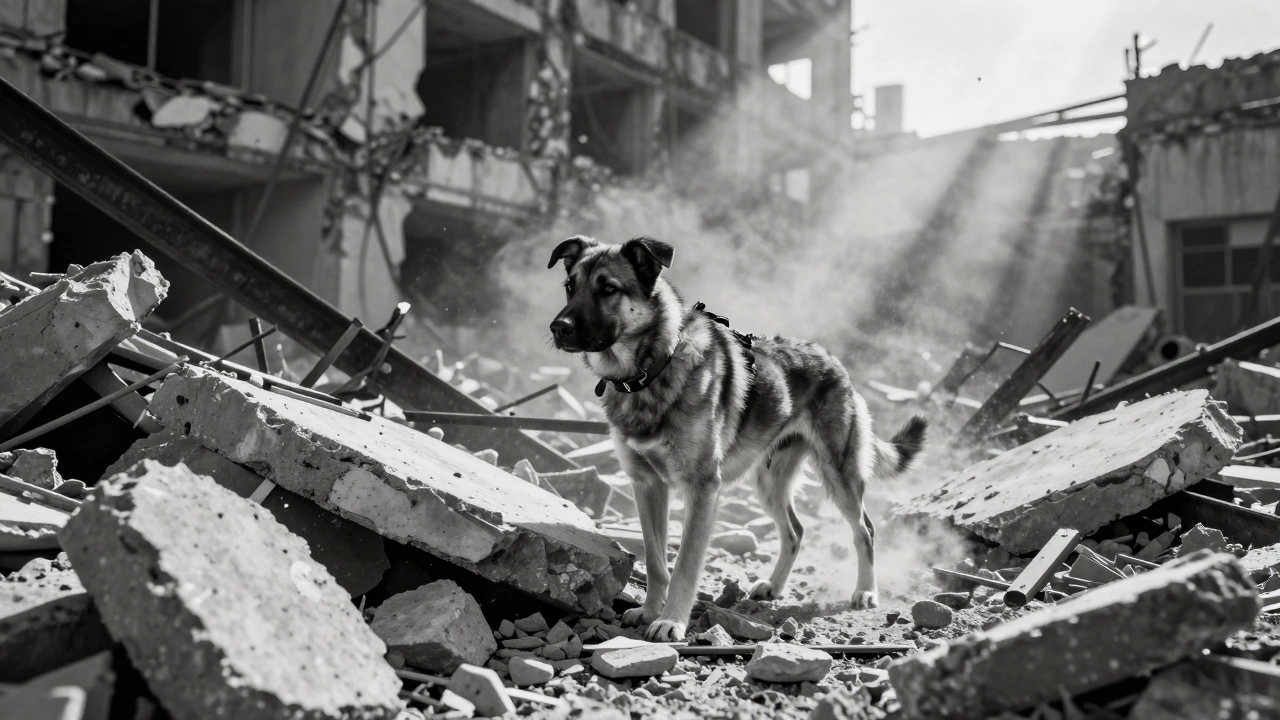
Disaster response involves a different set of challenges. After a terrorist attack or a natural disaster, bodies may be buried under tons of concrete and steel. Specialized disaster dogs are trained to work on rubble piles, navigating unstable footing to pinpoint scents trapped in pockets of air beneath the debris.
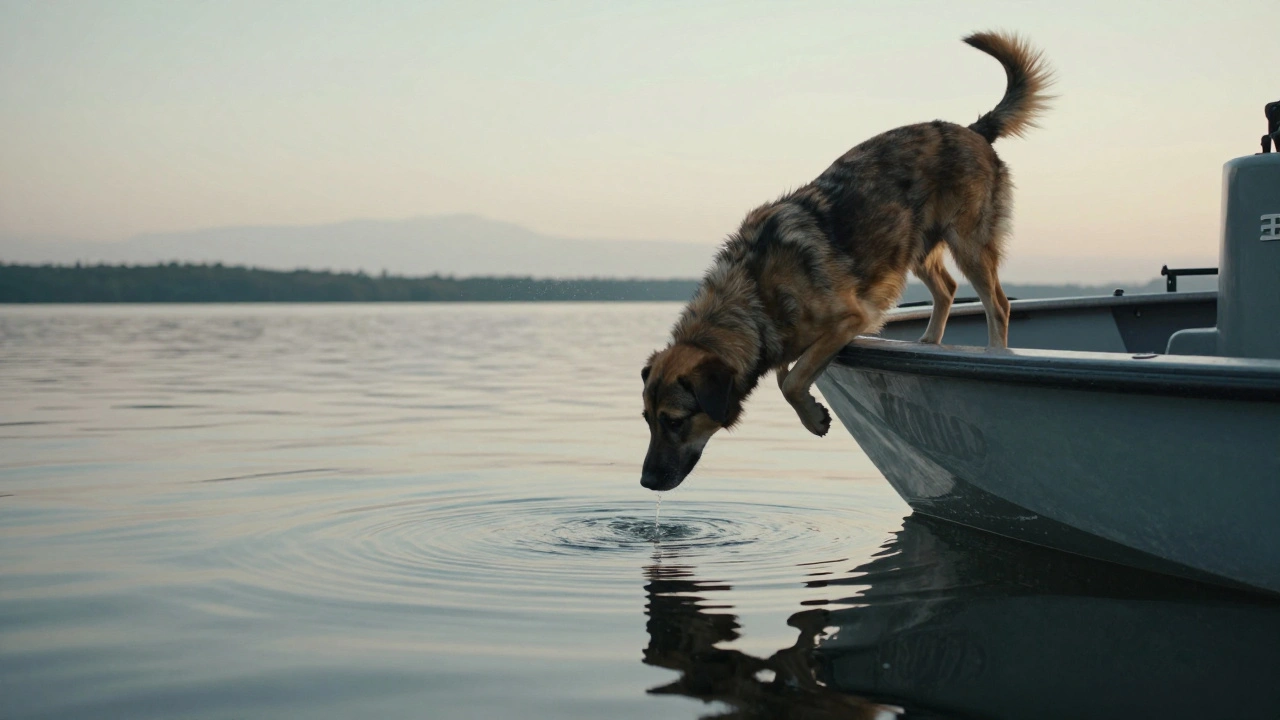
Finally, aquatic recoveries require Water HRD dogs. These canines don't dive; instead, they ride on boats or work from the bank. They detect odor molecules that rise from the water's surface. By pinpointing where the scent is strongest, they give dive teams a precise location to search the bottom of the lake or river.
| Dog Type | Primary Environment | Common Alert (TFR) | Key Use Case |
|---|---|---|---|
| Land HRD | Forests, Fields, Homes | Bark / Scratch | Missing persons, buried remains |
| Water HRD | Rivers, Lakes, Oceans | Sit / Down | Drowning victims, submerged bodies |
| Disaster HRD | Rubble, Collapsed Buildings | Bark / Scratch | Earthquakes, structural collapses |
Training Standards and Quality Control
A cadaver dog is only as reliable as its training. This isn't a "quick fix" skill; it takes months, sometimes over a year, of intensive proofing. For a dog to be operational, they must be able to find a mere particle of human remains consistently, regardless of distractions.
To keep a dog's skills sharp, trainers must vary the difficulty and duration of searches. If a dog gets used to the same type of search every time, they might start "guessing" based on the handler's behavior rather than the actual scent. This is known as the Clever Hans effect, and it can lead to false positives that waste hundreds of man-hours.
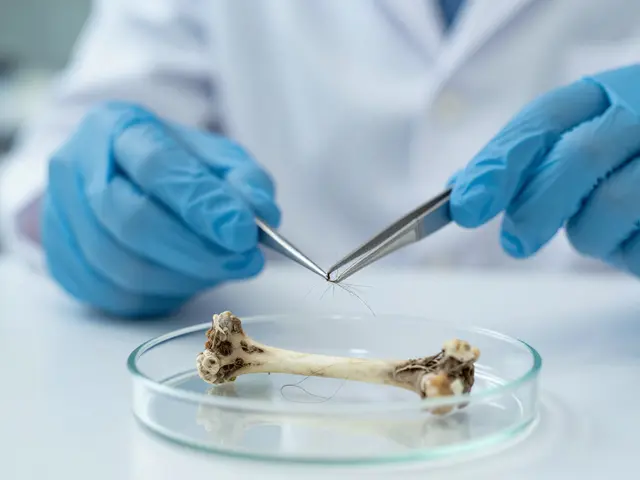
Professional standards require training on actual human remains in various stages of decomposition. When real remains aren't available, some programs use cadaverous pigs, as porcine decomposition is the closest biological substitute to human decomposition. In North America, the SWGDOG (Scientific Working Group for Dog and Orthogonal Detector Guidelines) provides the framework for these best practices. In the US, the OSAC (Organization of Scientific Area Committees) suggests specific training aids to ensure that a dog's certification is backed by science, not just intuition.
Selecting the Right Canine for the Job
You can't just take any dog and train them to find bodies. The temperament must be exactly right. Much like explosive detection dogs, cadaver dogs need an incredibly high play drive. They aren't working because they're "sad" about the deceased; they're working because finding the scent is a game that ends in a reward.
Beyond motivation, the dog must be a problem-solver. They need to be able to think independently of the handler. Most high-level search and rescue task forces require their dogs to maintain AKC Canine Good Citizen status. This ensures the dog is stable, socialized, and can handle the stress of a high-pressure crime scene without becoming reactive.
A well-rounded agency usually maintains a roster of at least six dogs, diversifying their expertise between wilderness air-scent search and forensic cadaver detection. This ensures that no matter the terrain or the state of the remains, there is a dog capable of the task.
Practical Pitfalls to Avoid in the Field
Even with a certified dog, deployment can go wrong if the handler ignores environmental variables. For example, wind direction is everything. If a handler walks the dog *into* the wind, they might push the dog right past the scent cone, causing the dog to miss the find entirely. The dog should always be positioned to cross the wind, allowing them to intercept the scent as it drifts.
Another common mistake is "cueing." This happens when a handler unconsciously gives the dog a signal-like a change in posture or a specific word-that tells the dog to alert. A professional deployment requires the handler to remain neutral. The dog's alert should be an independent discovery, not a response to the handler's expectations.
Lastly, timing matters. While police departments often want searches completed comprehensively, there is a difference in urgency between a live-find search and a recovery search. HRD operations are often scheduled around optimal scenting conditions-usually early morning or late evening when the air is cooler and scent molecules are more stable.
Can cadaver dogs find remains that are deep underground?
Yes, but it depends on the soil type. Porous soils allow decomposition gases to migrate to the surface, which the dog can detect. In heavy clay or very compact soils, the scent may be trapped, making it much harder for the dog to pinpoint the location.
How do water HRD dogs differ from land dogs?
Water HRD dogs are trained to detect scent molecules that rise through the water and enter the air. Because they operate from boats or banks, they use passive alerts (like sitting) to avoid falling overboard or disrupting the search vessel.
Do cadaver dogs ever mistake a living person for a deceased one?
Highly trained HRD dogs are specifically proofed to distinguish between the scent of a living human and the VOCs of decomposition. While a novice dog might be confused, a certified professional dog ignores living scents to focus exclusively on remains.
What is the "Trained Final Response" (TFR)?
The TFR is the specific behavior a dog exhibits to signal they have located the target scent. Depending on the training and environment, this could be a bark, a scratch, or a sit. It is a consistent, unambiguous signal that tells the handler the search is over.
Why use pigs for training instead of humans?
Cadaverous pigs are used because their biological makeup and the way they decompose are very similar to humans. This provides a realistic training aid for dogs when actual human remains are not legally or ethically available for training exercises.
Next Steps for Search Managers
If you are coordinating a recovery operation, start by evaluating the terrain. If you're dealing with a body of water, prioritize water HRD dogs and coordinate with boat operators immediately. For wilderness areas, ensure your handlers are using cross-wind patterns and have a clear plan for site preservation once an alert occurs.
Always verify the certification of the K9 team. Ask if the dog has been proofed against "distractor" scents (like dead animals or old trash) to avoid false positives. If the search is in a high-profile criminal case, ensure that the transition from K9 alert to forensic excavation is documented to maintain a clean chain of custody for any evidence found.