Tag: fingerprint analysis
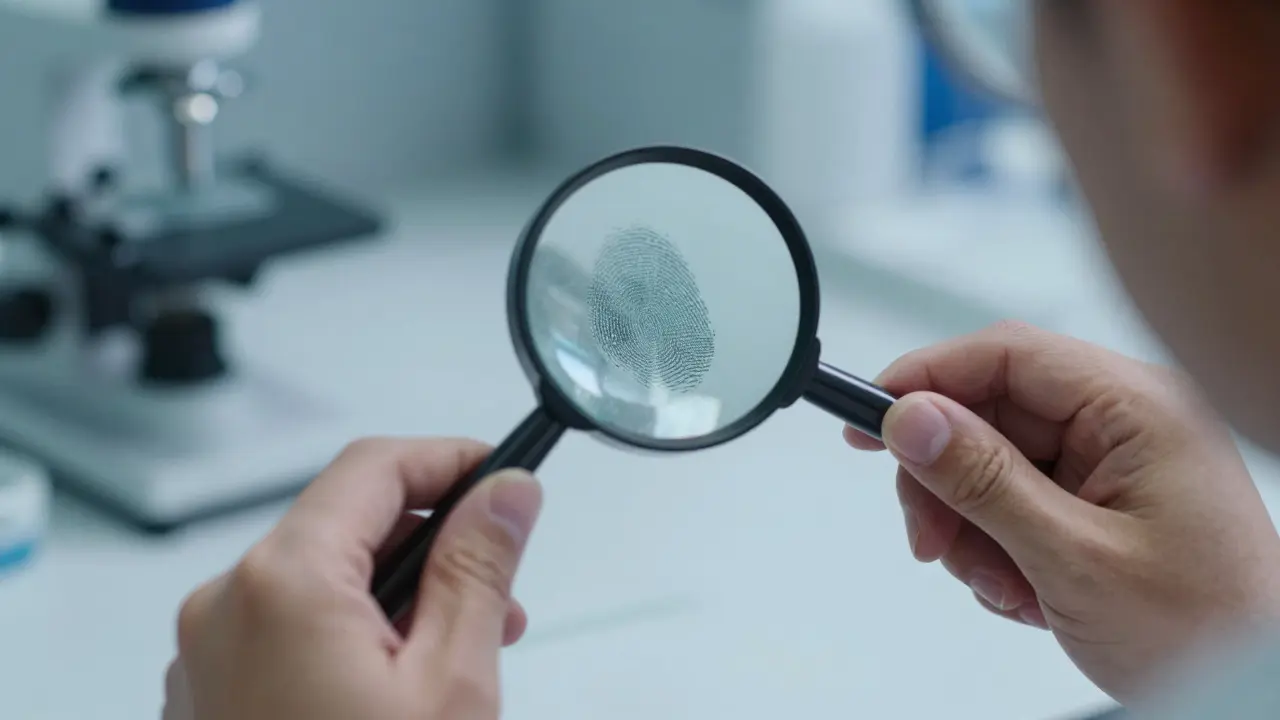
Ethics in Latent Print Examination: How to Control Cognitive Bias
- By : Ian Brophy
- Date : Aug 17 2026
Discover how cognitive bias affects fingerprint analysis and learn the ethical controls labs use to ensure accurate, defensible results.
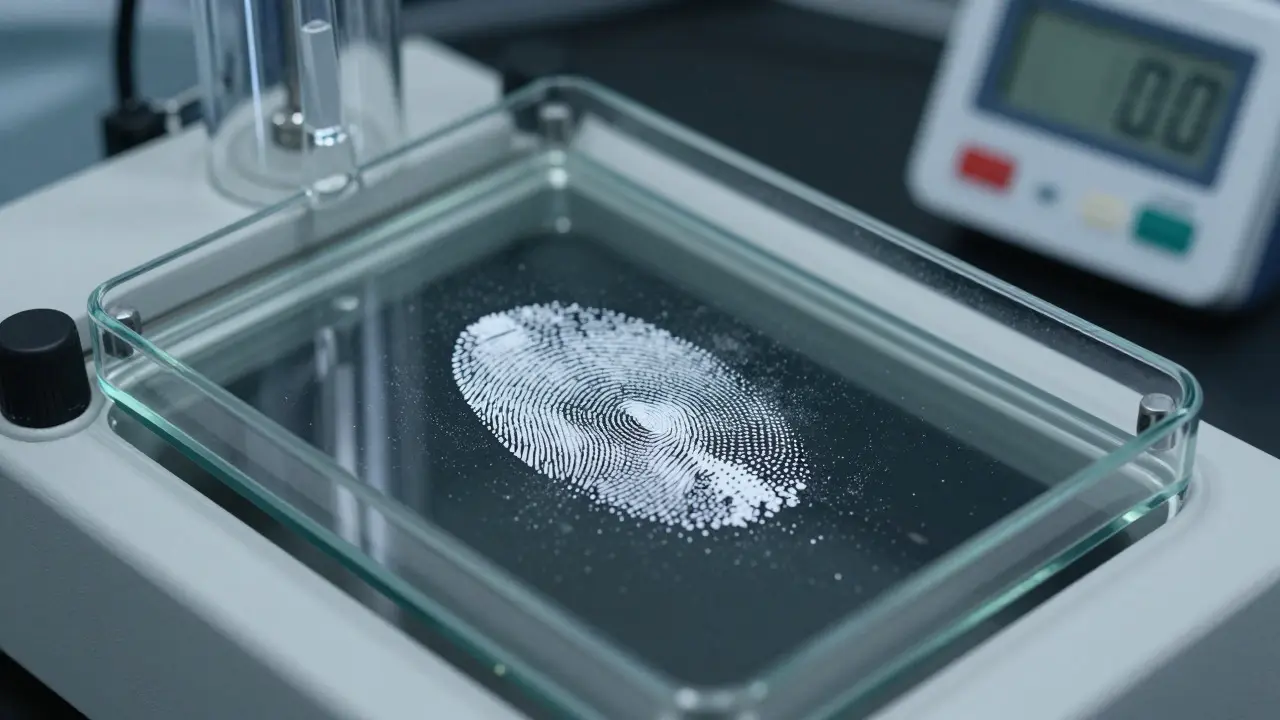
Superglue Fuming Optimization: Mastering Temperature and Humidity Control
- By : Ian Brophy
- Date : Aug 17 2026
Master superglue fuming by optimizing temperature and humidity. Learn the exact settings for 50°C and 40-60% RH to get clear forensic prints.
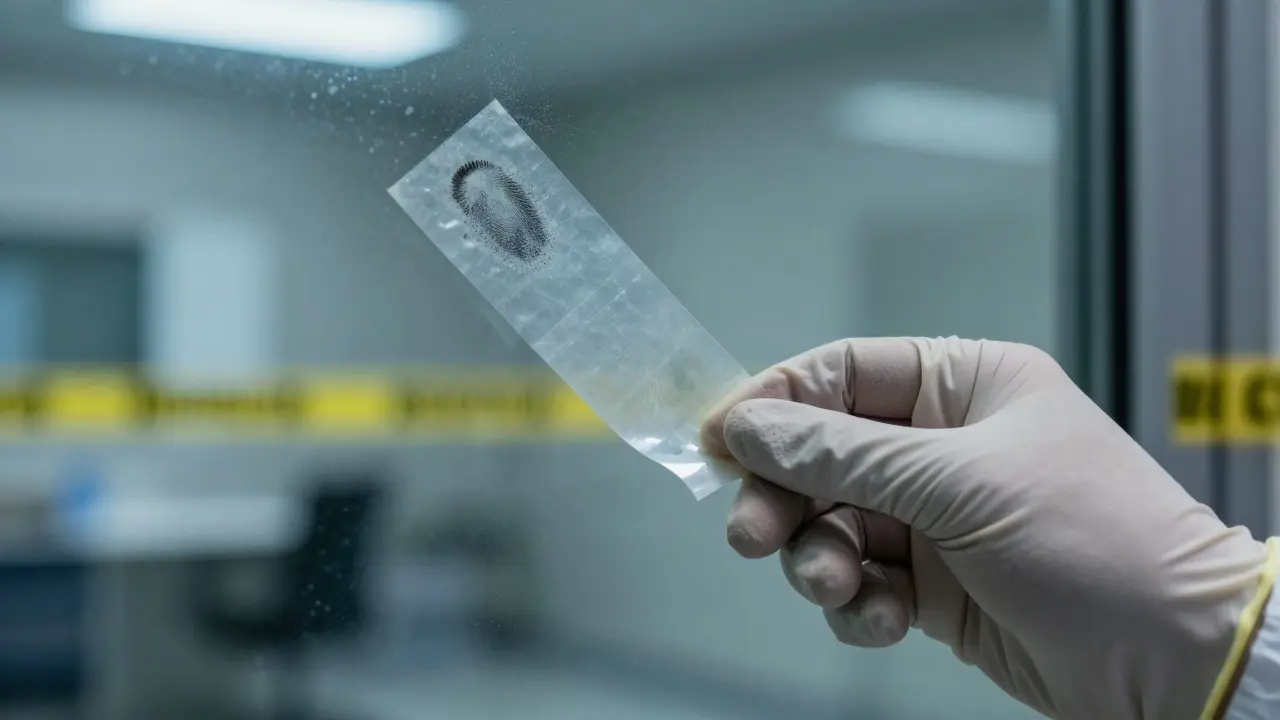
Elimination Prints: How to Obtain and Manage Known Exemplars in Forensics
- By : Ian Brophy
- Date : Aug 17 2026
Learn how to correctly obtain and manage elimination prints in forensic investigations. Discover best practices for collecting known exemplars, maintaining chain of custody, and avoiding common pitfalls that can compromise case integrity.
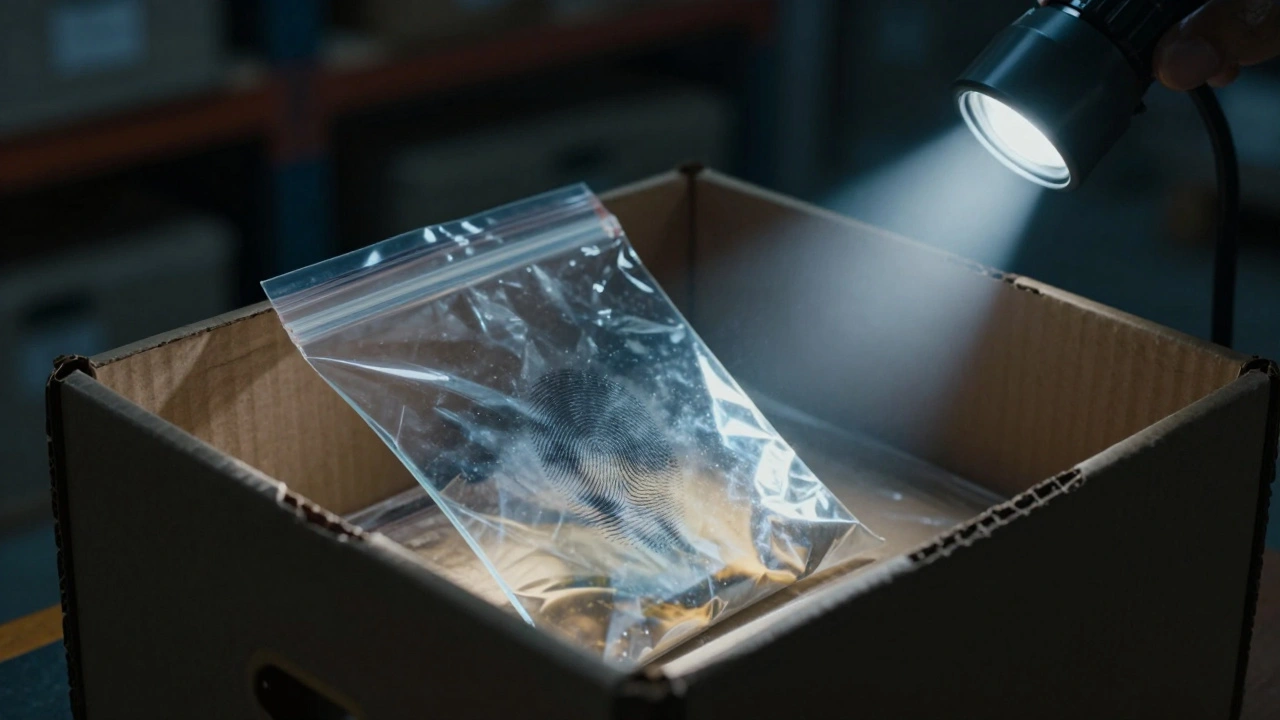
Cold Case Latents: How Modern Forensics Revives Legacy Evidence
- By : Ian Brophy
- Date : Apr 4 2026
Discover how modern fingerprint analysis, AFIS, and genetic genealogy are solving decades-old cold cases by reprocessing legacy evidence with 2026 technology.

Level 1, 2, and 3 Details: Comparative Weight in Court for Fingerprint Evidence
- By : Ian Brophy
- Date : Mar 21 2026
Fingerprint evidence carries different weight in court depending on the level of judicial scrutiny applied - from basic rational basis to strict scrutiny. Understanding these levels helps explain why some prints convict and others are thrown out.
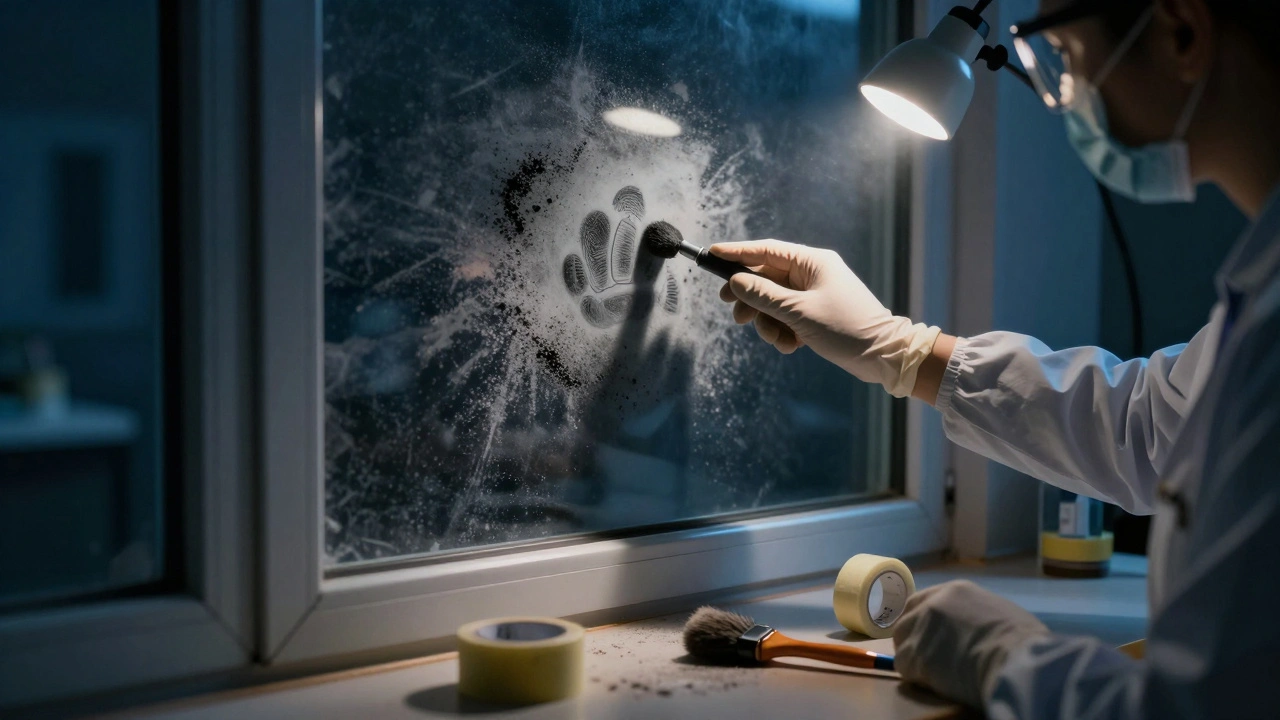
Latent Fingerprints vs. Patent Prints: What Forensic Experts Actually See at Crime Scenes
- By : Ian Brophy
- Date : Jan 12 2026
Latent and patent fingerprints are two distinct types of evidence in forensic science. Latent prints are invisible and require development, while patent prints are visible right away. Learn how they differ in formation, collection, and courtroom value.