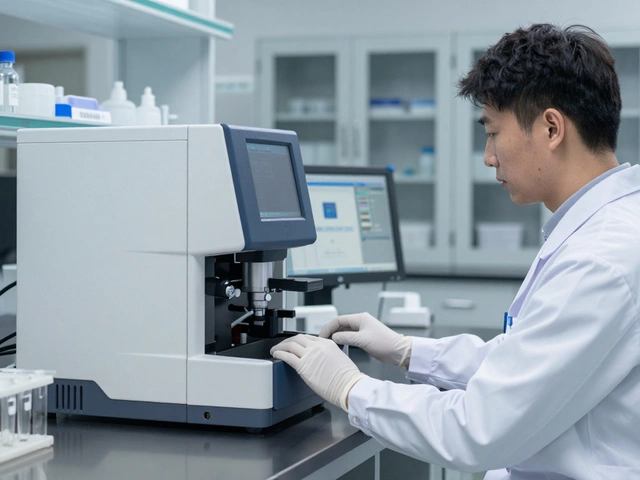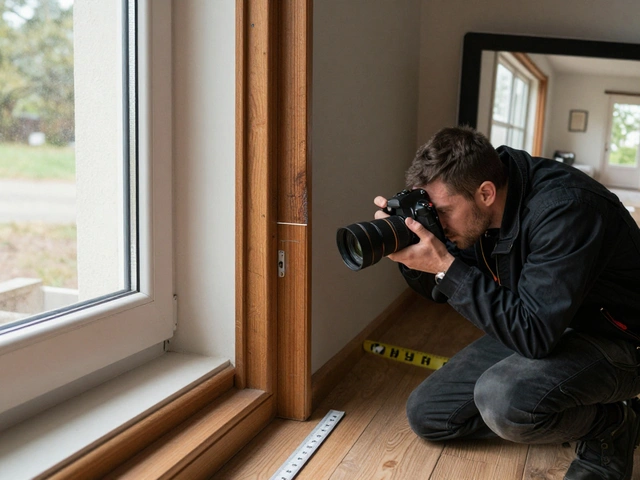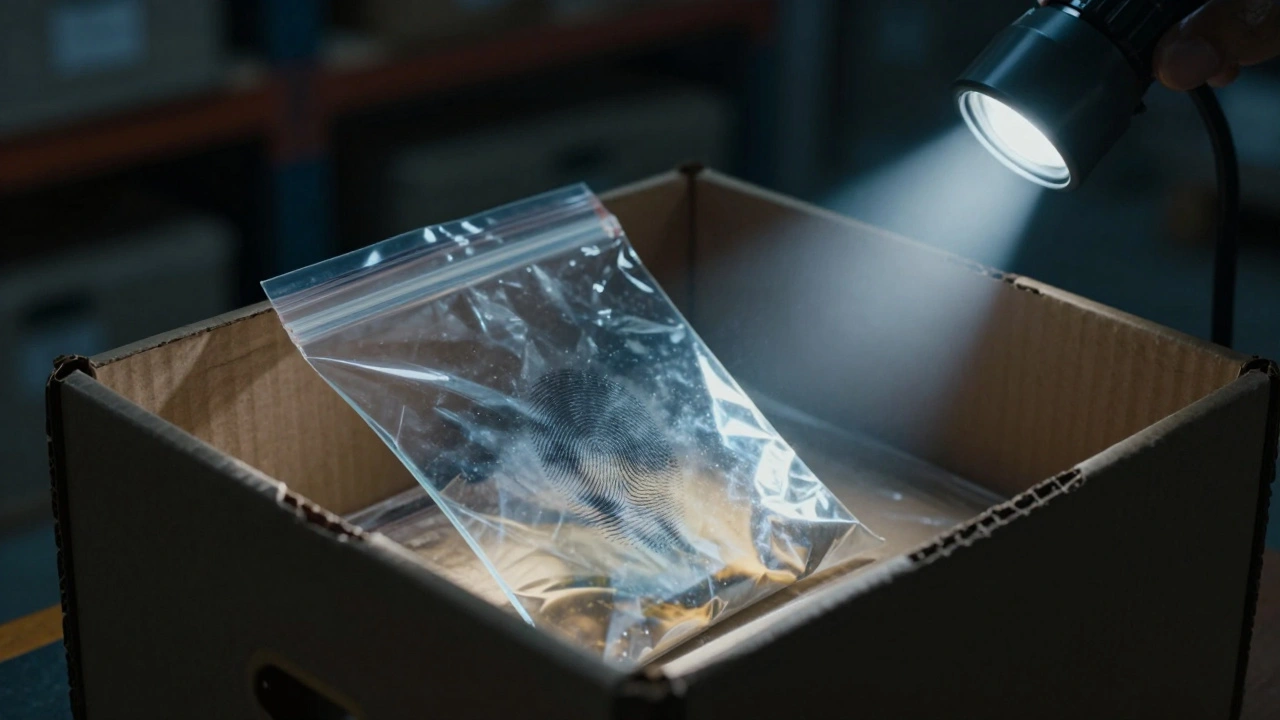
Imagine a cardboard box sitting in a climate-controlled warehouse for thirty years. Inside is a dusty evidence bag containing a smudge of oil on a piece of glass from a 1980s crime scene. Back then, a technician used basic black powder and a camera, found nothing useful, and filed the case away as "inconclusive." For decades, that smudge was a dead end. But today, that same piece of glass is a goldmine. The evidence didn't change, but our ability to "see" it did. This is the core of fingerprint analysis in the modern era: the shift from manual guessing to digital precision.
Reprocessing legacy evidence isn't about hoping for a miracle; it's about applying tools that simply didn't exist when the crime happened. We aren't just looking at the same prints with a better magnifying glass. We are using chemical enhancements, laser light sources, and massive digital databases to pull identities out of thin air. For many victims and families, these technological leaps are the only path to an answer after forty years of silence.
The Evolution of Latent Fingerprint Detection
In the early days of forensics, Latent Fingerprints is an invisible or barely visible fingerprint left by the transfer of oils and perspiration from the skin to a surface. If a print didn't show up with standard powder, it was often written off. Today, we have a much deeper toolkit. We now use vacuum metal deposition and various chemical reagents that can bind to the tiny amounts of amino acids left behind, even on porous surfaces like old paper or fabric.
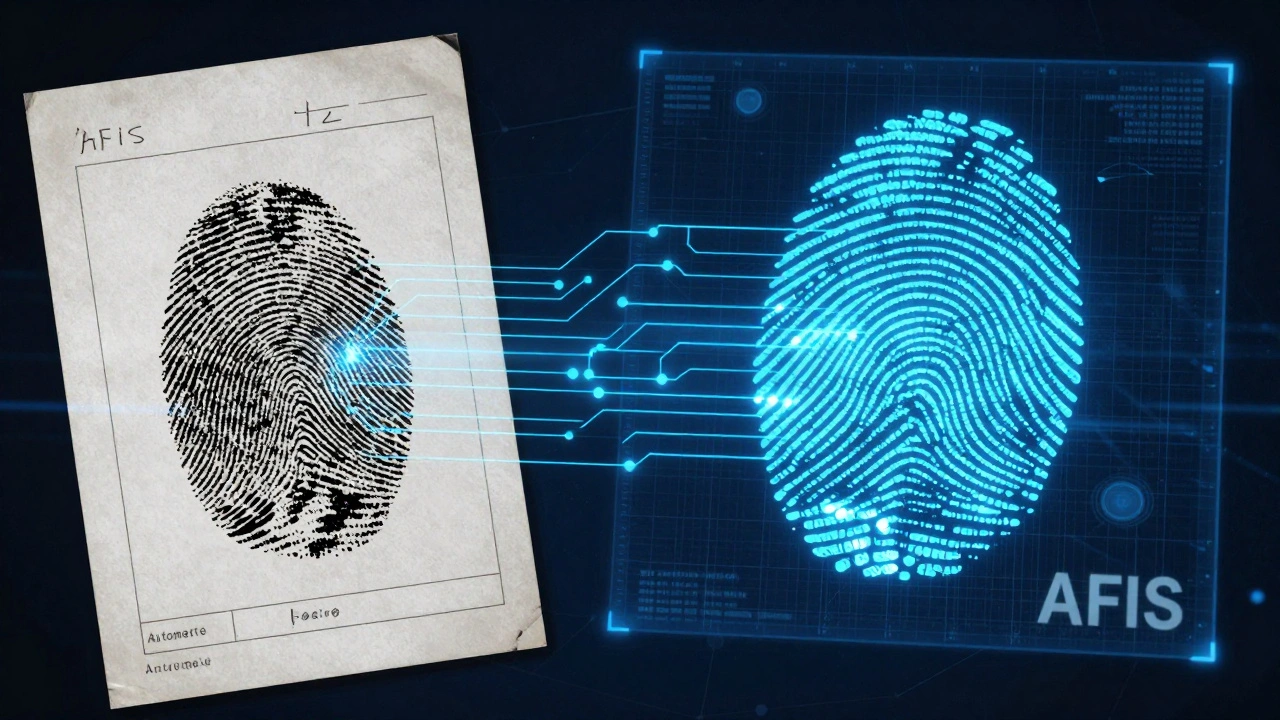
The real game-changer, however, is how we process those prints once they are found. The Automated Fingerprint Identification System (or AFIS) has moved far beyond simple matching. Modern versions use complex algorithms to handle partial prints, distorted images, and low-quality smudges that would have baffled a human examiner in 1975. By digitizing old physical cards and running them through current AFIS software, investigators can find matches in seconds across millions of records.
| Feature | Legacy Method (Pre-1990s) | Modern Reprocessing (2026) |
|---|---|---|
| Detection Tools | Basic powders, standard photography | Laser/ALS, chemical reagents, VMD |
| Matching Process | Manual side-by-side visual comparison | Algorithm-driven AFIS searching |
| Sensitivity | Required clear, full prints | Can work with partials and degraded residues |
| Database Scope | Local or regional files | National and International interconnected grids |
Breaking the Deadlock with Forensic DNA
While fingerprints are vital, the most explosive growth in cold case resolution comes from the marriage of latents and biological evidence. Many legacy cases have "touch DNA," where a perpetrator left skin cells on a surface but no visible fingerprint. In the 90s, there wasn't enough material to get a profile. Now, Next-Generation Sequencing (or NGS) allows us to sequence severely damaged or microscopic DNA fragments.
Consider the case of the Golden State Killer. For over 40 years, the trail was cold. The breakthrough didn't come from a new witness, but from Genetic Genealogy, which uses DNA profiles to trace family trees through public databases to identify suspects. By comparing crime scene DNA to distant relatives in public databases, investigators narrowed the search to Joseph DeAngelo. This shift from "direct matching" to "familial searching" has completely rewritten the playbook for cold cases.
We are also seeing the rise of specialized labs, like Othram, which use advanced forensic databases to solve cases from the 1970s. In 2024, this approach helped crack the 1974 murder of Barbara Waldman in New York. These labs don't just look for a 1:1 match in a government database; they look for genetic markers that point toward a specific family line, which then leads investigators to a specific person.
The Role of Multidisciplinary Review
Reprocessing isn't just about the lab; it's about a fresh set of eyes. A case might have stayed cold not because of a lack of evidence, but because the original investigators were misled by a false lead. Modern cold case units perform a full "case audit." This involves bringing in Forensic Pathologists to review old autopsy reports for medical jargon that might be misinterpreted today, or Forensic Odontologists to check for miscoded teeth in the NCIC database.
A great example of this multidisciplinary approach was seen in the identification of "Walker County Jane Doe," who disappeared in 1975. It took a combination of forensic anthropology and DNA technology to finally give her a name-Sherri Ann Jarvis-in 2021. When you combine anthropology (studying the bone structure) with DNA (confirming the identity), you close gaps that a single method never could.
Pitfalls and the Legal Battleground
It sounds like a slam dunk, but reprocessing legacy evidence creates a massive legal headache: the chain of custody. If a piece of evidence was collected by an officer who died twenty years ago, and that officer's notes were sloppy, a defense attorney can tear the case apart. We saw this in a Vermont double-murder case where a judge threw out key DNA evidence because the protocols used decades ago weren't rigorous enough to satisfy modern court standards.
To avoid this, modern labs must be incredibly meticulous about how they document the "hand-off" of evidence. If the chain is broken, the most advanced DNA profile in the world is useless in court. The focus now is on establishing a "forensic bridge"-documenting exactly how the evidence moved from a dusty locker to a modern sequencer without being contaminated.
The Future: AI and Pattern Recognition
Looking ahead, the next frontier is Artificial Intelligence. AI is already being used to sift through thousands of pages of handwritten police notes to find patterns that humans miss. Machine learning is also improving facial reconstruction and voice analysis, allowing investigators to "hear" or "see" a suspect from legacy recordings or degraded photos with startling clarity.
The goal is to move toward a system where the evidence speaks for itself. By combining Machine Learning with genomic data, we are reaching a point where "inconclusive" is a temporary status, not a permanent one. Whether it's a single bone fragment or a faded fingerprint on a glass, the technology is finally catching up to the crimes of the past.
Can old fingerprints really be recovered after decades?
Yes. While the physical print may fade or be nearly invisible, the chemical residues (like lipids and amino acids) often remain on the surface. Modern techniques like vacuum metal deposition and specialized chemical enhancers can make these prints visible again, and AFIS can match them even if they are only partial prints.
What is the difference between DNA testing and DNA retesting?
DNA testing is the initial analysis of a sample. DNA retesting involves taking a sample that was previously tested (but yielded no result or a poor profile) and running it through newer, more sensitive technology like Next-Generation Sequencing (NGS) to extract a usable profile from a smaller amount of material.
How does genetic genealogy differ from CODIS?
CODIS is a government database of known offenders and crime scene profiles; it requires a direct match. Genetic genealogy uses public databases (like GEDmatch) to find relatives of a suspect, building a family tree to narrow down a name, even if the suspect themselves has never been arrested.
Why does the chain of custody matter so much in cold cases?
Because the evidence is old, there are more opportunities for it to have been mishandled or contaminated. If a lawyer can prove the evidence wasn't tracked perfectly from the crime scene to the lab, the court may deem it unreliable and inadmissible, regardless of how strong the forensic match is.
Can AI actually identify a suspect from a cold case?
AI doesn't usually "name" a suspect on its own, but it accelerates the process. It can analyze massive datasets, recognize patterns in criminal behavior across different jurisdictions, and enhance degraded images or audio to provide a lead that a human investigator can then verify.
Next Steps for Case Review
If you are working with legacy evidence or reviewing a cold case, the approach depends on what you have. If you have biological samples, your first step should be exploring NGS capabilities. If you have physical prints, a review of the original lifts for digitization into modern AFIS is the priority. Most importantly, don't just trust the original "inconclusive" label-re-examine the case files for overlooked details that modern technology can finally exploit.