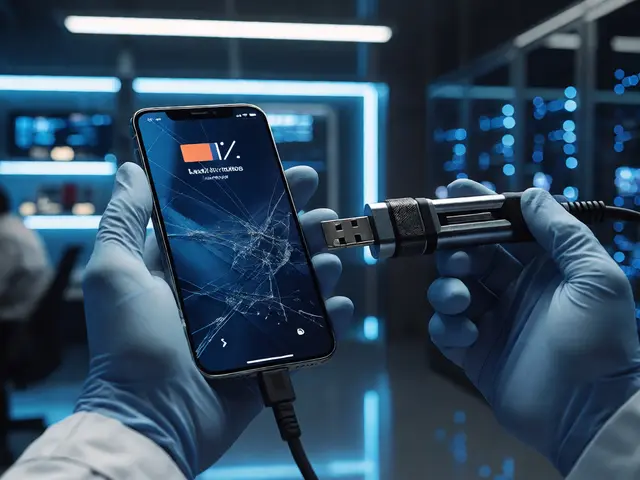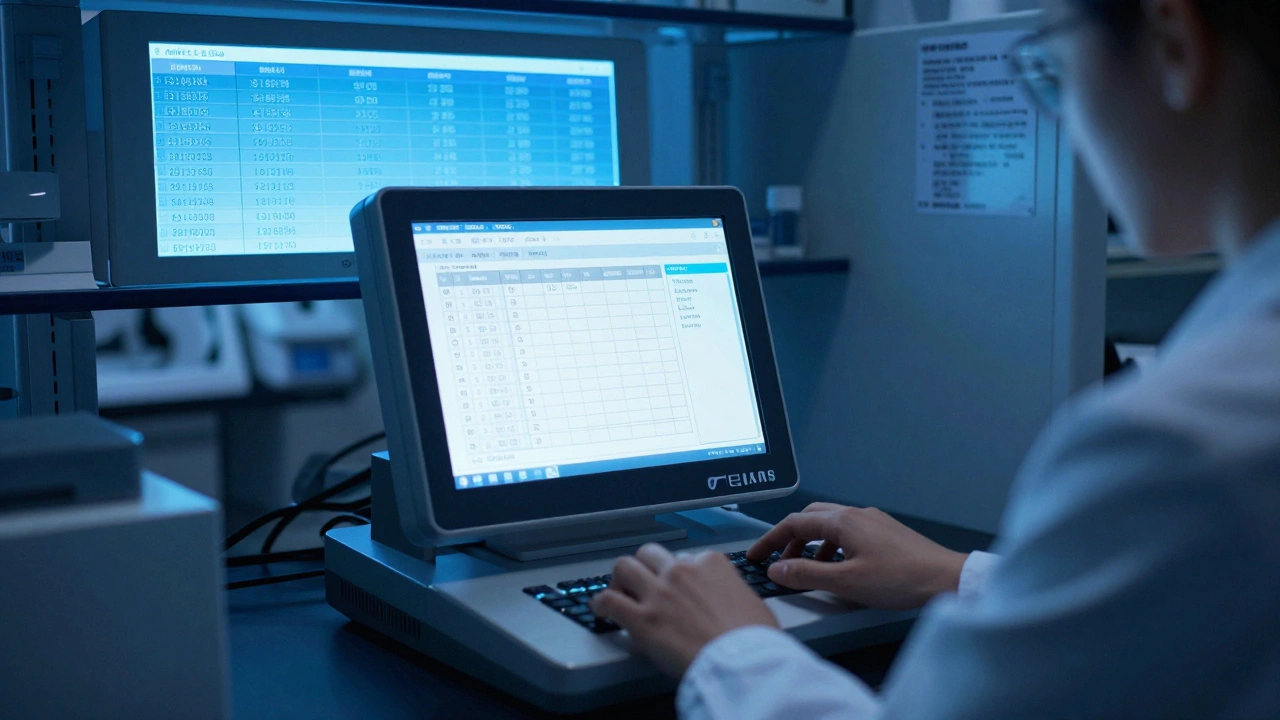
When a forensic lab runs a DNA sample, the result doesn’t just sit in a notebook. It’s tied to the technician who ran it, the instrument used, the time it was processed, and every change made along the way. If a single number is altered without a trace, the entire case could collapse in court. That’s why electronic LIMS isn’t just a convenience-it’s the backbone of legal defensibility in modern labs.
Manual data entry used to be the norm. A technician would write down a result on paper, transfer it to a spreadsheet, then print reports for review. But paper can be lost. Spreadsheets can be overwritten. Memories fade. And when regulators show up, they don’t care about your intentions-they care about proof. That’s where electronic LIMS steps in. It doesn’t just store data. It proves it.
What Is an Electronic LIMS?
An electronic Laboratory Information Management System (LIMS) is software built to handle every piece of data generated in a lab-from sample intake to final report. It tracks who did what, when, and why. Unlike old paper logs or unsecured Excel files, a modern LIMS creates a permanent, tamper-proof record of every action. This is critical for labs under GLP (Good Laboratory Practices), ISO 17025 (International Standard for Testing and Calibration Laboratories), or 21 CFR Part 11 (FDA regulations for electronic records and signatures).
It’s not just about storing results. It’s about proving those results weren’t faked, altered, or lost. The system links every sample to its chain of custody, ties instrument readings directly to the data, and locks down access so only authorized people can touch sensitive information.
The ALCOA Framework: The Gold Standard for Data Integrity
Regulators don’t use vague terms like "good records." They use ALCOA-a simple, powerful checklist that every electronic LIMS must satisfy:
- Attributable: Every action is tied to a person. No anonymous edits. If someone changes a value, the system logs their username, IP address, and timestamp.
- Legible: Data must be readable forever. Electronic records aren’t scribbled on napkins. They’re stored in standardized formats that won’t degrade over time.
- Contemporaneously recorded: Data is captured at the moment it’s generated. No backdating. If a result is entered two days later, the system flags it as a deviation.
- Original: The first digital record is the official one. No copying from handwritten notes. The instrument feeds data directly into the LIMS.
- Accurate: The system enforces validation rules. If a value falls outside expected ranges, it won’t save until corrected or explained.
Any lab that fails ALCOA during an audit risks losing accreditation. A single missing signature or unexplained edit can trigger a full investigation.
Audit Trails: Your Digital Witness
The most powerful feature of any electronic LIMS is the audit trail. Think of it as a security camera for your data. It records every click, every change, every login.
When a technician enters a result, the system logs:
- Who entered it
- When it was entered
- Which instrument was used
- Which sample ID was linked
- Whether it was reviewed or approved
- If it was edited later, who edited it, what was changed, and why
These logs are immutable. You can’t delete them. You can’t edit them. Even if someone tries to hack the system, the audit trail remains untouched. This is why regulators trust LIMS data more than paper logs.
In one real case, a forensic lab was accused of backdating drug test results. The LIMS audit trail showed the original entry was made 17 hours after the sample was received-well outside the allowed window. The lab had to suspend testing, retrain staff, and pay fines. Without the audit trail, they’d have had no way to prove their innocence.
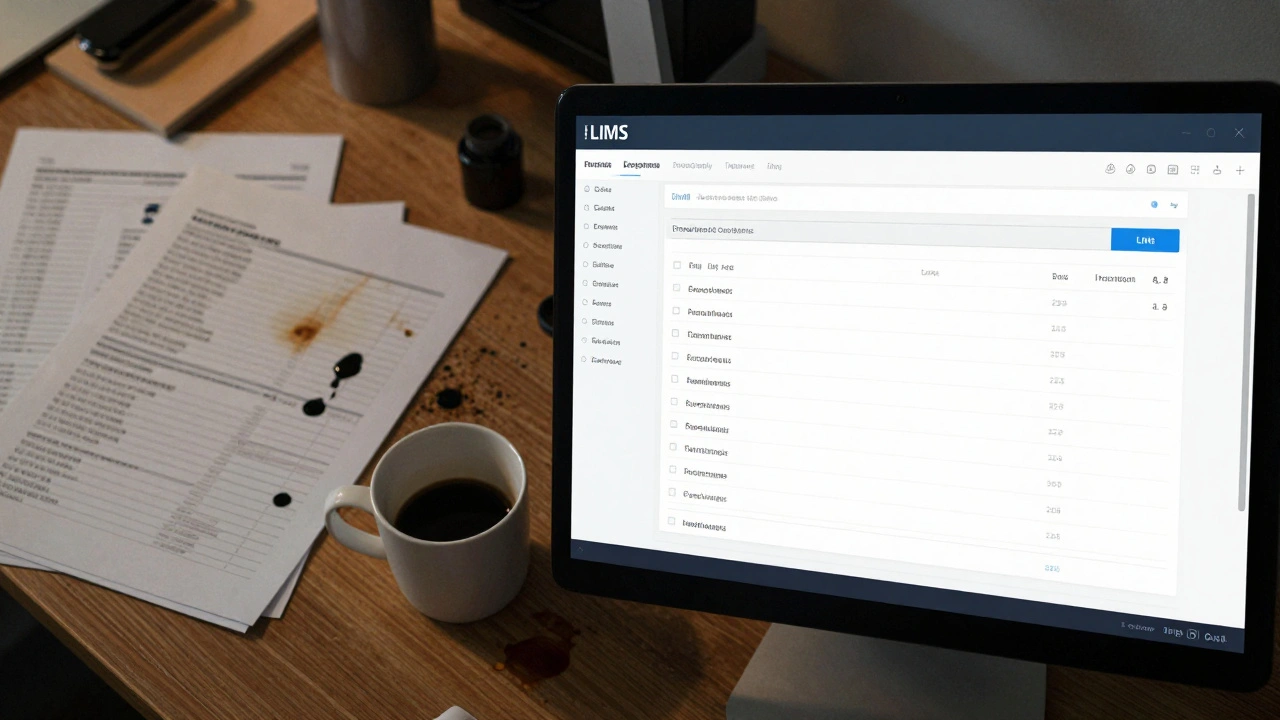
How LIMS Prevents Errors Before They Happen
A good LIMS doesn’t just record mistakes-it stops them before they occur.
For example:
- If a sample ID doesn’t match the one in the database, the system blocks entry.
- If a calibration due date for a gas chromatograph passes, the LIMS locks the instrument until it’s serviced.
- If a user tries to approve a result without reviewing the raw data, the system won’t let them proceed.
These aren’t just annoyances-they’re safeguards. In a high-volume forensic lab, a single typo in a toxicology report could lead to wrongful charges. Automated validation rules cut human error by over 70% compared to manual systems.
Integration: The Hidden Key to Compliance
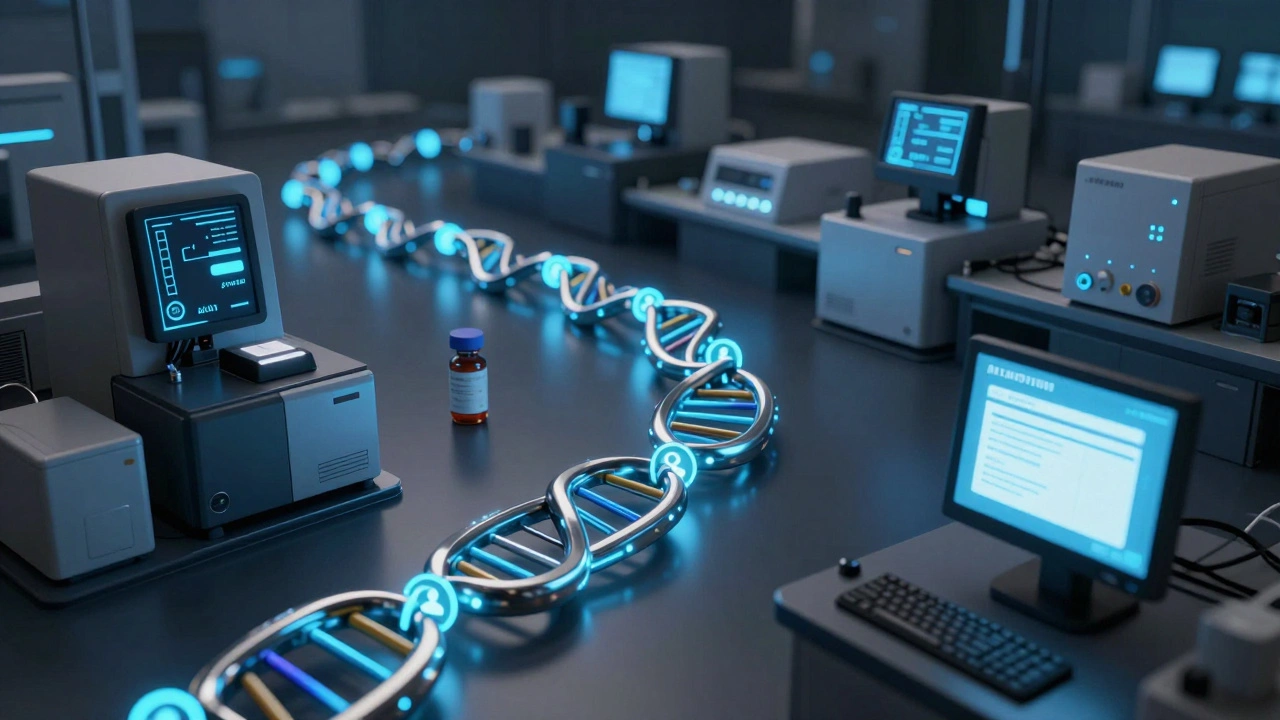
Most labs don’t use LIMS alone. They connect it to instruments, electronic lab notebooks (ELNs), and even ERP systems. This integration is where data integrity becomes bulletproof.
Take a mass spectrometer. Without LIMS integration, a technician might copy-paste results from the instrument’s screen into a spreadsheet. That’s a risk. With integration, the instrument sends data directly into the LIMS-no human input needed. The data is original, contemporaneous, and attributable.
Systems like LabWare LIMS and QLIMS offer API connections that sync with over 200 types of lab instruments. This eliminates manual transcription errors and ensures every result is traceable to its source.
What Happens Without a Proper LIMS?
Years ago, a state crime lab lost accreditation after auditors found:
- 37% of samples had no documented chain of custody
- 12% of results were entered after the fact with no explanation
- Two technicians shared login credentials
- Backup tapes were missing for six months
The lab was shut down for six months. Cases were dismissed. Careers were ruined. All because they relied on paper logs and Excel files.
There’s no such thing as a "good enough" manual system in regulated labs. If your data can’t survive a regulator’s scrutiny, it’s not reliable.
Real-World Benefits Beyond Compliance
Yes, LIMS keeps you compliant. But it also makes your lab faster, smarter, and more efficient.
- Sample turnaround time dropped by 40% in one lab after switching to automated tracking.
- Reagent inventory errors fell to near zero because the LIMS auto-reorders based on usage.
- Staff spend 60% less time chasing down paperwork and more time on actual analysis.
When your data is clean, your reports are accurate, and your audit trails are complete, you don’t just pass inspections-you earn trust.
How to Get It Right
Installing a LIMS isn’t enough. You need to do it right:
- Define SOPs: Document every step-from sample receipt to report release. The LIMS should enforce these rules, not replace them.
- Train everyone: Technicians, supervisors, and managers all need to understand why audit trails matter. Don’t assume they know.
- Test your audit trail: Simulate a regulatory audit. Can you pull a full history for any sample in under 5 minutes?
- Review logs weekly: Look for anomalies. Unusual login times, repeated edits, or skipped approvals are red flags.
- Back up daily: Your audit trail is only as good as your backup. Use encrypted, offsite storage.
Don’t wait for an audit to find your weaknesses. Build them into your culture.
Can a LIMS be hacked or tampered with?
A well-configured LIMS is designed to resist tampering. Audit trails are encrypted and immutable-once logged, they can’t be deleted or altered. Access is restricted by role, and changes require justification. While no system is 100% immune to attack, a LIMS with proper security controls (multi-factor authentication, role-based permissions, and encrypted backups) is far more secure than paper or Excel. Regulatory agencies treat LIMS data as legally defensible because of these built-in protections.
Do I need electronic signatures?
If you’re under 21 CFR Part 11 or ISO 17025, yes. Electronic signatures aren’t just fancy login buttons-they’re legally binding. They require a unique identifier (username), a password, and often a second factor like a token or biometric. The system must record the reason for the signature and ensure the person signing is authorized. Skipping this step will cause a failed audit.
What’s the difference between a LIMS and an ELN?
A LIMS manages samples, workflows, and compliance. An Electronic Lab Notebook (ELN) captures experimental details-like methods, observations, and hypotheses. Many labs use both. The LIMS handles the chain of custody and reporting; the ELN records how the test was done. Modern systems integrate them so data flows seamlessly between the two, preserving both compliance and scientific context.
Can I use cloud-based LIMS for forensic work?
Yes, but only if it meets specific security standards. Cloud platforms like AWS or Azure are used by major providers like QLIMS and LabVantage. The key is ensuring data is encrypted at rest and in transit, access is tightly controlled, and audit trails are stored independently of the main system. Many forensic labs now use cloud LIMS because they offer better backup, scalability, and remote access-while maintaining full compliance.
How often should audit trails be reviewed?
At least once a month. Look for patterns: repeated overrides, late entries, or users bypassing validation steps. Automated filters can flag anomalies-like a result edited after approval or a login from an unusual location. Regular review turns compliance from a reactive task into a proactive control. Some labs use AI tools to detect subtle anomalies that humans might miss.
Electronic LIMS isn’t a luxury. In regulated labs, it’s the only way to ensure your data holds up under pressure. Whether you’re testing drugs, analyzing DNA, or verifying environmental samples, your reputation-and your legal authority-depends on it. If your data can’t be trusted, nothing else matters.