Author: Ian Brophy
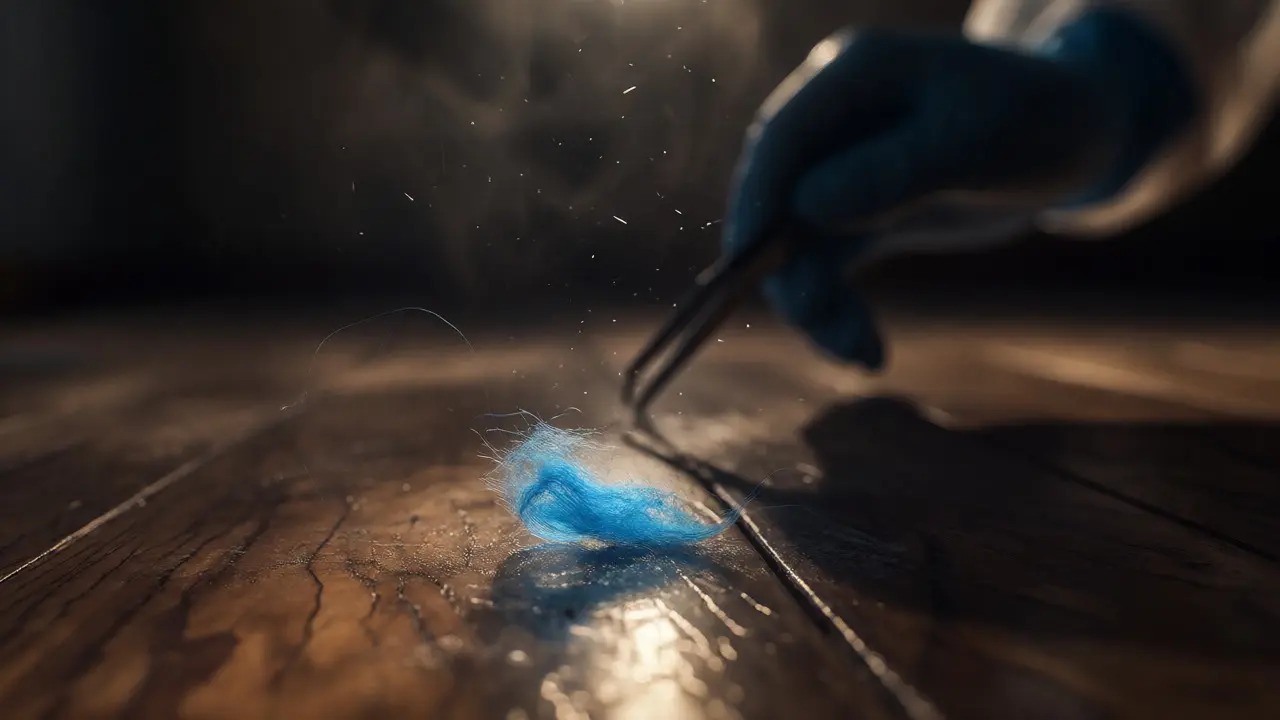
Cross-Contamination in Trace Evidence Collection: A Field Guide
- By : Ian Brophy
- Date : Sep 22 2026
Learn how to prevent cross-contamination in trace evidence collection. Discover key vectors, field protocols, and lab safeguards to maintain scene integrity.
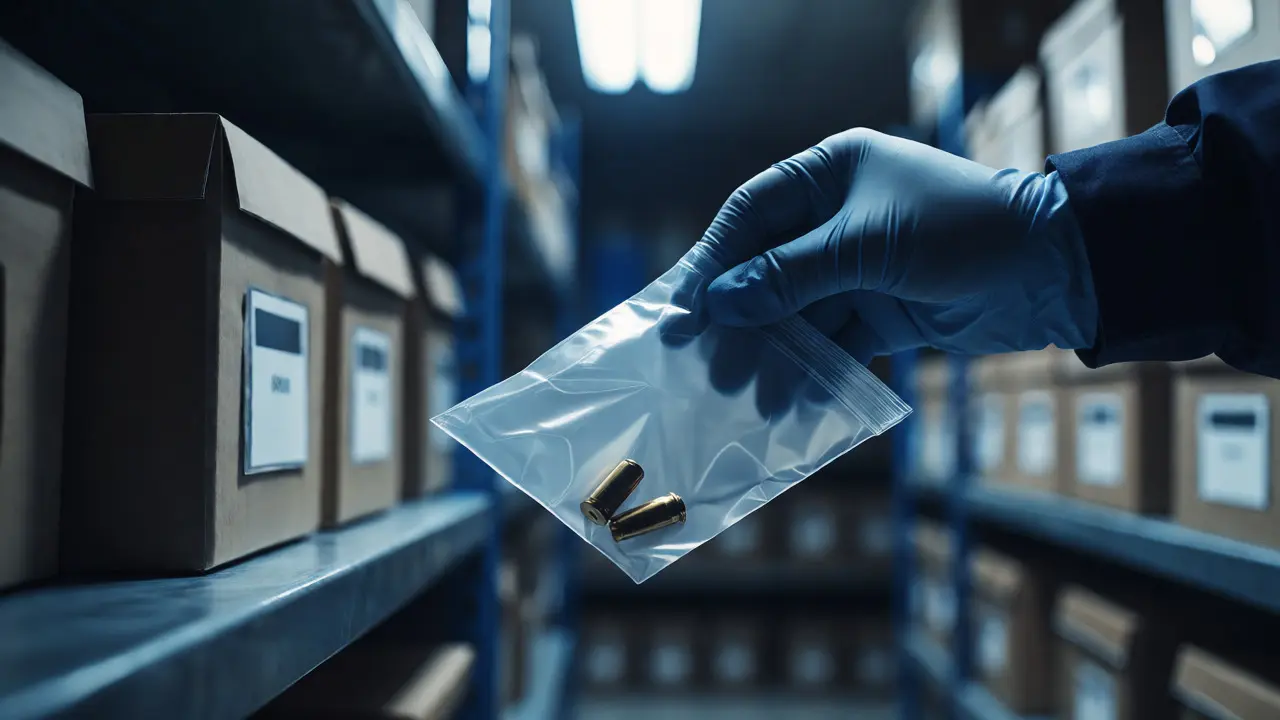
Breaking the Chain of Custody: Legal Consequences and Evidence Handling
- By : Ian Brophy
- Date : Sep 22 2026
Learn how breaking the chain of custody impacts legal cases, from admissibility to verdicts. Discover the real-world consequences of evidence handling errors.
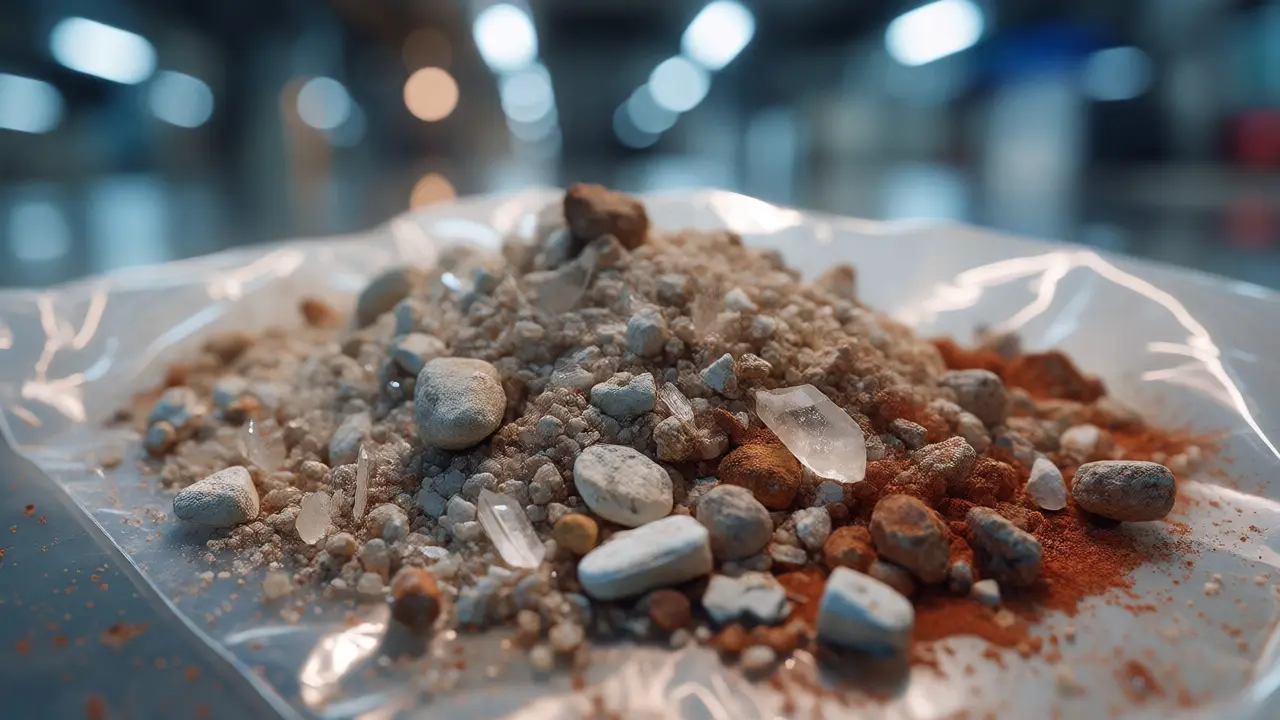
Mineral Evidence: Sand, Gravel, and Particulates in Forensics
- By : Ian Brophy
- Date : Sep 22 2026
Discover how sand, gravel, and mineral particulates serve as critical forensic evidence. Learn how geologists analyze soil signatures to link suspects to crime scenes.
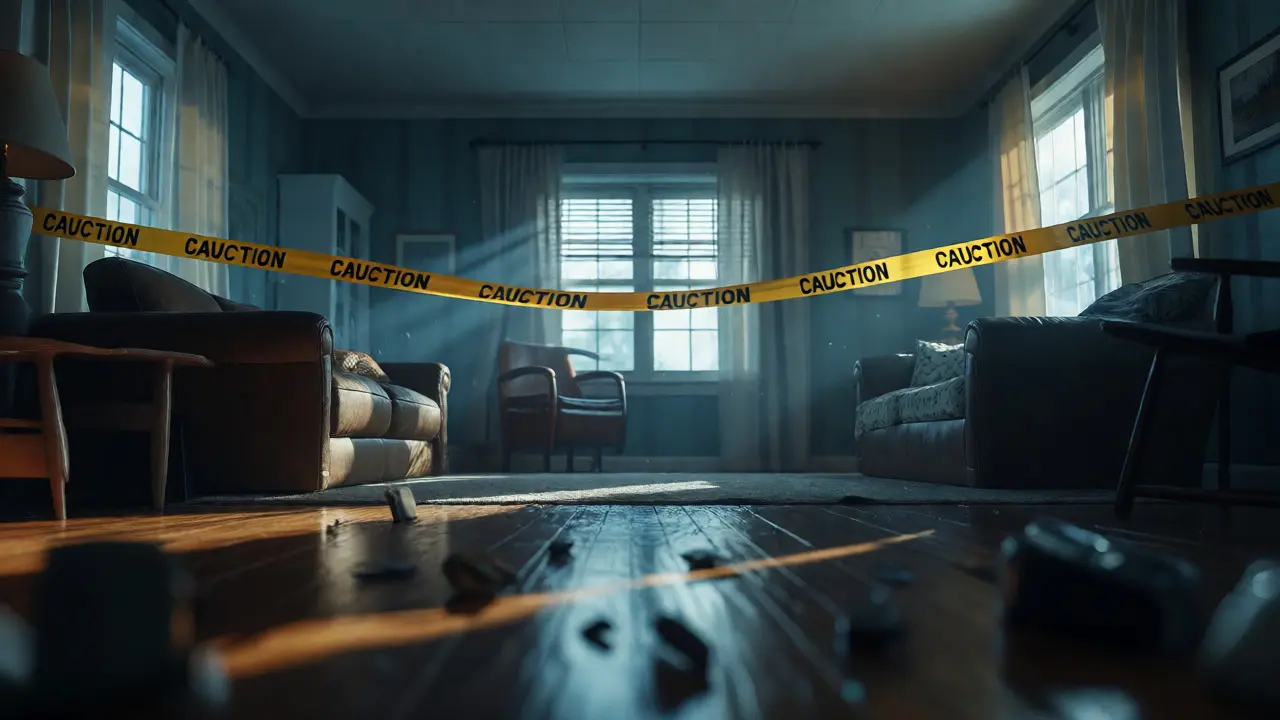
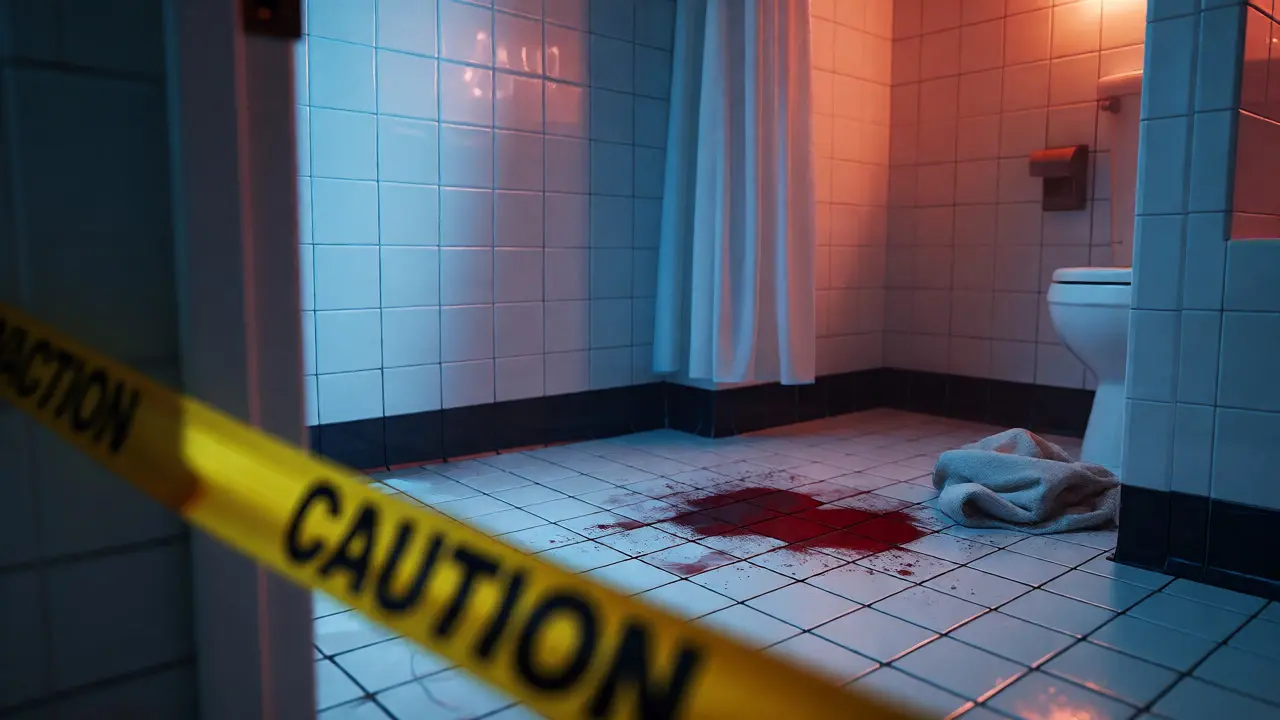
Decontamination Procedures: Cleaning Biohazard Sites
- By : Ian Brophy
- Date : Sep 21 2026
Learn essential decontamination procedures for cleaning biohazard sites. Discover PPE requirements, safe disinfection techniques, and when to call professionals.
Cleanup Companies: Evaluating Professional Services
- By : Ian Brophy
- Date : Sep 21 2026
Learn how to evaluate professional biohazard cleanup services. Discover key certifications, insurance checks, and red flags to avoid scams and ensure safe, compliant remediation.
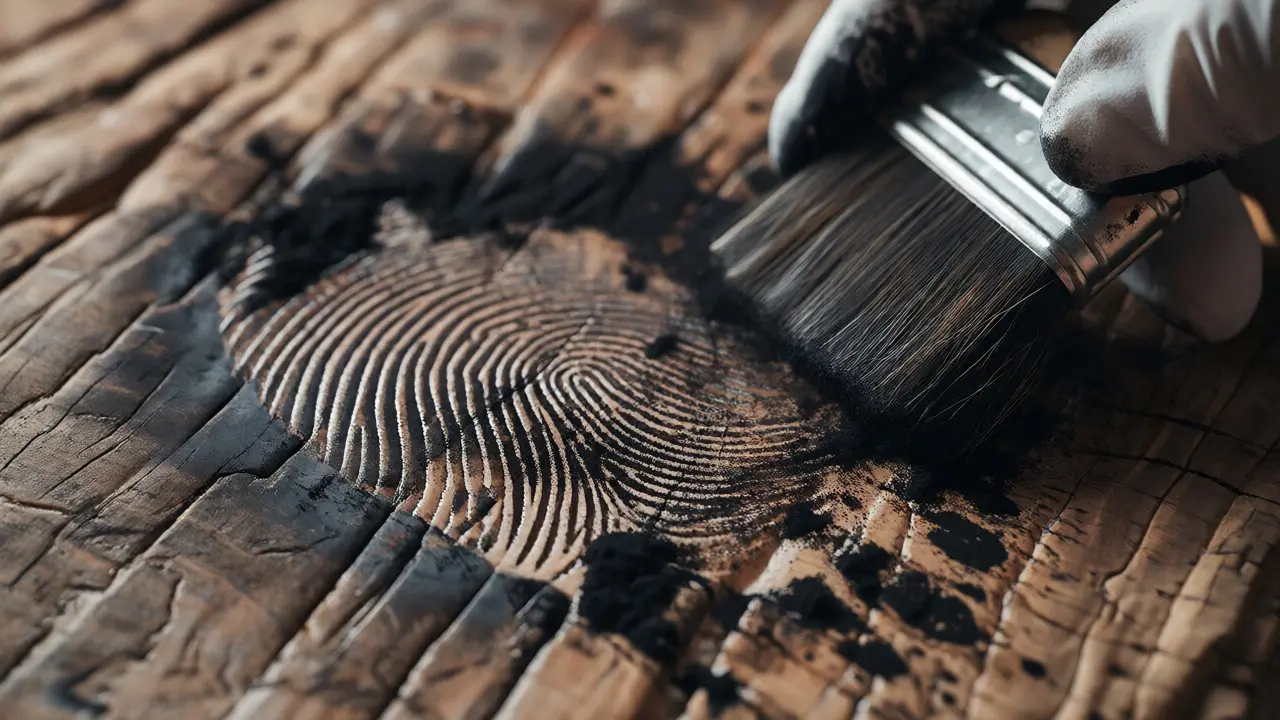
Powder Suspension: Revealing Latent Prints on Difficult Surfaces
- By : Ian Brophy
- Date : Sep 21 2026
Discover how powder suspension reveals latent fingerprints on difficult, textured, or damp surfaces where standard methods fail. Learn the chemistry, application steps, and when to choose this technique over fuming.
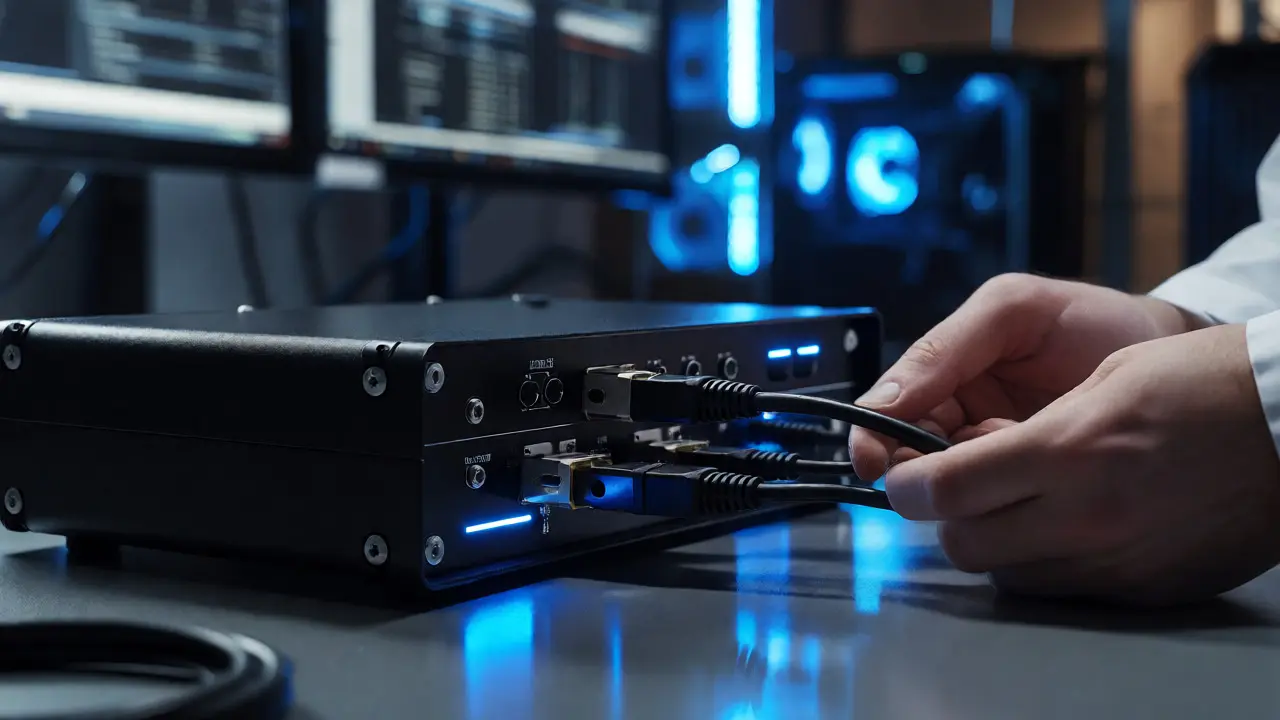
Write Blockers in Digital Forensics: Preventing Evidence Modification
- By : Ian Brophy
- Date : Sep 20 2026
Learn why write blockers are essential in digital forensics to preserve evidence integrity. Discover the differences between hardware and software blockers, validation protocols, and tips for handling modern NVMe drives.
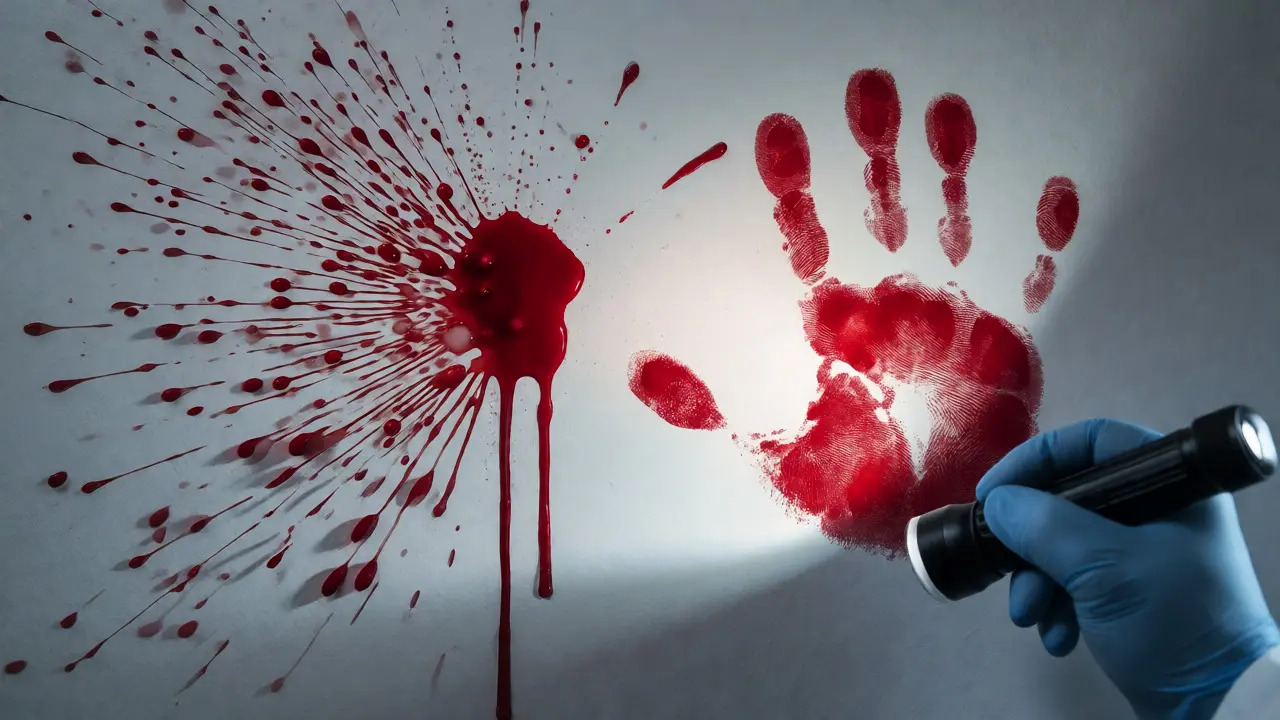
Transfer Stains vs. Impact Patterns: How to Distinguish Bloodstain Evidence
- By : Ian Brophy
- Date : Sep 20 2026
Learn to distinguish between transfer stains and impact patterns in bloodstain analysis. Discover key visual cues, common pitfalls, and techniques for accurate crime scene reconstruction.
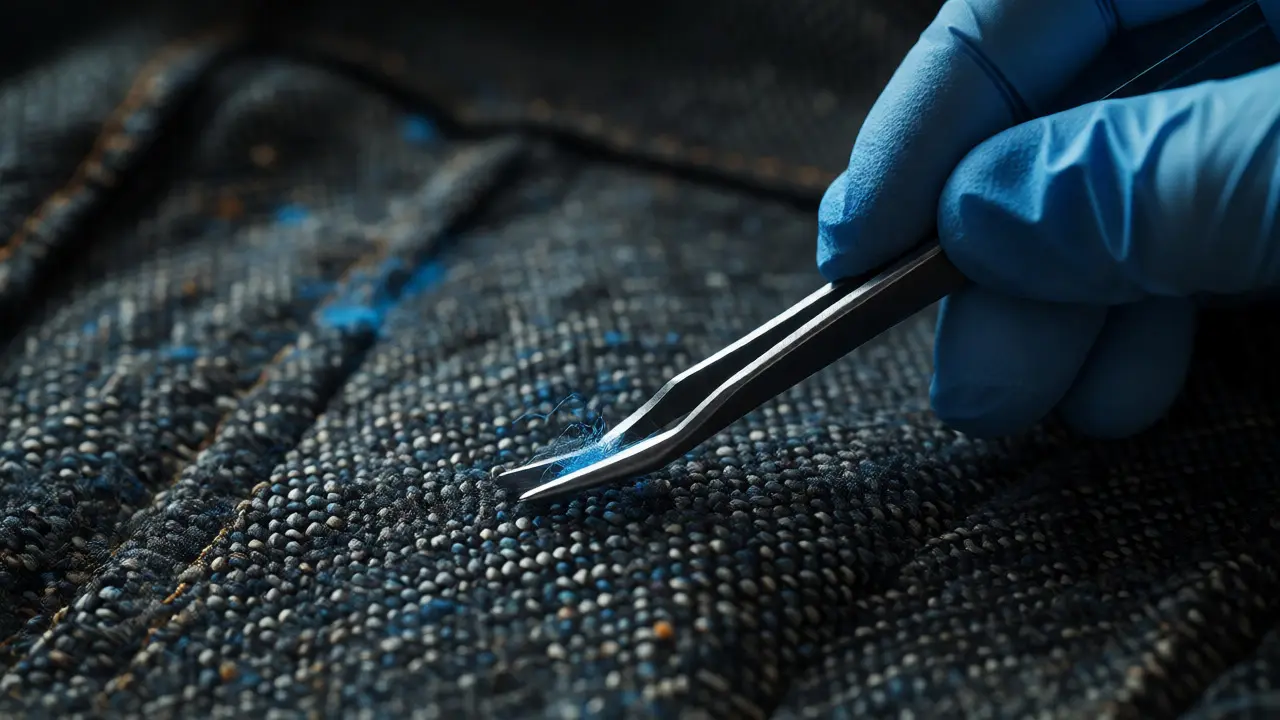
Microscopic Evidence: Handling Small Particles in Forensics
- By : Ian Brophy
- Date : Sep 20 2026
Learn how to properly handle microscopic evidence like fibers and glass. Discover collection techniques, packaging rules, and lab analysis methods to preserve trace evidence integrity.
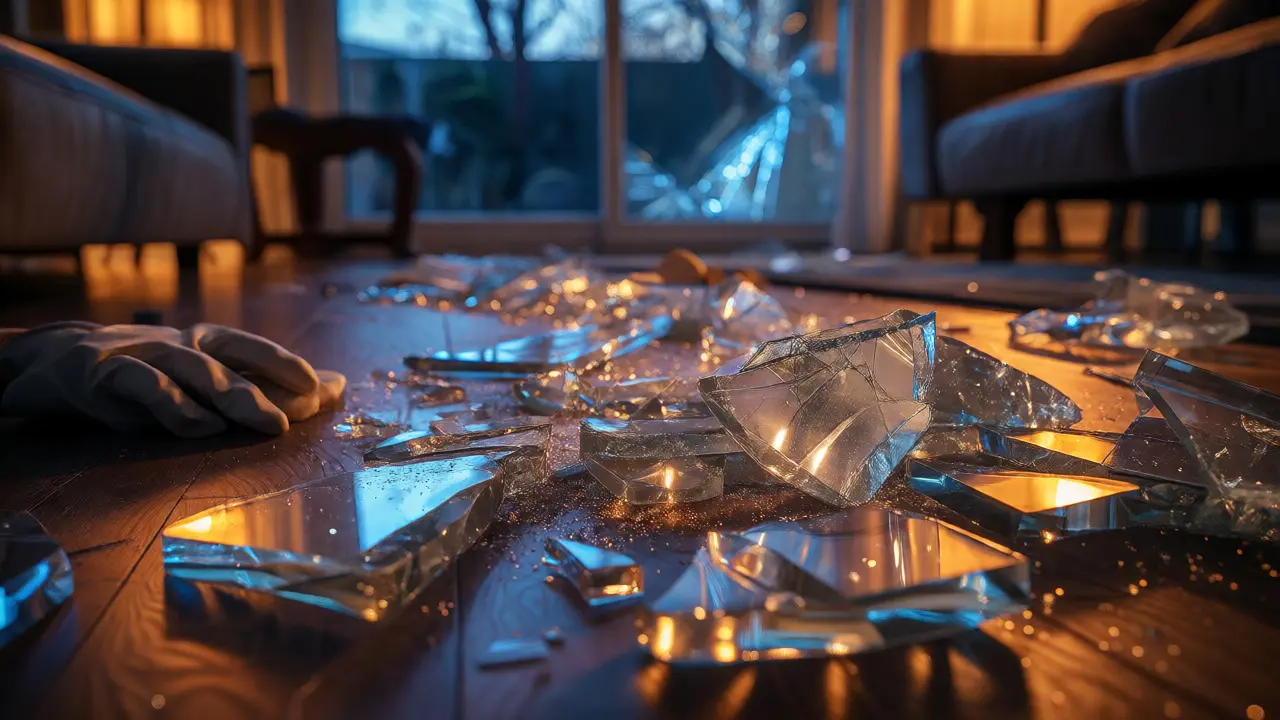
Glass Refractive Index: A Forensic Guide to Comparing Fragments
- By : Ian Brophy
- Date : Sep 19 2026
Learn how forensic experts use refractive index (RI) to compare glass fragments. Discover the GRIM method, temperature controls, and how to interpret match vs. exclusion in criminal investigations.
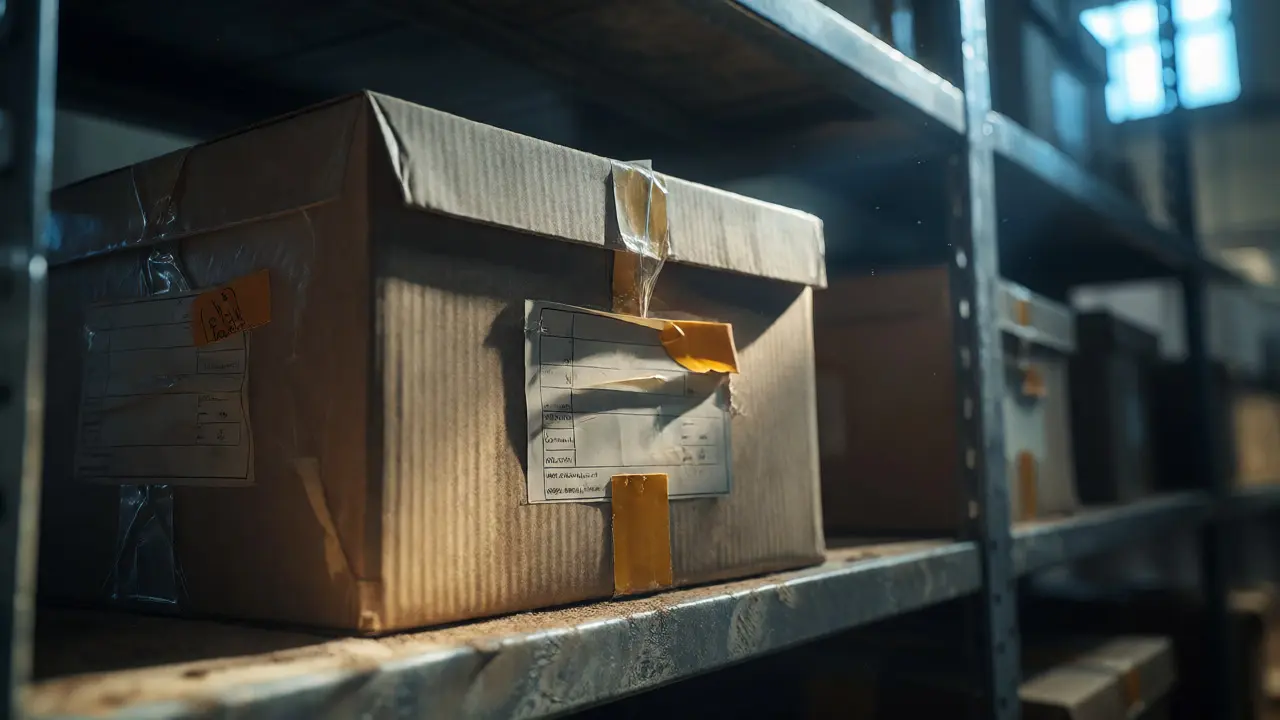
Cold Case Drug Evidence: Reanalysis with Modern Tools
- By : Ian Brophy
- Date : Sep 19 2026
Discover how modern forensic tools like LC-MS/MS are transforming cold case drug evidence. Learn why reanalysis reveals hidden truths, identifies new psychoactive substances, and links historical cases to current trafficking networks.
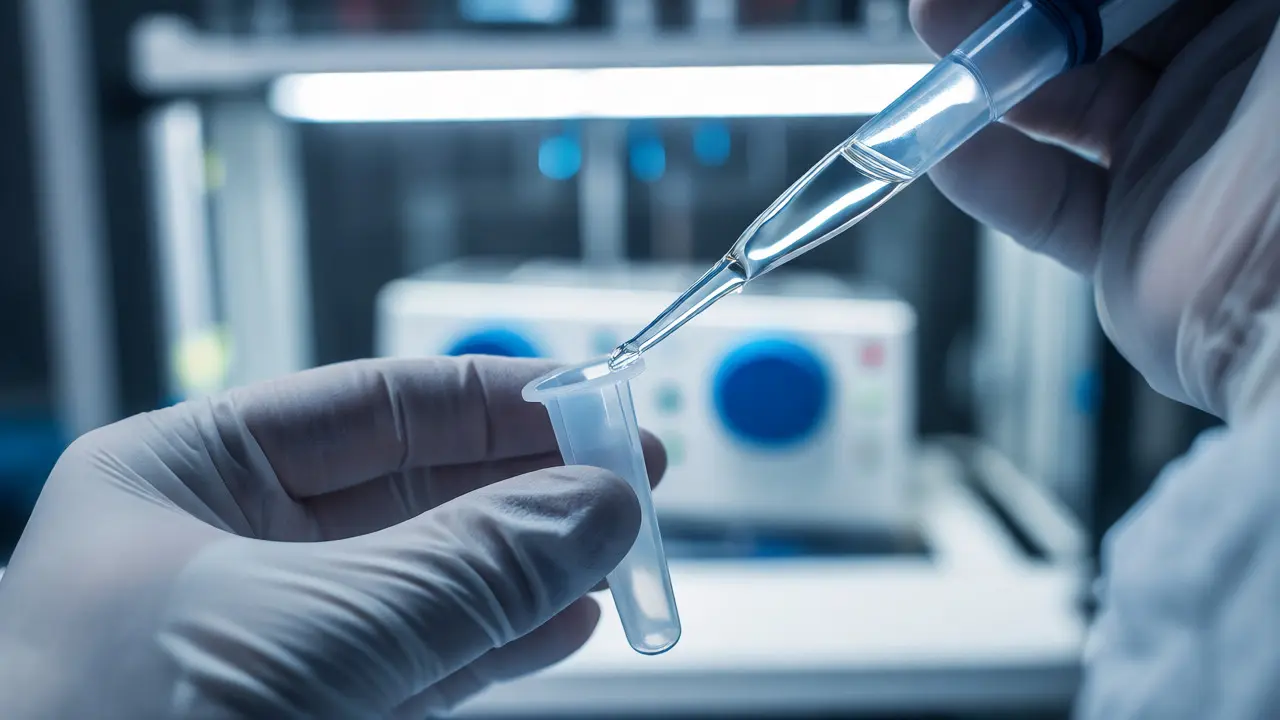
DNA Quantitation: Measuring Sample Quality for Forensic Success
- By : Ian Brophy
- Date : Sep 19 2026
Learn why DNA quantitation is critical for forensic success. Discover how qPCR measures human DNA concentration and integrity to prevent failed STR profiling.