Author: Ian Brophy - Page 4
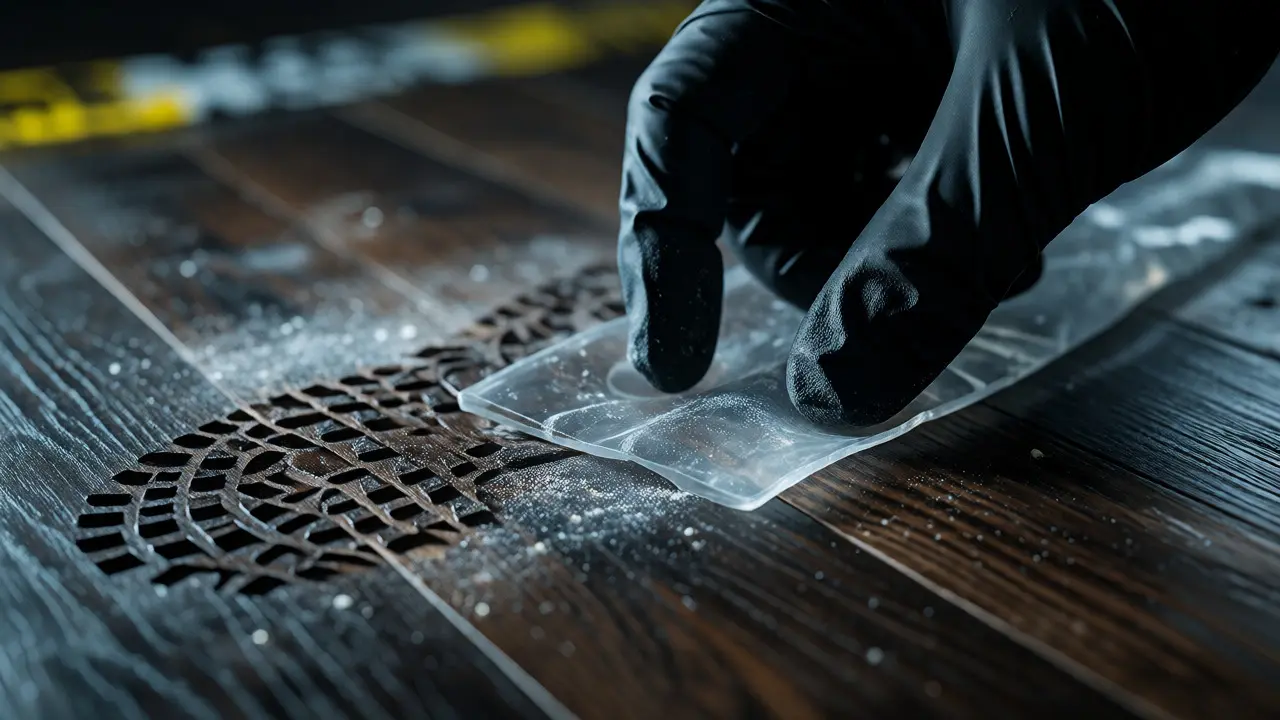
Footwear Impression Lifts: Gel, Electrostatic, and Casting Techniques
- By : Ian Brophy
- Date : Nov 6 2026
Learn how to choose between gel lifts, electrostatic lifting, and casting for footwear evidence. This guide covers field protocols, tool comparisons, and common mistakes to avoid.
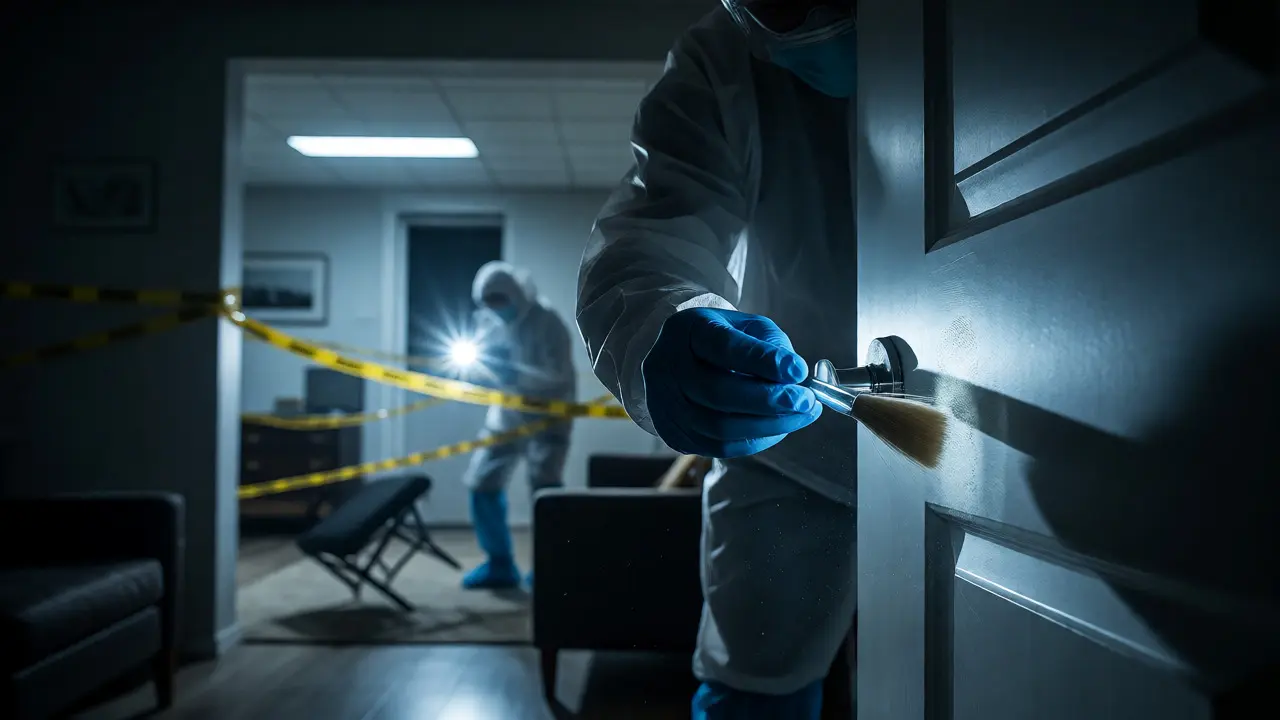
Indoor vs. Outdoor Crime Scene Investigations: Key Differences
- By : Ian Brophy
- Date : Nov 6 2026
Discover the critical differences between indoor and outdoor crime scene investigations. Learn how environmental factors, evidence preservation, and legal nuances shape forensic strategies.
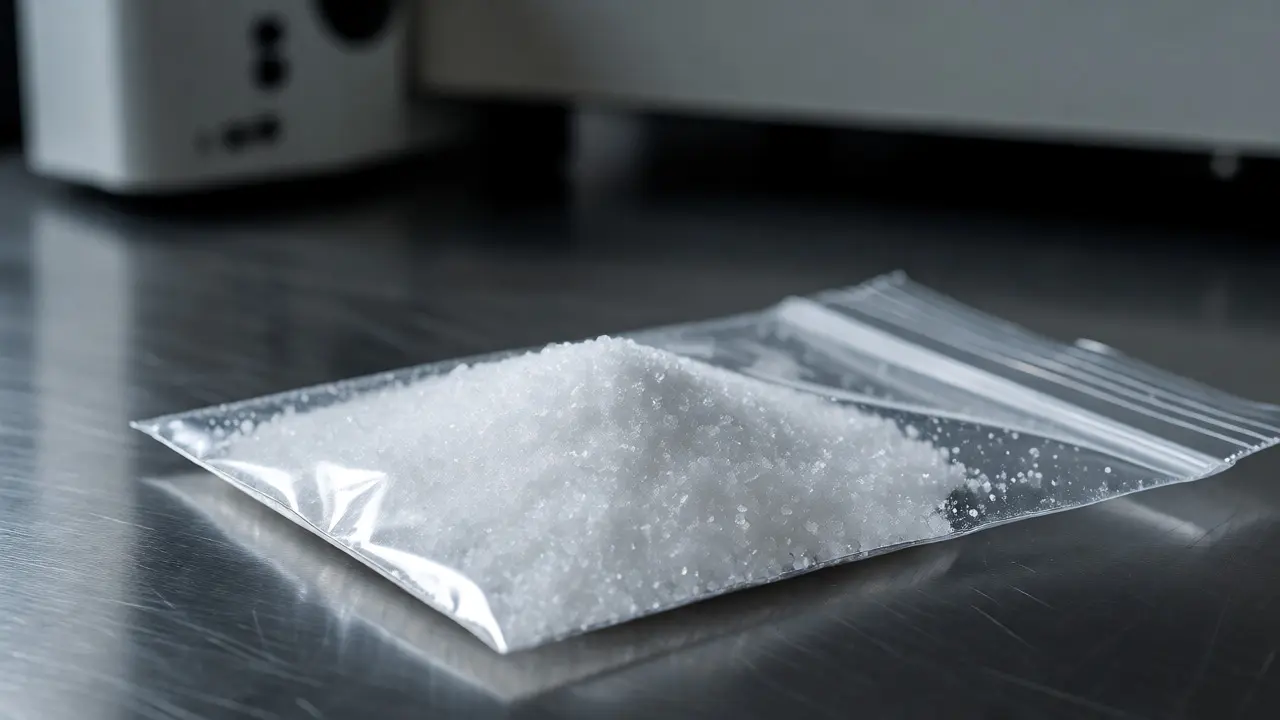
Crystal Structure Analysis: FTIR and Raman for Drug Identification
- By : Ian Brophy
- Date : Nov 6 2026
Discover how FTIR and Raman spectroscopy reveal crystal structures in drug analysis. Learn to distinguish polymorphs, avoid pitfalls, and choose the right tool for forensic and pharmaceutical identification.
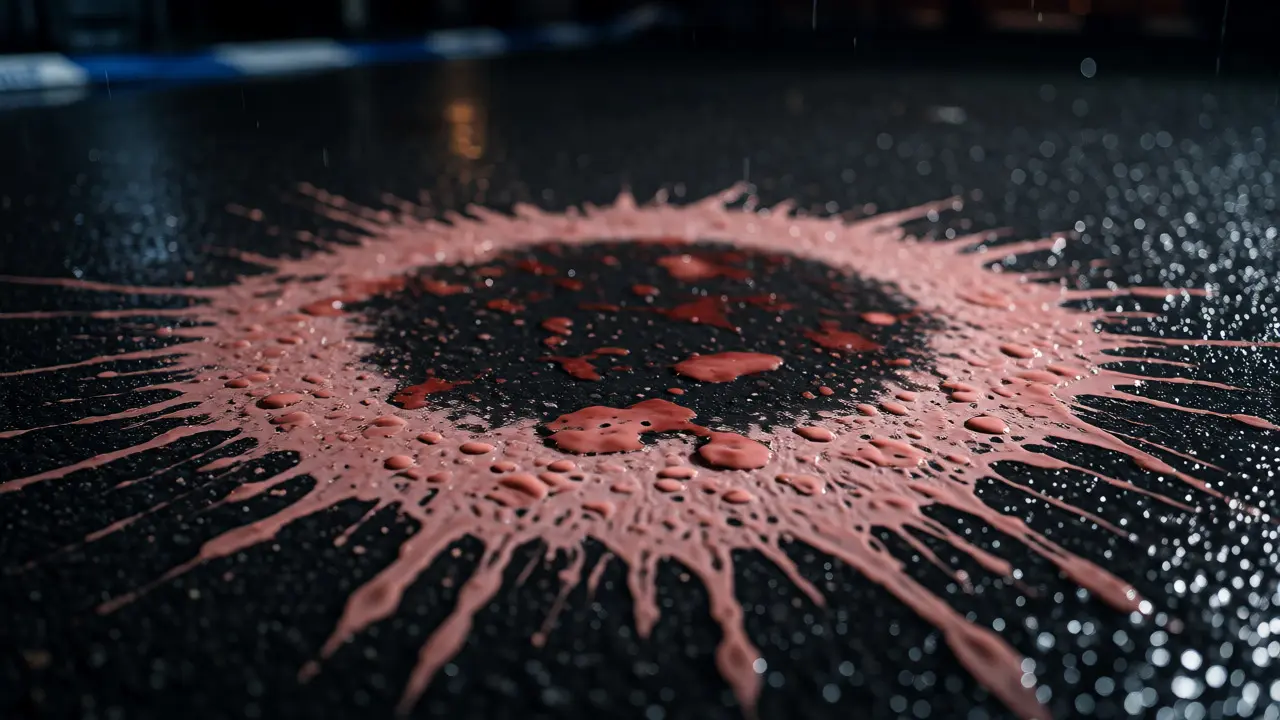
Blood Dilution Effects: Rain, Water, and Cleaning Agents in Forensics
- By : Ian Brophy
- Date : Nov 5 2026
Discover how rain, water, and cleaning agents alter bloodstain patterns. Learn to distinguish natural drying from dilution and preserve DNA evidence effectively.
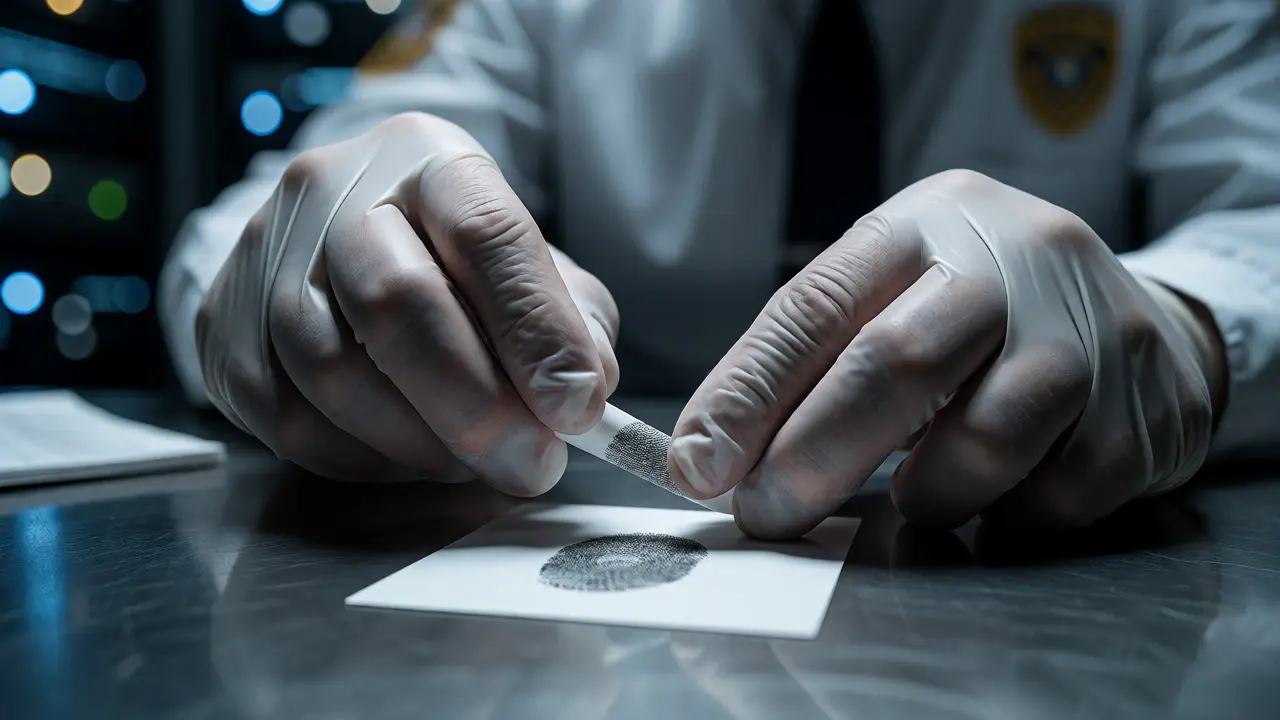
FBI Database: How to Access the National Fingerprint Repository
- By : Ian Brophy
- Date : Nov 5 2026
Learn how the FBI's Next Generation Identification system works, who can access the national fingerprint repository, and how to request your own background check.
Sexual Offense Profiling: Understanding Paraphilias and Escalation
- By : Ian Brophy
- Date : Nov 5 2026
Explore how paraphilias drive sexual offense escalation. Learn to distinguish signature from MO, identify behavioral markers, and predict future crimes through forensic profiling techniques.
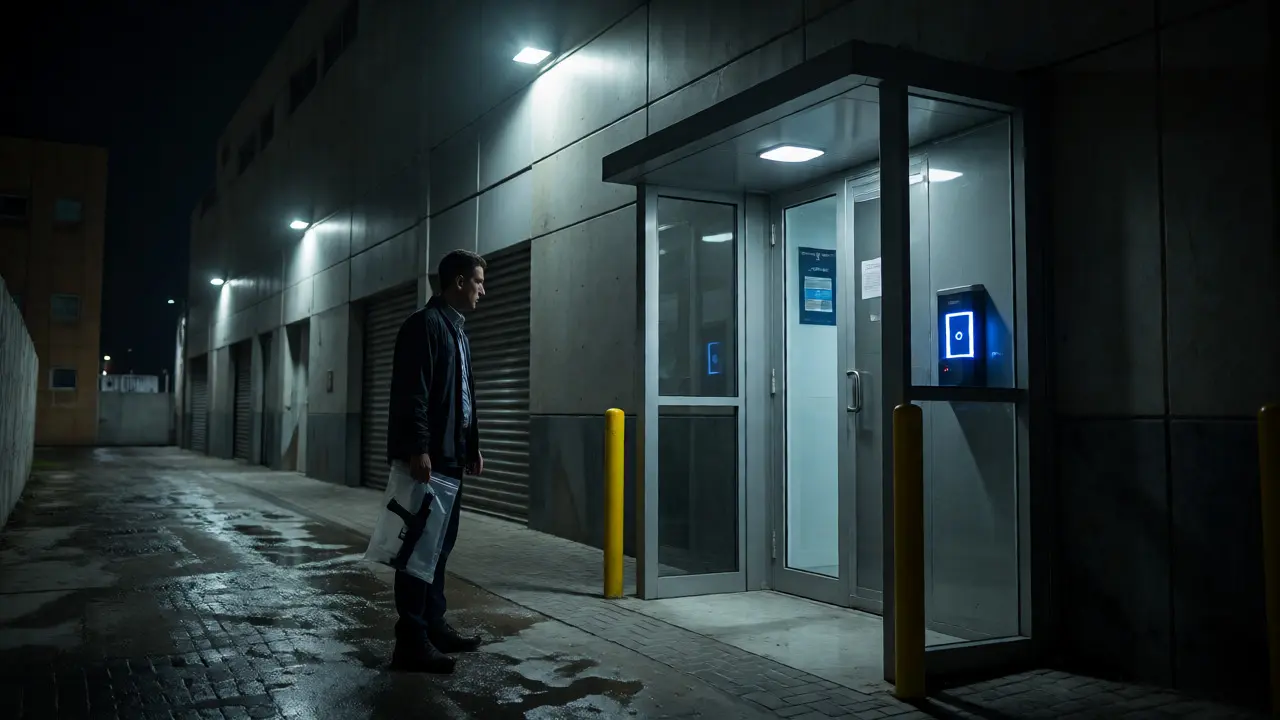
After-Hours Evidence Transfers: Security and Logging Best Practices
- By : Ian Brophy
- Date : Nov 4 2026
Learn how to secure after-hours evidence transfers. Discover best practices for logging, technology solutions, and chain of custody integrity during low-staff hours.
Federal Rules of Evidence: Rule 702 and Expert Testimony Explained
- By : Ian Brophy
- Date : Nov 4 2026
Understand how Rule 702 acts as the gatekeeper for expert testimony in federal courts. Learn the five requirements for admissibility, the impact of the Daubert standard, and practical strategies for surviving exclusion motions.
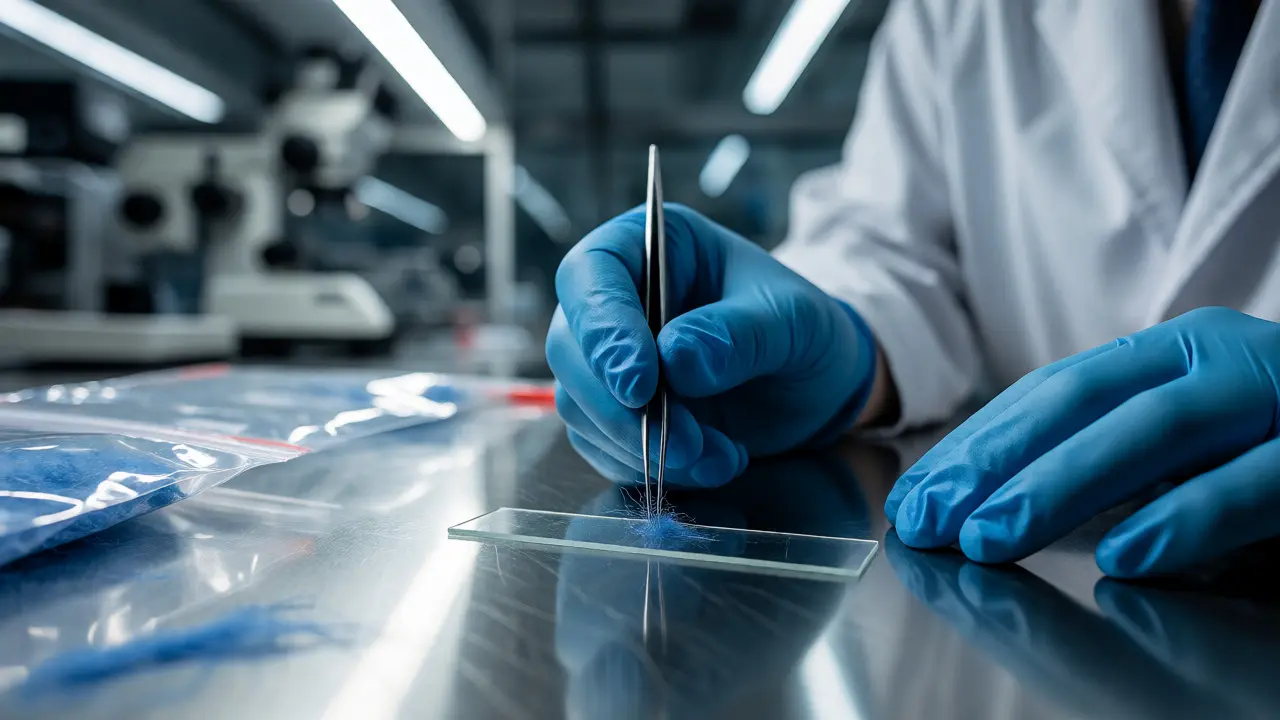
Microscopy in Trace Evidence Examination: A Forensic Guide
- By : Ian Brophy
- Date : Nov 4 2026
Discover how microscopy identifies and compares trace evidence like fibers, hair, and glass. Learn about key techniques including comparison microscopes and SEM, and understand their critical role in linking suspects to crime scenes beyond DNA.
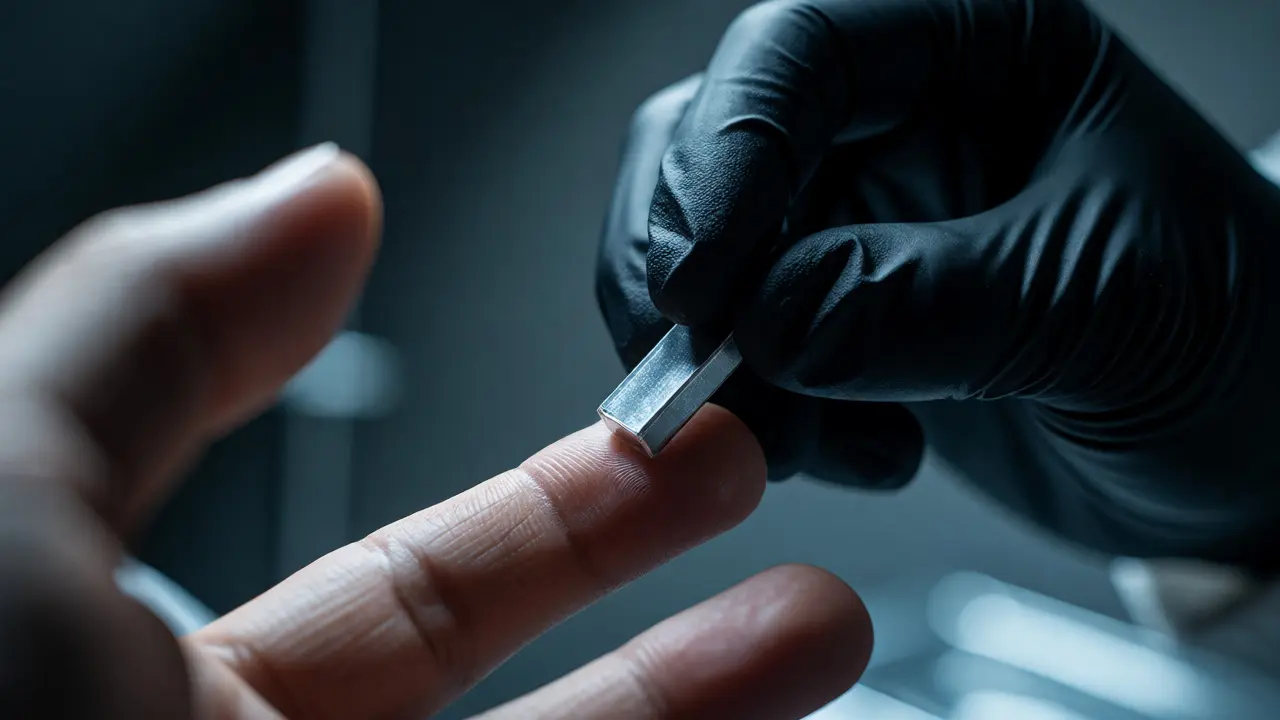
Gunshot Residue: Collection and Analysis Guide
- By : Ian Brophy
- Date : Nov 3 2026
Learn how forensic experts collect and analyze gunshot residue (GSR) to reconstruct shooting incidents. Discover why timing, collection methods, and SEM-EDX analysis are critical for accurate results.

DNA Analysis Accuracy: What the Science Really Says
- By : Ian Brophy
- Date : Nov 3 2026
Discover the real accuracy of forensic DNA analysis. Learn how STR profiling works, why 100% certainty is a myth, and how contamination affects results.
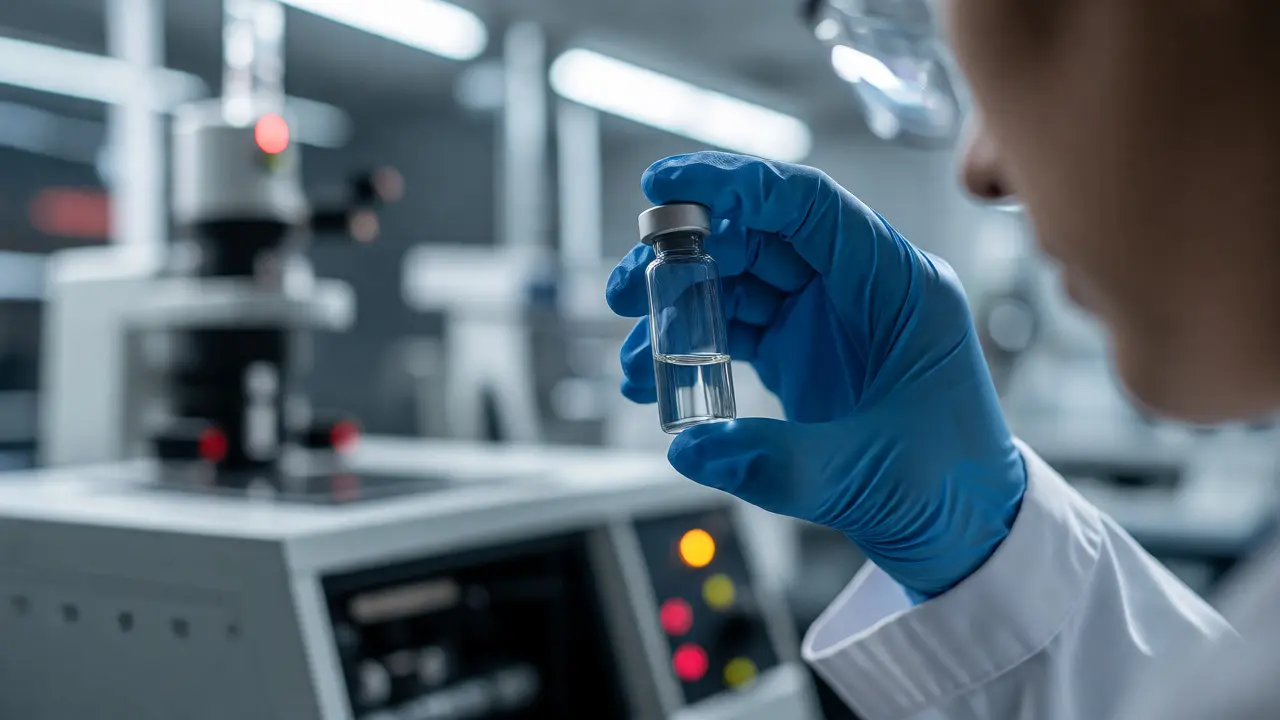
Synthetic Drug Testing: Detecting Novel Compounds and Analogs
- By : Ian Brophy
- Date : Nov 3 2026
Struggling to identify unknown compounds in drug samples? Learn how synthetic drug testing detects novel analogs using high-resolution mass spectrometry and dynamic libraries.