Imagine you walk into a room where a single shot was fired minutes ago. The air still holds the metallic tang of burnt powder. You look at the shooter’s hands, the victim’s clothing, and the walls. What you’re looking for isn’t just blood or shell casings-it’s invisible dust. This is Gunshot Residue, or GSR. It’s a complex mixture of particles that tells a story about who pulled the trigger, how close they were, and what kind of weapon was used.
For investigators and forensic scientists, getting this right is tricky. GSR is tiny, fragile, and easily lost. One wrong move during collection, and the evidence vanishes. This guide breaks down exactly how professionals collect, analyze, and interpret gunshot residue to solve crimes.
What Exactly Is Gunshot Residue?
Before we talk about collecting it, you need to know what you’re hunting for. When a gun fires, the primer ignites the propellant. This explosion creates heat and pressure, launching the bullet out of the barrel. But it also blasts out a cloud of vaporized metals and unburned particles.
This cloud settles on everything nearby. We categorize these particles based on their composition. The gold standard in forensics has long been the presence of lead (Pb), barium (Ba), and antimony (Sb). These three elements come from the primer cap. If you find particles containing all three, you have strong evidence of a recent discharge.
However, modern ammunition is changing the game. Many manufacturers now produce "lead-free" primers to protect shooters’ health and reduce environmental contamination. These often use potassium nitrate, strontium, or bismuth instead. This means relying solely on Pb-Ba-Sb might cause you to miss evidence in cases involving newer ammo types.
| Element | Source | Significance |
|---|---|---|
| Lead (Pb) | Primer, Bullet Jacket | Traditional marker; decreasing in usage due to lead-free ammo. |
| Barium (Ba) | Primer | Highly specific to firearms; rarely found in common environmental dust. |
| Antimony (Sb) | Primer, Bullet Core | Often paired with Lead; helps distinguish GSR from other industrial dust. |
| Strontium (Sr) | Lead-Free Primers | Becoming critical as non-toxic ammo gains popularity. |
| Carbon/Soot | Propellant Burn | Indicates proximity to the muzzle; forms the "tattooing" pattern. |
The Clock Is Ticking: Why Timing Matters
You can’t wait until tomorrow to swab a suspect’s hands. GSR doesn’t stay put. Studies show that up to 50% of particles are lost within two hours if the person washes their hands, touches things, or even moves around vigorously. By four to six hours, most detectable residue is gone.
This rapid loss creates a massive logistical challenge. If a suspect is arrested five hours after a shooting, the absence of GSR doesn’t prove innocence. It just means the evidence degraded. Investigators must act fast. Ideally, collection happens before the suspect leaves the scene or immediately upon booking. If they’ve already washed their hands, you’re likely chasing ghosts.
Collection Methods: Stubs vs. Swabs
How do you actually grab these microscopic particles? There are two main ways, and each has its place.
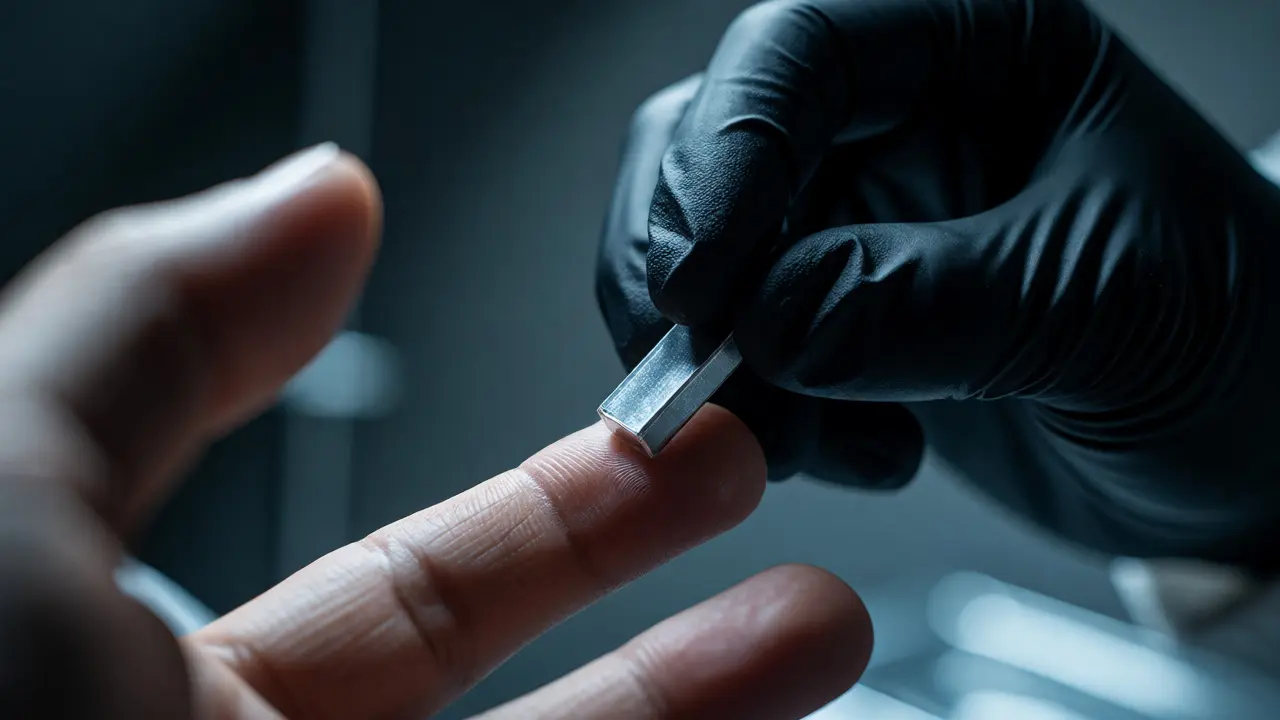
Adhesive Lifts (Stubs): This is the industry standard for hand sampling. You take a small aluminum stub coated with carbon adhesive tape. Press it firmly onto the webbing between the thumb and index finger, then onto the palm. Do this for both hands. The sticky surface grabs the particles without damaging them. This method is preferred because it preserves the morphology-the shape-of the particles. Shape matters. A spherical particle looks different from a flakey one, and that difference can tell you about the firing conditions.
Cotton Swabs: Here, you dampen a cotton-tipped applicator with deionized water and rub it over the skin. This is better for detecting dissolved ions rather than solid particles. It’s less effective for identifying the unique shapes of GSR but useful if you’re looking for specific chemical signatures like nitrites. However, swabs can smear particles together, making individual identification harder under a microscope.
For clothing, the approach changes. You don’t want to lift off the fabric fibers. Instead, you cut out sections of the garment near suspected entry wounds or muzzle contact points. These pieces go directly into the lab for analysis.
Lab Analysis: Seeing the Invisible
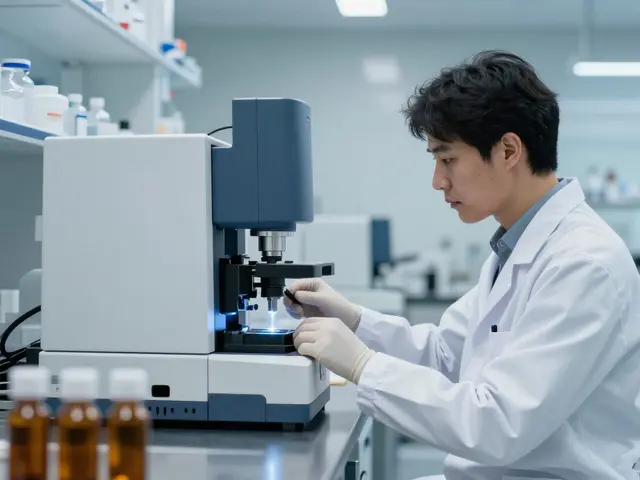
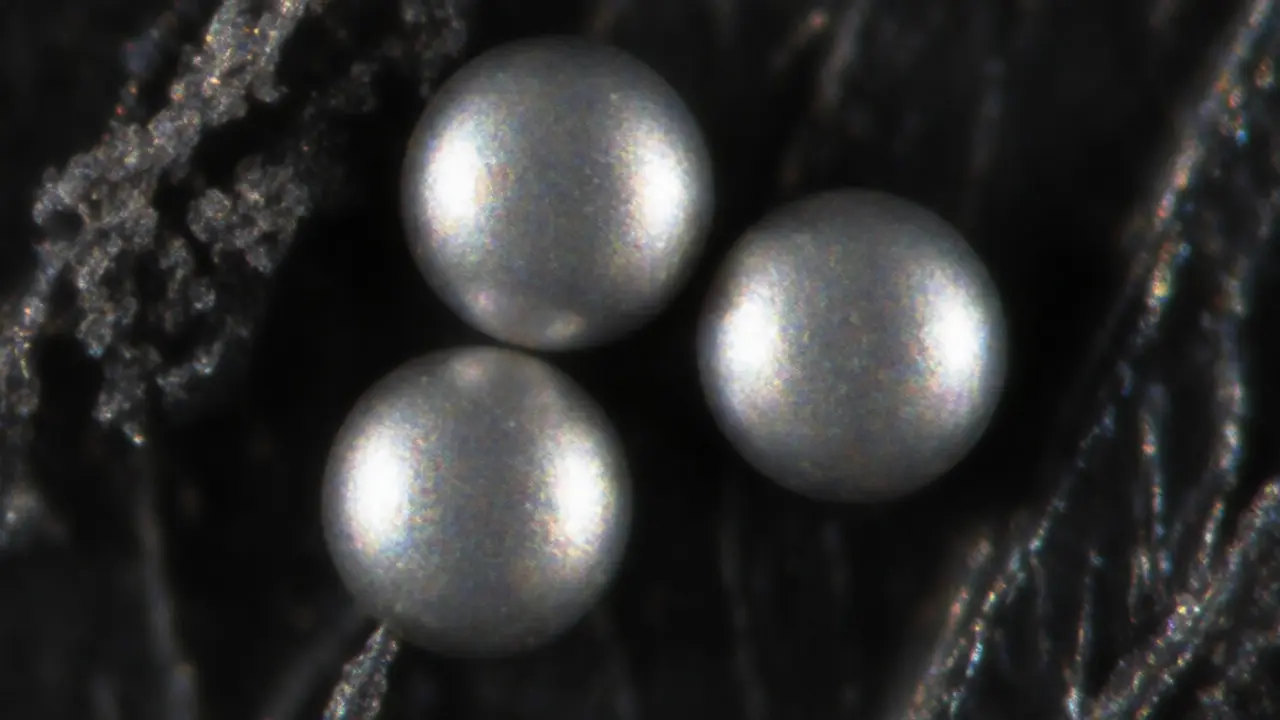
Once the samples arrive at the lab, human eyes aren’t enough. We need machines that can see atoms. The primary tool here is Scanning Electron Microscopy with Energy Dispersive X-ray Spectroscopy, commonly known as SEM-EDX. This technique allows analysts to visualize particles at high magnification and determine their elemental composition simultaneously.
Here’s how it works: The electron beam scans the sample. When it hits a particle, it knocks electrons loose. The detector measures the energy of those emitted electrons to identify which elements are present. It’s precise. It can spot a particle that is 1 micrometer wide-about 1/50th the width of a human hair-and tell you it contains barium and antimony.
Why not use simpler methods like Atomic Absorption Spectroscopy (AAS)? AAS gives you an average concentration of elements in a whole sample. It tells you, "This swab has 50 nanograms of lead." But it doesn’t tell you if that lead came from a bullet or from working in a battery factory. SEM-EDX looks at *individual* particles. It confirms that a specific speck contains the exact triad of Pb-Ba-Sb, linking it directly to a firearm discharge.
Interpreting the Results: Context Is King
Finding GSR is not a smoking gun-or rather, it’s not proof of guilt by itself. False positives are real. People work in industries where they handle brake linings, fireworks, or certain paints. Brake dust, for instance, often contains copper, iron, and sometimes antimony. Fireworks leave behind barium and strontium. If you test someone’s hands after they’ve been setting off firecrackers, you might get a positive result for GSR-like particles.
This is why context matters more than the raw data. Did the suspect touch a steering wheel? Did they hold a railing? Did they shake hands with someone else? Each interaction transfers particles away or adds new ones. Forensic experts look for the pattern of distribution. High concentrations on the dominant hand’s webbing suggest holding a gun. Even distribution across both palms might suggest handling something else entirely.
Also, consider the background levels. In urban environments, especially near highways, ambient lead levels are higher due to historical gasoline use and current brake wear. Labs establish baseline counts for their region. If your sample has 3 characteristic particles, but the local background is 2, that’s weak evidence. If you find 50, that’s significant.

Limitations and Common Pitfalls
Don’t let TV shows mislead you. CSI never says, "The computer matched the GSR to the specific gun." That’s fiction. GSR cannot link a particle to a specific serial number on a firearm. It can only indicate that a gun was fired recently.
Another major pitfall is contamination. If you open a box of old shell casings in the same room where you’re storing clean swabs, you might contaminate your negative controls. Always store GSR kits in sealed plastic bags until the moment of use. Wear gloves when handling kits. Your own sweat and oils can affect adhesion.
Finally, remember the legal burden. Defense attorneys will attack GSR evidence by highlighting false positives. They’ll ask, "Could this be from his job at the welding shop?" Be prepared to explain why the morphology rules out welding slag. Welding produces irregular, jagged particles, whereas GSR tends to form spherical droplets from molten metal cooling rapidly in the air.
Next Steps for Investigators
If you’re collecting evidence, follow this checklist:
- Act Immediately: Collect before washing or excessive movement.
- Use Proper Kits: Ensure adhesive stubs are fresh and not expired.
- Sample Correct Areas: Focus on the webbing of the thumb and index finger.
- Control Contamination: Keep kit surfaces covered until use.
- Document Everything: Note time since shooting, hand-washing history, and occupation.
GSR remains a vital piece of the puzzle. It won’t convict someone alone, but combined with witness statements, video footage, and ballistic matching, it strengthens the narrative of what happened. Treat every particle with care, because once it’s gone, it’s gone forever.
Can gunshot residue be detected days after a shooting?
Generally, no. On hands, GSR is typically lost within 4 to 6 hours due to natural shedding of skin cells and daily activities. On clothing, it can last longer if the garment is not washed, potentially remaining for several days or weeks depending on fabric type and storage conditions.
Does wearing gloves prevent gunshot residue transfer?
Wearing gloves significantly reduces GSR deposition on the skin underneath. However, particles can still accumulate on the outside of the glove. If the investigator removes the glove improperly, they might transfer residue to the suspect's hands or lose evidence from the glove surface. Proper protocol involves cutting the glove off carefully and bagging it separately.
What is the difference between Class 1 and Class 2 GSR?
Class 1 particles contain the classic triad of lead, barium, and antimony, originating from the primer. Class 2 particles contain only two of these elements or include other heavy metals like bismuth or strontium, often associated with lead-free ammunition or partial combustion products. Modern standards increasingly recognize Class 2 particles as valid indicators of firearm discharge.
Can cleaning agents remove gunshot residue?
Yes, solvents and detergents can dissolve or dislodge GSR particles. Alcohol wipes, soap, and even sweat can degrade the evidence. This is why suspects should avoid washing their hands or using sanitizers before being sampled. If cleaning occurred, the likelihood of recovering sufficient particles drops dramatically.
Is gunshot residue harmful to humans?
While GSR contains toxic heavy metals like lead, the amount deposited on hands during a single shooting event is generally considered low risk for acute toxicity. However, chronic exposure for indoor range operators or law enforcement officers who handle large volumes of ammunition can pose health risks. Proper ventilation and hygiene practices are recommended for frequent handlers.