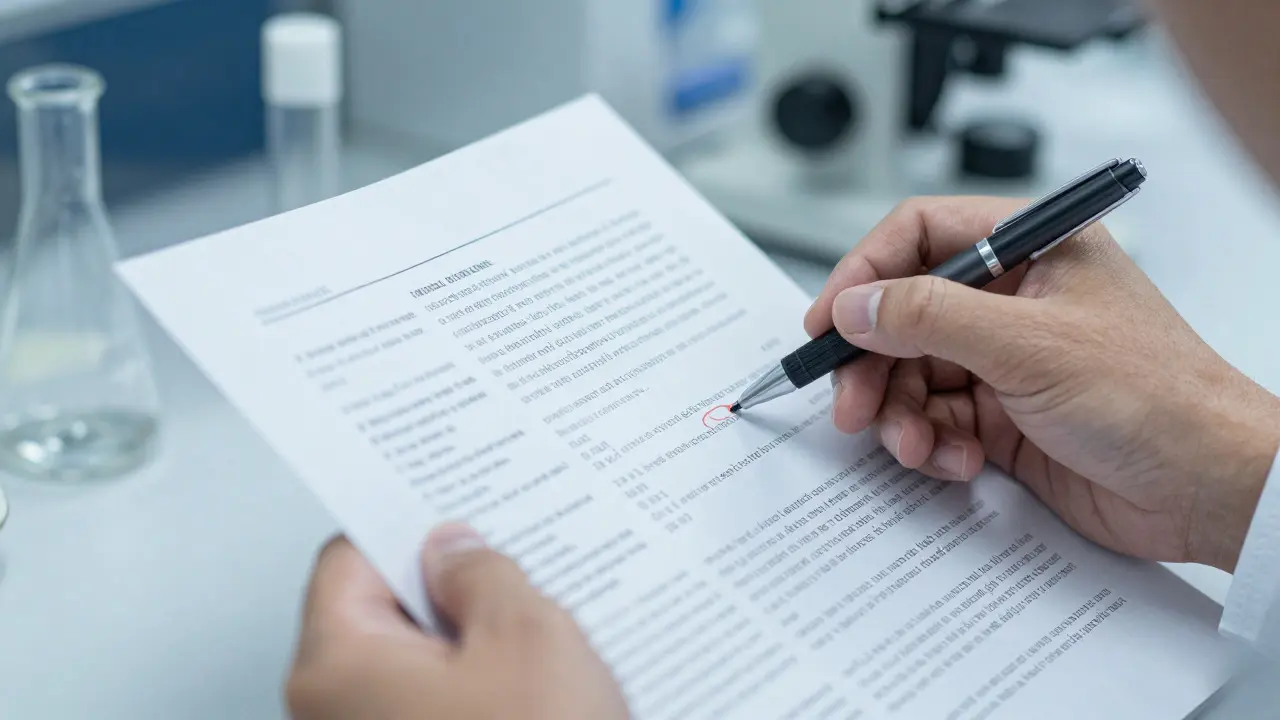
Imagine you are reviewing a final forensic report and spot a typo in the sample ID. It’s a small thing, right? Wrong. In the world of forensic reporting is the formal documentation of scientific findings used in legal proceedings., every character matters. One misplaced digit can turn a decisive piece of evidence into a liability. The confusion between making a simple correction and issuing a formal amendment is one of the most common pitfalls for lab managers and analysts alike.
Getting this wrong doesn’t just look unprofessional; it risks invalidating your entire case file. Courts scrutinize these documents with a microscope. If you change a number without leaving a trace, you risk accusations of tampering. If you issue a full amendment for a missing period, you clutter the record with noise that distracts from the real science. This guide breaks down exactly when to use which method, how to document it so it stands up to cross-examination, and how to keep your workflow efficient without sacrificing accuracy.
The Critical Difference Between Revisions and Amendments
First, let’s clear up the terminology because it varies by organization. Generally, a revision refers to updating the format, style, or minor errors in a draft before it is finalized. An amendment (or addendum) is a formal change made to a report that has already been issued or signed off. However, many labs use "revision" for any post-issuance change. To avoid ambiguity, we will focus on the action: correcting an error after the report leaves the analyst's desk.
The core distinction lies in the impact on the data. Does the change alter the conclusion, the quantitative result, or the interpretation of the evidence? If yes, it’s a significant change requiring strict documentation. If no, it’s a clerical fix. Understanding this threshold saves hours of administrative bloat and keeps the legal record clean.
- Clerical Errors: Typos, misspellings, formatting issues, or incorrect page numbers. These do not affect the scientific validity.
- Data Corrections: Changing a measured value, fixing a calculation error, or correcting a unit of measurement. These affect the results but may not change the final conclusion.
- Interpretive Changes: Altering the opinion, adding new context, or changing the final verdict based on new information. These require the highest level of scrutiny.
Why Documentation Matters More Than the Correction
You might think, "If I just fix the typo, who cares?" But in a courtroom, the question isn't "Is it fixed?" It's "How did it get fixed, and who authorized it?" Transparency is your best defense against claims of bias or negligence. Every change must be traceable. This means you need a system that records who made the change, when it was made, why it was necessary, and what the original text said.
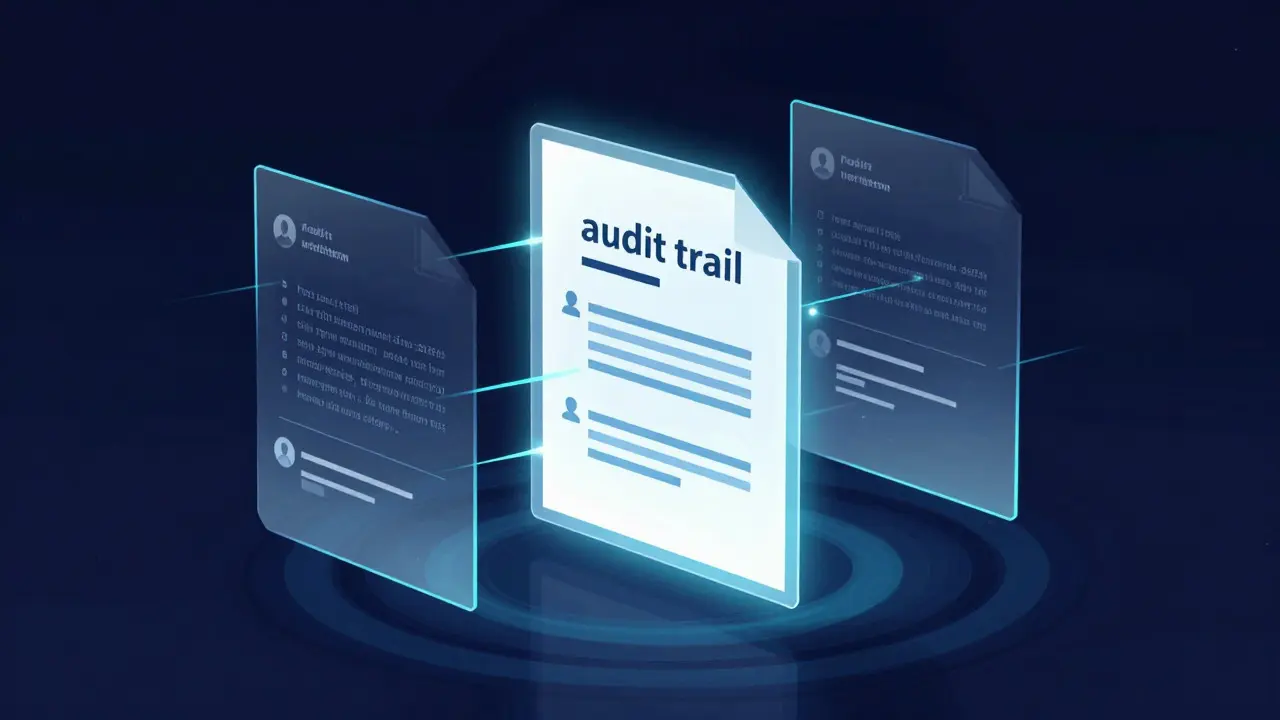
Think of it like editing a photo. You don’t just erase a smudge; you keep the layer history. In forensics, this history is often called an audit trail. Without it, a defense attorney can argue that the lab changed the numbers to fit the prosecution's narrative. With a robust audit trail, you prove that the correction was honest, timely, and properly reviewed.
Step-by-Step Process for Correcting Reports
Here is a practical workflow that balances speed with compliance. Whether you are using digital laboratory information management systems (LIMS) or paper-based logs, the logic remains the same.
- Identify the Error: Determine if the mistake is clerical or substantive. Ask yourself: "Does this change the outcome?"
- Freeze the Original: Ensure the original report version is locked or archived. Never overwrite the source document.
- Draft the Correction: Make the change in a controlled environment. Use redlines or track changes if working digitally.
- Review and Approve: A second person-usually a supervisor or lead scientist-must review the change. For major data corrections, peer review is mandatory.
- Issue the Amendment: Create a separate document or clearly marked section detailing the change. Do not silently swap the PDFs.
- Notify Stakeholders: Send the corrected report to all parties who received the original, including the court clerk and opposing counsel, as required by local rules.
This process ensures that no stone is left unturned. It also creates a natural checkpoint where errors can be caught before they reach the judge.
Best Practices for Clarity and Compliance
When writing the actual amendment text, keep it concise. Don’t restate the entire report. Just state what changed. For example: "On August 10, 2026, the concentration of Substance X in Sample #402 was corrected from 12.5 mg/L to 12.55 mg/L due to a transcription error. The conclusion remains unchanged."
Use consistent naming conventions. If you call it "Amendment No. 1," stick with that. Avoid vague terms like "Updated Version." Specificity builds trust. Also, date-stamp everything. The timestamp should reflect when the change was approved, not just when it was typed.
Consider using digital signatures. They provide cryptographic proof of identity and time, reducing the risk of dispute. Most modern LIMS platforms support this natively. If you are still using paper, ensure wet-ink signatures are scanned immediately to prevent loss or degradation.
Common Pitfalls to Avoid
Even experienced professionals make mistakes. Here are the traps that catch people off guard:
- The Silent Swap: Replacing the original PDF with a new one without telling anyone. This is the fastest way to lose credibility.
- Over-Amending: Issuing a formal amendment for a comma. It looks like you are hiding something important by burying it in paperwork.
- Lack of Peer Review: Allowing the analyst who made the error to approve their own fix. Always have a second pair of eyes.
- Ignoring Chain of Custody: Forgetting to update the custody log if the physical sample was re-analyzed during the correction process.
Avoiding these pitfalls requires culture, not just software. Train your team to view corrections as a normal part of scientific rigor, not a sign of failure.
Comparison of Correction Methods
To help you decide which approach fits your situation, here is a breakdown of the typical methods used in forensic labs.
| Method | Best For | Risk Level | Documentation Requirement |
|---|---|---|---|
| Internal Note | Draft stage only | Low | Minimal; internal log |
| Redline Document | Minor clerical fixes | Medium | Side-by-side comparison |
| Formal Amendment | Data or interpretive changes | High (if done poorly) | Full audit trail, peer review |
| New Report Version | Major re-analysis | Very High | Complete re-validation, new signature |
Notice how the risk increases as the complexity of the change grows. Match your documentation effort to the risk level. Don’t over-engineer a typo fix, but don’t under-document a data correction either.
Frequently Asked Questions
Do I need to notify the court for every small typo?
Usually, no. Minor clerical errors that do not affect the meaning or results can often be corrected internally with a note in the lab log. However, if the report has already been filed with the court, check local rules. Some jurisdictions require notice for any change, while others allow silent corrections for obvious typos. When in doubt, err on the side of transparency.
What is the difference between an addendum and an amendment?
An addendum adds new information without changing existing content. An amendment changes existing content. For example, adding a new photo to the report is an addendum. Changing the weight of a substance in the results table is an amendment. Both require documentation, but amendments carry higher scrutiny because they modify established facts.
How long should I keep the original report after amending it?
Keep it for the duration of the case plus the statutory retention period, which is often 7 to 10 years depending on the jurisdiction and type of case. The original serves as proof that the change was intentional and documented. Discarding it prematurely can raise questions about integrity.
Can an analyst correct their own report?
They can initiate the correction, but they should not approve it alone. Best practice requires a secondary review by a supervisor or another qualified analyst. This separation of duties reduces the risk of bias and demonstrates quality control adherence to standards like ISO 17025.
What if the error is discovered after the trial has started?
This is a high-stakes scenario. Immediately inform the presiding judge and both legal teams. Provide the original report, the amended report, and a detailed explanation of the discovery timeline. Failure to disclose promptly can lead to sanctions or mistrials. Speed and honesty are critical here.