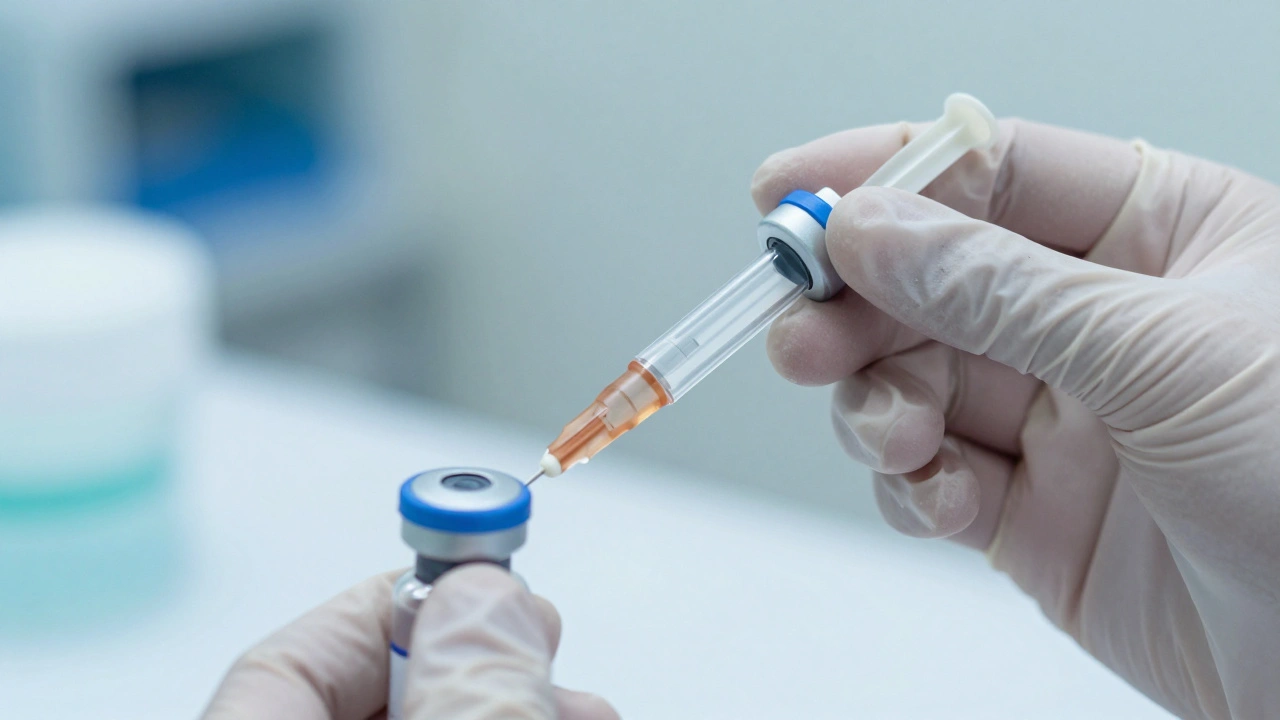
You might think that because you aren't a surgeon or an ER nurse, the risk of catching a serious disease from blood is low. That assumption can be dangerous. Bloodborne pathogens are infectious microorganisms in human blood that can cause disease in humans, and they pose a real threat to anyone who handles biological waste, works in first response, or even cleans up after a crime scene.
We’re talking about viruses like Hepatitis B (HBV), Hepatitis C (HCV), and HIV. These aren’t just abstract medical terms; they are biological agents that can survive outside the body for varying periods and enter your system through tiny, often invisible breaks in your skin. Understanding how they spread and how to stop them isn't just about following rules-it's about protecting your long-term health.
What Exactly Are Bloodborne Pathogens?
To understand the risk, you have to know what you're dealing with. The U.S. Occupational Safety and Health Administration (OSHA) defines these pathogens specifically as infectious microbes found in human blood. While many people focus on HIV, the reality is that Hepatitis B and Hepatitis C are actually far more common and, in some cases, easier to transmit in occupational settings.
- Hepatitis B (HBV): This virus attacks the liver and can lead to chronic infection, cirrhosis, or liver cancer. It is incredibly hardy and can survive on surfaces for at least seven days. If the source patient has high viral loads (specifically if they are HBeAg-positive), HBV is about 100 times more likely to be transmitted than HIV after a needlestick injury.
- Hepatitis C (HCV): Also causing liver damage, HCV is roughly six times more transmissible than HIV per exposure event. Unlike HBV, there is no vaccine for it, making prevention critical.
- HIV: While widely feared, HIV is actually the least stable of the three outside the body and has the lowest transmission rate per specific exposure event (about 0.3% for a percutaneous injury). However, the consequences of infection are severe, requiring lifelong management.
These pathogens don't just live in blood. OSHA uses the term "Other Potentially Infectious Materials" (OPIM) to cover body fluids that may contain blood, such as semen, vaginal secretions, cerebrospinal fluid, and any fluid visibly contaminated with blood. If you see it, treat it as hazardous.
How Do You Actually Get Exposed?
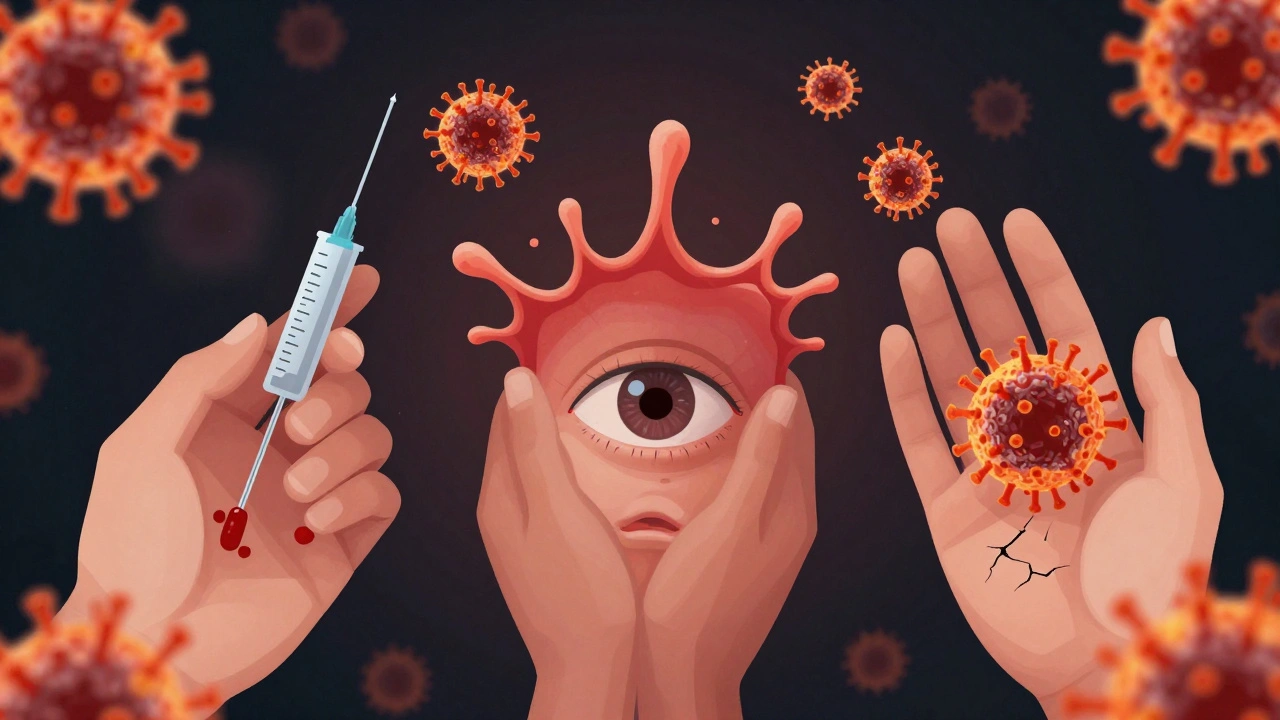
Transmission doesn't happen by simply touching a dry surface. For a pathogen to infect you, it needs a way into your bloodstream. There are three main routes of entry that every worker in biohazard cleanup or healthcare must recognize.
- Percutaneous Injuries: This is the biggest risk. A needlestick, a cut from broken glass, or a puncture from a scalpel allows infected blood to go directly into your tissue. Even a small volume of blood-less than what fits on a pinhead-can carry enough virus to cause infection.
- Mucous Membrane Contact: If blood or OPIM splashes into your eyes, nose, or mouth, the thin membranes there can absorb the virus. This often happens during procedures involving suctioning, cleaning wounds, or when sharps containers are overfilled and spill.
- Non-Intact Skin: Intact skin is a great barrier. But if you have cuts, abrasions, eczema, or hangnails, those breaches become open doors for pathogens. Washing hands vigorously until they are raw defeats the purpose of hygiene.
It’s important to note that casual contact-shaking hands, hugging, or sharing utensils-does not transmit these diseases. The risk is strictly tied to exposure to blood or specific body fluids entering the body.
The Hidden Dangers in Biohazard Cleanup
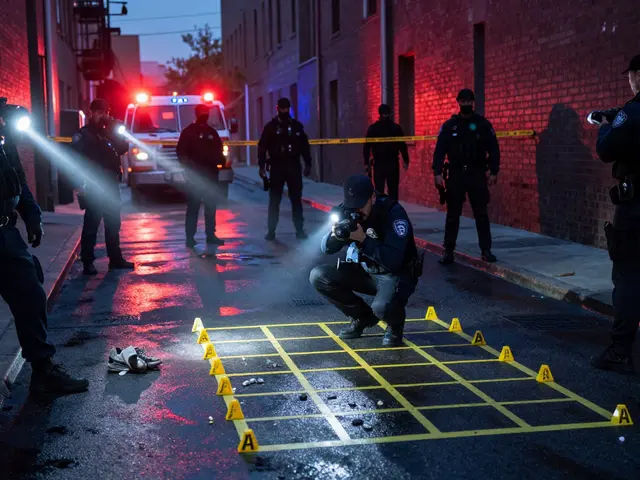
If you work in biohazard remediation, crime scene cleanup, or disaster response, your environment is unpredictable. Unlike a hospital where protocols are rigid, cleanup sites often involve uncontrolled scenes with unknown histories.
One major risk factor is the presence of hidden sharps. Needles, broken bottles, or razor blades can be buried under debris, soaked in fluids, or hidden in clothing. When you are bagging waste or sweeping up particulate matter, a single slip can result in a deep puncture wound. Furthermore, aerosolization is a concern. Using high-pressure sprayers or aggressive scrubbing techniques can turn liquid blood into a mist, increasing the risk of inhalation or mucous membrane exposure.
Another issue is cross-contamination. If you remove your gloves improperly or touch your face while wearing contaminated gear, you transfer the pathogen from the scene to yourself. Many workers underestimate how easily they can contaminate their own PPE during removal (doffing), which is often when accidents happen.
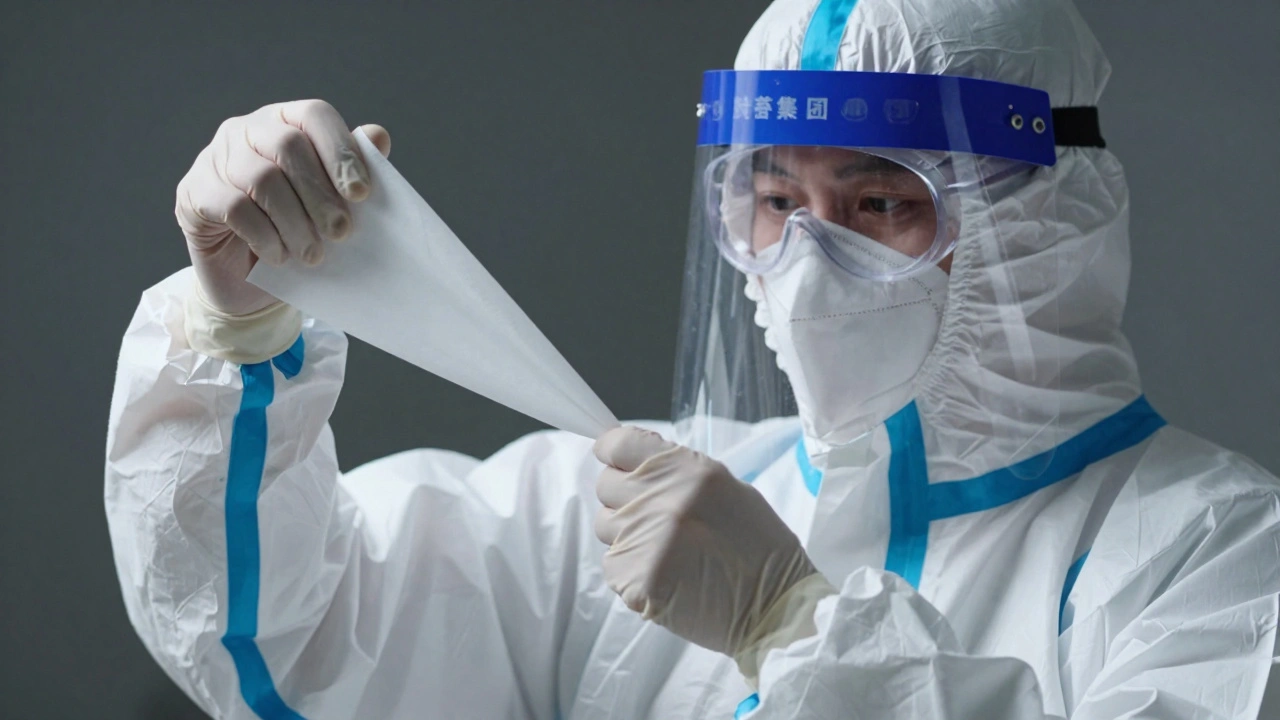
Prevention: Engineering Controls and Safe Practices
Stopping transmission starts before you ever touch the hazard. OSHA’s Bloodborne Pathogens Standard (29 CFR 1910.1030), established in 1991 and updated after the Needlestick Safety and Prevention Act of 2000, mandates a hierarchy of controls. The goal is to eliminate the hazard physically rather than relying solely on human behavior.
| Control Type | Examples | Effectiveness |
|---|---|---|
| Engineering Controls | Safety-engineered needles (retractable), self-shearing devices, puncture-resistant sharps containers | High - Removes the hazard at the source |
| Work Practice Controls | No recapping needles, proper hand hygiene, safe disposal protocols | Medium - Relies on consistent human behavior |
| Personal Protective Equipment (PPE) | Gloves, gowns, face shields, respirators | Variable - Last line of defense, depends on fit and integrity |
Sharps containers are your best friend. They must be puncture-resistant, leak-proof, and labeled clearly. Never overfill them-the lid must close completely. If you have to force a needle in, you are risking a stick. Use safety devices whenever possible; retractable needles significantly reduce injury rates compared to standard ones.
Your Personal Shield: PPE and Hygiene
When engineering controls can't remove the risk, you wear armor. But PPE only works if used correctly.
- Gloves: Wear them anytime you anticipate contact with blood or OPIM. Change them immediately if torn or contaminated. Never wash and reuse disposable gloves.
- Eye and Face Protection: Goggles or face shields protect against splashes. Regular glasses do not provide adequate side protection.
- Gowns: Fluid-resistant gowns prevent contamination of your clothes and skin. Remove them carefully to avoid shaking off contaminants.
- Hand Hygiene: Wash your hands with soap and water for at least 20 seconds after removing gloves. If soap isn't available, use an alcohol-based sanitizer with at least 60% alcohol. Note: Alcohol sanitizers do not kill all spores or effectively clean visibly dirty hands, so washing is preferred when soil is present.
Vaccination is another critical layer. The Hepatitis B vaccine series is highly effective and recommended for all workers at risk. It provides long-term immunity and is one of the most successful public health interventions in history. There is no vaccine for HCV or HIV, making prevention via PPE and safe practices even more vital for those.
What to Do If Exposure Happens
Despite your best efforts, accidents occur. If you get stuck by a needle, cut by a sharp, or get blood in your eyes or mouth, act immediately. Time is tissue, and in this case, time is treatment.
- Stop the Procedure: Step away from the task to assess the injury.
- Clean the Area: Wash needlesticks and cuts with soap and water. Flush splashes to the nose, mouth, or skin with water. Irrigate eyes with clean water, saline, or sterile irrigants.
- Report It: Notify your supervisor immediately. Do not wait. Documentation is required for legal and medical reasons.
- Seek Medical Evaluation: Go to an emergency room or occupational health clinic. Bring details about the source patient if known (e.g., HIV/HBV status).
Post-exposure prophylaxis (PEP) can prevent infection if started quickly. For HIV, PEP should begin within hours, ideally within 1-2 hours, and continue for 4 weeks. For HBV, PEP includes vaccination and possibly immune globulin, depending on your vaccination history. For HCV, there is no proven PEP, but early monitoring and testing allow for prompt treatment if infection occurs, which can now cure over 95% of cases with modern antivirals.
Why Compliance Matters Beyond the Law
OSHA requires employers to have a written Exposure Control Plan, provide training annually, and offer free HBV vaccinations. But beyond avoiding fines, compliance saves lives. The data shows that since the implementation of stricter safety standards and the adoption of safer devices, needlestick injuries have dropped significantly. However, complacency creeps in. Workers who feel "invincible" skip steps. They recap needles. They leave gloves on too long.
Remember, bloodborne pathogens don't discriminate. They affect doctors, janitors, EMTs, and cleanup technicians equally. By respecting the hazard, using your equipment correctly, and speaking up about unsafe conditions, you protect not just yourself, but everyone around you.
How long can bloodborne pathogens survive outside the body?
Survival times vary by virus and environmental conditions. HIV is fragile and typically dies within hours when exposed to air, though it can survive longer in syringes. Hepatitis B is much harder, capable of surviving on surfaces for at least 7 days and still causing infection. Hepatitis C can also survive outside the body for extended periods, potentially up to weeks under certain conditions, depending on temperature and humidity.
Is there a vaccine for Hepatitis C or HIV?
Currently, there are no vaccines available for Hepatitis C or HIV. The only vaccine among the major bloodborne pathogens is for Hepatitis B, which is highly effective and routinely administered to healthcare workers and others at risk. This makes strict adherence to safety protocols even more critical for preventing HCV and HIV transmission.
What should I do if I accidentally touch blood with intact skin?
If your skin is truly intact (no cuts, scrapes, or open pores), the risk of transmission is negligible. However, you should still wash the area thoroughly with soap and water as a standard hygiene practice. If you have any doubt about the integrity of your skin, or if the contact was prolonged, treat it as a potential exposure and consult your occupational health provider.
Does OSHA require annual bloodborne pathogen training?
Yes, OSHA’s Bloodborne Pathogens Standard (29 CFR 1910.1030) requires that employees receive initial training upon assignment and annual refresher training thereafter. Training must also be provided whenever new tasks or procedures affect the employee's occupational exposure. Employers must document this training.
Can you get bloodborne pathogens from dried blood?
The risk is lower with dried blood compared to fresh, wet blood, but it is not zero. Viruses like Hepatitis B can remain infectious in dried blood for several days. If dried blood comes into contact with a break in your skin or mucous membranes, transmission is possible. Always treat visible blood, whether wet or dry, as a potential hazard and use appropriate PPE.