Imagine handing over a hard drive to a detective. If you don't document exactly who touched it, when they touched it, and what they did with it, that drive is worthless in court. This is the core problem chain of custody solves. In the digital world, where data can be altered without leaving a physical trace, maintaining an unbroken record of evidence handling is not just good practice-it's the difference between a conviction and a mistrial. Without a rigorous process, even the most sophisticated forensic analysis can be thrown out because the jury doesn't trust the source.
Why Digital Evidence Is Different from Physical Items
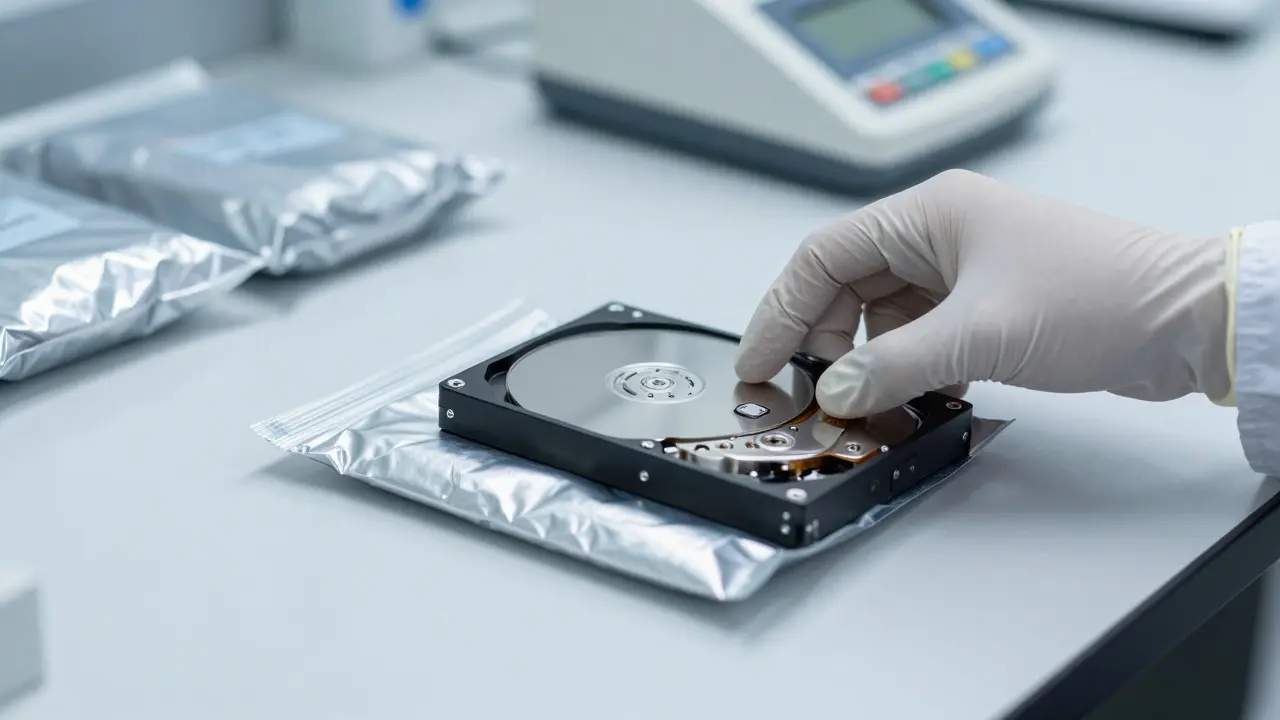
Physical evidence like a fingerprint or a bullet leaves tangible marks. Digital evidence, however, exists as bits and bytes that are easily copied, modified, or deleted. When you plug a USB drive into a computer, the operating system might write metadata to it, changing its state. To prevent this, investigators rely on a method of creating a bit-for-bit copy of a storage device that ensures the original remains untouched known as forensic imaging. The goal is to work only with the copy, keeping the original sealed in an anti-static bag until trial. If the original changes, the defense attorney will argue that the evidence was tampered with, regardless of whether the actual data was altered.
The Core Components of a Valid Chain
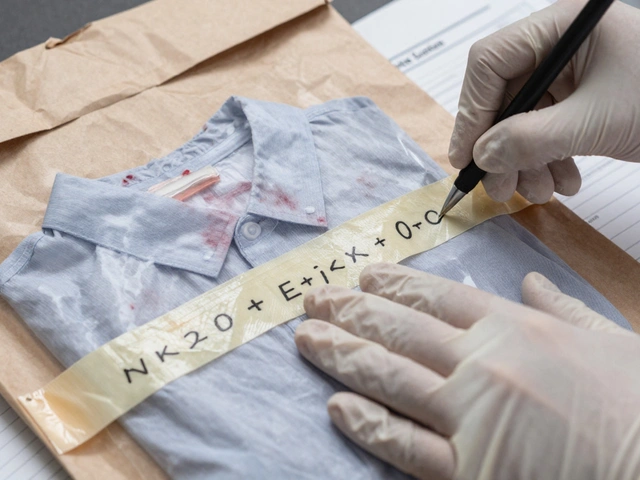
A valid chain of custody consists of four non-negotiable elements. First, you need a unique identifier for every piece of evidence, such as a barcode or case number. Second, every transfer of possession must be logged with the name of the person giving it up and the person receiving it. Third, the time and date of each transaction must be recorded accurately. Fourth, the reason for the transfer must be stated-for example, "for hashing" or "for expert examination." Missing any one of these links breaks the chain. Courts look for continuity; if there is a gap where no one accounted for the evidence for two hours, that gap becomes a target for cross-examination.
Step-by-Step Process for Handling Digital Media
Handling digital media requires a specific sequence to minimize risk. Here is how professionals typically manage the workflow:
- Isolate the Device: Once collected, place the device in a Faraday bag or disconnect it from networks immediately. This prevents remote wiping or cloud synchronization from altering data.
- Document Initial State: Photograph the device, noting serial numbers, ports, and any visible damage. Record the power state (on or off) before touching it.
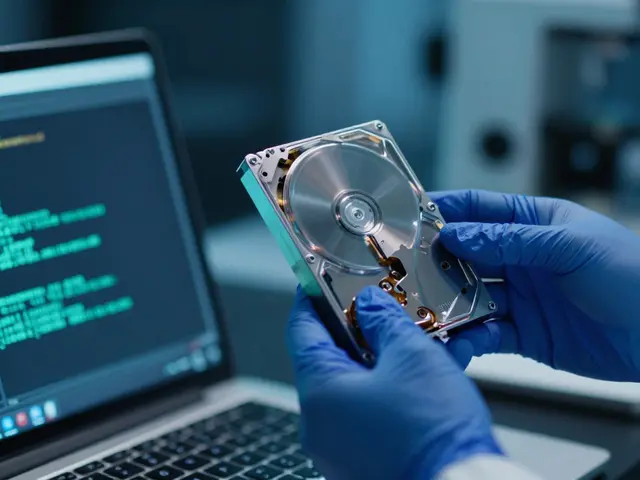
- Create the Image: Use a write-blocker hardware tool to connect the drive to a workstation. Create a forensic image using a standard format like E01 or DD. This step ensures the original drive is never written to.
- Verify Integrity: Calculate a cryptographic hash (such as SHA-256) of both the original drive and the new image. If the hash values match, the image is a perfect clone. If they differ, the image is corrupted and must be redone.
- Log Every Action: From the moment the image is created to the final report, log who accessed the file, when, and what software was used.
The Role of Hash Verification in Court
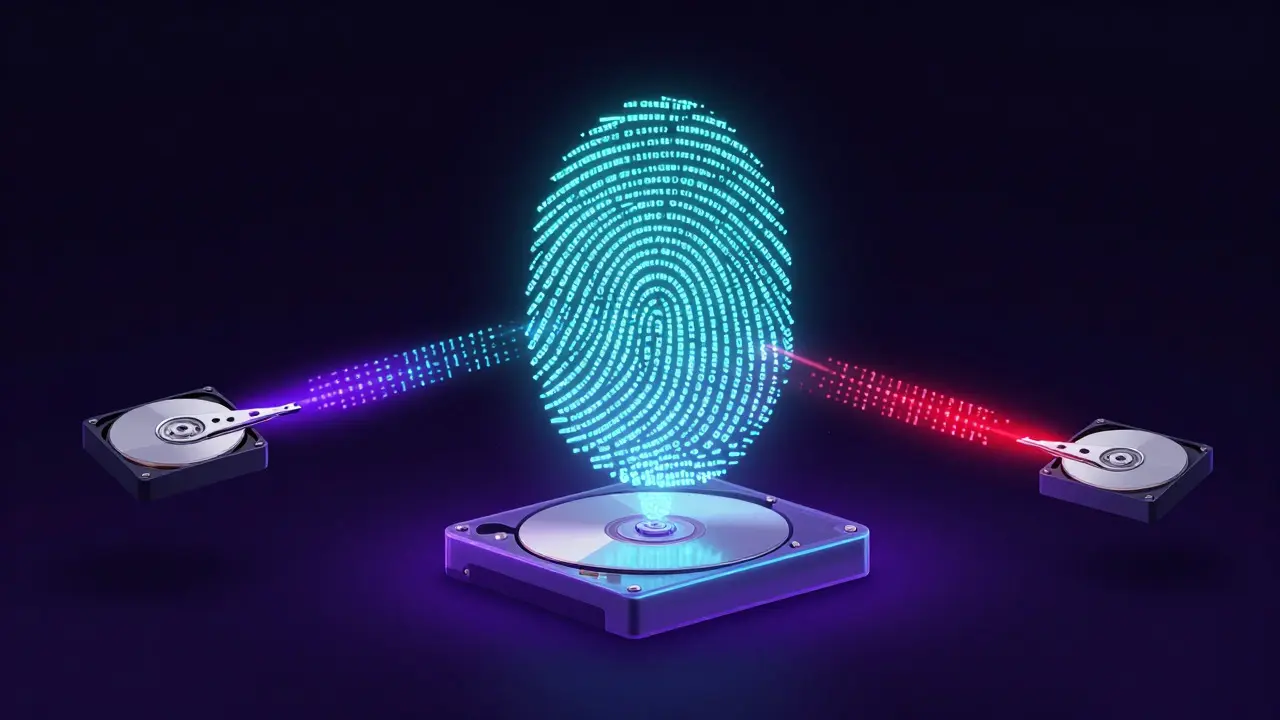
Hash verification is the technical backbone of digital evidence integrity. Think of a hash value like a digital fingerprint. It is a fixed-length string of characters generated from the data. Even a single bit change in the file results in a completely different hash. During testimony, experts often re-hash the evidence years later to prove it hasn't changed since the initial collection. This mathematical proof is far more convincing to a judge than a simple statement saying "I kept it safe." Most modern forensics labs use SHA-256 because it offers a balance of speed and security, though MD5 is still recognized in many jurisdictions for legacy cases.
Common Pitfalls That Break the Chain
Even experienced investigators make mistakes that jeopardize cases. One frequent error is failing to seal the original evidence after imaging. If the original drive sits on a desk unattended, the defense can claim someone swapped it. Another pitfall is using consumer-grade USB hubs without write-blocking capabilities, which can inadvertently write data to the source drive. Additionally, poor documentation is a major issue. Vague notes like "checked by John" are weak compared to "John Doe transferred to Lab Technician Sarah Smith at 14:00 UTC for RAM extraction." Specificity builds credibility; vagueness invites doubt.
| Aspect | Physical Evidence | Digital Evidence |
|---|---|---|
| Primary Risk | Contamination or loss | Unintentional modification or corruption |
| Verification Method | Visual inspection and witness testimony | Cryptographic hash comparison |
| Storage Requirement | Secure cabinet or locker | Anti-static bag, Faraday pouch, or encrypted server |
| Transfer Documentation | Signature and timestamp | Signature, timestamp, and hash value confirmation |
Legal Standards and Admissibility
In the United States, the Federal Rules of Evidence require that evidence be authenticated. For digital items, this means proving that the exhibit presented in court is the same item found at the scene. Daubert hearings may be requested by the defense to challenge the scientific validity of the methods used. To survive these challenges, your chain of custody must align with industry standards set by organizations like the Society of Forensic Science (AFS) or ISO 17025 for laboratory accreditation. Judges are increasingly tech-savvy, so relying on outdated practices, like simply zipping files without hashing them, is no longer sufficient. The burden of proof lies with the prosecution to show that the evidence has been preserved in its original condition.
Best Practices for Long-Term Storage
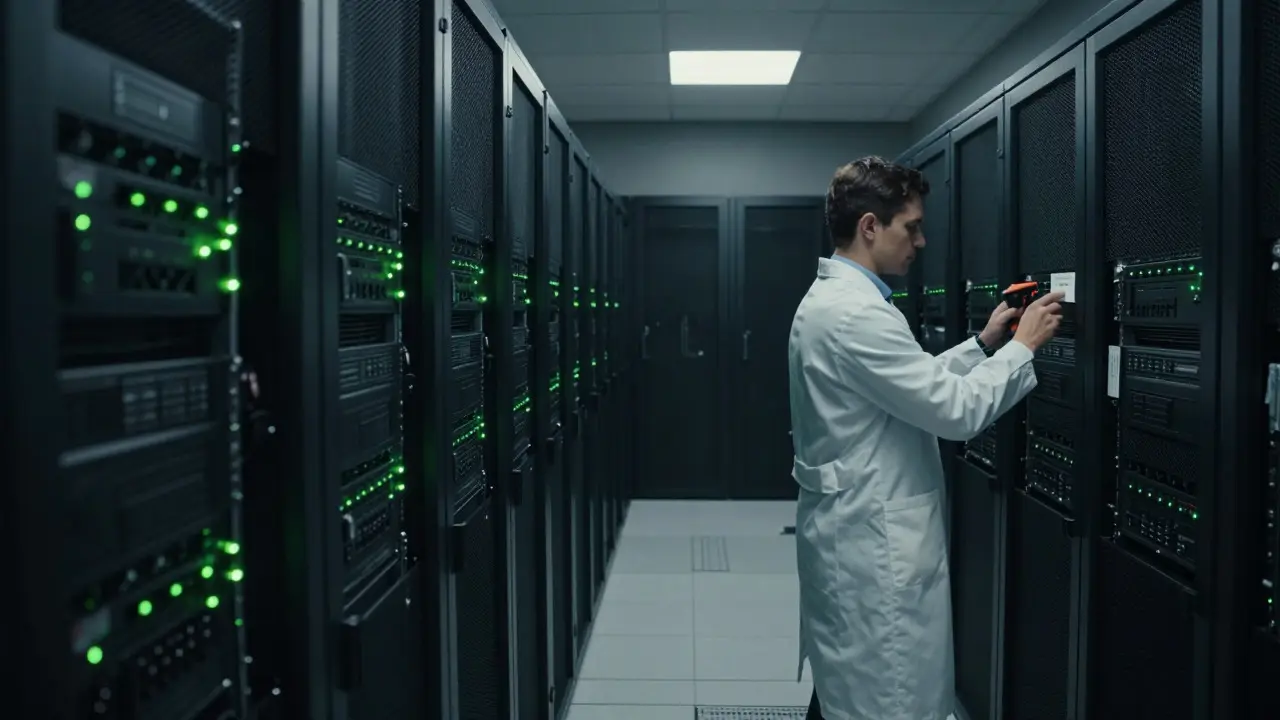
Case files often sit for months or years before trial. During this time, storage media can degrade. Hard drives fail, and SSDs lose charge. Best practice dictates storing forensic images on multiple redundant systems, such as network-attached storage (NAS) with RAID configuration, and backing them up to offline media. Always keep the original physical device separate from the working copies. Label everything clearly with the case number, date, and custodian's name. Regular audits of the evidence room ensure that nothing is misplaced or damaged due to environmental factors like humidity or temperature fluctuations.
Frequently Asked Questions
What happens if the chain of custody is broken?
If the chain is broken, the defense can move to suppress the evidence. The judge will then determine if the break was significant enough to cast reasonable doubt on the authenticity of the item. Minor clerical errors might be curable with affidavits, but major gaps in accountability usually lead to exclusion.
Is a write-blocker always necessary?
While not legally mandated in every jurisdiction, a hardware write-blocker is considered best practice. It physically prevents the computer from writing data to the source drive. Using software-only solutions carries a higher risk of accidental writes, which can weaken the credibility of the evidence.
Can I use my personal laptop to examine evidence?
It is generally discouraged. Personal laptops may have background processes, antivirus software, or updates that alter timestamps or write logs. Dedicated forensic workstations running isolated operating systems are preferred to ensure a clean environment for analysis.
How long should I keep the original evidence?
Keep the original until the case is fully closed, including any appeals. Once the appeal period expires, you can dispose of the physical media according to department policy, but retain the forensic images and hash records permanently for reference.
Does cloud storage affect chain of custody?
Yes, if you upload evidence to the cloud, you must log the upload, verify the hash upon arrival, and secure access credentials. Cloud providers offer strong encryption, but the act of transferring data over a network introduces additional points of failure that must be documented meticulously.