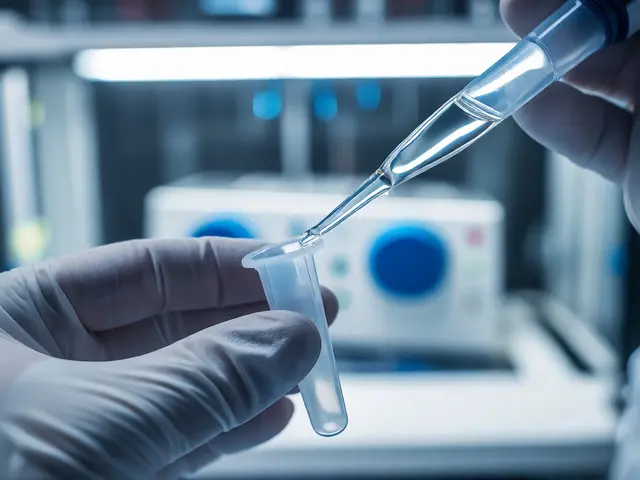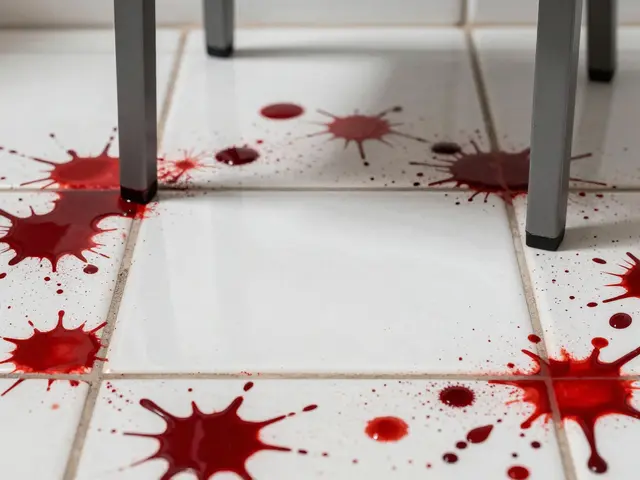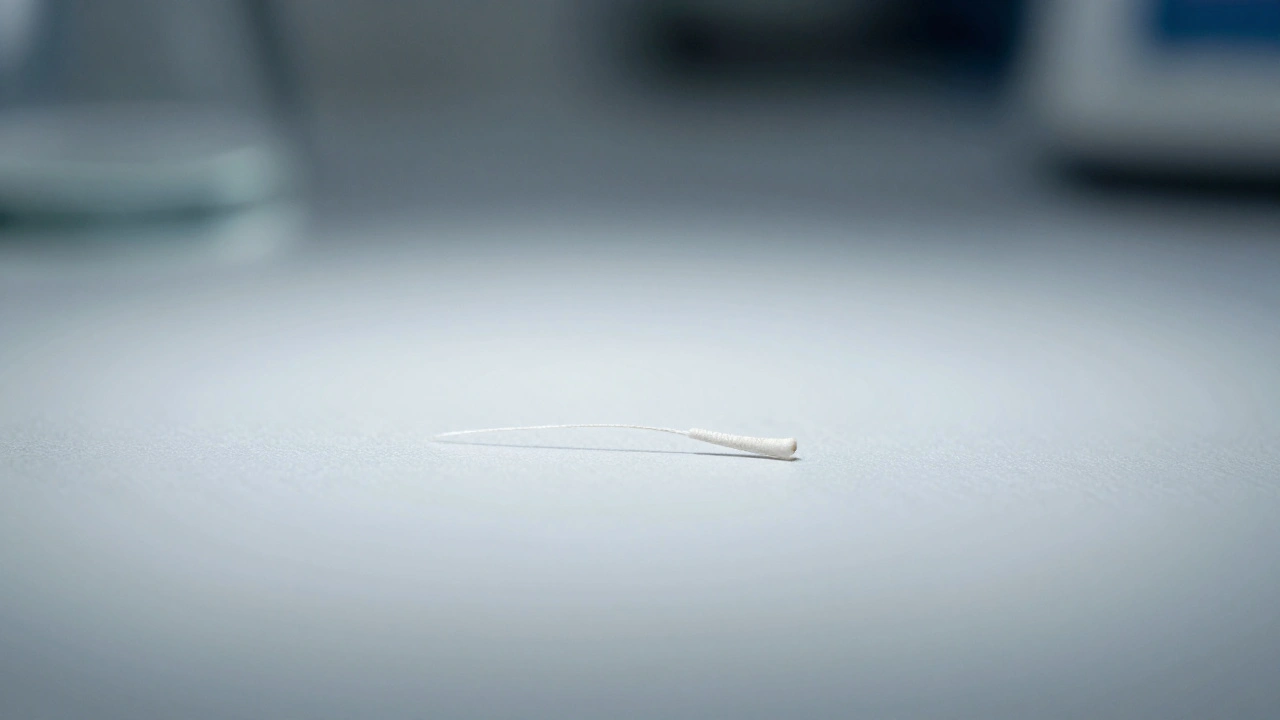
Imagine finding a single fiber at a crime scene. It’s tiny, almost invisible, but it could link a suspect to the victim. Now imagine that fiber was contaminated by dust from your own lab coat or residue from a previous test. The evidence is ruined before you even start analyzing it. This isn’t just a hypothetical nightmare; it’s the daily reality of working in trace microlabs, which are specialized laboratory environments designed for the analysis of minute quantities of evidence where contamination thresholds are measured in parts per billion or lower. In these high-stakes settings, the difference between justice and error often comes down to microscopic control measures.
We don't just hope our results are accurate; we engineer them to be. Contamination control isn't a checklist you glance at once a year. It’s a living system of physical design, behavioral discipline, and rigorous monitoring. If you’re managing or working in a trace evidence facility, you know that "clean" is relative. What looks sterile to the naked eye might be a disaster zone under a microscope. Let’s break down how we keep those samples pure.
The Invisible Threat: Understanding Contamination Vectors
Before we can stop contamination, we have to understand how it sneaks in. In a trace microlab, contaminants come from three main directions: the environment, the equipment, and us-the people.
Environmental drift is the silent killer. Air currents carry dust, skin cells, and fibers from one room to another. If your sample preparation area isn’t physically separated from your analysis area, you’re playing Russian roulette with your data. Think about it: if you’re grinding soil samples in one corner and running DNA extractions in the next, airborne particles will migrate. We see this constantly in microplastics research, where the study of small plastic fragments in environmental samples is heavily compromised by airborne synthetic fibers from clothing and lab materials. Without strict air flow controls, your "sample" might just be lint from your colleague’s sweater.
Equipment cross-contamination happens when tools aren’t properly cleaned or sterilized between uses. A mortar and pestle used for one mineral sample can leave residues on the next. Pipettes, homogenizers, and even glassware can harbor traces of previous tests. In Inductively Coupled Plasma Mass Spectrometry (ICP-MS), which is a highly sensitive analytical technique used to detect metals at ultra-trace levels, requiring extreme purity in reagents and hardware to avoid false positives. a single drop of contaminated solvent can skew results for days.
Human error is the most unpredictable factor. Reusing pipette tips, mislabeling tubes, or failing to change gloves introduces variables that no amount of technology can fix. We’ve all been there-rushing through a prep step and skipping a decontamination wipe. That split-second decision can invalidate weeks of work.
Designing the Fortress: Physical Infrastructure and Layout
You can’t rely on willpower alone. Your lab’s physical layout must enforce good behavior. The golden rule? One-way workflows. Samples should move from "dirty" (collection/prep) to "clean" (analysis) without ever backtracking. Imagine a river flowing downstream; you never swim upstream into the pollution source.
- Zoning: Separate your lab into distinct zones. Zone 1 is for gross examination and initial sorting. Zone 2 is for chemical extraction and preparation. Zone 3 is the ultra-clean analysis area. These zones need physical barriers-doors, airlocks, or even separate buildings-to prevent air mixing.
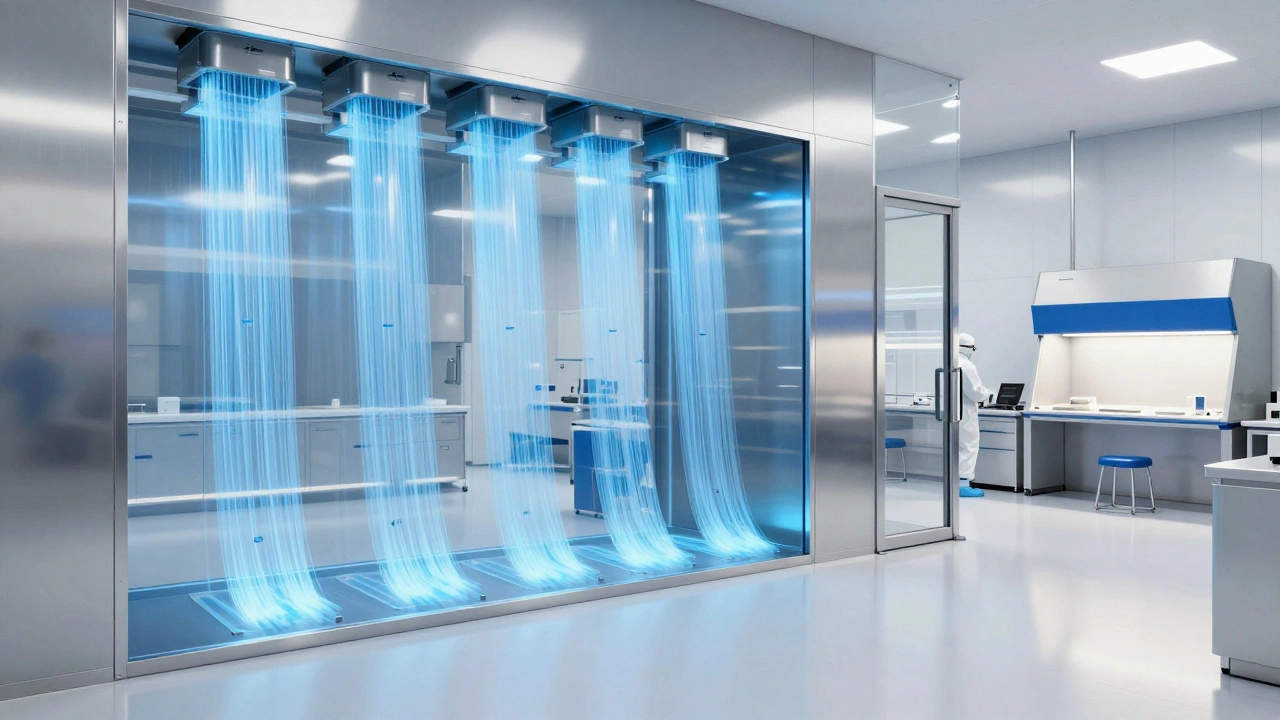
- Airflow Control: Use HEPA filtration systems, which are High-Efficiency Particulate Air filters capable of removing 99.97% of particles as small as 0.3 microns, essential for maintaining ISO-classified cleanroom environments. paired with positive pressure differentials. Positive pressure means air flows *out* of the clean room, not *in*. This keeps external contaminants at bay. For molecular work, consider laminar flow hoods, which provide unidirectional, filtered air streams that protect samples from airborne particulates during open-container handling.
- Surface Materials: Ditch porous surfaces. You want non-porous, seamless flooring and countertops that can withstand harsh disinfectants. Epoxy resin floors are a favorite because they don’t trap dust in cracks.
Think of your lab like a castle. The walls keep invaders out, the moat (airflow) pushes them away, and the drawbridge (entry protocols) controls who gets in.
The Human Element: Protocols and Personal Practices
Even the best-designed lab fails if people don’t follow the rules. Training isn’t a one-time event; it’s a culture. Every technician needs to understand *why* we do things, not just *how*.
Glove hygiene is critical. Not all gloves are created equal. Powdered latex gloves shed particles like crazy. Always use powder-free nitrile gloves. And here’s a pro tip: change them frequently. If you touch a door handle, change them. If you scratch your nose, change them. Treat your gloves as disposable shields, not permanent coverings.
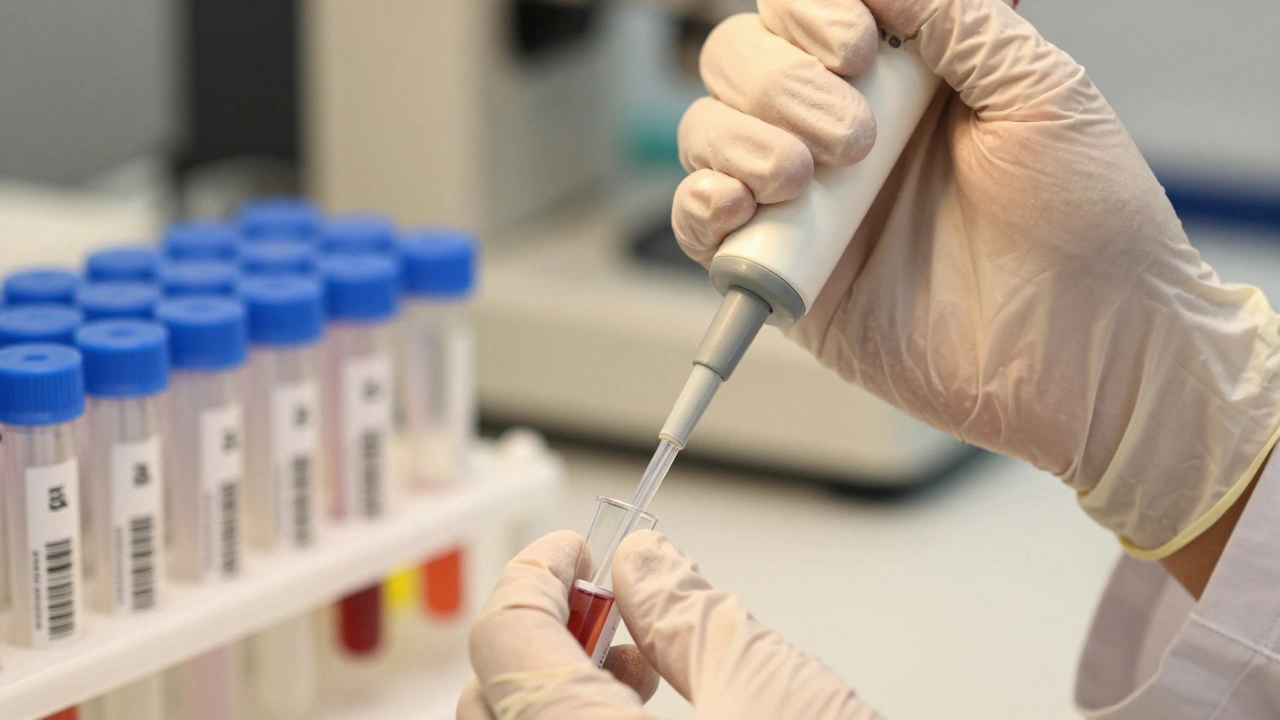
Pipetting technique matters more than you think. Using aerosol barrier tips prevents liquid from entering the pipette mechanism, where it can contaminate future samples. Never reuse tips unless they’ve been rigorously cleaned and validated-a rare scenario in trace labs. Single-use consumables are worth the cost.
Labeling and tracking prevent mix-ups. A mislabeled tube is a lost cause. Use digital tracking systems whenever possible. Barcodes reduce human error significantly. Pair this with chain of custody documentation, which is a legal record detailing every person who handled evidence, ensuring its integrity and admissibility in court. to maintain accountability.
Cleaning and Sterilization: More Than Just Wiping
Cleaning isn’t optional; it’s mandatory. But what does "clean" mean in a trace lab? It means removing organic matter, inorganic salts, and microbial life. Here’s how we do it:
- Dry cleaning first: Remove loose debris with brushes or vacuum systems equipped with HEPA filters. Wetting dry dirt creates mud, which is harder to remove.
- Chemical decontamination: Use specific agents for specific threats. For DNA contamination, products like DNA Away, which contains enzymatic solutions that degrade stray DNA molecules on surfaces, preventing PCR amplification of unwanted genetic material. are industry standards. For general bacteria, bleach or ethanol works well. For metal residues, acid washes may be necessary.
- Sterilization methods: Autoclaving kills microbes using steam and pressure. UV light exposure breaks down DNA and RNA on surfaces. Radiation sterilization is effective for heat-sensitive items. Choose the method based on the material and the contaminant.
- Validation: How do you know it’s clean? Test it. Run blank samples regularly. If your blanks show up with signals, your cleaning protocol is failing.
Don’t forget about storage. Biological samples need vapor-phase liquid nitrogen storage to prevent Mycoplasma contamination, which is a common bacterial infection in cell cultures that can alter experimental outcomes and compromise long-term sample viability. Proper temperature and humidity control in freezers and incubators also preserve sample integrity over time.
Monitoring and Auditing: Keeping Standards High
You can’t manage what you don’t measure. Regular audits are the backbone of any successful contamination control program. They shouldn’t be punitive; they should be diagnostic.
Conduct routine inspections of equipment performance, cleaning logs, and personnel adherence to SOPs (Standard Operating Procedures). Look for gaps. Are gloves being changed as often as required? Is the HEPA filter replaced on schedule? Are labels legible?
Implement feedback loops. When an audit finds an issue, document it, fix it, and train staff on the correction. Over time, this builds a culture of accountability. Labs accredited under ISO 17025, which is an international standard specifying general requirements for the competence of testing and calibration laboratories, ensuring technical proficiency and quality management. require this level of scrutiny. It’s not just bureaucracy; it’s proof that your results hold up under scrutiny.
Consider using frameworks like the Contamination Control Scorecard (CCS), which serves as a structured diagnostic tool that quantifies contamination risks across various pathways, helping labs identify weaknesses and improve transparency in reporting. This helps organize complex workflows and highlights recurring sources of uncertainty.
| Source Type | Common Example | Mitigation Strategy | Frequency of Check |
|---|---|---|---|
| Airborne | Dust, fibers, spores | HEPA filtration, positive pressure, laminar flow hoods | Daily air particle counts |
| Contact | Skin cells, glove residue | Powder-free nitrile gloves, frequent changes, surface wipes | Per task/session |
| Cross-sample | Carryover from previous runs | Single-use tips, dedicated equipment, blank controls | Every batch run |
| Reagent | Impure chemicals, water | High-purity solvents, acid-washed glassware, certified blanks | With each new lot |
Real-World Applications: Where Precision Matters Most
Why go through all this trouble? Because in fields like forensics, pharmaceuticals, and environmental science, errors have real consequences.
In forensic trace evidence investigation, which involves the identification and comparison of minute materials such as hair, fiber, paint, and glass to link suspects, victims, and crime scenes. a contaminated sample can lead to wrongful convictions or acquittals. Labs like Gateway Analytical use multi-analytical approaches to identify foreign particulates and trace their origins. Their ability to distinguish between background noise and actual evidence depends entirely on pristine controls.
In pharmaceutical manufacturing, bacterial contamination in compressed air or on surfaces can ruin entire batches of medication. Trace Analytics, an A2LA-accredited laboratory specializing in identifying bacterial, yeast, and mold organisms within a vast fingerprint library, demonstrates the sophistication required for microbial contamination testing. shows how advanced identification capabilities rely on uncontaminated inputs.
For researchers studying microplastics, distinguishing between true environmental pollutants and lab-generated artifacts is impossible without rigorous contamination-aware practices. The field suffers from inconsistent reporting, making standardized frameworks like the CCS vital for reproducibility.
What is the most common source of contamination in trace microlabs?
The most common sources are airborne particles (dust, fibers) and human contact (skin cells, improper glove use). Airborne contaminants are pervasive and hard to eliminate completely, while human error is unpredictable. Both require constant vigilance through proper ventilation and strict PPE protocols.
How often should I replace HEPA filters in my cleanroom?
Replacement frequency depends on usage and load, but typically every 6-12 months. However, you should monitor differential pressure across the filter. If the pressure drop increases significantly, it indicates clogging and the need for immediate replacement, regardless of the schedule.
Can I reuse pipette tips in a trace lab?
Generally, no. Reusing tips introduces high risks of cross-contamination. Even with thorough cleaning, microscopic residues can remain. Single-use, aerosol-barrier tips are the gold standard for maintaining sample integrity in sensitive analyses like PCR or ICP-MS.
What is the purpose of a Contamination Control Scorecard (CCS)?
The CCS is a diagnostic framework that helps labs systematically evaluate their contamination risks. It separates process controls from disclosure practices, allowing researchers to highlight uncertainties and improve transparency in their methodologies, particularly in fields like microplastics research where reproducibility is challenging.
How does positive pressure help prevent contamination?
Positive pressure ensures that air flows out of the clean room rather than into it. This prevents unfiltered air from adjacent areas-which may contain dust, microbes, or other contaminants-from entering the controlled environment when doors are opened or closed.
Why are powder-free nitrile gloves preferred over latex?
Powdered gloves shed cornstarch particles that can interfere with analyses and attract contaminants. Latex can also cause allergic reactions and may contain additives that leach into samples. Nitrile is chemically resistant, durable, and available in powder-free options, making it safer and cleaner for trace work.