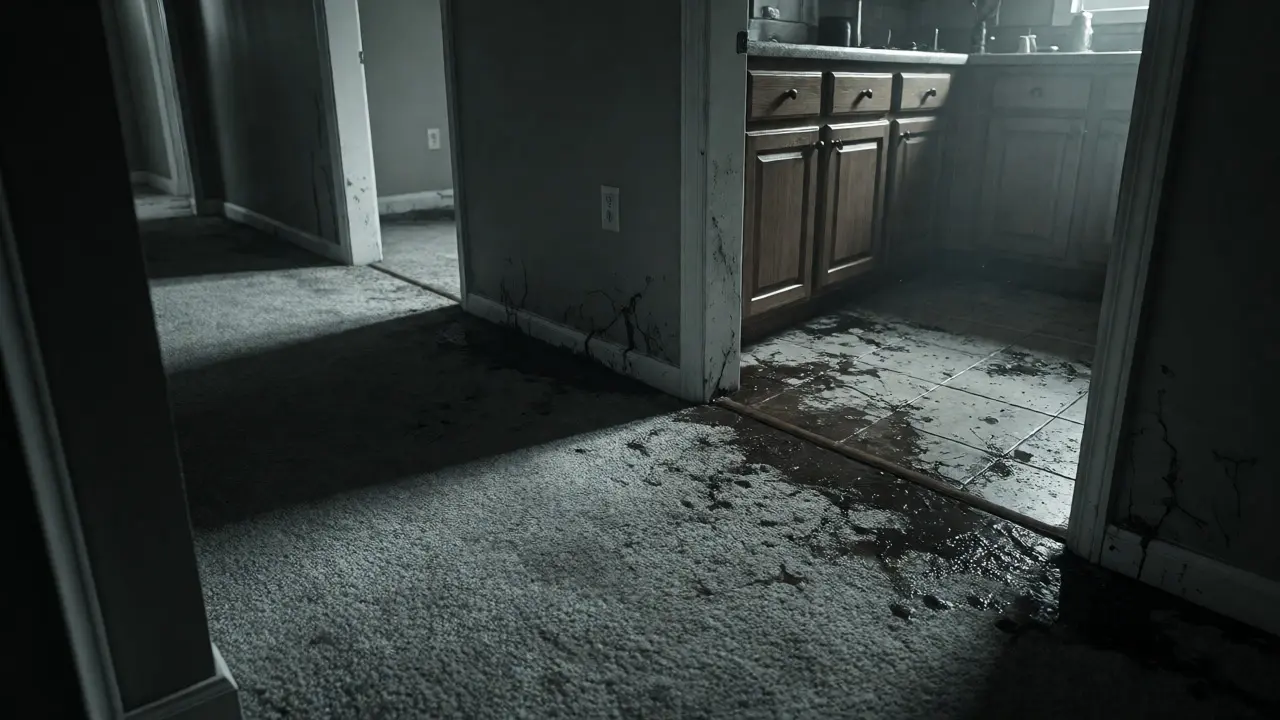
You walk into a house after a traumatic event. It’s not just one room; it’s the hallway, the kitchen, maybe even the stairs. The smell hits you first-metallic, sweet, heavy. Then you see the spread. Blood doesn’t stay where it falls. It travels through carpet fibers, soaks into drywall, and pools under baseboards. This isn't a mop-and-bucket job. When biohazards cross multiple rooms or penetrate structural elements, standard cleaning fails. You need structural remediation.
Most people underestimate how fast biological fluids degrade building materials. In Portland’s damp climate, mold can start colonizing wet drywall within 48 hours. If you’re dealing with a scene involving trauma, decomposition, or sewage backup that spans several areas, you are no longer in "cleaning" territory. You are in remediation. Here is what actually happens when professionals tackle catastrophic scenes.
Why Multi-Room Contamination Changes Everything
A single spot of blood on a tile floor is manageable. But when fluid migrates across thresholds, it changes the scope of work entirely. Biological materials contain pathogens like Hepatitis B, C, and HIV, along with bacteria such as E. coli and Staphylococcus. These don’t respect room boundaries.
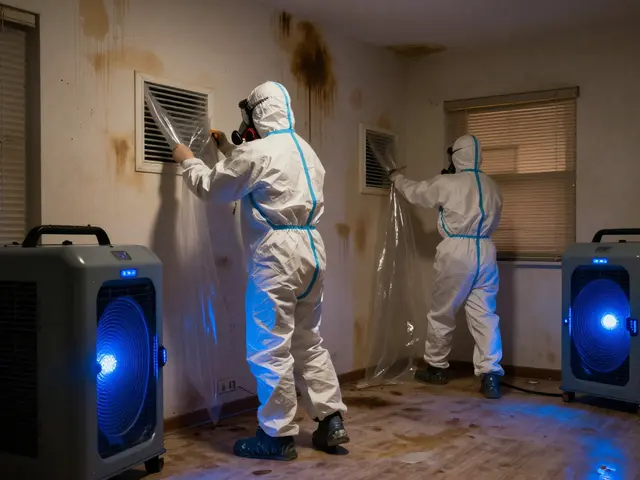
In a multi-room scenario, contamination often follows gravity and capillary action. Blood wicks up wall studs from a soaked subfloor. It seeps under door jambs. It contaminates HVAC vents if the system was running during the incident. Trying to clean this piecemeal usually leads to cross-contamination. You might clean the living room but track residue into the bedroom. Professional crews use containment barriers to isolate zones before they even pick up a sponge.
The real danger here isn't just infection-it's hidden damage. If you miss a patch of contaminated insulation behind a wall, you’ll have persistent odors and potential health issues for months. Structural integrity matters. Wet drywall loses its bond with paper facing. Wood framing begins to rot. The longer you wait, the more expensive the fix becomes.
Assessing Structural Damage Before Cleaning
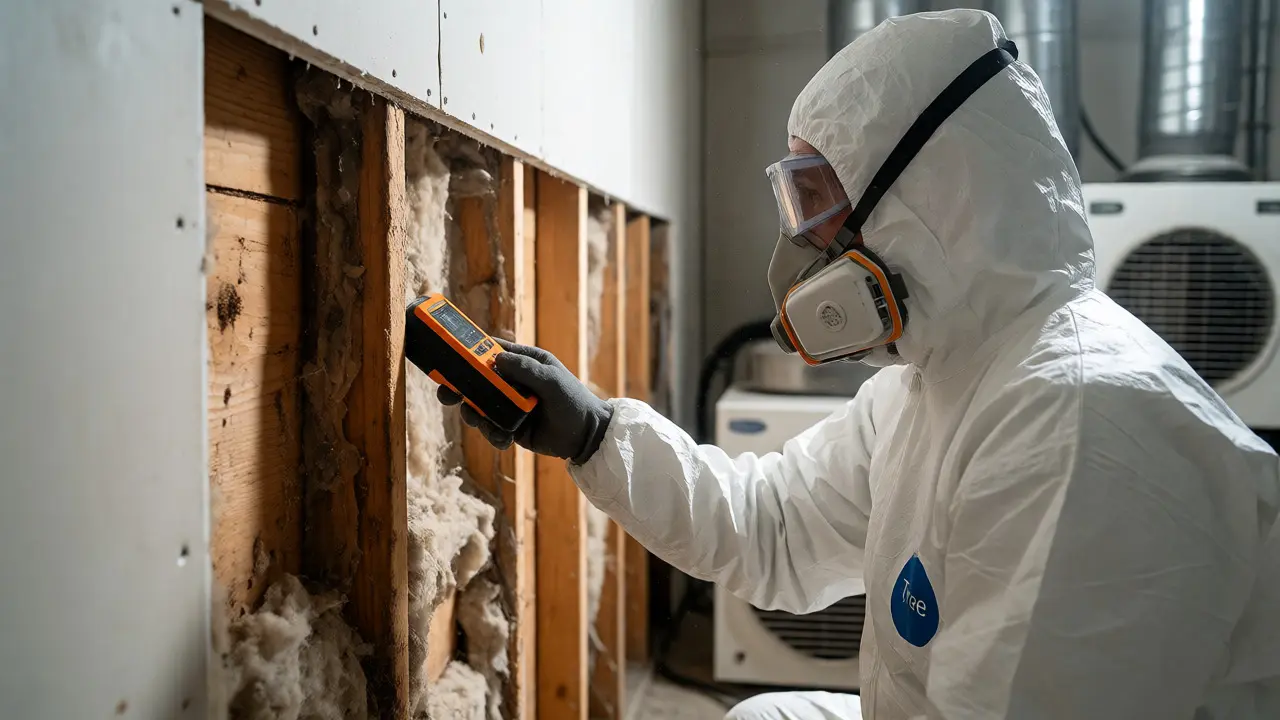
You can’t clean what you haven’t assessed. A proper inspection looks beyond surface stains. Technicians check for saturation depth. Is the water/blood mixture sitting on top of the concrete slab, or has it wicked three feet up the block foundation? They probe soft spots in flooring. They inspect joists for warping.
Consider a typical two-story home with an incident on the second floor. Fluid leaks through the subfloor onto the ceiling below. Now you have contamination on two levels. The ceiling tiles or drywall may need removal, not just cleaning. The insulation between floors acts like a sponge, trapping moisture and organic matter against wooden beams. This creates a perfect breeding ground for mold spores.
| Material Type | Absorption Rate | Remediation Action |
|---|---|---|
| Drywall | High (wicks rapidly) | Cut out affected area; replace if saturated >1 inch |
| Carpet Pad | Very High (acts as reservoir) | Discard immediately; rarely salvageable |
| Concrete Slab | Low to Medium (porous) | Deep extraction followed by enzymatic scrubbing |
| Wood Framing | Medium (slow absorption) | Dry thoroughly; sand or seal if stained |
This table highlights why DIY attempts often fail. You might wipe down the drywall, but if the core is saturated, you’ve trapped biohazards inside the wall cavity. Cutting out the bottom two feet of drywall is standard practice in severe cases. It’s ugly, but it’s necessary.
The Step-by-Step Remediation Process
Professional teams follow a strict protocol to ensure safety and efficacy. Skipping steps compromises the result.
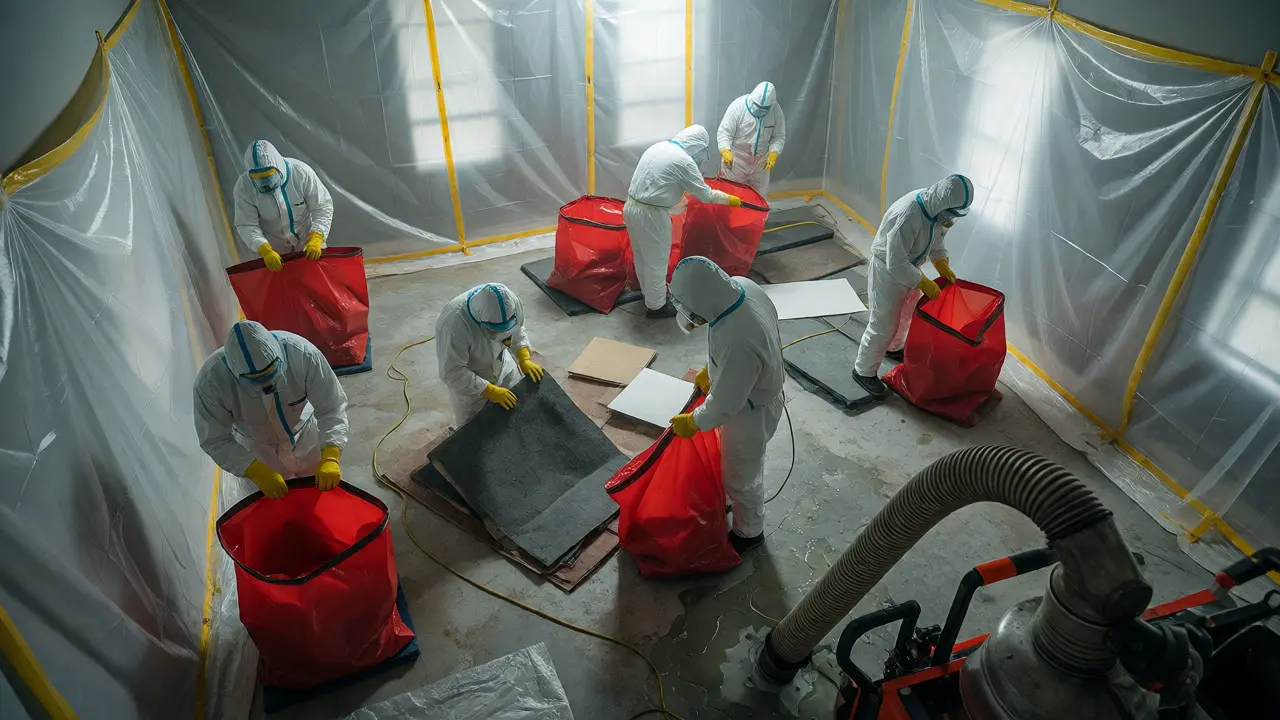
- Containment: Crews seal off the affected areas using plastic sheeting and negative air machines. This prevents airborne particles from spreading to clean rooms. HEPA filters capture dust and dried particulate matter.
- Removal of Porous Materials: Anything that absorbs liquid and cannot be disinfected gets removed. This includes carpet pads, certain types of upholstery, and heavily damaged drywall. Bagging these items requires double-layer red biohazard bags.
- Extraction: For non-porous surfaces like hardwood or tile, technicians use truck-mounted extractors to pull fluids from pores and cracks. Pressure washing alone isn’t enough; suction is critical.
- Disinfection: EPA-registered hospital-grade disinfectants are applied. Enzymatic cleaners break down protein bonds in blood and tissue, making them easier to remove. Contact time matters-the solution must sit on the surface for the specified duration.
- Drying: Industrial dehumidifiers and air movers reduce humidity levels. Moisture meters confirm that wood and drywall reach equilibrium moisture content (EMC). If EMC isn’t reached, mold returns.
- Verification: ATP testing checks for remaining organic residue. Some companies use fluorescent markers to visualize missed spots under UV light.
Notice the emphasis on drying. Many homeowners focus on removing visible blood but ignore moisture. Wet environments accelerate decay. In a multi-room setup, airflow is restricted by debris and furniture. Proper drying takes days, not hours.
Health Risks and PPE Requirements
Biohazards aren't just gross; they're dangerous. Exposure risks include inhalation of aerosols, skin contact with pathogens, and ingestion via hand-to-mouth transfer. During structural work, drilling or cutting releases dust that may contain dried blood cells or fungal spores.
Standard household gloves won’t cut it. Technicians wear Tyvek suits, N95 respirators (or PAPRs for heavy loads), goggles, and rubber boots. Eye protection is crucial because splashes can occur during pressure washing. If you’re overseeing a project, keep your distance. Don’t assume the air is safe just because the floor looks clean.
Children and pets are particularly vulnerable. Their immune systems are less developed, and they spend more time near the floor where contaminants settle. Keep them out of the house until verification tests pass. Even then, monitor for respiratory irritation.
Cost Factors and Insurance Coverage
Catastrophic scenes cost more than simple cleanups. Why? Labor intensity and material replacement. Removing drywall, replacing insulation, and disposing of hazardous waste add significant line items.
- Labor: Teams of 2-4 technicians working 6-10 hours per day.
- Materials: New drywall, paint, flooring, and insulation.
- Disposal Fees: Biohazard waste incineration costs vary by state. Oregon has specific regulations for medical waste disposal.
- Equipment Rental: Negative air machines and dehumidifiers run continuously.
Insurance often covers these events, especially if caused by accidents (falls, assaults) rather than neglect. Document everything. Take photos before cleanup starts. Get detailed invoices that separate labor from materials. Adjusters look for proof of necessity. If you cut corners, they might deny claims for hidden damages discovered later.
Be wary of low-ball quotes. If a company doesn’t mention containment or verification testing, ask why. Cheap jobs often lead to callbacks-and extra costs.
When to Call Professionals vs. DIY
Can you handle this yourself? Maybe, if the spill is small, fresh, and on a non-porous surface. But for multi-room scenarios, hire experts. Here’s a quick decision guide:
| Factor | DIY Feasible | Pro Required |
|---|---|---|
| Area Size | < 10 sq ft | > 10 sq ft or multiple rooms |
| Material Type | Tile, sealed concrete | Carpet, drywall, wood |
| Time Since Incident | < 24 hours | > 24 hours or unknown |
| Odor Presence | None | Strong or persistent |
If you smell something lingering after cleaning, stop. That odor indicates residual biological activity. No amount of bleach will mask it permanently. You need enzymatic breakdown and professional assessment.
How long does multi-room biohazard cleanup take?
Typically 3 to 7 days. Day 1 involves containment and removal. Days 2-4 cover cleaning and drying. Day 5+ allows for reconstruction if walls were opened. Drying time depends on humidity levels and airflow.
Do I need to throw away all my furniture?
Not necessarily. Upholstered items with deep saturation usually go. Leather or vinyl pieces can often be cleaned and disinfected. Wooden furniture without fabric padding is highly salvageable. Assess each piece individually based on porosity and exposure level.
Is bleach effective for blood cleanup?
Bleach disinfects but doesn’t break down proteins well. It can also set stains if used too early. Enzymatic cleaners are superior for initial removal because they digest the organic matter. Bleach is better suited for final disinfection of hard surfaces after bulk removal.
What happens if I don’t remediate structural damage?
You risk mold growth, wood rot, and chronic bad odors. Mold can cause respiratory issues and allergies. Wood rot weakens structural supports over time. Both problems become exponentially more expensive to fix if left untreated for months.
Can I live in the house during remediation?
It depends on the extent. If only one isolated room is treated and properly contained, yes. For multi-room projects involving demolition and high noise/dust levels, temporary relocation is safer and more comfortable. Check with your contractor about containment effectiveness.