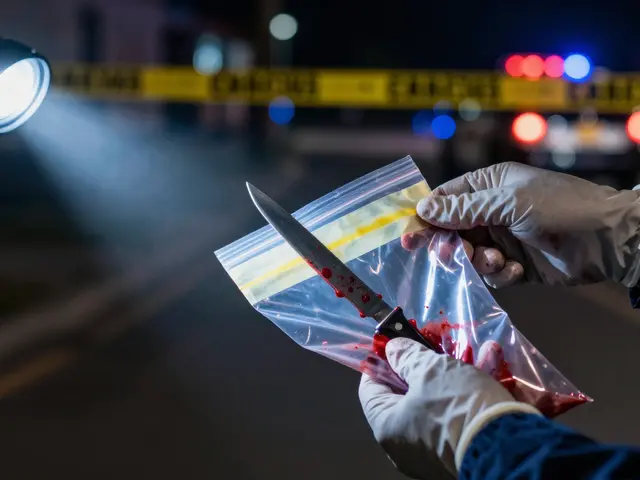
Walking into a crime scene that has been sitting for weeks is rarely pretty. The smell hits you before the sight does, and the visual decay can be overwhelming. But for the professionals handling K12 Standard Requirements in forensic cleanup, it’s not about aesthetics-it’s about risk mitigation. If you are managing a property after a death or traumatic event, understanding these specific protocols is the difference between a safe handover and a liability nightmare.
The term "K12" in this context doesn't refer to school grades. It refers to a tier of cleanliness and decontamination rigor often demanded by insurance carriers, estate lawyers, and health departments when dealing with severe biological contamination. It sits above standard residential cleaning but below full-scale industrial sterilization. Getting this wrong can mean failing a final inspection, which delays sales by months and costs thousands in re-work.
What Defines K12 Level Decontamination?
To understand the requirements, you first need to define the baseline. K12 level decontamination is a forensic cleanup protocol designed to reduce bioburden to levels safe for uninhabited storage or immediate resale without further specialized treatment. This level typically applies to scenes where decomposition has begun, bloodborne pathogens are widespread, or chemical residues (like accelerants) are present.
Unlike a basic clean-up, which removes visible stains, K12 requires proof of invisible safety. This involves two distinct phases: physical removal and chemical neutralization. The goal is to break down proteins and lipids that harbor bacteria like Staphylococcus aureus and E. coli, which thrive in organic matter left behind.
- Physical Removal: Extraction of porous materials like carpet, drywall, and insulation that cannot be fully sanitized.
- Chemical Neutralization: Application of enzymatic cleaners and hospital-grade disinfectants.
- Air Quality Control: Filtration of particulate matter and volatile organic compounds (VOCs).
- Documentation: Photographic logs and moisture readings to prove completion.
Regulatory Frameworks and Compliance
You might wonder if there is a single federal law called "K12." There isn’t. Instead, K12 standards are a composite of guidelines from several authoritative bodies. When you hear inspectors cite K12 compliance, they are usually referencing a mix of OSHA (Occupational Safety and Health Administration) rules for worker protection and local Health Department codes for public safety.
In many jurisdictions, including parts of Oregon, the local health department dictates the final sign-off. They look for evidence that the site meets CDC guidelines for infection control in non-hospital settings. This means your team must follow strict PPE (Personal Protective Equipment) protocols. N95 respirators are the minimum; PAPRs (Powered Air Purifying Respirators) are preferred for heavy decomposition cases due to higher airborne particle loads.
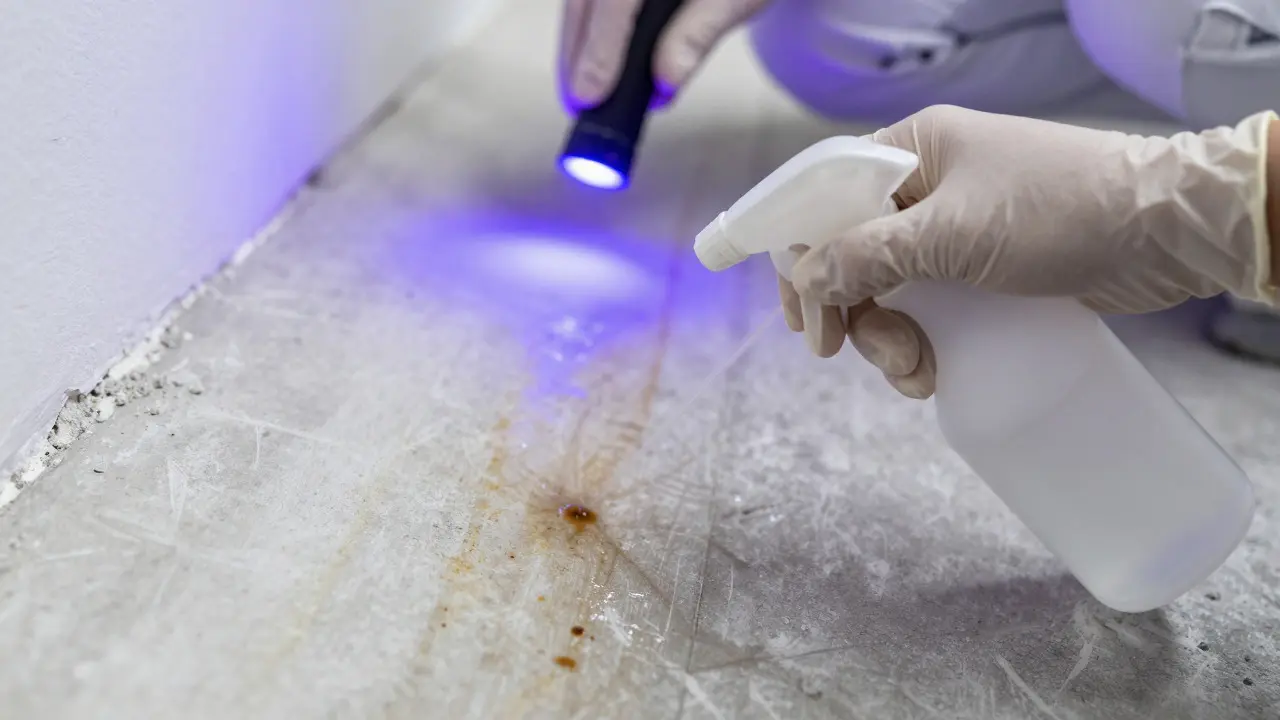
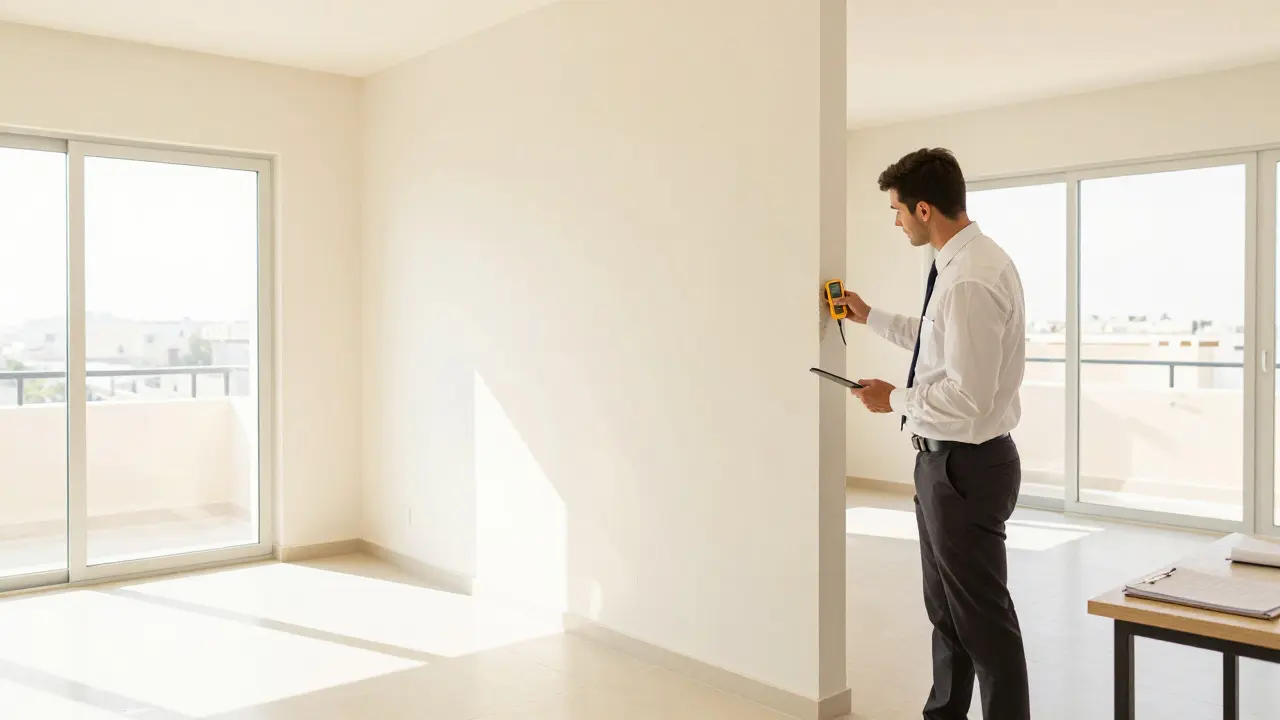
Failure to comply with these implicit standards often results in failed inspections. Inspectors use UV lights to check for missed spots and moisture meters to ensure no dampness remains in walls, as lingering moisture invites mold growth-a separate but related hazard that complicates the sale of the property.
The Step-by-Step Remediation Process
Executing a K12 cleanup is a linear process. Skipping steps is the most common cause of failure. Here is how a professional crew approaches the job:
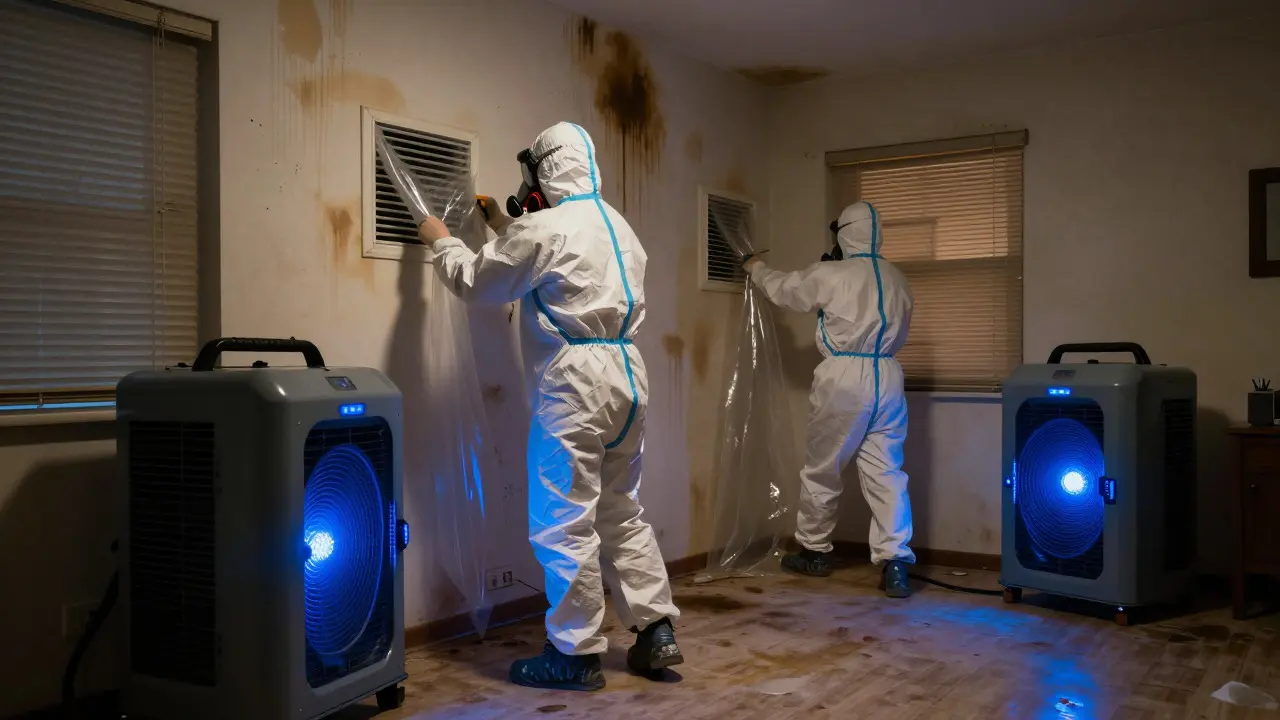
- Site Assessment & Containment: Before touching anything, assess the scope. Seal off HVAC vents to prevent cross-contamination. Establish negative air pressure using HEPA-filtered air scrubbers. This keeps spores and particles inside the work zone.
- Debris Removal: Remove all affected porous materials. If blood soaked into drywall, cut it out. If carpet is stained, pull it up. Leave only hard, non-porous surfaces like concrete, tile, or sealed wood.
- Enzymatic Cleaning: Apply enzymatic cleaners to remaining surfaces. Enzymes break down organic matter at the molecular level, eliminating odor sources rather than masking them. Let the solution dwell for the recommended time (usually 10-15 minutes) before wiping.
- Disinfection: After enzymatic cleaning, apply a hospital-grade disinfectant effective against TB, HIV, and Hepatitis B. This is the critical step for pathogen reduction.
- Drying & Inspection: Use fans and dehumidifiers to dry the structure completely. Run a UV light inspection under blacklight to spot any missed residues. Take moisture readings; anything above 15% relative humidity in wall cavities needs attention.
Equipment Essentials for K12 Compliance
You can’t meet K12 standards with household supplies. The equipment you use directly impacts your ability to pass inspection. Below is a comparison of the tools required versus those commonly used in lower-tier cleanups.
| Component | Standard Residential Clean | K12 Forensic Standard | Why It Matters |
|---|---|---|---|
| Air Filtration | Fans / Open Windows | HEPA Air Scrubbers | Captains 99.97% of particles >0.3 microns |
| PPE | Gloves / Masks | PAPR / Tyvek Suits | Prevents inhalation of aerosolized pathogens |
| Cleaning Agent | Bleach / Soap | Enzymes + Hospital Disinfectant | Breaks down proteins; kills resistant strains |
| Inspection Tool | Visual Check | UV Light + Moisture Meter | Detects invisible residue and hidden dampness |
Notice the shift from passive ventilation to active filtration. In a K12 scenario, opening windows can spread contaminants to neighboring units or the yard. Negative pressure containment is non-negotiable for multi-family properties or occupied adjacent spaces.
Common Pitfalls That Fail Inspections
Even experienced crews stumble on specific details. The most frequent issue? Underestimating the depth of penetration. Blood and bodily fluids wick upward through capillary action. If you clean the floor but ignore the baseboard or the bottom six inches of the wall, you will fail. Always assume penetration goes higher than it looks.
Another trap is odor masking. Using air fresheners or ozone generators without first removing the source creates a false sense of security. Ozone is great for finishing touches, but if organic matter remains, the smell will return once the ozone dissipates. Enzymes solve the root cause; ozone just hides it temporarily.
Finally, documentation gaps. Insurance adjusters want to see photos of the "before," "during," and "after" states. They also want copies of product labels showing EPA registration numbers for your disinfectants. Without this paper trail, verbal assurances don't count.
Cost Factors and Timeline Expectations
How long does this take? A single-room K12 cleanup typically takes 3 to 5 days. Larger homes with multiple affected areas can stretch to two weeks. The timeline depends heavily on drying times. You can rush the cleaning, but you can’t rush the physics of water evaporation.
Costs vary based on square footage and material removal. Removing drywall and replacing it adds labor and material costs. However, skipping this step risks future mold claims, which cost far more later. Budget for the thorough approach; it protects the asset value.
Frequently Asked Questions
Is K12 cleanup mandatory for all deaths?
No. Routine deaths in beds or chairs often require only basic cleaning. K12 standards are triggered by significant blood loss, decomposition, or chemical hazards. The local health department makes the final call based on the scene assessment.
Do I need to replace all flooring?
Only if it is porous and contaminated. Hardwood, tile, and vinyl plank can usually be cleaned and disinfected. Carpet, however, is almost always removed because fibers trap odors and bacteria that are impossible to fully extract.
What happens if the inspection fails?
The property remains unsellable until corrected. The inspector will list specific deficiencies, such as high moisture readings or visible residue. You must re-clean those specific areas and request a re-inspection, which incurs additional fees and delays.
Can homeowners do K12 cleanup themselves?
It is risky. While possible, DIY efforts often miss hidden contamination. Professional crews have access to industrial equipment and knowledge of regulatory nuances. For insurance purposes, hiring a licensed remediation contractor is strongly advised.
How long should the house stay vacant after cleanup?
Once the final inspection is passed and all equipment is removed, the home can be occupied immediately. There is no mandatory waiting period unless residual chemicals require off-gassing time, which is rare with modern low-VOC products.