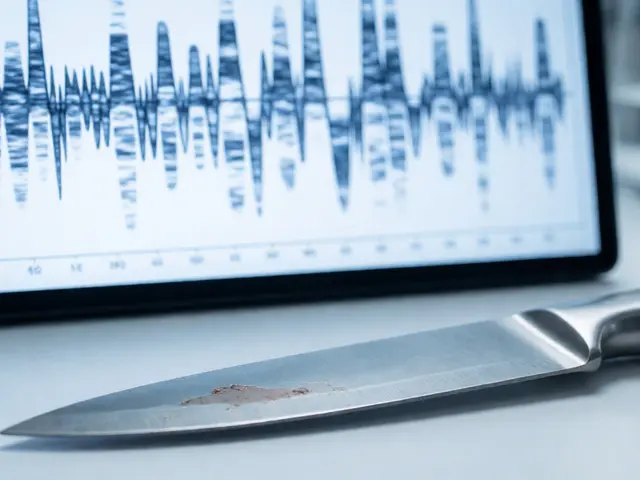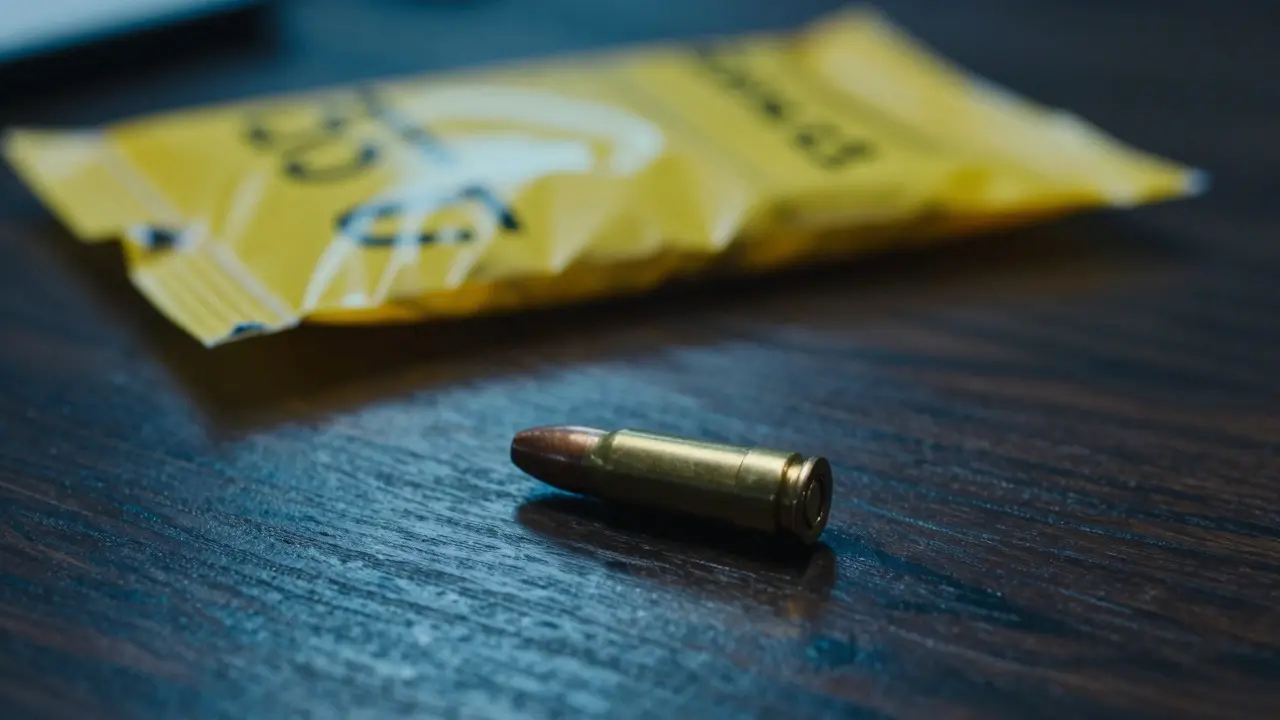
Imagine a high-stakes murder trial where the only physical proof is a single bullet. The detective bagged it, logged it, and handed it to the lab. But somewhere in that handoff, a signature was missed or a timestamp didn't match. Suddenly, the defense attorney isn't arguing about guilt; they're arguing about whether that bullet even belongs to the crime scene. This is the reality of chain of custody gaps. It’s not just bureaucratic red tape-it’s the lifeline that keeps evidence alive in court.
When the chain breaks, cases don't just get harder; they often collapse. Prosecutors lose their most powerful weapon: undeniable proof. Defense lawyers gain a golden ticket to reasonable doubt. Understanding how these gaps happen and why they matter is critical for anyone involved in law enforcement, forensics, or legal proceedings.
What Exactly Is Chain of Custody?
Chain of custody is the chronological documentation or paper trail that records the sequence of custody, control, transfer, analysis, and disposition of physical or electronic evidence. Think of it as an audit trail. Every time evidence changes hands, moves locations, or gets analyzed, it must be recorded. If you can’t prove who had the evidence and when, its reliability becomes questionable.
This process involves several key entities working together:
- Evidence handlers: Officers, technicians, and clerks who physically move or store items.
- Forensic laboratories: Facilities like the FBI Crime Lab or state bureaus that analyze samples.
- Court systems: Judicial bodies that determine if the evidence meets the standard of admissibility.
The goal is simple: ensure the item presented in court is the exact same item collected at the scene, unaltered and uncontaminated.
How Gaps Actually Happen in the Field
You might think chain of custody errors are rare mistakes made by careless people. In reality, they’re often systemic issues born from volume, stress, or outdated tools. Here are the most common ways the chain breaks:
- Missed Signatures: The most frequent error. An officer hands a bag to a technician but forgets to sign the logbook. Later, the technician signs, but the time gap between collection and logging raises questions.
- Unsealed Containers: Evidence stored in non-secure bags that can be opened without breaking a seal. If a seal is broken and not re-documented, the integrity is compromised.
- Digital Metadata Loss: With digital evidence, copying files without preserving metadata (like creation dates) creates a gap. Tools like EnCase or FTK help mitigate this, but human error still dominates.
- Storage Failures: Leaving DNA swabs in a hot car or storing narcotics in a non-climate-controlled room. Environmental factors degrade evidence, and if not logged, it looks like tampering.
In Portland, Oregon, where humidity can be high, moisture damage to paper-based evidence is a specific local risk that labs monitor closely. These aren't hypothetical risks; they are daily operational challenges.
The Legal Consequences: Admissibility vs. Exclusion
So, what happens when a gap exists? Does the judge throw out the case immediately? Not always. It depends on the severity of the break and the jurisdiction's rules.
In the United States, the primary test comes from Daubert v. Merrell Dow Pharmaceuticals, which requires scientific evidence to be relevant and reliable. However, chain of custody falls under general evidentiary rules. If the prosecution cannot demonstrate that the evidence is what it claims to be, the defense can move to exclude it under the Federal Rules of Evidence (Rule 901).
A minor gap-like a missing initial on a log sheet-might be cured by testimony. A major gap-like evidence sitting in an unsecured trunk for 48 hours with no record-can lead to exclusion. When evidence is excluded, the case often weakens significantly. If that evidence was the primary link between the suspect and the crime, prosecutors may choose to drop charges rather than risk a mistrial.

Comparison: Digital vs. Physical Evidence Risks
Digital and physical evidence face different threats. Physical evidence can be lost, stolen, or degraded. Digital evidence can be altered invisibly. Let’s compare the risks:
| Risk Factor | Physical Evidence | Digital Evidence |
|---|---|---|
| Primary Threat | Contamination, Degradation, Loss | Alteration, Metadata Corruption, Volatility |
| Common Gap Cause | Missing signatures, poor storage | Improper imaging, lack of write-blockers |
| Detection Method | Visual inspection, seal checks | Hash verification (MD5, SHA-256) |
| Recovery Difficulty | High (once degraded, gone) | Moderate (if backup exists) |
| Key Tool | Secure evidence lockers | Forensic workstations |
Notice how digital evidence relies heavily on cryptographic hashes. If the hash value changes after a copy, you know something went wrong. Physical evidence lacks this instant feedback loop, making documentation even more critical.
Best Practices to Prevent Gaps
Prevention is cheaper than litigation. Here’s how agencies and labs maintain tight chains:
- Use Digital Logging Systems: Replace paper logs with apps that require GPS stamps and photo verification at every handoff. This reduces human memory reliance.
- Implement Dual Control: For high-value or sensitive items, require two people to sign off on transfers.
- Regular Audits: Conduct random spot-checks of evidence rooms. If 5% of your audits show gaps, assume 20% of your total inventory has issues.
- Train on 'Why': Don't just teach officers *how* to fill out forms. Teach them *why*. When they understand that a missed signature can free a guilty person, compliance improves.
Agencies like the Portland Police Bureau have increasingly adopted barcode-scanning systems for evidence intake. This ensures that if an item is scanned into the system, the user ID and timestamp are automatically captured, eliminating manual entry errors.

Case Study: The Impact of a Single Missing Seal
Consider a real-world scenario similar to cases seen in the Pacific Northwest. A suspect was charged with drug trafficking based on a large quantity of methamphetamine found in a vehicle. The evidence was bagged, sealed, and sent to the lab. However, during transport, the plastic bag’s seal was torn. The transporting officer noted the tear in his personal notes but failed to update the official chain of custody form until three days later.
The defense argued that the tear allowed for potential substitution or contamination. Because the official record showed no note of the tear for three days, the judge ruled the evidence was not properly authenticated. The case was dismissed. The suspect walked free, not because he was proven innocent, but because the state failed to prove the drugs were the same ones taken from the car. One torn seal, one delayed log entry, and years of investigative work evaporated.
FAQ
Can a case be won without perfect chain of custody?
Yes, but it’s risky. If there is strong corroborating evidence (like witness testimony, video footage, or confessions), a minor chain of custody gap might not sink the case. However, if the physical evidence is the sole basis for conviction, any significant gap can lead to exclusion or acquittal.
Who is responsible for maintaining the chain of custody?
Everyone who touches the evidence. This includes first responders, evidence technicians, laboratory analysts, and even court clerks. Responsibility is shared, but the burden of proof lies with the prosecution to demonstrate that each link was secure.
What is the difference between chain of custody and evidence preservation?
Evidence preservation refers to keeping the item in good condition (e.g., freezing biological samples). Chain of custody refers to documenting who had the item and when. You can preserve evidence perfectly but still fail the chain of custody if you don't document the handoffs correctly.
How do digital tools improve chain of custody?
Digital tools use automated timestamps, GPS data, and user authentication. This removes human error from data entry. If an item is scanned, the system records the event instantly. This creates an immutable audit trail that is much harder to dispute in court than paper logs.
What should I do if I find a gap in my agency's records?
Document it immediately. Do not try to 'fix' it retroactively. Write a memo explaining the gap, the cause, and the corrective action. Transparency often mitigates the impact in court. Hiding a gap makes it look like intentional tampering, which is far worse.