Most investigators focus heavily on collecting and preserving Evidence is a physical or digital object collected from a crime scene that requires strict handling to maintain its integrity for legal proceedings.. But what happens when the case is closed? The final step in the Chain of Custody is a documented sequence of events tracking the transfer and storage of evidence from collection to court presentation. isn't just throwing things away. It’s a critical legal process known as Evidence Disposal is the formal procedure of destroying, returning, or archiving case materials after their judicial purpose has been fulfilled.. Get this wrong, and you risk spoliation claims, liability lawsuits, or compromised future investigations. This guide breaks down exactly how to execute these final steps without leaving gaps in your documentation.
When Is Evidence Ready for Disposal?
You can’t just toss items into a dumpster the day after a verdict. Disposal triggers are specific and legally defined. Generally, evidence becomes eligible for disposal only after all appeals have been exhausted or the statute of limitations has expired. For most criminal cases, this means waiting at least one year after the final judgment. If the case involves civil litigation or potential wrongful conviction reviews, the timeline extends significantly.
Digital evidence presents a unique challenge. Unlike a fingerprint card, hard drives and mobile devices contain volatile data. Before disposal, you must ensure that all backups are secured and that no pending discovery requests remain. A common pitfall is disposing of original media while retaining only copies. If the defense challenges the authenticity of the copy later, the absence of the original can be fatal to the prosecution's case. Always verify with the prosecutor’s office before initiating any destruction process.
The Documentation Protocol: Who, What, Where, When
The heart of proper disposal is the paperwork. If it isn’t written down, it didn’t happen. You need to update the master evidence log to reflect the change in status. This record must include:
- Date and Time: Precise timestamp of the disposal action.
- Personnel Involved: Names and badge numbers of at least two witnesses. One should be the custodian, and the other an independent witness (like a supervisor or lab technician).
- Method of Disposal: Specific description of how the item was destroyed (e.g., "shredded via cross-cut shredder," "wiped using NIST SP 800-88 Purge method").
- Location: Exact room or facility where the action took place.
- Case Reference: The case number and item identifiers linked to the disposal.
This documentation serves as your primary defense against claims that evidence was tampered with or lost. In high-profile cases, consider having the process notarized or recorded on video for an extra layer of verification.
Physical vs. Digital Disposal Methods
Not all evidence is created equal, and neither are disposal methods. Using the wrong technique can leave behind recoverable data or fail to meet legal standards for destruction.
| Evidence Type | Standard Method | Verification Step | Risk if Improperly Handled |
|---|---|---|---|
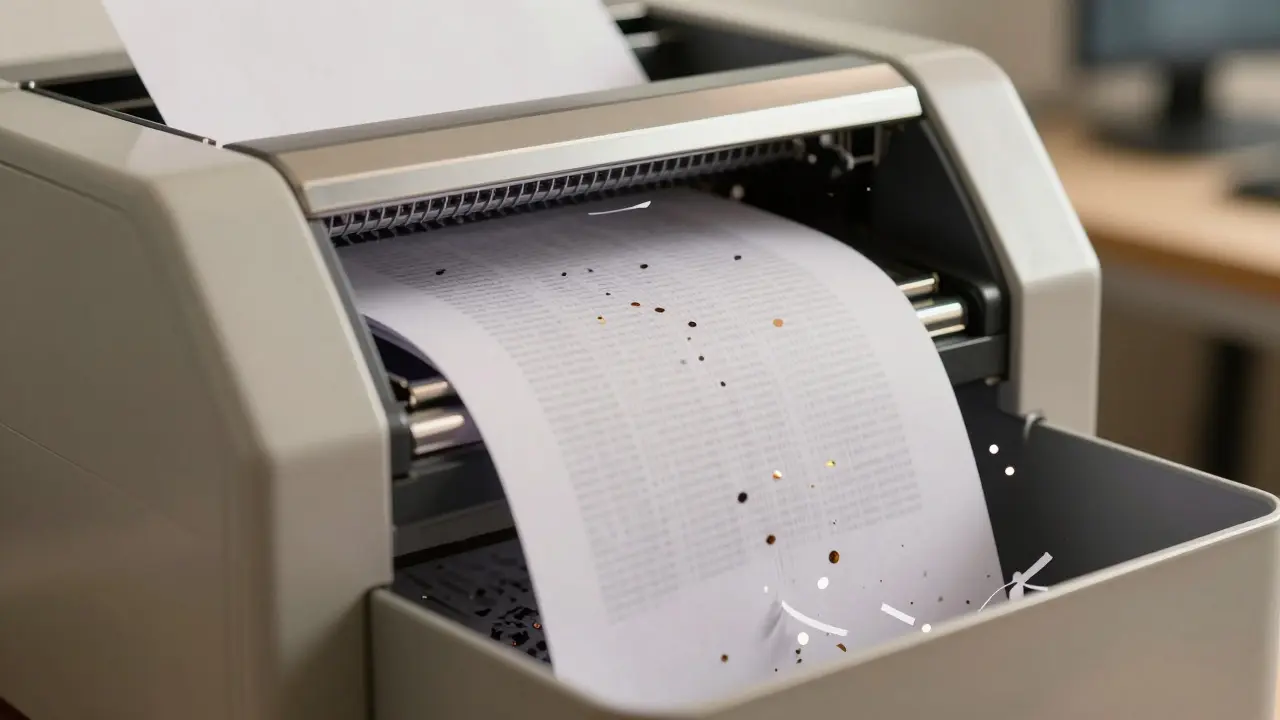
| Paper Documents | Cross-cut Shredding | Visual inspection of shred particles | Reconstruction of sensitive documents |
| Hard Drives (HDD) | Degaussing or Physical Destruction | Serial number matching post-destruction | Data recovery by opposing counsel |
| Solid State Drives (SSD) | Physical Destruction (Crushing) | Video recording of destruction | Wear-leveling prevents secure erase |
| Biological Samples | Autoclaving (Sterilization) | Temperature/time log verification | Contamination or biohazard exposure |
For digital media, the National Institute of Standards and Technology (NIST) provides guidelines for media sanitization. However, for final disposal, physical destruction is often preferred over software wiping because it eliminates the possibility of sophisticated recovery techniques. When dealing with biological samples, such as DNA swabs or blood vials, sterilization is mandatory to prevent cross-contamination in the lab environment before the waste is discarded as biohazard material.
Common Pitfalls That Break the Chain
Even experienced professionals make mistakes during disposal. Here are the most frequent errors that lead to legal trouble:
- Single-Witness Disposal: Relying on one person to destroy evidence creates a credibility gap. Two witnesses are the industry standard for a reason.
- Vague Descriptions: Writing "destroyed" instead of "incinerated at 1,000°F for 30 minutes" leaves room for interpretation. Be specific.
- Mismatched Inventory: Destroying Item A but logging Item B as destroyed. Double-check barcodes or serial numbers before the act.
- Ignoring Pending Motions: Disposing of evidence while a motion for new trial is pending can result in sanctions.
Avoid these traps by implementing a pre-disposal checklist. Have a second officer review the list against the physical items before anyone touches the equipment.
Best Practices for Long-Term Archival
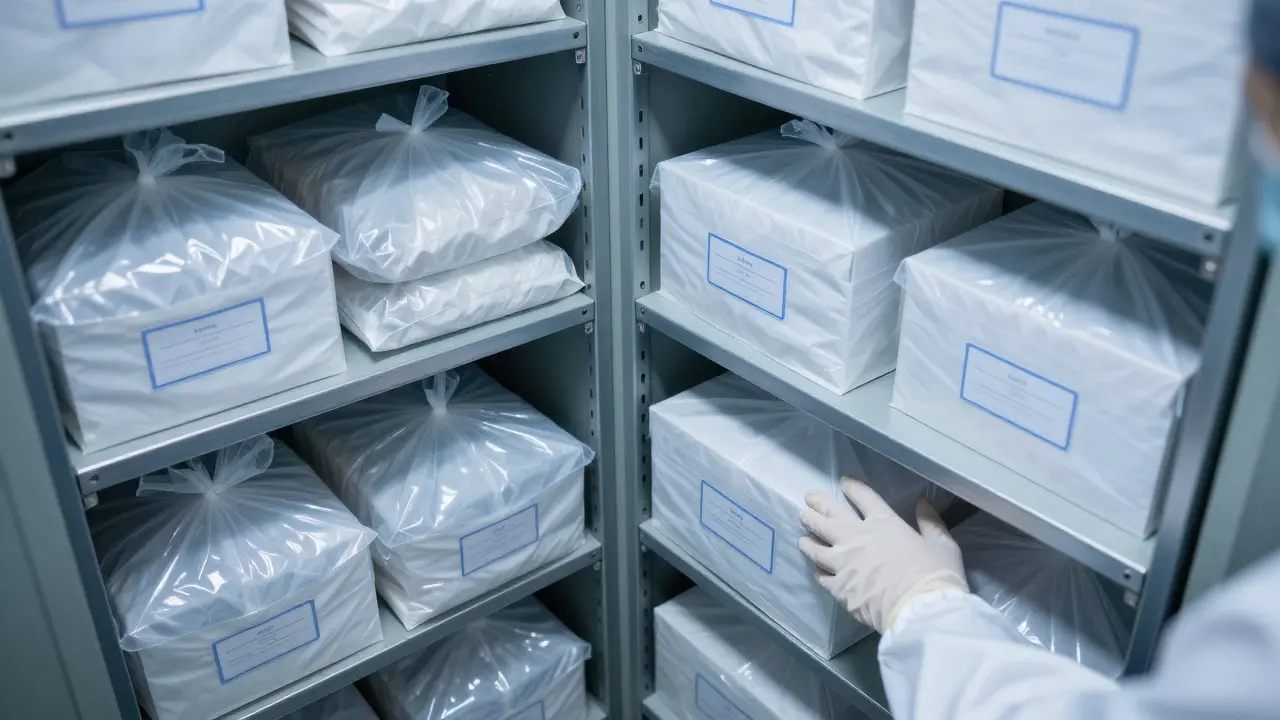
Not everything gets destroyed immediately. Some evidence may need to be archived for decades due to long-term liability or historical value. When moving items to long-term storage, the chain of custody doesn’t end; it transitions. You must create a new custody record indicating the move from active evidence lockers to archival storage. Ensure that archival conditions meet preservation standards-low humidity, stable temperature, and UV protection for paper-based items. Labeling remains critical here. Use acid-free labels and permanent ink to ensure identifiers don’t fade over time.
Legal Implications of Poor Disposal
If the chain of custody is broken during disposal, the consequences can be severe. Defense attorneys often attack the integrity of evidence by questioning whether the original item was actually present at trial. If you disposed of the original and only kept a photo, the jury might doubt the authenticity of the exhibit. In extreme cases, improper disposal can lead to a mistrial or suppression of evidence. Courts view the chain of custody as a continuous thread; snapping it at the end weakens the entire argument.
Frequently Asked Questions
How long must evidence be kept before disposal?
There is no single universal rule, but most jurisdictions require retention until all appeals are exhausted plus one year. For capital cases or those with potential civil liability, check local statutes which may mandate longer retention periods, sometimes up to 7-10 years.
Who signs off on evidence disposal?
Typically, the evidence custodian and a supervising officer or detective sign the disposal form. In large agencies, a property clerk may also be required to co-sign. The key is ensuring two independent parties verify the action.
Can digital evidence be simply deleted?
No. Standard deletion rarely removes data permanently. For final disposal, physical destruction of the drive is recommended. If reuse is intended, follow NIST SP 800-88 guidelines for purging, but document the process meticulously.
What if evidence is returned to the owner?
Returning evidence is a form of disposal. You must issue a receipt signed by the owner, noting the condition of the item. Update the chain of custody log to show 'Released to Owner' with the date and time. Keep a copy of the receipt in the case file.
Does chain of custody apply to photos of evidence?
Yes. Digital photos are evidence. They must be hashed (MD5 or SHA-256) upon creation to prove they haven't been altered. The hash value should be recorded in the case notes alongside the original image metadata.