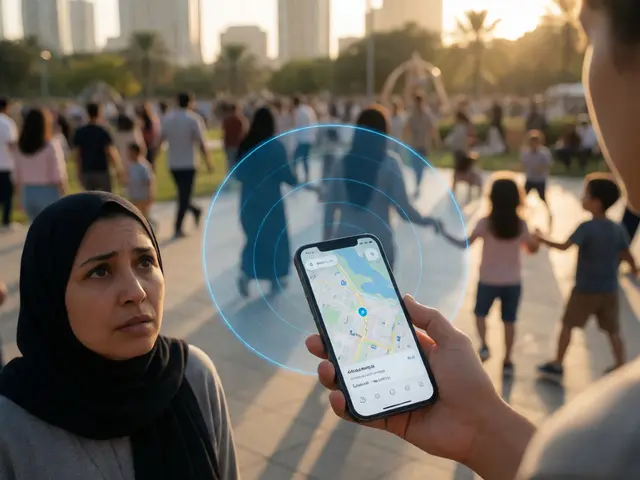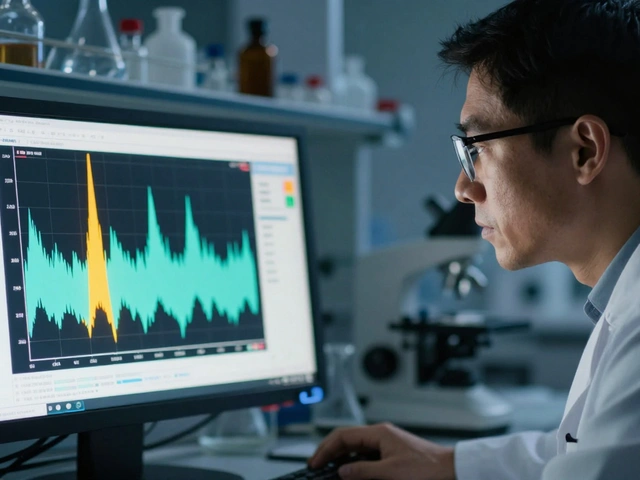
Every year, thousands of people go missing in the United States, and just as many sets of unidentified human remains are discovered. The gap between these two groups is often filled by NamUs, the National Missing and Unidentified Persons System. Launched in 2012 by the National Institute of Justice (NIJ), this digital platform connects law enforcement agencies, forensic scientists, and families to solve cold cases and identify unknown victims. If you have a relative who has gone missing or are an investigator working with unidentified remains, understanding how NamUs works is critical for closing that case.
What Is NamUs and Who Runs It?
NamUs is a free, web-based database maintained by the National Institute of Justice. Unlike older systems that relied on physical files or limited regional networks, NamUs is accessible online to authorized users across all 50 states, territories, and tribal nations. The system was designed to bridge the disconnect between the NCIC (National Crime Information Center) and forensic labs. While NCIC handles active criminal investigations, NamUs focuses specifically on matching missing persons reports with unidentified remains, including those found decades ago.
The platform serves three main user groups:
- Law Enforcement Agencies: Upload missing person reports and unidentified remains profiles.
- Forensic Scientists: Input anthropological data, dental records, and DNA results.
- Families and Advocates: Access public search tools to find potential matches.
How the Matching Process Works
The core function of NamUs is automated matching. When a new entry is added, the system compares it against every other record in the database using specific algorithms. This isn't just a simple name search; it relies on hard scientific data. The primary attributes used for matching include:
- Physical Characteristics: Height, weight, hair color, eye color, and skin tone.
- Anthropological Data: Estimated age range, sex, and ancestry estimates derived from skeletal analysis.
- Dental Records: Unique patterns in teeth, fillings, and root canals.
- DNA Profiles: Mitochondrial DNA and nuclear DNA markers.
If the algorithm finds a potential match, it generates a "match score." A high score triggers a notification to the involved agencies. However, a match in NamUs is never final proof. It is a lead. Investigators must verify the connection through additional evidence, such as family interviews or independent DNA testing. This step prevents false positives, which can be emotionally devastating for families if mishandled.
Accessing the Public Search Tool
You don't need to be a detective to use NamUs. The public-facing portal allows anyone to search for missing persons and unidentified remains. Here is how to effectively use the tool:
- Visit the official NamUs website.
- Select "Search" from the main menu.
- Choose whether you are looking for a "Missing Person" or "Unidentified Remains."
- Enter known details. Specificity matters. Instead of "male," enter "adult male, 5'9", brown hair."
- Review the results. Each profile includes photos, dates, and location data.
A pro tip for families: Update your search regularly. New unidentified remains are uploaded weekly. If you haven't seen a match in six months, try broadening your criteria slightly, such as expanding the age range or removing a specific clothing detail that might not apply to decomposed remains.
Key Differences Between NamUs and NCIC
Many people confuse NamUs with NCIC. While both are federal databases, they serve different purposes. Understanding the distinction helps you know where to report information.
| Feature | NamUs | NCIC |
|---|---|---|
| Primary Focus | Matching missing persons with unidentified remains | Active criminal investigations and warrants |
| Data Type | Forensic, anthropological, dental, DNA | Criminal history, vehicle registrations, fingerprints |
| User Base | Law enforcement, forensics, public | Law enforcement only |
| Case Status | Includes cold cases and historical remains | Primarily active cases |
If you are reporting a missing person, you should file a report with local police first. They will enter the data into NCIC. Simultaneously, they should upload the profile to NamUs to maximize the chance of finding a match with unidentified remains. Both entries are necessary for comprehensive coverage.
Common Pitfalls and How to Avoid Them
Even with a powerful tool like NamUs, errors can happen. Here are the most common issues investigators and families face:
- Incomplete Data Entry: Missing height or weight ranges significantly reduce match accuracy. Always provide estimated ranges if exact numbers are unknown.
- Outdated Photos: Using a photo from 20 years ago may not reflect current appearance. Include recent photos if available.
- Lack of Follow-Up: A match notification requires action. If an agency receives a match alert but doesn't investigate within 30 days, the lead may cool down.
- Ignoring Tribal Jurisdiction: Many missing persons cases involve Native American communities. Ensure jurisdictional boundaries are clear to avoid legal delays.

The Role of Forensic Anthropology in NamUs
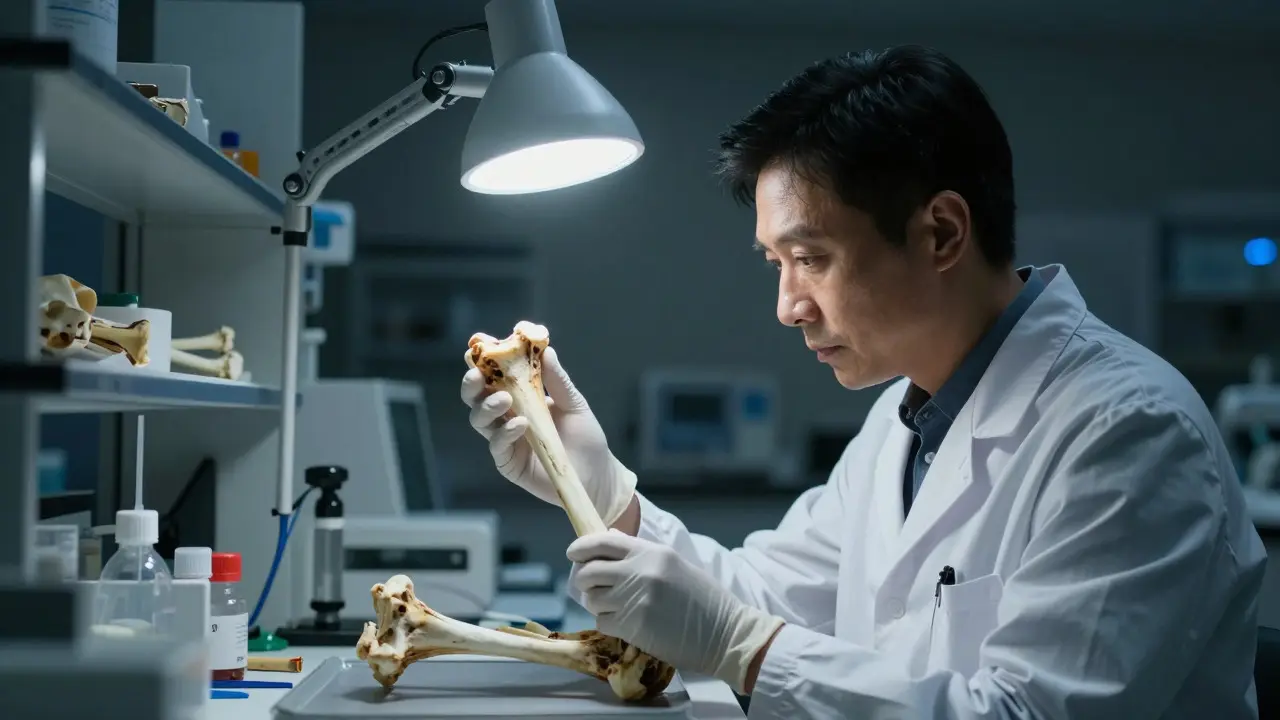
For unidentified remains, forensic anthropology is often the first step in identification. Before DNA can be tested, anthropologists examine bones to estimate age, sex, and ancestry. These estimates are entered into NamUs as key attributes. For example, a femur length can provide a precise height estimate within a few centimeters. This data narrows the pool of potential missing persons dramatically. In 2024 alone, over 30% of successful identifications in NamUs started with anthropological data before genetic confirmation.
Next Steps for Families and Investigators
If you are searching for a loved one, start by ensuring their report is in NamUs. Contact the local law enforcement agency that took the initial report and ask if the profile has been uploaded. If not, request it immediately. Keep a personal log of searches and any new developments. Join online support groups for missing persons families; they often share leads that haven't yet made it into official channels.
For investigators, audit your unidentified remains files. Are there old cases without recent anthropological reviews? Uploading fresh data can reignite cold cases. The technology improves every year, and a re-analysis of bones using modern CT scanning techniques might reveal details missed decades ago.
Is NamUs free to use?
Yes, the public search tool is completely free. Law enforcement agencies also access the full database at no cost, funded by the National Institute of Justice.
How long does it take to get a match notification?
Matches are generated automatically upon data entry. Notifications are sent via email to registered users. However, investigation time varies widely depending on agency resources and case complexity.
Can I update a missing person's profile myself?
Generally, no. Profiles are managed by law enforcement agencies. You must contact the agency that filed the report to request updates to physical descriptions or add new photos.
Does NamUs include international cases?
Currently, NamUs is primarily focused on U.S. jurisdictions. International cases are handled through separate bilateral agreements or Interpol channels, though some U.S. agencies do cross-reference data manually.
What happens after a match is confirmed?
Once a match is verified through DNA or other conclusive evidence, the case is closed in the database. The remains are released to the family or next of kin, and the record is marked as identified.