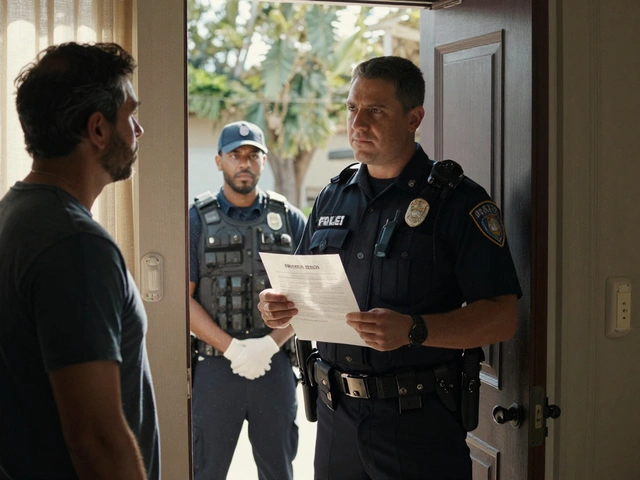
Picking the wrong bag for a piece of evidence isn't just a clerical error; it can actually destroy the DNA or chemical markers needed to solve a case. Whether you're a rookie officer or a seasoned forensic tech, the choice between Paper Evidence Bags is porous containers designed to allow moisture to escape, preventing mold and bacterial growth in biological samples and plastic alternatives is a decision that can make or break a trial. If you put a blood-soaked shirt in a sealed plastic bag, you're essentially creating a petri dish for mold that will eat the DNA evidence. On the flip side, putting fentanyl powder in a paper bag is a safety hazard, as the fine particles can sift through the fibers and expose investigators to lethal doses.
| Feature | Paper Bags | Plastic Bags (PE/PP) |
|---|---|---|
| Breathability | High (Porous) | None (Airtight) |
| Moisture Control | Allows drying | Traps humidity |
| Containment | Low (Powders leak) | High (Leak-proof) |
| Visibility | Opaque | Transparent |
| Durability | Moderate (Can tear) | High (Puncture resistant) |
When to Use Paper Evidence Bags
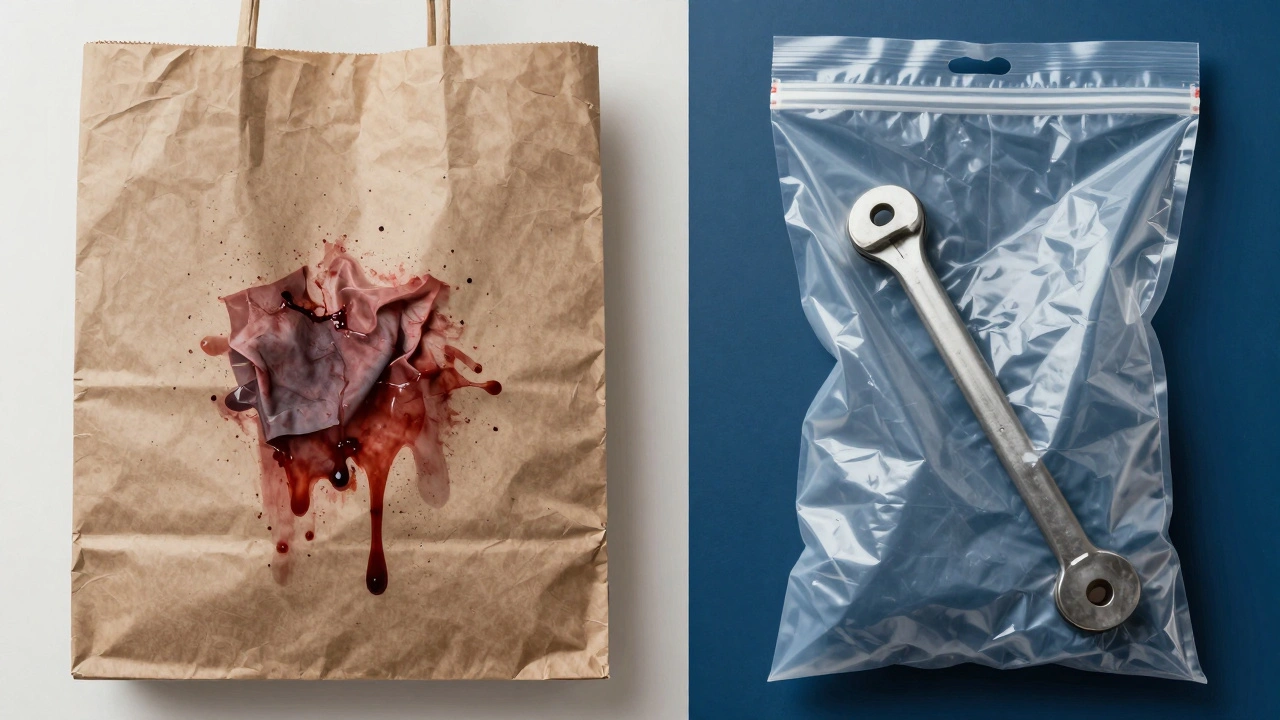
The gold standard for any biological material is breathability. Kraft Paper is the material of choice here because its natural porosity allows trapped moisture to evaporate. If you have wet biological evidence-think blood-stained clothing, damp plant matter, or fresh DNA swabs-paper is your only safe bet. When moisture is trapped in a non-breathable environment, bacterial putrefaction kicks in quickly, degrading the sample before it ever hits the lab bench.
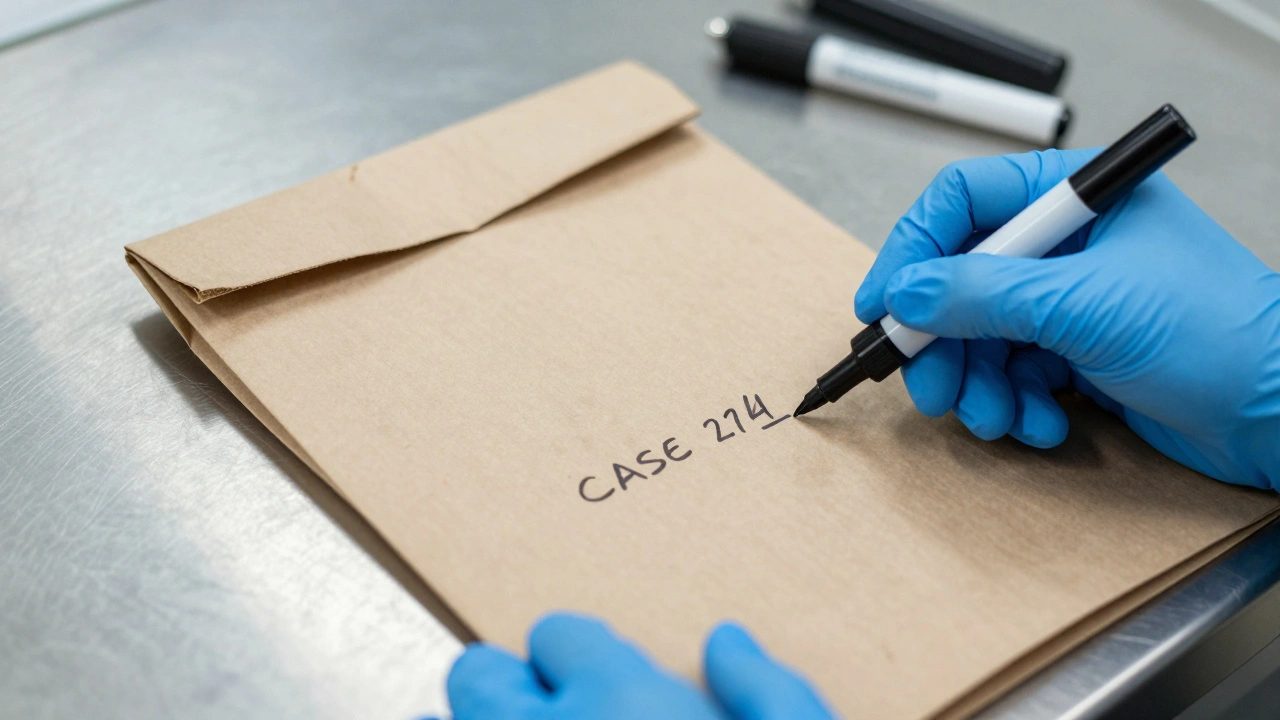
Paper is also incredibly practical for documentation. Since the surface is matte, you can write case numbers and signatures directly on the bag with a standard permanent marker. It creates a permanent, unalterable record right on the packaging. For security, officers typically use specialized tamper-evident tape across the folded top. Because the paper is fibrous, any attempt to peel the tape will tear the top layer of the bag, leaving a clear physical signal that the evidence was compromised.
Common items that must go in paper include:
- Blood or semen-stained fabrics and textiles
- Freshly collected saliva or skin swabs
- Damp organic materials (leaves, soil with moisture)
- Clothing and shoes (unless they are dry and non-biological)
The Power of Plastic Containment
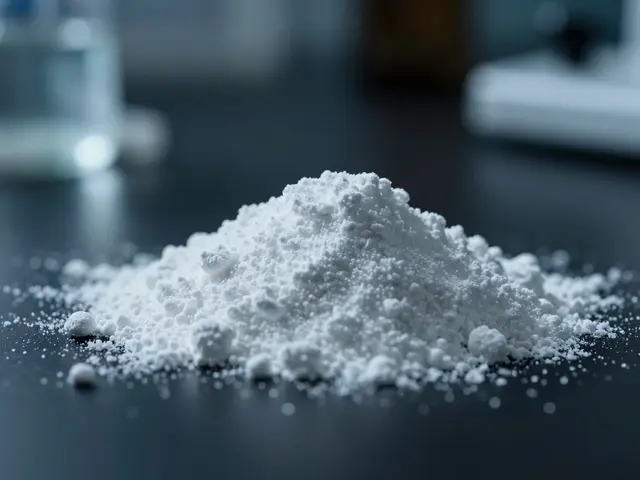
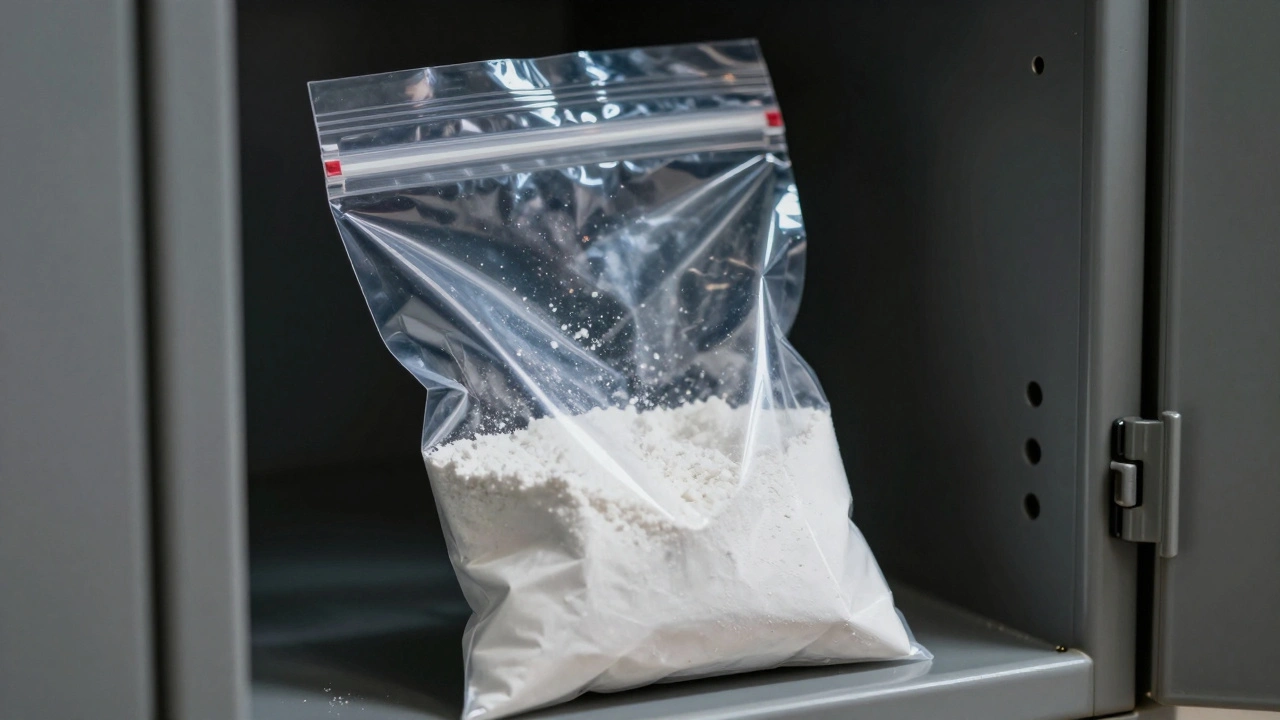
While paper handles the "wet stuff," Plastic Evidence Bags are designed for absolute containment. These are usually made from high-micron Polyethylene (PE) or Polypropylene (PP), which are polymers that create an impermeable barrier. When you're dealing with fine powders, liquid chemicals, or hazardous narcotics, a paper bag is a sieve. Plastic ensures that nothing leaks out, protecting both the evidence and the people handling it.
One of the biggest advantages of plastic is visibility. Forensic technicians and juries can see a weapon, a bag of narcotics, or an electronic device without breaking the seal. This allows for a visual inspection that preserves the Chain of Custody, which is the chronological documentation showing the seizure, custody, control, and analysis of evidence.
Security in plastic bags is often more advanced. Many premium bags come with Level 4 tamper-evident adhesive closures. If someone tries to use heat, freezing, or chemicals to peel the seal, a hidden "VOID" message appears instantly on the plastic. This is far more sophisticated than the physical tearing seen with paper bags.
Plastic is the right choice for:
- Powdered drugs (especially Fentanyl) and liquid chemicals
- Dry electronics (switched off and dried)
- Non-porous tools or weapons (once rendered safe)
- Items requiring long-term storage in humid warehouses to block oxygen exposure
Managing the Moisture Conflict
The biggest conflict in evidence packaging is how to handle items that are currently wet but need to be stored long-term. There is a specific sequence you should follow to avoid ruining a sample. For example, if you collect a wet item in the field and can't get it to a lab immediately, you might use a plastic bag for temporary transit to prevent the item from leaking onto your gear. However, the second that item can be air-dried, it must be transferred to a paper bag.
If you leave a damp item in plastic, you're trapping humidity. This creates an ideal environment for mold growth, which can destroy DNA markers. Interestingly, global standards vary on this. In the US and Australia, the rule is strict: biologicals go in paper to breathe. In the UK, however, some protocols lean toward plastic, showing that forensic consensus can shift based on regional regulatory approaches.
Durability and Analytical Compatibility
If you're tossing evidence into the back of a cruiser or stacking it in a crowded evidence locker, plastic wins on durability. High-micron plastic bags are puncture-proof and tear-resistant. Paper, while sturdy, can rip if the item inside is too heavy or if it's handled roughly during transit.
However, you have to consider chemical compatibility. Some low-quality plastic bags can release chemicals (plasticizers) that might react with sensitive evidence, potentially skewing the results of a chemical analysis. Paper is generally more inert, meaning it's less likely to interfere with the lab's testing processes. If the item is destined for high-sensitivity chemical analysis, a paper bag is often the safer, more neutral choice.
Final Decision Checklist
To make the right call in the field, ask yourself these three questions:
- Is it biological or wet? If yes, use paper to allow it to breathe.
- Is it a powder or a hazardous liquid? If yes, use plastic to ensure total containment.
- Does it need to be visually inspected without opening? If yes, and it's not biological, use transparent plastic.
Remember, a "one size fits all" approach doesn't work in forensics. Using the wrong material can lead to a judge throwing out evidence because the integrity of the sample was compromised. Match the material to the physical properties of the evidence, and you'll ensure that the evidence reaches the courtroom in the best possible condition.
Why is it dangerous to put narcotics in paper bags?
Fine powders, such as fentanyl, can sift through the microscopic pores of the paper fibers. This leads to evidence loss and, more importantly, poses a severe inhalation risk to law enforcement officers and lab technicians. Plastic bags provide an airtight seal that prevents this leakage.
Can I use a plastic bag for a blood-stained shirt if I dry it first?
While the item is dry, the risk of immediate mold growth is lower, but paper is still the preferred standard for biologicals. Paper allows any residual moisture to escape and is generally more chemically inert, ensuring the DNA remains stable for long-term storage.
What does a "VOID" seal on a plastic bag actually do?
It is a Level 4 tamper-evident mechanism. If someone attempts to peel, heat, or freeze the adhesive to open the bag without leaving a mark, the chemical bond of the adhesive breaks in a way that leaves the word "VOID" printed on the bag or the item, providing instant visual proof of tampering.
Do paper bags protect evidence from external rain or chemicals?
No. Paper is porous and will absorb external liquids, which can contaminate the evidence inside. If you are collecting evidence in a rainstorm, you should temporarily protect the paper bag by placing it inside a larger plastic container or bag until you reach a secure, dry environment.
Is there a difference between PE and PP plastic bags?
Both Polyethylene (PE) and Polypropylene (PP) are used for forensic bags. PE is often more flexible and common for general storage, while PP is generally stiffer and can offer higher clarity and better heat resistance, which is useful for certain types of chemical containment.