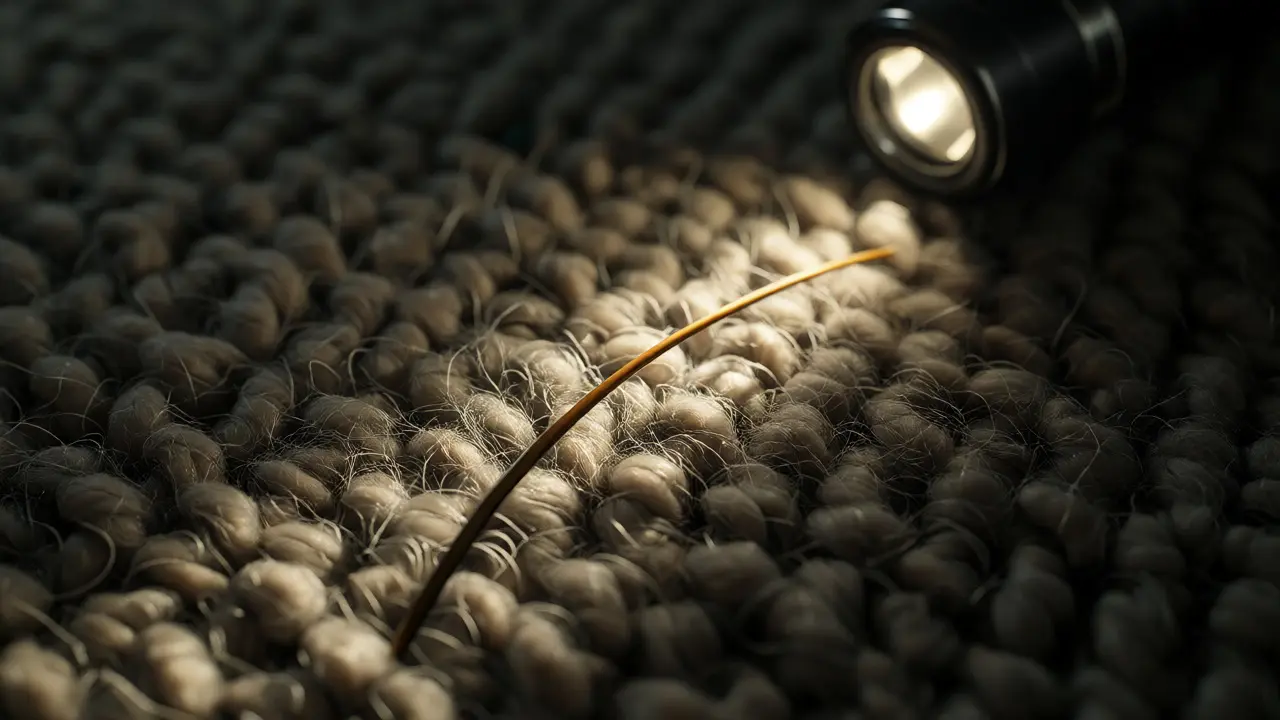
You walk into a room. Someone was there. They left something behind. Not a wallet, not a phone. A single strand of hair on the carpet. To you, it’s just debris. To a forensic analyst, that tiny thread is a map. It tells them who was there, how long they stayed, and sometimes, even what they ate last week.
Hair is one of the most common types of trace evidence. Unlike fingerprints, which need oil and pressure to form, hair falls off us constantly. We lose about 50 to 100 strands a day. This makes it ubiquitous at crime scenes. But ubiquity doesn’t mean usefulness. Most hairs found are "class characteristics" only-they can narrow down a suspect pool but rarely identify a specific person without DNA. The real magic happens when you know how to collect it properly and how to read its microscopic structure.
The Anatomy of a Hair Strand
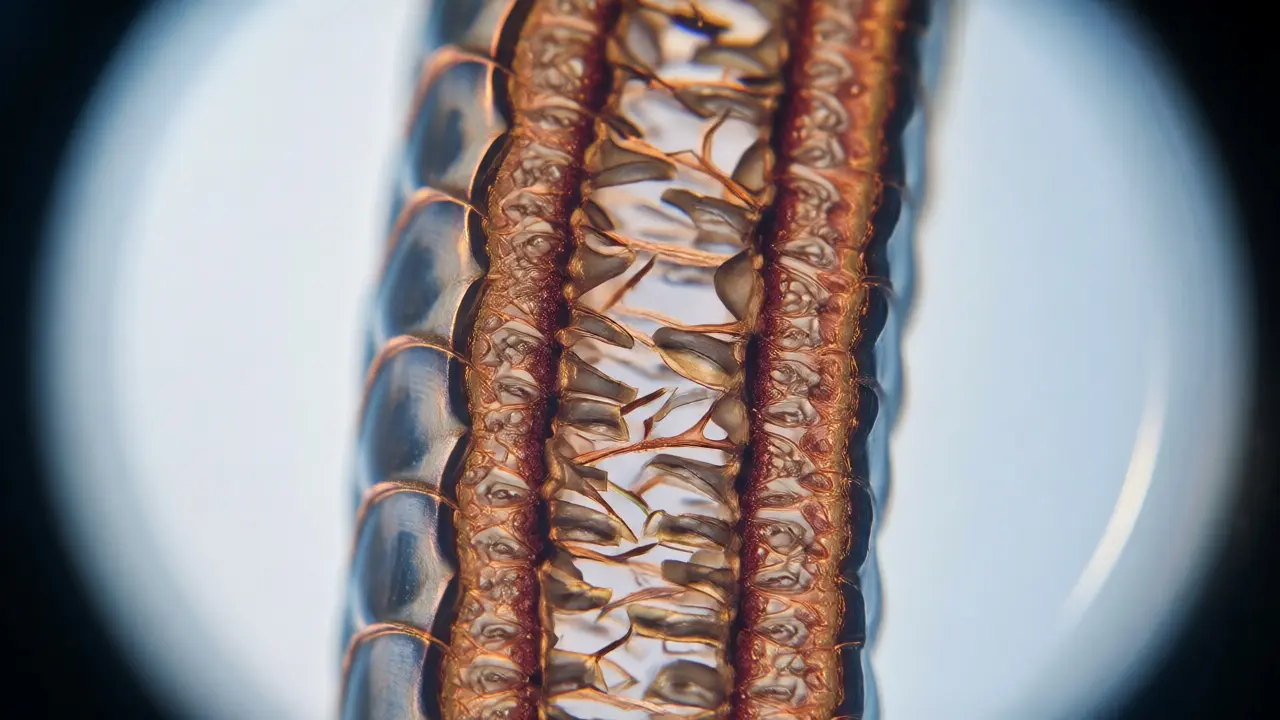
To understand why hair matters in court, you have to look under the microscope. A human hair isn't just dead protein; it's a layered record of biology. Each strand has three distinct parts, and each tells a different story.
- Cuticle: The outer layer. Think of it as roof shingles overlapping toward the tip. In humans, these scales are small and flat. In animals, like dogs or cats, they are much larger and more pronounced. This difference alone can tell an investigator if the hair came from a pet or a person.
- Cortex: The middle layer. This is where the pigment lives. If the cortex contains dark pigment granules, the hair is likely from a living person with natural color. If it lacks pigment, it might be bleached or dyed. The pattern of pigment distribution can also hint at age or health conditions.
- Medulla: The core. Some hairs have a hollow center, some have a continuous line, and others have no medulla at all. Humans often lack a medulla or have a fragmented one. Many animals have a thick, continuous medulla. This is a quick way to rule out animal contamination.
When analysts examine these layers, they aren't guessing. They are comparing known samples against questioned samples. If the cuticle patterns match perfectly, the cortex pigmentation is identical, and the medulla structure aligns, the probability that two hairs came from the same source increases significantly. But remember: this is class evidence. It says, "This hair could belong to someone with your hair type." It doesn't say, "This is your hair." That requires DNA.
Collection Protocols: Don't Ruin the Evidence
The biggest mistake rookie investigators make is treating hair like dirt. You sweep it up. Big error. Hair is fragile. Improper handling can destroy the root cells needed for nuclear DNA testing. If you rip the root, you lose the best chance at a positive identification.
Here is the right way to handle it:
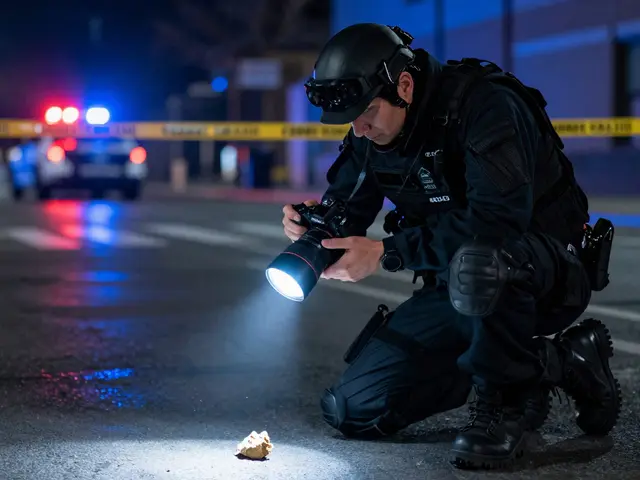
- Visual Inspection First: Before touching anything, shine a flashlight at an angle across the surface. Hair casts shadows. This helps you spot strands on dark fabrics or carpets that would otherwise be invisible.
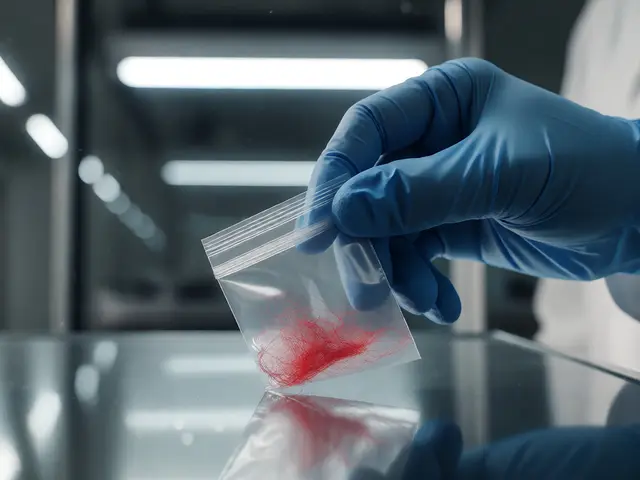
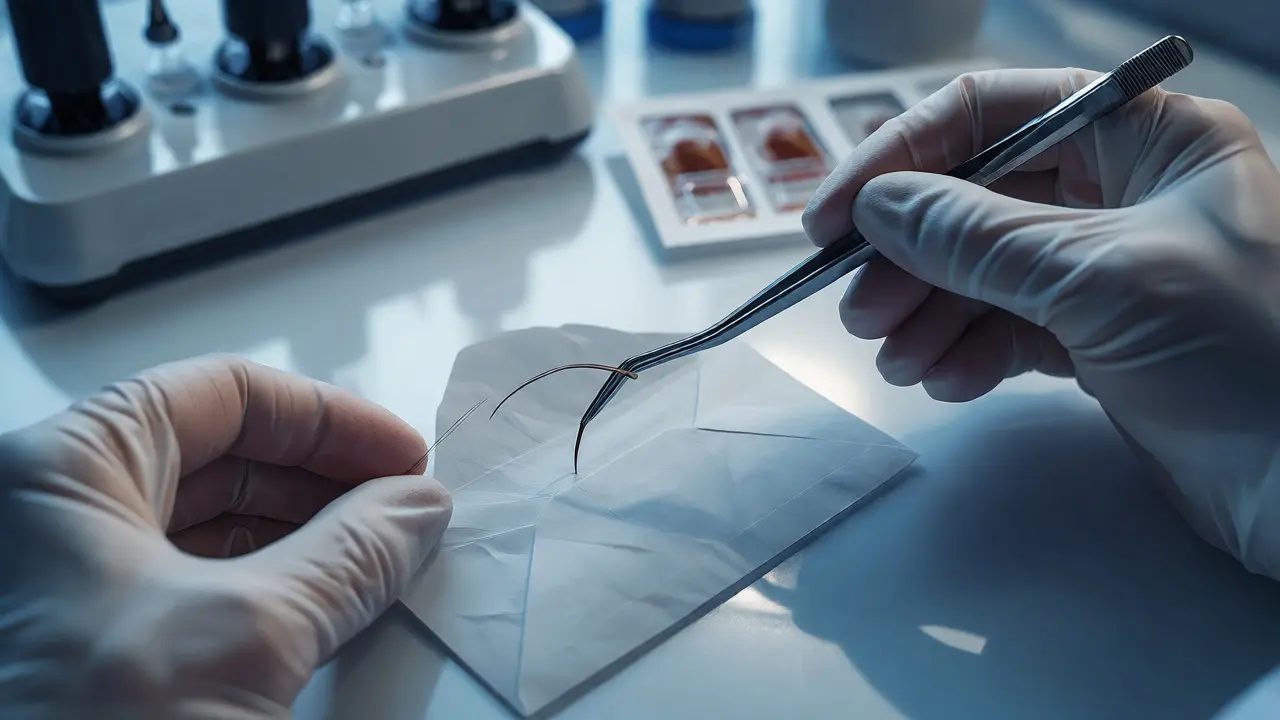
- Gloves and Tweezers: Always wear clean gloves. Use blunt-tipped forceps to pick up visible hairs. Never use sticky tape directly on a hair if you want to preserve the root. Tape can pull the root cells out of the follicle.
- The Vacuum Method: For loose fibers, use a vacuum with a filter trap. Do not suck directly onto a hair you see. Pick it up manually. The vacuum is for the dust and micro-fibers around it.
- Root Preservation: If a hair has a root (the white bulb at the end), place it in a paper envelope, not plastic. Plastic traps moisture. Moisture breeds mold. Mold eats DNA. Paper breathes. It keeps the sample dry until it gets to the lab.
Why does this matter? Because nuclear DNA, which gives you a unique profile matching a specific individual, is mostly found in the root sheath. If the root is missing, you’re left with mitochondrial DNA (mtDNA). mtDNA is inherited maternally. It can link a hair to a maternal lineage-your mother, her mother, her sister-but it cannot distinguish between siblings or cousins on that side. It’s powerful, but it’s not a fingerprint.
Microscopic Analysis: What the Lab Actually Does
Once the evidence hits the lab bench, the microscopical examination begins. This is a comparative process. Analysts don't work in a vacuum. They need reference samples.
If a suspect is arrested, police must collect "known head hair" from them. This usually means pulling 20-25 hairs from various parts of the scalp. Why so many? Because hair varies within one person. The hair on the front of your head looks different than the hair on the back. The lab compares the questioned hair against this broad range of known variations.
| Feature | Human Hair | Animal Hair |
|---|---|---|
| Cuticle Scale Pattern | Small, flat, imbricate (overlapping) | Larger, varied (spinous or coronal) |
| Medulla Width Ratio | Usually less than 1/3 of total width | Often greater than 1/3, sometimes continuous |
| Pigment Distribution | Uniform or random clumps | Dense, uniform, or banded |
| Shape of Cross-Section | Oval to round | Varies widely by species |
This table isn't just academic trivia. It’s the basis of exclusion. If a hair found on a victim’s jacket has a spinous cuticle scale (like a cat) and a thick medulla, the analyst can confidently state it is not human. Case closed on that specific piece of evidence. No DNA test needed. This saves time and money.
DNA Extraction: The Nuclear vs. Mitochondrial Divide
Let’s talk about the elephant in the room: DNA. Everyone thinks every hair has DNA. False. Only about 10-20% of shed hairs have a viable root attached. Most fall out naturally during the telogen phase (resting phase) of growth. These shed hairs have no root. No root means no nuclear DNA.
So, what do labs do with a rootless hair?
They extract mitochondrial DNA. Every cell has hundreds of mitochondria, each containing its own DNA loop. Even if the nucleus is gone, the mitochondria remain in the shaft. However, mtDNA is tricky. It degrades faster than nuclear DNA. It’s also highly susceptible to contamination because it’s everywhere-on your hands, in the air, on the floor.
For nuclear DNA, the process involves dissecting the root. Technicians carefully peel away the sheath cells. They then run PCR (Polymerase Chain Reaction) tests to amplify the genetic markers. If successful, you get a STR profile (Short Tandem Repeat). This profile is entered into CODIS (Combined DNA Index System). If it matches a database entry, you have a hit.
But here’s the catch: interpretation. A match in CODIS isn't proof of guilt. It’s proof of presence. Maybe the suspect visited the house six months ago. Maybe they shook hands with the victim, transferring hair indirectly. Context is king. Hair evidence rarely stands alone. It supports other findings.
Contamination and Environmental Factors
Hair is porous. It absorbs things from the environment. This is both a curse and a blessing.
The Curse: Contamination. If a first responder touches a hair with bare hands, their skin oils transfer to the shaft. Later, when the lab tries to extract DNA, they might get a mixed profile-one part suspect, one part cop. This can muddy the waters. Strict chain-of-custody protocols exist to prevent this. Every bag, every tag, every handoff must be logged.
The Blessing: Toxicology. Because hair grows slowly (about 1 cm per month), it acts as a timeline. Drugs and toxins get incorporated into the cortex as the hair forms. By cutting the hair into segments and analyzing each segment, toxicologists can reconstruct a history of drug use. Did the victim take opioids three months before death? Or did they overdose right before? Segmental hair analysis can answer that.
Environmental exposure also changes hair appearance. Sunlight bleaches pigment. Chlorine from pools breaks down proteins. Heat styling alters the cuticle. An experienced analyst knows these signs. They won't mistake sun-bleached brown hair for blonde hair. They’ll note the damage and adjust their comparison accordingly.
Legal Admissibility and Common Misconceptions
Juries love hair evidence. It feels tangible. But defense attorneys attack it regularly. The main argument? Subjectivity. Microscopic comparison relies on human judgment. Two experts might disagree on whether two hairs are consistent.
Since the early 2000s, the field has tightened up. The FBI admitted past overstatements in hair testimony. Today, analysts are trained to use conservative language. They won't say, "The hair matches the suspect." They will say, "The questioned hair is microscopically consistent with the known head hair of the suspect." There’s a big legal difference between "consistent with" and "identical to." The former allows for coincidence; the latter claims certainty.
Also, consider secondary transfer. I shake your hand. Your hair falls on my sleeve. I go to a crime scene. My sleeve brushes against a wall. Your hair is now at the scene. Did you ever enter the room? Probably not. Hair travels easily. Investigators must account for this possibility when building their case.
Practical Tips for Investigators
If you’re working a scene today, keep these rules in mind:
- Photograph in Place: Before moving any hair, photograph it with a scale marker. Show its relationship to other objects. Was it on the pillow? On the gun? Location matters.
- Collect Standards: Don't just grab the suspect's hair. Collect standards from the victim too. And if possible, from household members. You need to exclude innocent sources.
- Check Clothing: Hairs cling to fabric. Shake clothing over a clean sheet outdoors. Look for embedded hairs in seams and collars. These are high-value targets.
- Document Everything: Note the lighting conditions, the surface type, and the weather. Humidity affects static electricity, which affects how hair sticks to surfaces.
Hair evidence isn't flashy. It doesn't glow in the dark like CSI TV shows suggest. It’s quiet, persistent, and detailed. When collected with care and analyzed with rigor, it provides a critical link in the chain of custody. It connects people to places, and sometimes, it solves cases that seemed cold for decades.
Can hair evidence prove identity without DNA?
No, not definitively. Microscopic analysis can determine if a hair is human or animal and compare physical characteristics like color, length, and texture. However, multiple people share similar hair traits. Without nuclear DNA from the root, hair is considered class evidence, meaning it links a suspect to a group of people, not necessarily a single individual.
How long does hair retain DNA?
Nuclear DNA in the root degrades relatively quickly, especially if exposed to heat, sunlight, or moisture. It may last weeks to months under ideal conditions. Mitochondrial DNA in the shaft is more durable and can persist for years, even centuries, in dry, cool environments. However, contamination remains a significant risk over time.
What is the difference between nuclear and mitochondrial DNA in hair?
Nuclear DNA is unique to each individual (except identical twins) and comes from the cell nucleus in the hair root. It provides a strong individual identifier. Mitochondrial DNA is inherited solely from the mother and is shared among maternal relatives. It is used when the root is missing, offering lineage information rather than unique identification.
Why shouldn't hair be stored in plastic bags?
Plastic traps moisture, which promotes bacterial and fungal growth. Mold can consume the organic material in the hair, destroying the DNA. Paper envelopes allow the sample to breathe and stay dry, preserving the integrity of the biological evidence until laboratory processing.
Can hair show drug use?
Yes. As hair grows, drugs and their metabolites are incorporated into the hair shaft from the bloodstream. By analyzing different sections of a hair strand, toxicologists can create a timeline of drug exposure, showing usage patterns over months or even years depending on hair length.