Quick Summary: Recovering the Invisible Clues
- micro-debris includes microscopic particles and chemical compounds found in fire scenes that provide critical evidence.
- Investigators must collect porous materials from the interface between charred areas and marginal burn zones to preserve integrity.
- Metal paint cans serve as the preferred container for volatile samples to prevent evaporation and contamination.
- The gas chromatograph-mass spectrometer identifies specific chemical profiles of ignitable liquids in debris.
- Standardized protocols from agencies like NIST ensure results withstand legal scrutiny and maintain reliability.
Understanding Micro-Debris in Fire Investigations
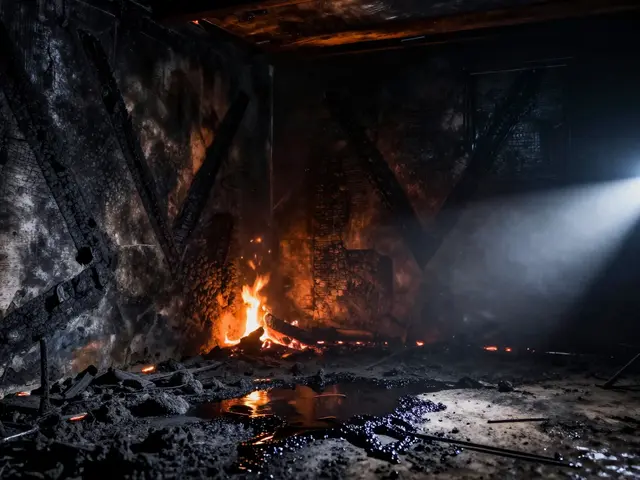
When you look at the remains of a burned structure, what you see is only part of the story. Underneath the obvious damage lies a layer of invisible data known as micro-debris. This material consists of minute particles, soot, and chemical residues that tell investigators exactly how a fire started and spread. Unlike large pieces of wood or broken glass, these microscopic traces require specialized handling to prevent loss or contamination before they reach the lab. Think of micro-debris as the physical memory of the event, capturing details that survive even when larger structures turn to ash.
Fire Debris Analysis is the forensic discipline focused on identifying ignitable liquid residues and other trace evidence from fire scenes to establish origin and cause. It sits alongside disciplines examining hair, fiber, paint, and glass as a category of trace evidence. The primary goal involves identifying accelerants such as gasoline, kerosene, or charcoal starter fluids that may indicate arson. Modern techniques have shifted away from purely subjective observation toward measurable, scientific identification processes. This evolution means courts can now rely more heavily on quantitative data rather than just an expert's intuition about whether something smells like fuel.
Protocols for Collecting Samples on Site
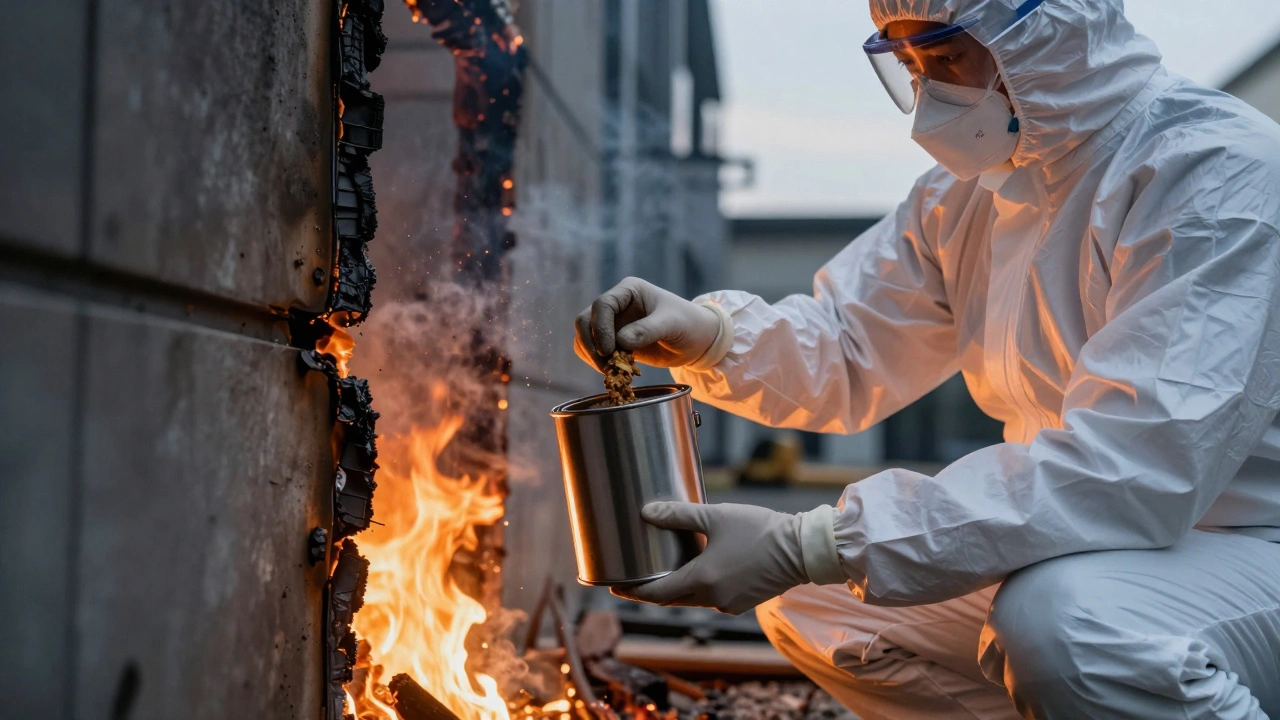
Collecting these tiny clues demands precision because improper sampling ruins the evidence before an instrument ever sees it. You cannot simply scoop up whatever ash looks suspicious from the center of the burn. Instead, protocols direct teams to target the interface zone. This area sits between the heavily charred region and the marginal burn zone near suspected points of origin. Porous materials in this transition area hold onto liquid residues better than fully consumed debris. Investigators must avoid areas where liquid might have been tracked in by shoes or splashed by wind, as these spots introduce external contaminants that confuse the analysis.
Different jurisdictions follow established guidelines, such as those from the Virginia Department of Forensic Science or the Utah Bureau of Forensic Services. These documents specify exact procedures to ensure the chain of custody remains unbroken. A common mistake involves collecting too much material. While you need enough sample for testing, bulk samples trap heat and moisture, promoting chemical degradation. Small, targeted collections yield better results in the vacuum of a mass spectrometer. Every step taken at the scene influences the final report issued weeks later.
Packaging and Preserving Volatile Compounds
Once you gather the debris, how you package it matters just as much as finding it. Standard cardboard boxes or plastic bags fail here because volatile chemicals penetrate them or react with the packaging material itself. The industry standard utilizes small, clean, unused, lined metal paint cans. These containers must have tight-fitting lids secured firmly during transport. You fill these cans no more than three-quarters full to allow space for efficient extraction later while protecting the ignitable liquids from evaporating into the headspace of the can too quickly.
| Material Type | Volatile Protection | Contamination Risk | Lab Compatibility |
|---|---|---|---|
| Metal Paint Cans | High | Low | Preferred |
| Glass Jars | Medium | Low | Acceptable Alternative |
| Plastic Bags | Poor | High | Not Recommended |
| Cardboard Boxes | Poor | Very High | Prohibited |
If you submit a plastic bag filled with wet debris, the solvent vapors escape immediately, leaving nothing for the analysts to measure. Metal cans offer the necessary barrier. Even so, comparison samples remain crucial. You must collect known materials matching the debris type-like unpainted wood or clean carpet-but deliberately avoiding any area where accelerants might have touched. This control allows the lab to distinguish between background chemical noise and genuine fire residue.
Laboratory Analysis Techniques and Instrumentation
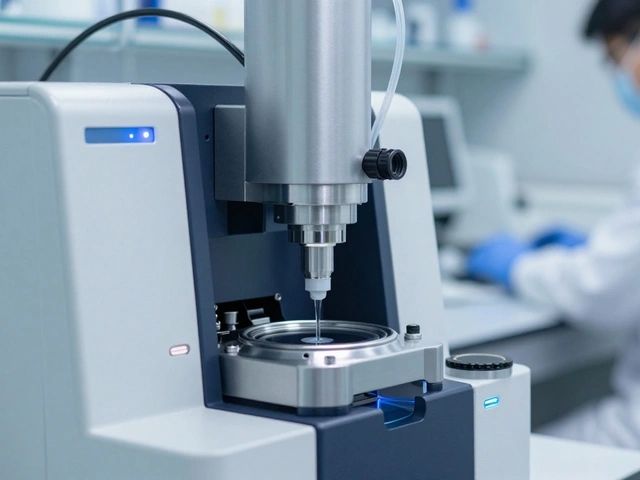
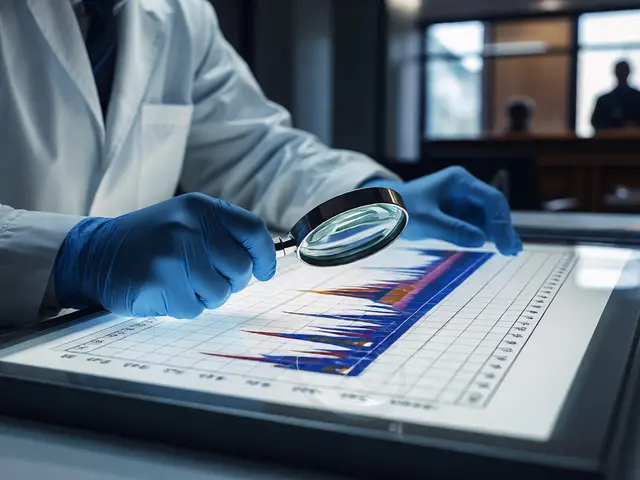
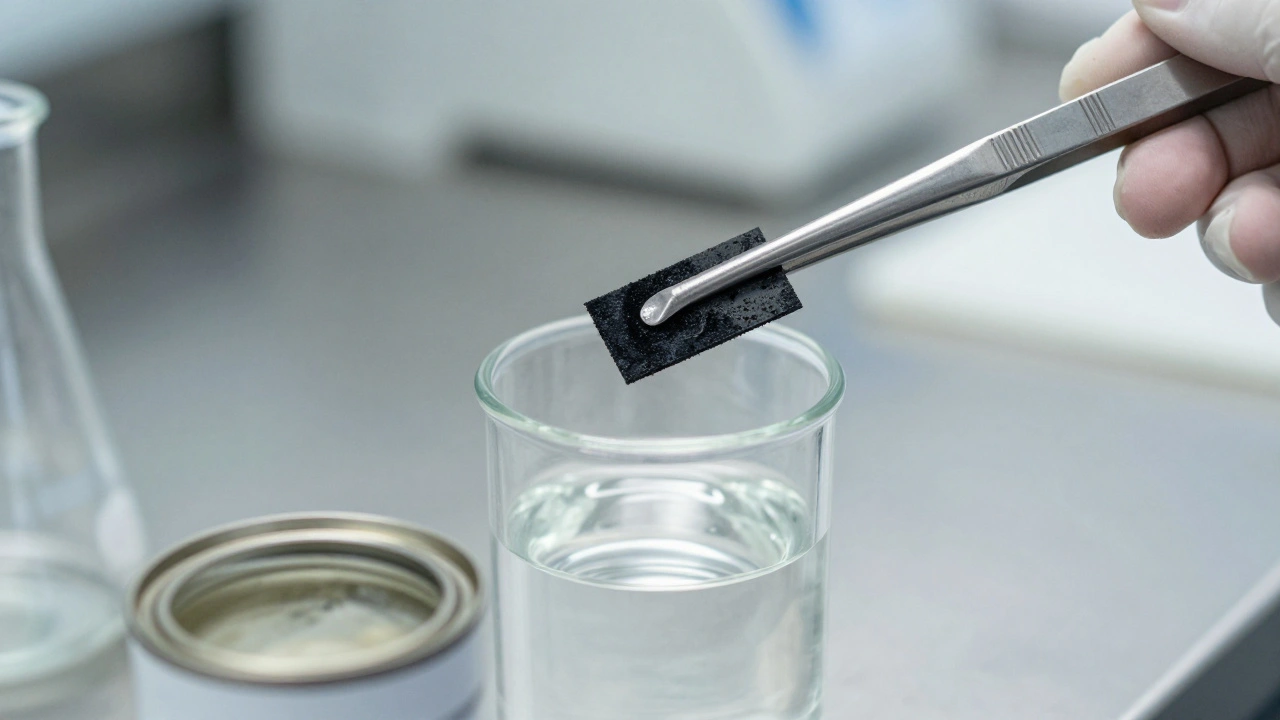
The real work begins after the sealed can arrives at the forensic facility. The primary tool for this job is the gas chromatograph-mass spectrometer (GC-MS). This instrument serves as the gold standard for separating and identifying complex chemical mixtures. The process starts by heating the sealed metal can containing a charcoal strip. This heat vaporizes possible ignitable liquid residues trapped within the debris. Examiners then remove the activated charcoal strip and place it into a solvent for analysis. The machine creates a distinct chromatographic profile, essentially a fingerprint of the chemicals present.
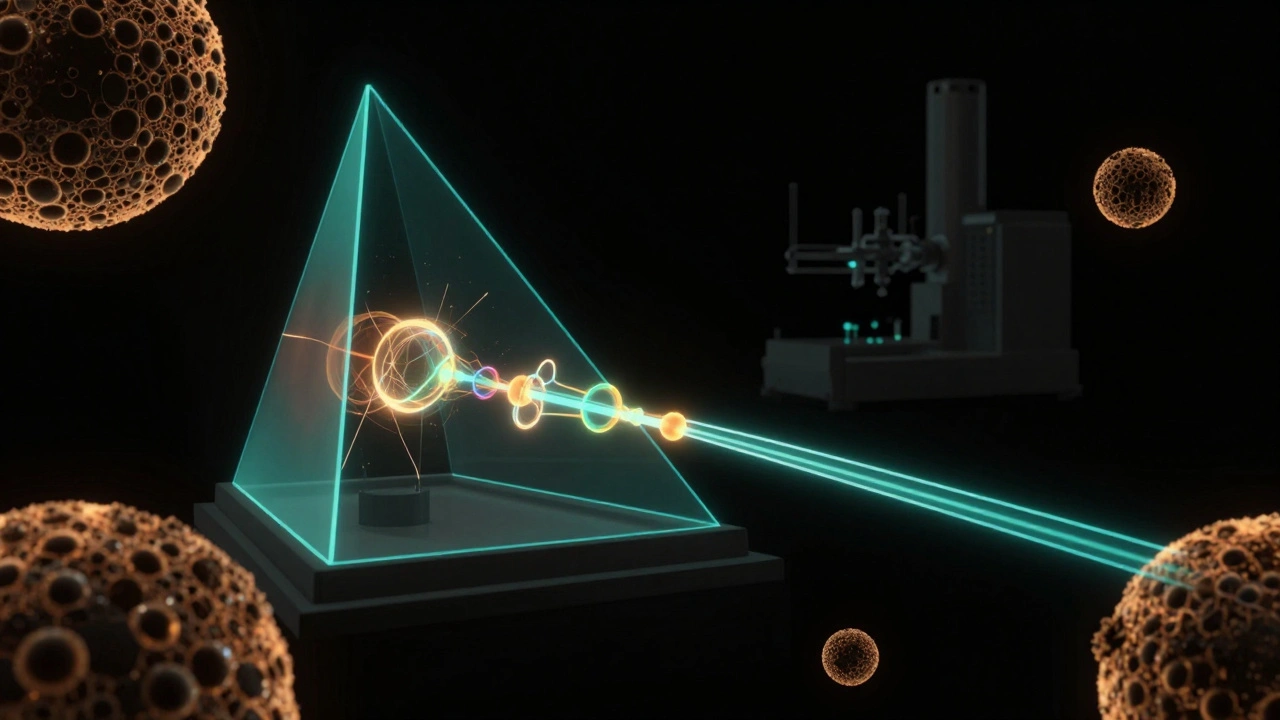
This technique provides both qualitative identification of specific compounds and quantitative measurement capabilities. Unlike older methods that relied on sniffing samples, GC-MS offers objective data that holds up under cross-examination. Researchers like Dr. Michael Sigman and Mary Williams developed specialized methods at the University of Central Florida to handle samples contaminated with pyrolysis byproducts. When wood burns, it creates its own chemicals that mimic fuel signatures. Advanced protocols filter out these thermal decomposition compounds so analysts see only the foreign accelerants introduced to start the fire.
Extraction kits, such as QuEChERS kits, represent another method utilized in modern labs. They employ salt-induced partitioning followed by solvent extraction and dispersive solid-phase extraction for sample cleanup. This approach isolates the target chemicals from the messy background of burnt organic matter. Some labs complement instrumental analysis with light and electron microscopy. This allows experts to examine soot composition and distribution patterns on a micro-scale level. Particle morphology and surface chemistry correlate with fire behavior, adding another layer of validation to the chemical findings.
Standardization and Quality Assurance
Reliability drives the entire forensic process. Inconsistent methods lead to unreliable verdicts. To combat this, organizations publish consensus standards. The National Institute of Standards and Technology (NIST) publishes an Analysis of Fire Debris Reference List, which consolidates authoritative guidance on examination methodologies. The Organizational Scientific Area Committee (OSAC) reference document further supports quality assurance in laboratory operations. These bodies work to ensure that a test result obtained in one state matches the validity of a test obtained in another.
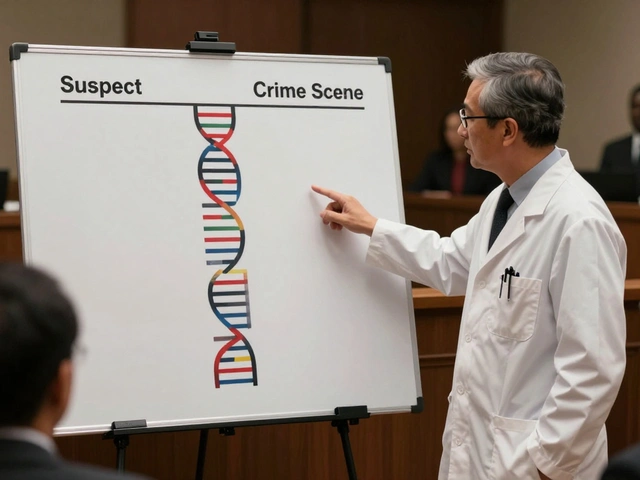
Historical limitations in fire debris analysis stemmed from subjective analyst interpretation. If two experts looked at the same pattern, they might give different conclusions. Contemporary research funded by the National Institute of Justice focuses specifically on providing error rates. Quantified error rates strengthen testimony in legal proceedings by showing how often the method fails versus succeeds. The Idaho State Police Fire Evidence Analytical Methods document establishes comprehensive protocols for analyzing evidence from fires of suspicious origin. It specifies that submitted samples may include burnt fire debris and various liquid types requiring differentiated analytical approaches. Using gas chromatography equipment equipped with mass selective detectors ensures consistency across cases.
Emerging Technologies in Field Detection
Technology continues to evolve beyond the stationary laboratory. NIST has developed a portable version of headspace analysis methodology for recovering trace chemicals from suspected arson scenes. A briefcase-sized portable kit enables detectives to carry convenient versions of the analysis technique directly to the fire scene. This tool identifies solid or liquid compounds based on the composition of vapors released into nearby air. While formal integration into standard operating procedures depends on validation studies, the potential exists for rapid on-scene assessment. This reduces the turnaround time between discovery and investigation decisions.
Companies like Microtrace LLC utilize GC-MS methodology to support investigations while complementing instrumental analysis with microscopy. They focus on characterizing agglomeration patterns that correlate with fire behavior. The ability to map chemical residue distribution helps reconstruct fire origin points more accurately. As these technologies mature, the gap between field observation and scientific verification narrows significantly. This trend suggests future arson investigations will become faster, more precise, and less reliant on circumstantial burn patterns alone.
Frequently Asked Questions
What defines micro-debris in a fire scene?
Micro-debris consists of microscopic particles, soot, and chemical residues found in fire scenes. It acts as trace evidence, similar to hair or fiber, providing critical data on fire origin and cause when analyzed for ignitable liquid residues.
Why are metal paint cans required for collection?
Metal paint cans provide a hermetic seal that prevents volatile ignitable liquids from evaporating. Plastic or cardboard allows vapors to escape or contaminate the sample, compromising the chemical analysis results.
What is the primary instrument used for analysis?
The gas chromatograph-mass spectrometer (GC-MS) is the primary analytical instrument. It separates chemical mixtures and generates a distinct profile to identify specific components of ignitable liquids trapped in debris.
How do labs distinguish fuel from burning wood?
Labs use specialized extraction methods to separate target ignitable liquids from pyrolysis byproducts. Burning wood releases chemicals that mimic fuel; advanced filters help isolate foreign accelerants from natural combustion byproducts.
Are there national standards for this evidence?
Yes, organizations like NIST and OSAC publish consensus standards and reference lists. These guidelines ensure laboratories maintain consistent, defensible, and reproducible analytical methods across different regions.