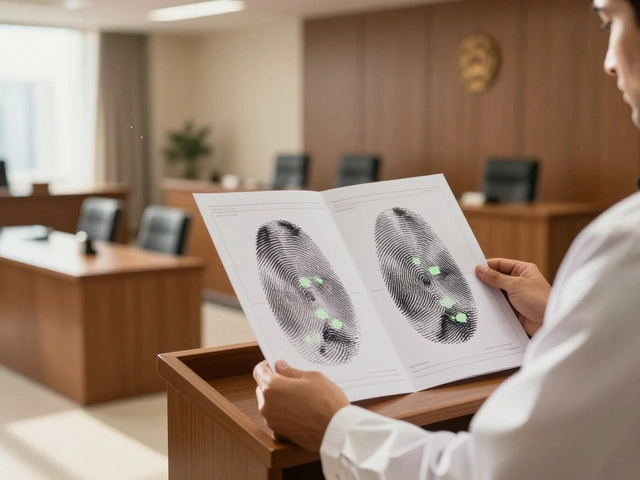
Tag: forensic analysis
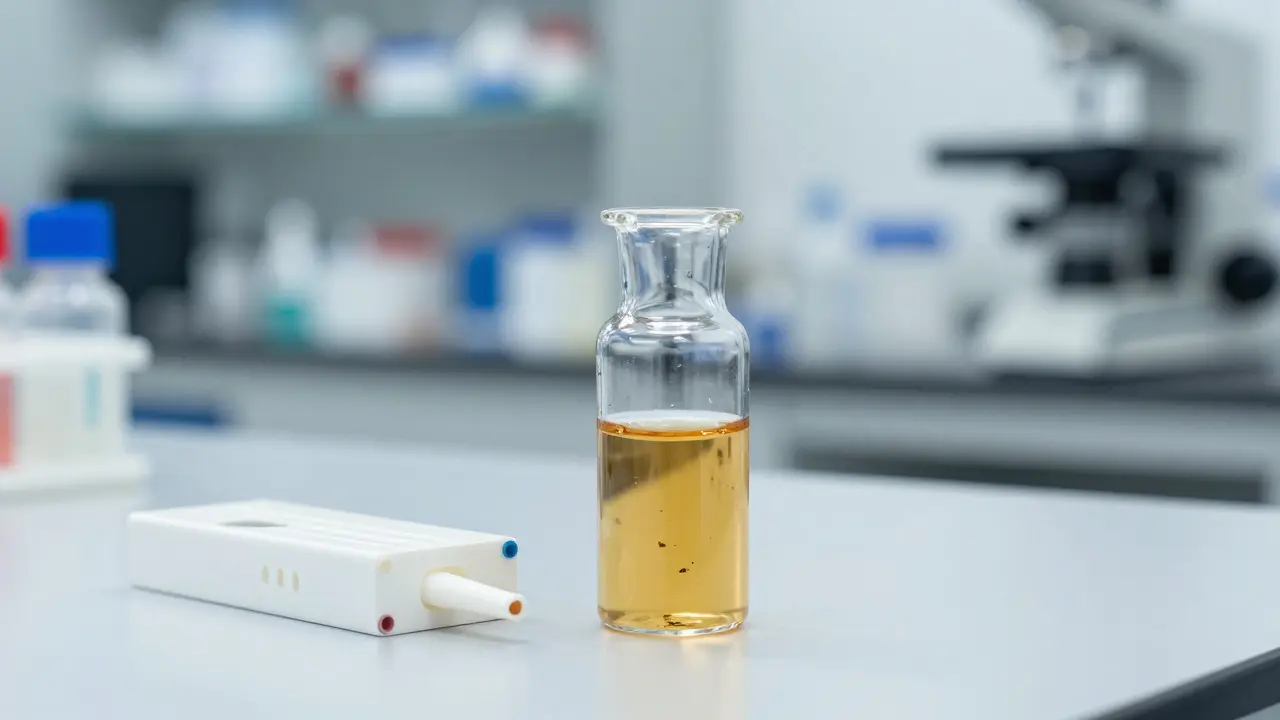
Solid-Phase Extraction: The Essential Guide to Sample Cleanup in Drug Testing
- By : Ian Brophy
- Date : Aug 20 2026
Learn how Solid-Phase Extraction cleans up drug samples for accurate testing. Covers sorbent selection, pH optimization, and validation metrics for forensic labs.
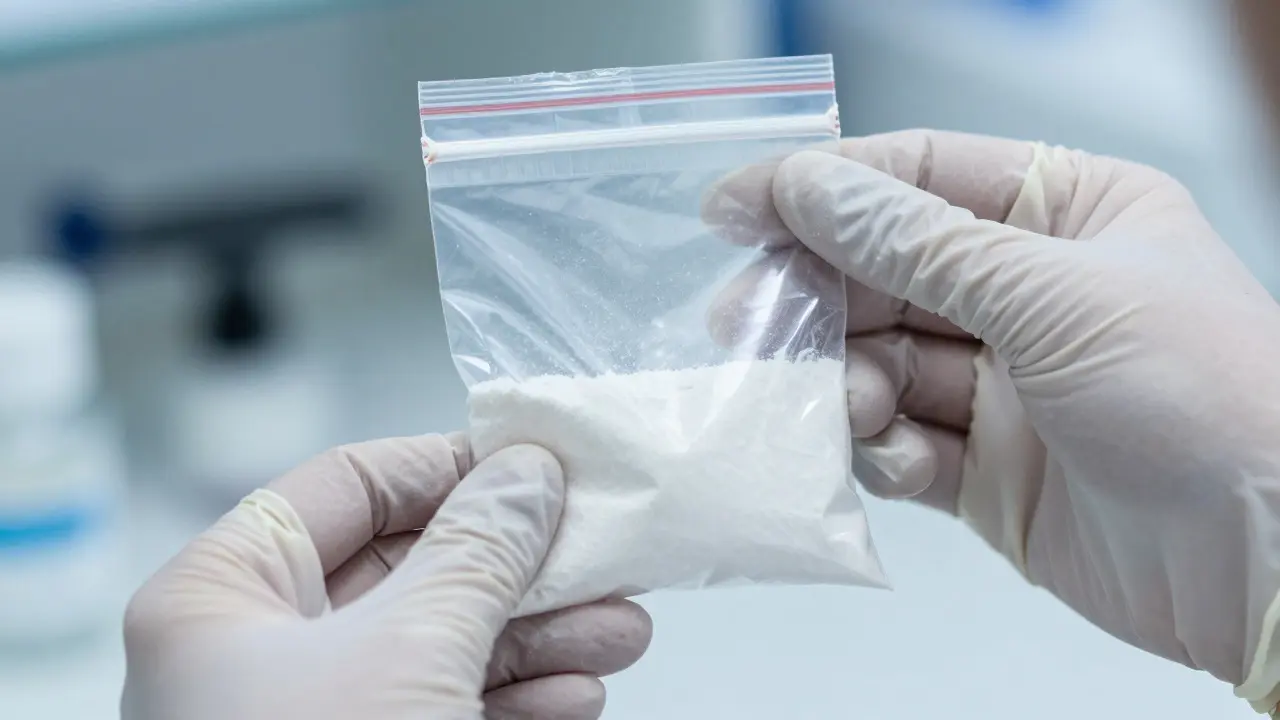
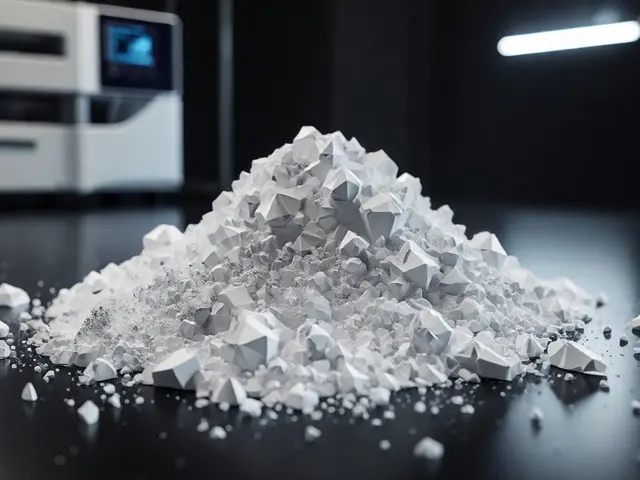
Unknown Powder Workups: Safety Protocols and Triage Decisions for Forensic Labs
- By : Ian Brophy
- Date : Aug 17 2026
Learn how to safely triage and analyze unknown powders in forensic labs. Covers risk assessment, presumptive testing, microscopy, and confirmatory methods for accurate drug identification.
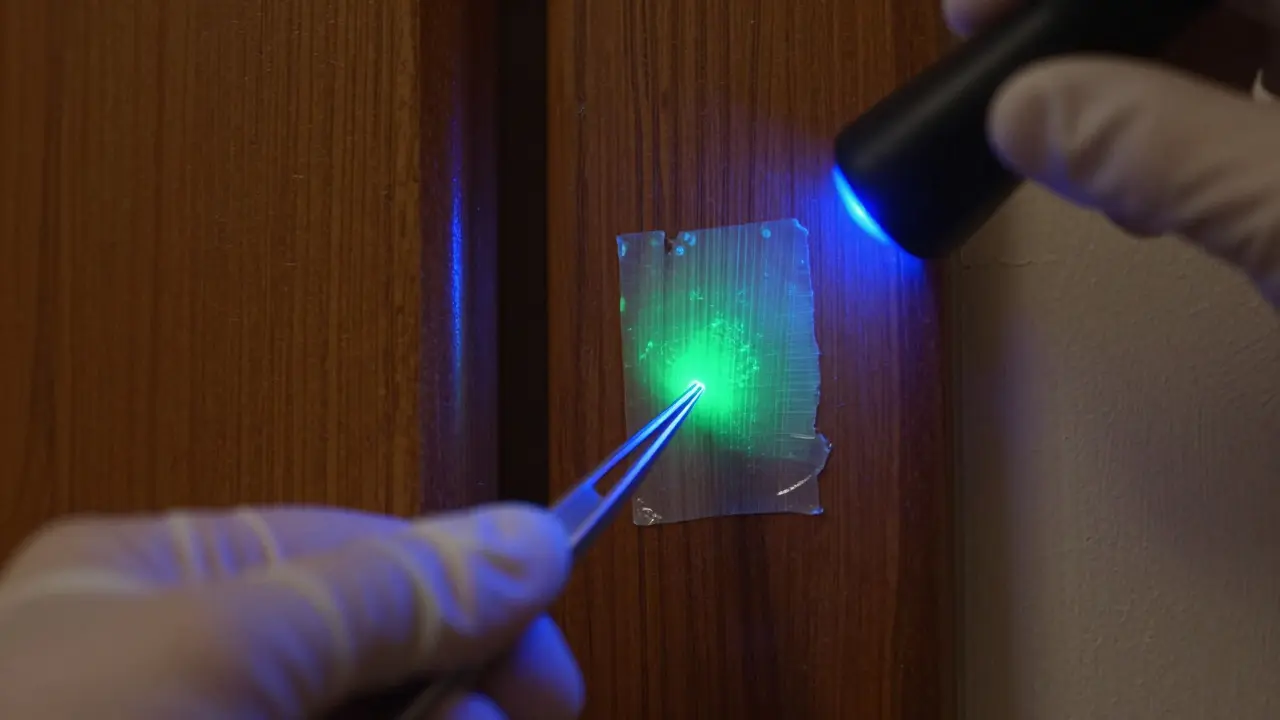
Adhesive Residue: The Hidden Evidence in Tape and Stickers
- By : Ian Brophy
- Date : Aug 17 2026
Discover how adhesive residue from tape and stickers serves as critical trace evidence in forensics. Learn about detection methods, chemical analysis, and real-world case examples.
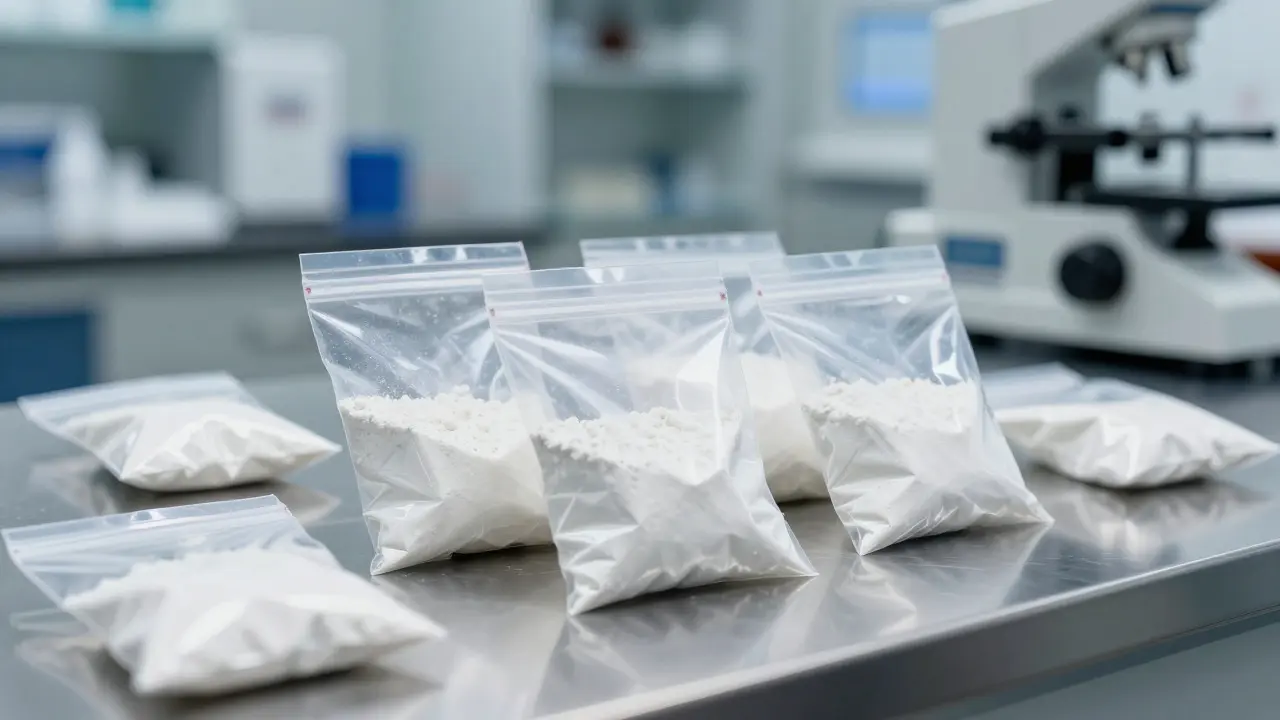
Cocaine Identification: Distinguishing from Adulterants in Forensic Analysis
- By : Ian Brophy
- Date : Aug 17 2026
Learn how forensic analysts distinguish cocaine from common adulterants like mannitol and lidocaine using microscopy, presumptive tests, and advanced instruments like GC-MS.
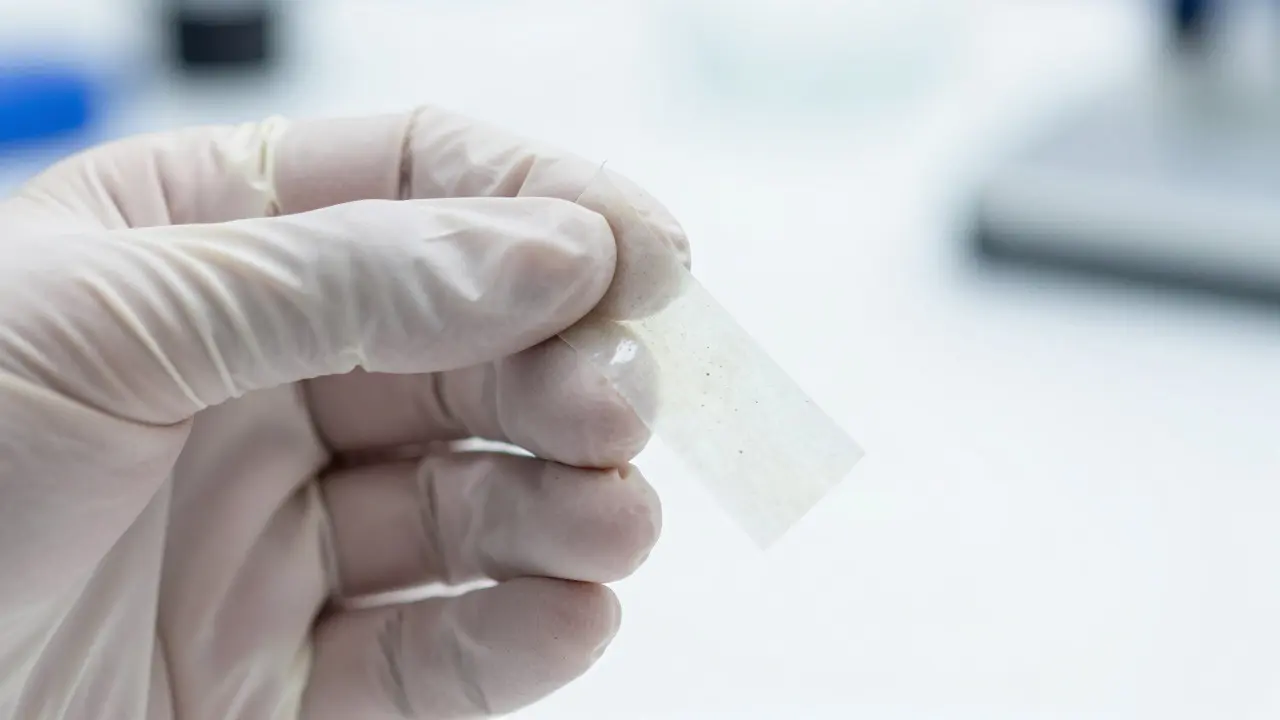
Gunshot Primer Residue vs. Environmental Particles: Forensic Identification Guide
- By : Ian Brophy
- Date : Aug 16 2026
Learn how forensic experts distinguish gunshot residue from environmental dust using shape, chemistry, and advanced lab techniques to avoid false evidence.
Fingerprint Pattern Types: Loops, Whorls, and Arches Explained
- By : Ian Brophy
- Date : Aug 16 2026
Learn the difference between loops, whorls, and arches. Discover how ridge counts and pattern types help forensic experts identify individuals with precision.
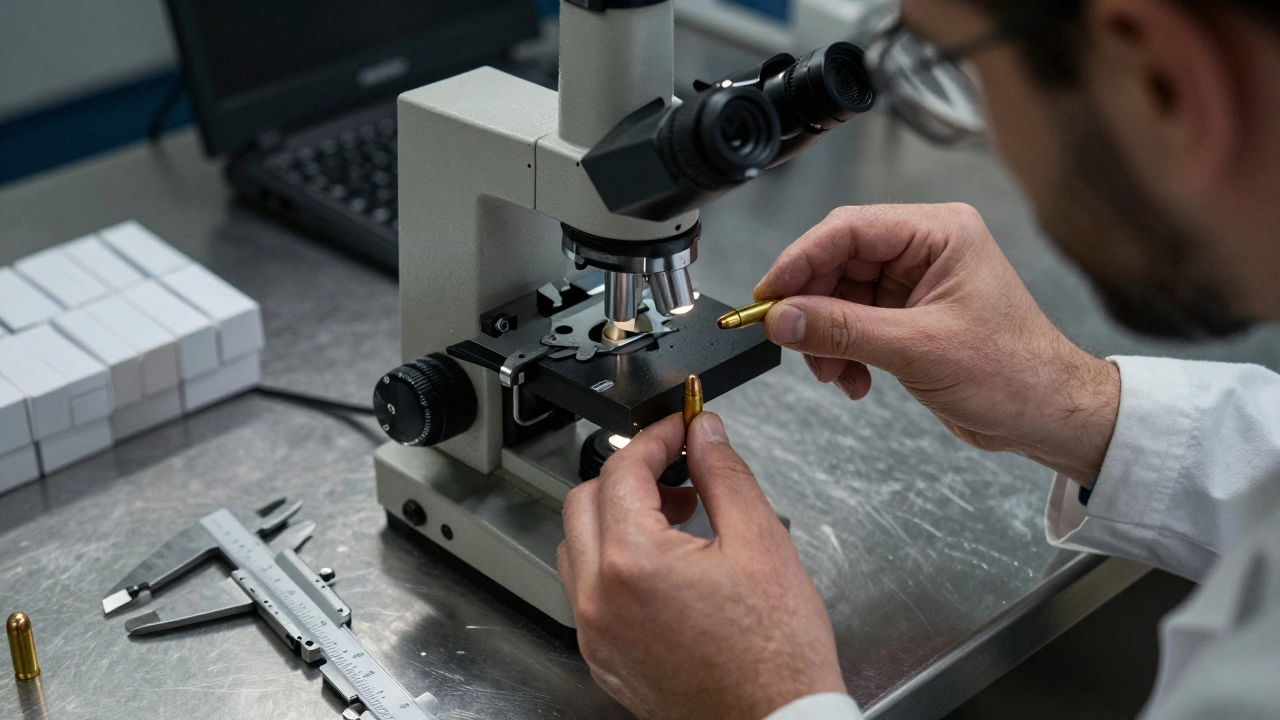
Firearms Examination: Complete Forensic Guide
- By : Ian Brophy
- Date : Mar 6 2026
Firearms examination uses microscopic markings on bullets and cartridge cases to link guns to crimes. This guide explains how forensic experts identify weapons, the tools they use, and how evidence is collected and tested in real-world cases.
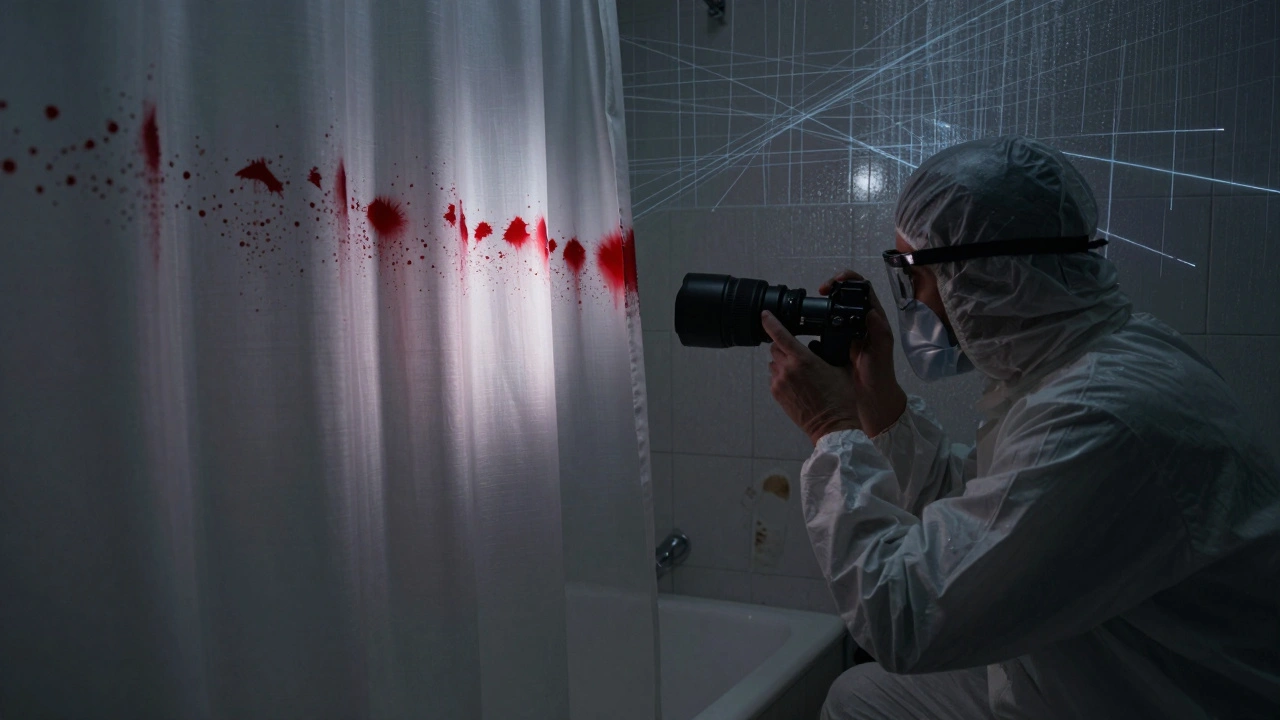
Secondary Mechanisms: Re-contact Spatter Recognition in Bloodstain Pattern Analysis
- By : Ian Brophy
- Date : Mar 1 2026
Re-contact spatter is a subtle but critical bloodstain pattern in forensic investigations. Unlike primary spatter, it results from secondary contact and can reveal hidden movements at a crime scene. Understanding its signs helps distinguish between accident, self-defense, and staged crime scenes.
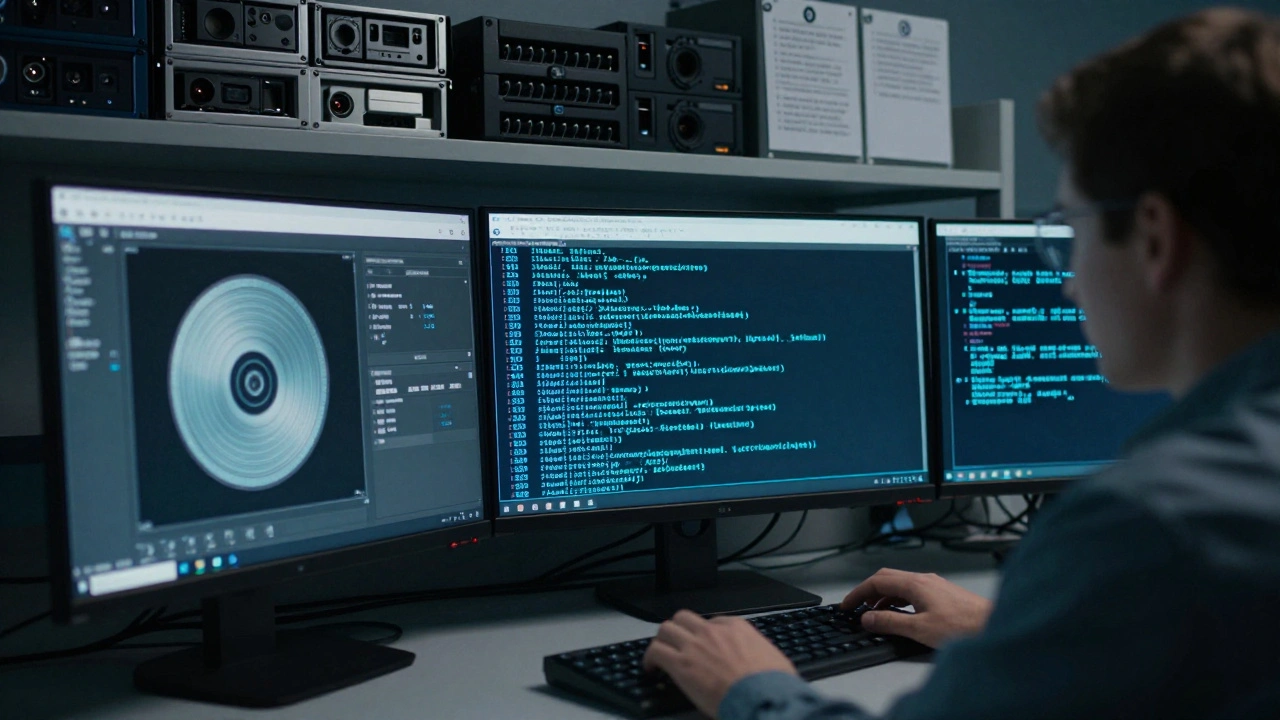
Registry Analysis: Windows System Information for Digital Forensics
- By : Ian Brophy
- Date : Feb 18 2026
Windows Registry analysis is a cornerstone of digital forensics, revealing user activity, installed software, network connections, and malicious persistence. Learn how to extract and interpret key registry hives like SAM, SYSTEM, and NTUSER.DAT for forensic investigations.