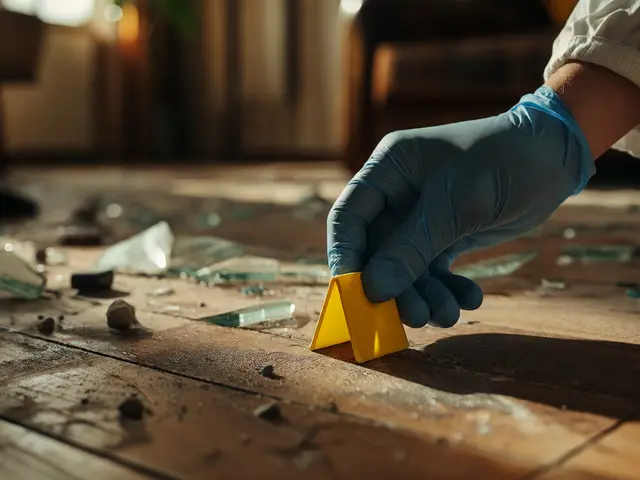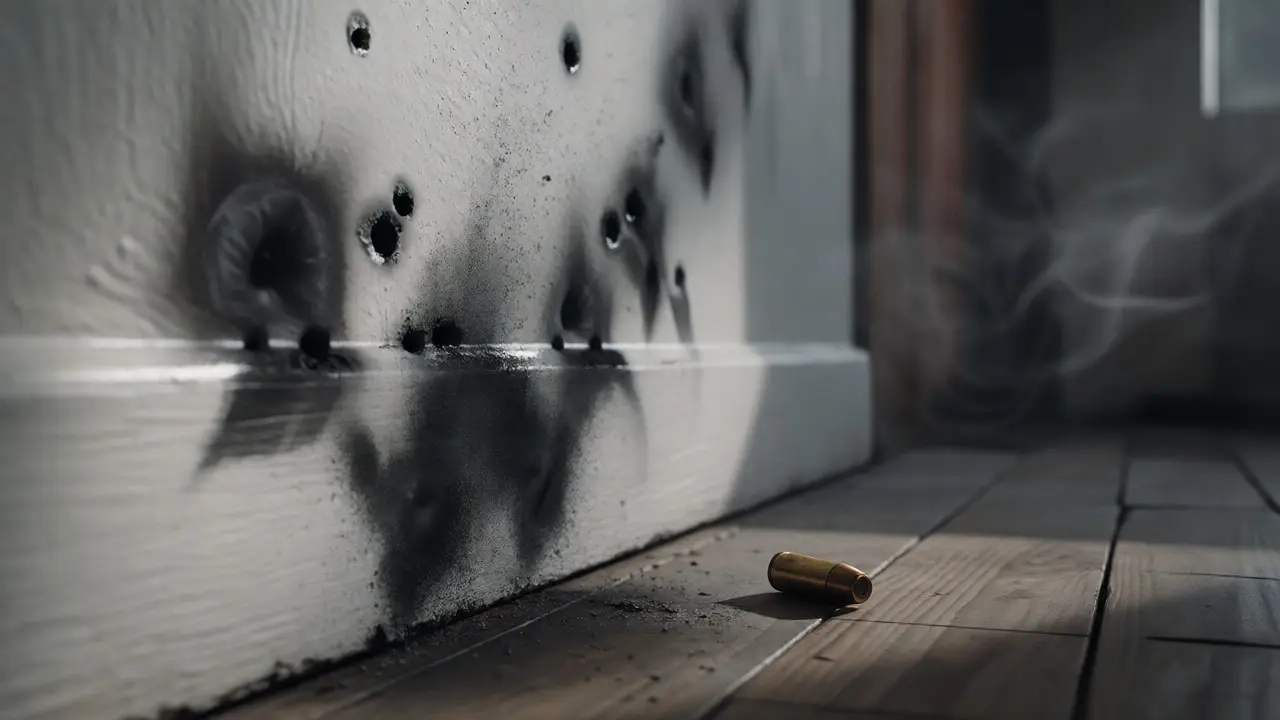
Imagine you’re a crime scene investigator in Portland, Oregon, walking into a room where a shooting just occurred. The silence is heavy, but the physical evidence tells a loud story. You spot the bullet holes, the shell casings, and the faint, dark smudges on the walls. But something feels off. The powder burn patterns are different than what you see with an unsuppressed weapon. This is the world of suppressor effects on ballistic evidence. It’s not just about noise reduction; it’s about how a device attached to the muzzle changes the physics of the shot and, consequently, the clues left behind.
If you’ve ever wondered why a suppressed shot leaves such distinct marks compared to a standard report, you’re asking the right questions. Forensic experts spend careers decoding these subtle differences. For law enforcement, understanding these patterns isn’t academic-it’s critical for reconstructing events and identifying shooters. Let’s break down exactly how suppressors alter ballistic evidence and what that means for the residue you find at the scene.
The Physics Behind the Suppression
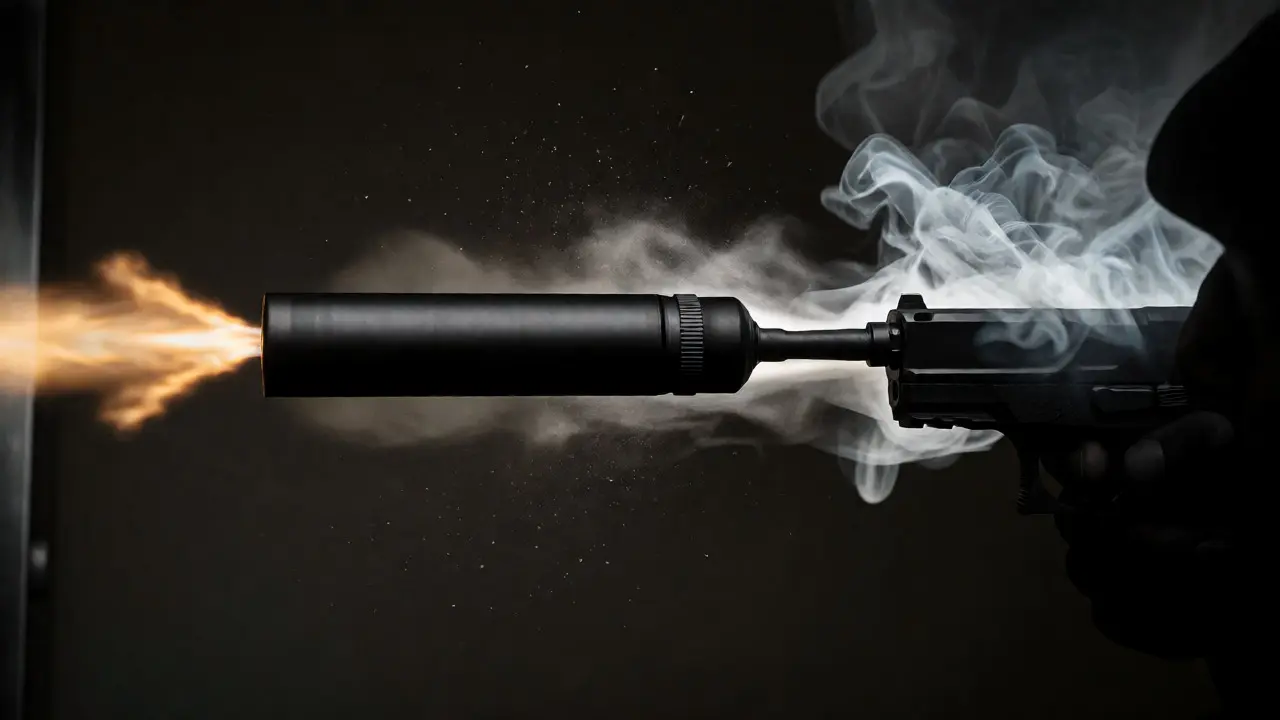
To understand the evidence, you have to understand the machine. A firearm suppressor, also known as a silencer, works by trapping expanding gases after a round is fired. In a standard handgun or rifle, those gases escape rapidly, creating the characteristic "bang" and pushing unburned powder out behind the bullet. When you attach a suppressor, you create a series of baffles that slow down this gas expansion. This process doesn’t stop the gases from exiting; it just delays them and cools them down significantly.
This delay has a profound impact on gunshot residue (GSR). Normally, GSR consists of tiny particles of lead, barium, antimony, and unburned propellant flakes. With a suppressor, the internal pressure dynamics change. Some of the particulate matter gets trapped inside the suppressor itself, while other particles are forced back toward the shooter due to the altered flow dynamics. This creates a unique signature that differs sharply from unsuppressed fire.
Altered Gunshot Residue Patterns
One of the most immediate observations in a suppressed shooting scenario is the distribution of residue. In an unsuppressed shot, the blast wave pushes residue forward and outward in a cone shape. With a suppressor, the residue pattern often becomes more diffuse and can appear closer to the muzzle. Why? Because the suppressor acts as a filter. It catches larger particles of unburned powder and metallic debris before they exit the barrel.
However, this filtration isn’t perfect. You’ll often find a higher concentration of specific chemical compounds near the target area because the smaller, lighter particles that make it through the baffles are carried by the slower-moving gas jet. This can lead to a phenomenon where the target shows signs of "dirty" shots-visible blackening or soot deposits-that might look like a close-range shot even if the distance was moderate. Forensic analysts must be careful here. Misinterpreting these dense soot patterns could lead to incorrect conclusions about firing distance.
| Evidence Type | Unsuppressed Firearm | Suppressed Firearm |
|---|---|---|
| Gunshot Residue (GSR) | Broad dispersion; large unburned powder flakes visible. | Fine particulate matter; reduced flake size; potential backflow to shooter. |
| Muzzle Blast | Strong forward shockwave; significant scorching. | Weakened forward blast; increased lateral venting around baffle gaps. |
| Bullet Trajectory | Standard velocity loss over distance. | Slight velocity reduction (5-10%); minor stability shifts. |
| Sound Signature | Audible crack and sonic boom. | Muffled report; no audible crack for subsonic rounds. |
The Role of Ammunition Choice
You can’t talk about suppressor effects without talking about ammunition. Most experienced users pair suppressors with subsonic ammunition. These rounds travel below the speed of sound (approximately 1,125 feet per second at sea level). Using subsonic ammo eliminates the supersonic "crack," which is a major component of the overall noise profile. But it also changes the ballistics.
Subsonic bullets are generally heavier and move slower. This affects how they interact with targets and barriers. A standard 9mm full-metal jacket round might fragment upon hitting drywall, but a subsonic 9mm round is more likely to penetrate cleanly or deform differently. At the crime scene, this means bullet fragments might be fewer in number but larger in size. Investigators looking for fragmentation patterns need to adjust their expectations. If you assume a high-velocity impact pattern, you might miss the true nature of the engagement.
Furthermore, the type of powder used in subsonic loads often differs from standard loads. Slower-burning powders are common, which can leave behind different chemical residues. Standard GSR testing kits look for lead, barium, and antimony, but the ratio of these elements can shift depending on the primer and powder composition. A skilled analyst will notice these nuances when comparing test fires from the suspect’s weapon against the evidence found on the victim’s clothing.
Backflow and Contamination Risks
Here’s a counterintuitive fact: using a suppressor can actually increase the amount of residue on the shooter. Because the suppressor traps gases and slows their release, some of that pressurized air vents backward around the slide or bolt mechanism of semi-automatic pistols. This is known as backflow.
In practical terms, this means the shooter’s hands, face, and chest may accumulate more GSR than usual. For forensic purposes, this complicates the interpretation of hand swabs. If a suspect claims they weren’t holding the gun during the incident, but their hands are covered in fresh GSR, a defense attorney might argue contamination. However, if the pattern matches the specific backflow signature of a suppressed pistol, it strengthens the prosecution’s case that the individual was actively firing the weapon. This is particularly relevant in indoor scenarios where ventilation is poor, allowing the fine particulates to linger in the air and settle on surfaces.
Impact on Bullet Trajectory and Velocity
While suppressors don’t dramatically alter the path of a bullet, they do introduce small variables. The added weight of the suppressor changes the balance point of the firearm, which can affect aim. More importantly, the interaction between the bullet and the suppressor’s first baffle can cause slight deviations. In rare cases, if the bullet strikes the baffle directly, it can cause a catastrophic failure of the suppressor, sending shrapnel flying in unpredictable directions.
Velocity loss is another factor. Tests conducted by the National Institute of Justice have shown that suppressors typically reduce muzzle velocity by 5% to 10%. While this seems minor, it matters at longer ranges. A bullet that loses speed drops faster due to gravity. If investigators are calculating trajectory angles based on entry and exit wounds, failing to account for this velocity drop could result in miscalculating the shooter’s position. Always verify if the weapon was equipped with a suppressor when performing trajectory reconstruction.
Collecting Evidence at a Suppressed Scene
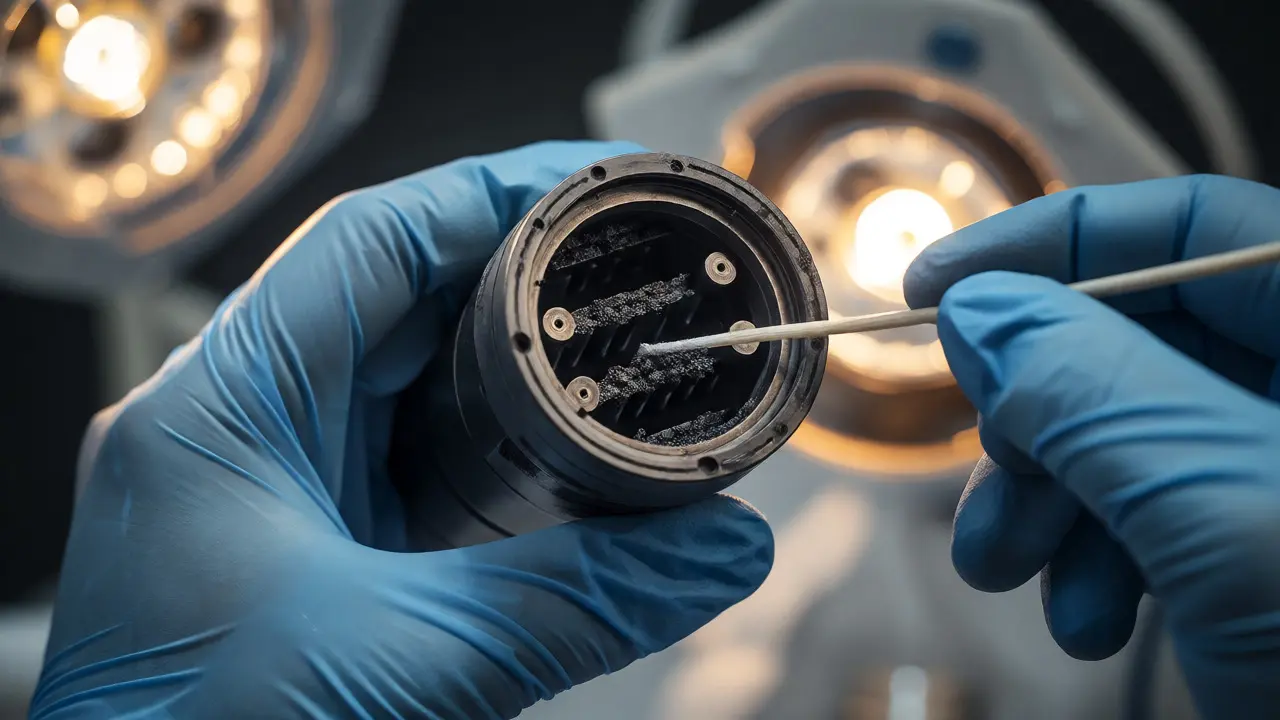
If you’re collecting evidence from a scene involving a suppressed firearm, your approach needs tweaks. First, pay close attention to the interior of the suppressor if it’s recovered. It’s a goldmine of trace evidence. Swabbing the internal baffles can yield DNA from the user or unique microscopic debris that links the suppressor to a specific shooting event.
Secondly, expand your search radius for GSR. Due to the diffusion effect, residue might be found on surfaces that wouldn’t normally catch it in an unsuppressed shot. Check ceiling fans, light fixtures, and upper wall sections. The turbulent airflow created by the delayed gas release can carry particles higher and further than expected.
Finally, document the condition of the suppressor carefully. Carbon buildup levels can indicate how many rounds were fired recently. A heavily fouled suppressor suggests sustained use, whereas a clean one might imply it was just installed or rarely used. This contextual data helps build a timeline of the suspect’s actions leading up to the incident.
Common Misconceptions About Suppressors
Pop culture has done us dirty. Movies show suppressors making guns silent, like a whispered "pfft." In reality, a suppressed gunshot is still loud enough to damage hearing-often around 130-140 decibels. It’s quieter, sure, but not silent. This misconception leads to errors in witness testimony. Witnesses might underestimate the proximity of the shooter because the report was muffled. They might think the shot came from further away than it actually did. Investigators must correct for this perceptual bias when interviewing witnesses.
Another myth is that suppressors eliminate all muzzle flash. They don’t. They reduce it, especially with modern powder formulations, but a bright flash is still visible in low-light conditions. This flash can be crucial for establishing line-of-sight visibility in nighttime incidents. Don’t dismiss the possibility of visual confirmation of the muzzle flash simply because a suppressor was present.
Legal Implications and Admissibility
In court, the presence of a suppressor can influence the narrative. Prosecutors often view suppressors as tools of intent, suggesting premeditation or an attempt to avoid detection. Defense attorneys, conversely, might argue they were used for hearing protection or tactical advantage. The ballistic evidence serves as the neutral arbiter here. Clear documentation of the residue patterns, velocity tests, and trajectory analysis provides objective data that cuts through subjective arguments.
Ensure that any expert witness testifying about suppressor effects is well-versed in current firearms technology. Older studies might not account for modern polymer suppressors or advanced subsonic load developments. Staying current with industry standards ensures that your testimony holds up under cross-examination.
Frequently Asked Questions
Do suppressors completely eliminate gunshot residue?
No, suppressors do not eliminate gunshot residue. They alter its distribution and composition. Larger particles may be trapped within the suppressor, while finer particles are dispersed differently. Backflow can also increase residue accumulation on the shooter.
How does a suppressor affect bullet velocity?
A suppressor typically reduces muzzle velocity by approximately 5% to 10%. This occurs because the trapped gases exert back-pressure on the bullet as it exits the barrel, slightly slowing it down compared to an unsuppressed shot.
Can investigators tell if a gun was suppressed just by looking at the bullet hole?
Not definitively on its own. While there may be less scorching or different fragmentation patterns, other factors like ammunition type and distance play significant roles. Corroborating evidence, such as recovered suppressors or GSR analysis, is usually required for confirmation.
Why is backflow important in forensic investigations?
Backflow directs gases and residue backward toward the shooter. This increases the likelihood of finding GSR on the shooter's hands and clothing, providing stronger physical evidence linking the suspect to the act of firing the weapon.
Are subsonic rounds necessary for effective suppression?
While not strictly necessary, subsonic rounds are highly recommended. They eliminate the supersonic crack, which is a major source of noise. Using subsonic ammo maximizes the effectiveness of the suppressor and alters the ballistic profile in ways investigators must account for.