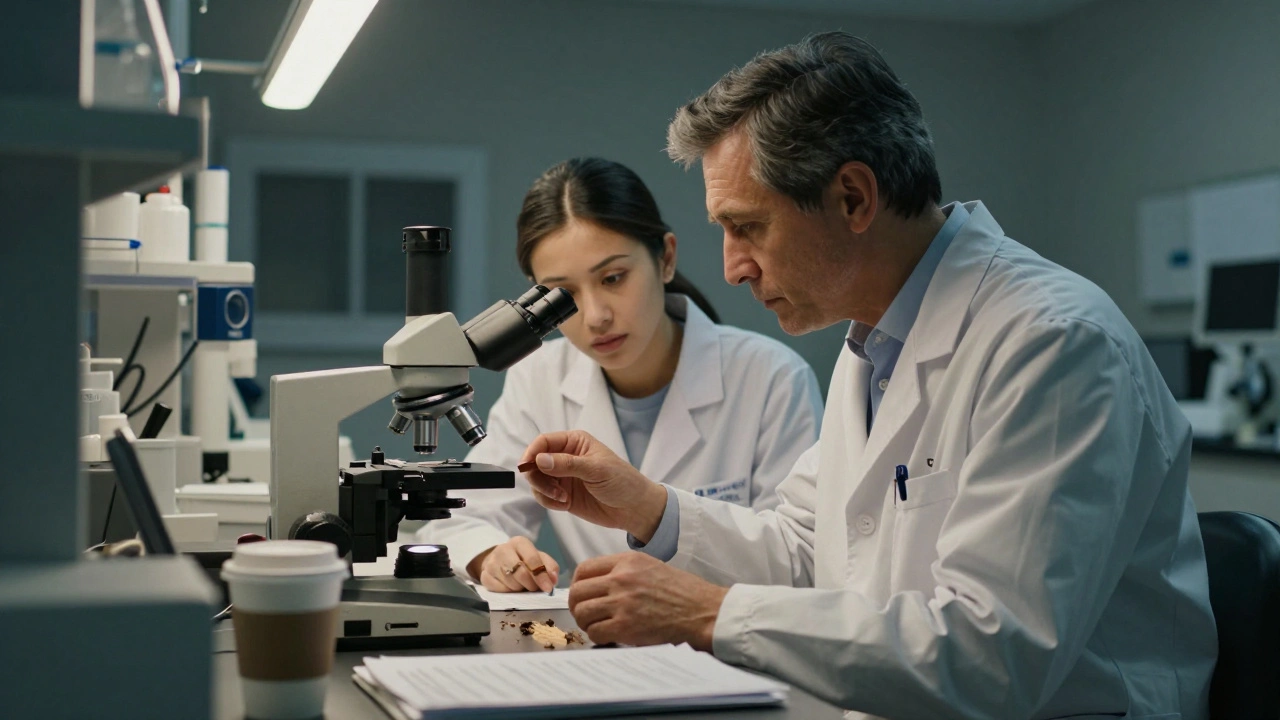
Forensic science isn’t just about DNA, fingerprints, and crime scene photos. It’s about people-people who pass down skills, judgment, and quiet confidence to the next generation. If you’re new to forensics, you might think your training ends when you finish school. It doesn’t. The real learning starts when you find someone who’s been there, done that, and still cares enough to show you how it’s done. And if you’ve been in the lab for a while, you might not realize that your experience is exactly what someone else needs to survive their first year.
Why Mentorship Matters in Forensics
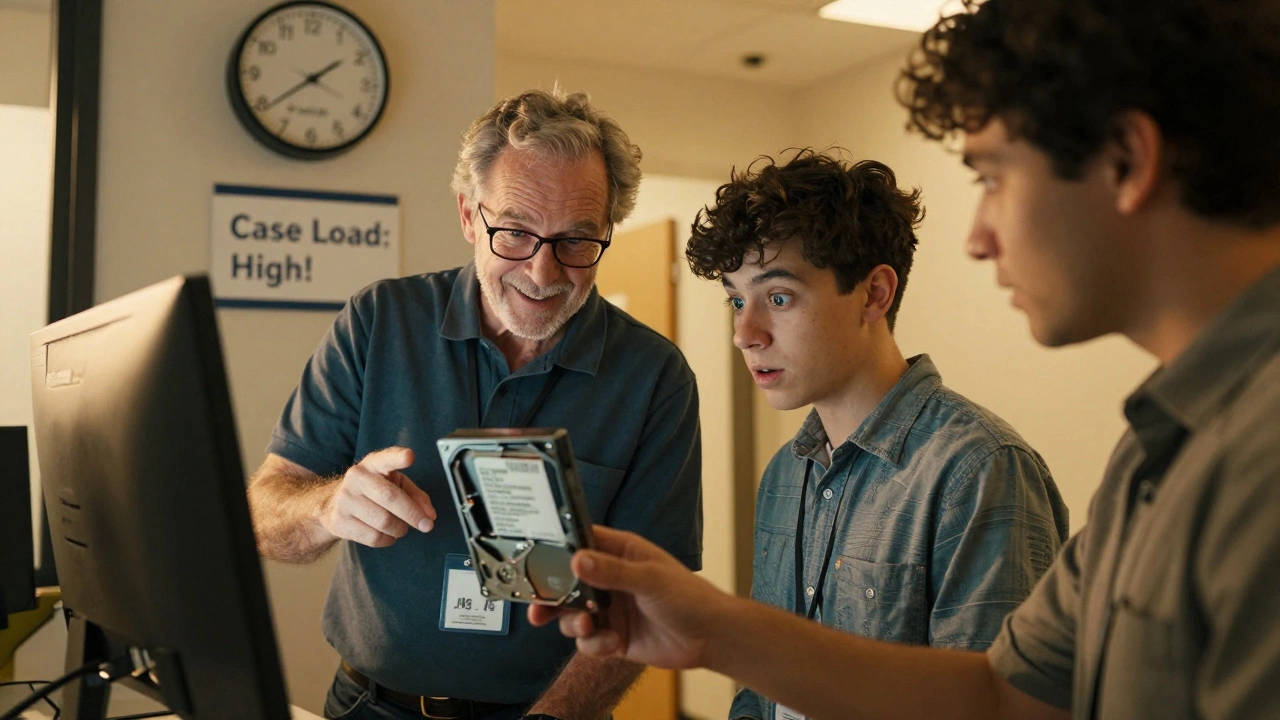
Forensic labs are under pressure. Caseloads are high. Staffing is low. Turnover is common. And yet, the work doesn’t stop. One wrong interpretation of a bloodstain pattern or a misstep in chain-of-custody documentation can derail an entire case. That’s why mentorship isn’t optional-it’s a safety net.
Studies show that forensic professionals who have mentors are more likely to stay in the field. Not because they’re paid more, but because they feel seen. They know someone has their back. When you’re stuck on a complex case at 2 a.m., knowing there’s a mentor who’s seen this before makes all the difference.
It’s not just about technique. It’s about culture. Mentorship helps new hires understand the unspoken rules: how to talk to a detective without sounding defensive, how to testify without freezing, how to say no to overtime without burning out. These aren’t taught in textbooks. They’re passed down.
How to Find a Mentor in Forensics
Don’t wait for someone to notice you. Be intentional. Here’s how to find the right mentor:
- Start with your lab. Look around. Who do you admire? Not necessarily the boss. Maybe it’s the analyst who always stays calm during testimony, or the trace evidence tech who can spot a fiber no one else can. Ask them for coffee. Not to ask for a job. Just to learn.
- Join professional organizations. The American Academy of Forensic Sciences (AAFS) is a professional organization that offers formal mentorship programs connecting experienced forensic scientists with early-career professionals. Their program includes a matching system, goal-setting templates, and flexible meeting formats-monthly calls, quarterly in-person meetups, even video chats if needed.
- Attend conferences. Don’t just sit in the back. Ask questions after talks. Stick around for networking breaks. Say, “I really liked your point about contamination control-would you mind if I emailed you a question later?” Most mentors appreciate the initiative.
- Use academic partnerships. Some labs partner with colleges. If you’re a student, ask if your school has a mentorship program with a local forensic lab. In one program, students met with mentors for 90-minute in-person sessions, followed by monthly workshops on communication and ethics. Over 91% of students rated it “excellent.”
Remember: a mentor doesn’t have to be your supervisor. They don’t even need to work in your exact discipline. A DNA analyst can mentor a firearms examiner. A digital forensics expert can help a crime scene technician understand chain-of-custody logic. The connection matters more than the title.
What Being a Mentor Really Looks Like
Being a mentor sounds noble. But in practice, it’s messy. It’s not about giving lectures. It’s about showing up.
Here’s what successful forensic mentors do:
- They share mistakes. Not just the wins. “I once mislabeled a sample. It took three weeks to fix. I thought I’d lose my job.” That kind of honesty builds trust faster than any checklist.
- They give feedback, not orders. Instead of saying, “Do it this way,” they ask, “What did you think happened here?” Then they guide the answer.
- They protect time. You don’t need to drop everything. A 1-hour monthly check-in, a 30-minute walk after a shift, or even a quick text saying “I saw your report-good call on the contamination note”-adds up.
- They don’t fix everything. Let your mentee struggle. A little discomfort leads to growth. Your job isn’t to solve their problem. It’s to help them learn how to solve it.
One mentor in a Midwest lab told me, “I used to think mentoring was a chore. Then I realized: I’m the reason that new tech didn’t quit after her first murder case. She’s the one who caught the fiber link in the arson case last month. I didn’t find that fiber. She did. And she learned how because someone took five minutes to say, ‘You’re not alone.’”

Formal vs. Informal Mentorship
There are two kinds of mentorship in forensics-and both work.
Formal mentorship is structured. Think AAFS programs, lab-sponsored pairings, or university-lab partnerships. These often come with:
- Written goals
- Regular check-ins
- Training for mentors
- Documentation of progress
These are great for new hires who need structure. But they can feel rigid. That’s where informal mentorship shines.
Informal mentorship happens over lunch, in the break room, after a long shift. It’s unplanned. It’s organic. It’s when you say, “Hey, I’m doing this report-wanna look it over?” or “I’m testifying next week. Any advice?”
Research shows that informal relationships often lead to deeper bonds. One study found that students who had even one informal mentor during their internship were three times more likely to pursue a career in forensics. The key? Consistency. Not frequency.
Specialized Mentorship: Child Interviewers and Peer Mentors
Some forensic roles need unique mentorship models.
Child forensic interviewers, for example, work with trauma survivors. Their training isn’t just technical-it’s emotional. The Wisconsin Department of Justice is a state agency that provides structured mentorship opportunities for child forensic interviewers through experienced peers who offer feedback, supervision, and emotional support. Their mentors aren’t just experts in questioning techniques-they’re trained in trauma-informed communication. They know when to pause, when to push, and when to say, “You don’t have to do this alone.”
Then there’s peer mentorship, especially in trauma-informed settings. These mentors aren’t necessarily senior analysts. They might be someone who’s been through similar personal struggles. Their power comes from saying, “I’ve been there. I’m still here.” This isn’t about expertise-it’s about hope. And in forensics, where burnout is real, that kind of connection saves lives.
What Mentors Gain Too
People think mentoring is one-way. It’s not.
When you mentor, you:
- Sharpen your own communication skills
- Revisit the basics you forgot
- Gain fresh perspectives from younger colleagues
- Rediscover why you chose this field
One senior trace analyst told me, “I was ready to retire. Then I started mentoring a new hire. She asked questions I hadn’t thought about in 15 years. Suddenly, I saw the work differently. I’m not done yet.”
Mentoring doesn’t drain you. It recharges you.
Challenges and How to Overcome Them
It’s not easy. Labs are understaffed. Casework piles up. Time is tight.
Here’s what gets in the way-and how to fix it:
- “I don’t have time.” Start small. One 30-minute conversation a month. That’s it. You don’t need a formal program. Just show up.
- “Virtual mentoring doesn’t work.” True-especially for new programs. In-person is better. But if you’re remote, try video calls with shared screens. Walk through a report together. Say, “Show me how you’d explain this to a detective.”
- “My boss doesn’t support it.” Don’t wait for permission. Be the change. Find a peer. Start with one person. Word spreads.
- “I’m not qualified.” You don’t need to be a director. You just need to be one step ahead. You’ve seen a case. You’ve made a mistake. You’ve learned. That’s enough.
The biggest barrier isn’t time. It’s fear. Fear that you’ll say the wrong thing. Fear that you’re not enough. But here’s the truth: your mentee isn’t looking for perfection. They’re looking for presence.
Where to Start Today
If you’re looking for a mentor:
- Identify one person in your lab or network you respect.
- Send a simple message: “I’ve been following your work on [specific case or technique]. I’d love to buy you coffee and ask a few questions-no pressure, just curious.”
- Meet. Listen. Don’t ask for a job. Ask for insight.
- Follow up. Send a thank-you. Share something you learned.
If you’re ready to be a mentor:
- Look for someone who seems quiet, unsure, or overwhelmed.
- Approach them: “I noticed you’re working on [X]. I went through something similar last year. Want to grab 15 minutes?”
- Share one story. Not a lecture. One real moment: “I messed up. Here’s how I fixed it.”
- Keep showing up.
Mentorship in forensics isn’t about titles. It’s about trust. It’s about saying, “I see you. And you’re not alone.”
Can I be a mentor if I’m not a supervisor?
Absolutely. Mentorship isn’t about rank-it’s about experience. You don’t need to be the lab director. If you’ve handled a complex case, learned from a mistake, or figured out how to testify clearly, you have something valuable to offer. Many of the most effective mentors are mid-level analysts who’ve been in the trenches longer than their mentees.
How much time does mentoring take?
It doesn’t have to be much. Formal programs often ask for 1-3 hours per month. Informal mentoring can be as little as 15 minutes a week-a quick chat after shift, a text asking how a report went, or a coffee break where you share one lesson you learned. Consistency matters more than duration.
Is virtual mentorship effective in forensics?
It can be, but in-person connections work better-especially early on. Research shows that when students and new analysts meet face-to-face, they’re more likely to open up, ask deeper questions, and build trust. Virtual mentoring works best for follow-ups or when geography makes in-person meetings impossible. Don’t skip the coffee.
What if my lab doesn’t have a mentorship program?
Start one. You don’t need approval from the top. Find one person to mentor, or one person to mentor you. Begin with a simple coffee meeting. Share one story. Ask one question. Word spreads. Many labs only formalize mentorship after someone quietly proves it works.
Can mentors help with career transitions?
Yes. Mentors can help you navigate moving from academic labs to crime labs, switching from DNA to digital forensics, or preparing for leadership roles. They can guide you on certifications, recommend courses, and even connect you with others in your target area. They’ve been there. They know the hidden steps.
Forensics is a field built on evidence. But the strongest evidence of all isn’t in the lab-it’s in the relationships. The ones where someone took the time to say, “I believe in you.” That’s what keeps the work alive. That’s what keeps people in the field. And that’s what you can give-and receive.