In high-stakes litigation, the difference between winning and losing often hinges on one specific technical failure: a gap in the validation of digital evidence. You might think you have captured the smoking gun-a corrupted database or a hidden email-but if the acquisition process isn't legally defensible, that evidence vanishes before reaching the jury. Court-admissible forensic imaging validation is not just about making a copy; it is a rigorous lifecycle of verification, documentation, and preservation designed to survive intense cross-examination.
This guide breaks down exactly how to validate forensic imaging so it holds up in a courtroom. We look beyond the software settings to address the legal frameworks that define admissibility, the technical protocols required to maintain integrity, and the human processes needed to document the entire journey of the data from seizure to presentation. Whether you are a seasoned examiner or a legal strategist managing digital assets, understanding these standards prevents your evidence from being ruled inadmissible.
The Legal Threshold for Admissibility
Before discussing technology, you must understand the legal gatekeepers. In the United States, the primary hurdle is the Federal Rules of Evidence (FRE), specifically Rule 901 regarding authentication. The proponent of the evidence must prove that what they are showing is what they say it is. This is where many forensic reports fail; they provide a hash value but lack the contextual testimony linking that hash to a specific moment and location.
To satisfy Rule 901, digital evidence requires more than just technical accuracy. It demands a narrative.
FRE Rule 901 mandates that evidence must be authenticated by sufficient proof showing the item is genuine.Beyond authentication, the reliability of the scientific method used to create the evidence is tested through either the Daubert or Frye standards, depending on your jurisdiction. The Daubert Standard, widely used in federal courts, requires the judge to act as a gatekeeper, assessing whether the methodology is scientifically valid and applied correctly. If your imaging tool has not been validated against known datasets, or if the operator cannot demonstrate training in its use, the evidence may be excluded regardless of its content.
Conversely, the Frye Standard focuses on general acceptance within the relevant scientific community. While older, it still influences state-level decisions. Enhanced digital imaging and bit-for-bit copying are generally accepted techniques, but the specific implementation matters. For example, using an outdated hashing algorithm like MD5 alone is increasingly risky in 2026. Most courts expect SHA-256 or similar robust hashes to demonstrate collision resistance.
Technical Integrity and Imaging Protocols
The core of validation lies in the acquisition phase. You cannot rely on standard operating system file copies. Dragging and dropping files alters metadata and changes access times, immediately triggering reasonable doubt. Instead, forensic imaging must be performed at the sector level, creating a complete duplication of the source media.
| Requirement | Standard Practice | Risk of Deviation |
|---|---|---|
| Copy Method | Bit-for-Bit (Raw Image) | Metadata Loss / Data Gaps |
| Integrity Check | Cryptographic Hash (SHA-256) | Tampering Unnoticed |
| Protection | Hardware Write Blocker | Inadvertent File Modification |
| Documentation | Full Audit Log | Chain of Custody Break |
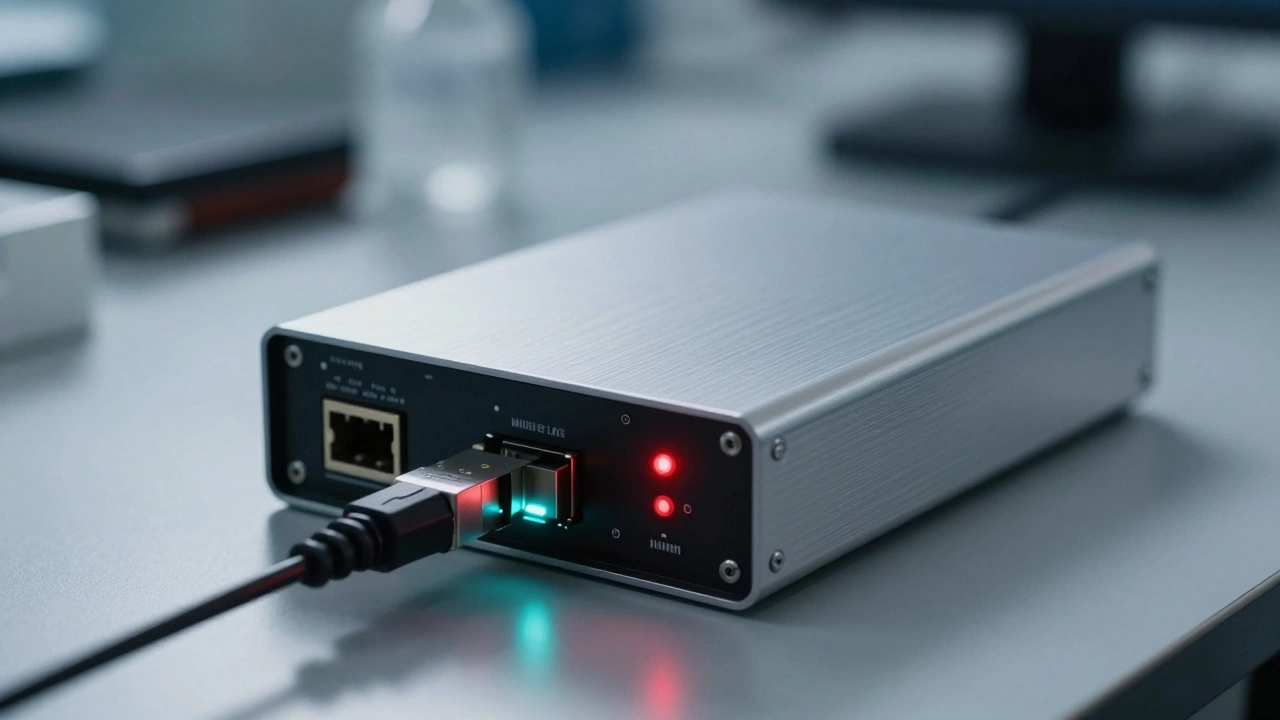
A critical component here is the use of a hardware write blocker. This device sits physically between the suspect drive and the acquiring computer, ensuring that not a single byte can be written back to the source. Software-based blocking exists, but hardware devices offer superior protection against accidental writes during the connection handshake process.
Cryptographic hashing is your mathematical signature of authenticity. When you acquire a drive, you calculate a hash value-typically SHA-256-for every sector. If even a single bit flips during the transfer, the resulting hash will differ completely. This provides objective proof that the forensic image is identical to the original. Courts view this mathematical certainty favorably, but only if the calculation is documented and repeatable.
Maintaining the Chain of Custody
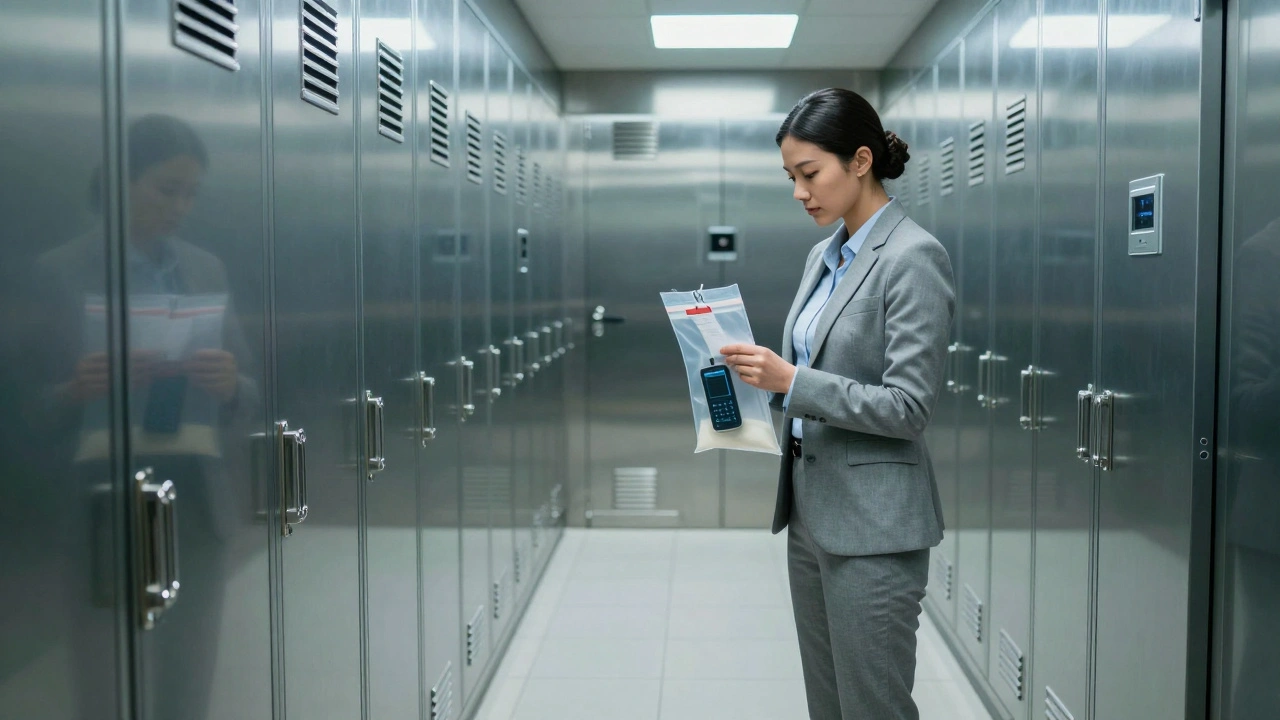
Technical perfection means nothing without a proper Chain of Custody (CoC). This is the chronological record that documents who handled the evidence, when, and why. A break in the CoC creates a loophole for defense attorneys to argue contamination or tampering. Every time the storage medium moves from a locker to a lab bench, or is connected to an analysis workstation, it must be logged.
The documentation must be granular. Generic entries like "examined by technician" are insufficient. You need timestamps down to the second, specific device serial numbers, and the exact nature of the interaction (e.g., "mounted in read-only mode," "viewed via virtual machine").
Consider a scenario where a hard drive is transferred between two agencies. If the transfer log shows a six-hour gap where the drive was unaccompanied, the opposing counsel will challenge its admissibility. To prevent this, modern protocols require digital handover signatures or secure courier tracking integrated into the custody log.
Global Compliance and Emerging Standards
As investigations cross borders, you must adhere to international frameworks. One of the most comprehensive is ISO/IEC 27037.
ISO/IEC 27037 provides guidelines for identification, collection, acquisition, and preservation of digital evidence globally.This international standard complements national rules by emphasizing the preservation of the context in which evidence was found. For instance, simply imaging a phone is not enough; documenting the battery life percentage, signal strength, and physical state of the device at capture becomes part of the admissible record.
In the European Union, the eIDAS regulation significantly impacts how digital signatures and timestamps are treated. Qualified timestamps issued by recognized trust service providers carry presumptive legal validity. If your forensic workflow includes eIDAS-compliant signing, you reduce the burden of proving authenticity later. This is increasingly relevant as remote acquisition becomes common, requiring evidence collected across different jurisdictions to hold weight universally.
Additionally, privacy laws like the GDPR impose strict limits on what you can collect. Over-imaging can lead to sanctions even if the evidence is otherwise technically sound. You must scope your acquisition to what is strictly necessary for the investigation, validating that you did not inadvertently harvest personal data irrelevant to the case.

Courtroom Presentation and Expert Testimony
The final stage of validation happens on the witness stand. Even a perfectly executed investigation can fail if the report is unintelligible to a layperson. The forensic expert must translate technical hash values and hex dumps into a coherent story that the jury understands.
Testimony typically follows a structured approach:
- Qualification: Demonstrating the examiner's expertise and training in the specific tools used.
- Process Description: Explaining the step-by-step methodology to the court.
- Tool Validation: Confirming that the software employed is reliable and industry-standard.
- Result Explanation: Interpreting the findings without speculating.
Opposing counsel will focus on potential weaknesses. They may ask if the tool has ever produced false positives, if the examiner skipped a step, or if the environment was controlled. Preparing for these challenges involves keeping detailed lab notebooks that mirror the automated logs. If the log says a drive was imaged at 10:00 AM, but the notebook entry was signed at 4:00 PM, the discrepancy undermines credibility.
Avoiding Common Pitfalls
Inexperienced examiners often fall victim to avoidable errors. One frequent mistake is neglecting to document the condition of the device upon receipt. Scratches, loose ports, or cracked screens affect admissibility regarding how damage occurred.
Another pitfall is failing to update forensic tools. As operating systems evolve, file systems change. Using legacy software on modern devices may result in partial recovery that looks like a "gap" to a jury, rather than a software limitation. Tool validation reports should be updated annually.
Finally, never analyze the original source directly unless absolutely impossible. Always work on a forensic image. Analyzing the live drive destroys the integrity of the original data, violating the cardinal rule of non-modification.
Is cloud storage considered admissible evidence?
Yes, provided the platform provides audit logs and the acquisition preserves the metadata. Cloud evidence often requires cooperation with the service provider to establish the chain of custody from the server side.
Can I use free software for court admissible imaging?
Generally, yes, but commercial software is safer. Free tools must be rigorously validated and the examiner must be able to defend their operation in court. Commercial suites usually come with built-in validation logs.
What happens if the hash values don't match?
A mismatch indicates alteration. You cannot use the copy as a substitute for the original. You must re-image the source immediately to verify if the drive has changed.
Does encryption invalidate evidence?
Not necessarily. Encrypted drives can be admitted as evidence, though their contents may not be readable. The existence of encryption itself can be probative.
How long must I retain forensic images?
Retention depends on statutes of limitations and organizational policy. Typically, you must keep evidence for the duration of the legal proceedings plus several years after conclusion.