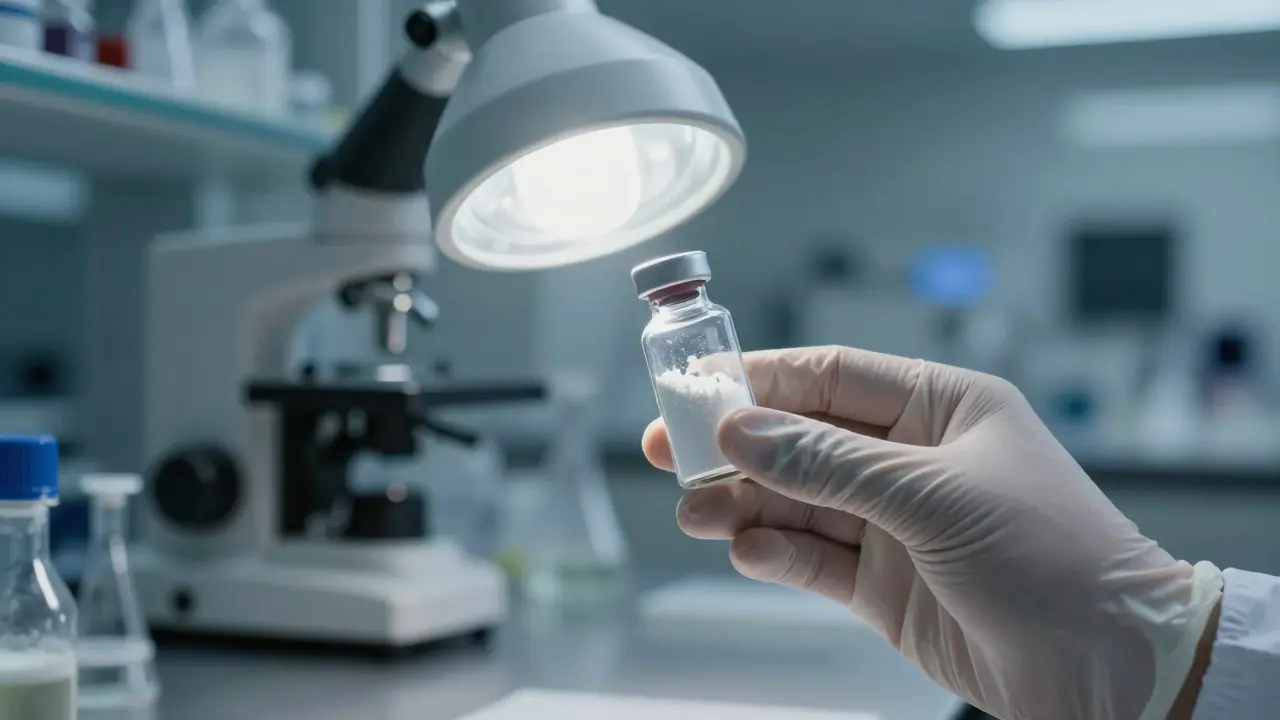
Imagine a detective staring at a vial of white powder. It looks like cocaine. But the lab results tell a different story. The suspect claims it was pure, yet the patient in the hospital has swollen lips and low white blood cell counts. This is where cutting agent profiling becomes critical. It’s not just about identifying the main drug; it’s about uncovering the invisible partners that change the legal outcome, the medical risk, and the source of the supply.
In the world of forensic science, cutting agents are no longer just "filler." They are chemical signatures. When we talk about profiling, we mean using advanced analytical techniques to identify these additives with precision. Why does this matter? Because a bag of heroin cut with xylazine behaves very differently from one cut with quinine. And a batch of cocaine containing high levels of Levamisole is a veterinary antiparasitic drug that causes agranulocytosis in humans presents a specific health crisis that points to a particular manufacturing region or distributor.
The Hidden Chemistry of Street Drugs
For decades, people assumed cutting agents were just sugar, lactose, or starch. While those still exist, the modern landscape is far more complex. Manufacturers use chemicals to increase weight, mask potency, or even enhance the effect. These additives fall into three main categories: inert fillers, active pharmacological agents, and structural stabilizers.
Inert fillers like dextrose or mannitol are easy to detect but offer little investigative value beyond confirming adulteration. The real puzzle lies in the active agents. Take Lidocaine is a local anesthetic commonly used in dentistry and minor surgery, for example. It appears frequently in cocaine samples. Its presence doesn't just add weight; it can cause numbness in the mouth or throat, which users might mistake for a "stronger" high. More importantly, finding lidocaine helps link seizures across different cities, suggesting a common upstream supplier who uses this specific additive to stabilize the product during transport.
Then there is the controversial role of Xylazine is a non-steroidal muscle relaxant and sedative originally developed for veterinary use. In recent years, xylazine has become a dominant cutting agent in heroin and fentanyl markets. Unlike traditional stimulants or opioids, xylazine is a depressant. This creates a dangerous paradox: mixing a stimulant (cocaine) or an opioid (heroin) with a sedative leads to unpredictable respiratory depression. Forensic labs now track xylazine levels closely because its prevalence has shifted from rare to epidemic in many US regions since 2019.
Why Levamisole Is a Game Changer
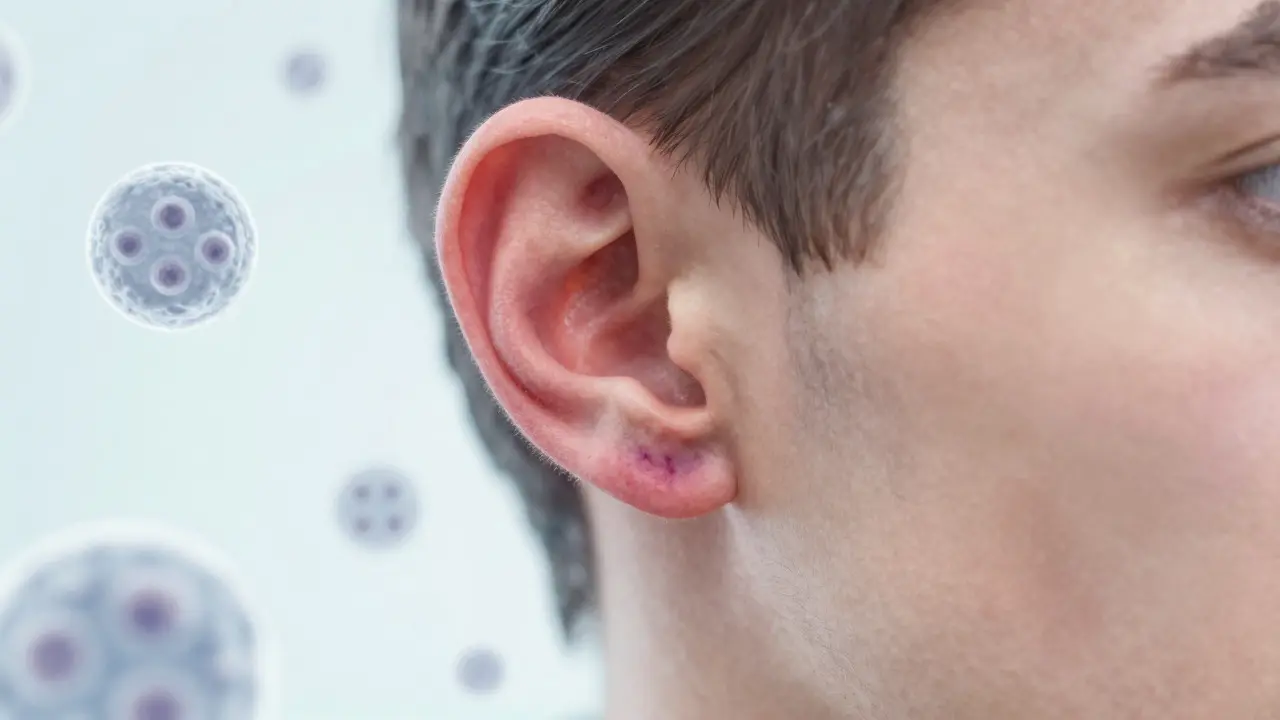
If you only remember one cutting agent, make it levamisole. First, it’s everywhere. Since the mid-2000s, studies have shown that up to 70% of cocaine samples in certain North American jurisdictions contain levamisole. Second, it’s biologically active. It suppresses the immune system by reducing white blood cells, specifically neutrophils. Patients presenting with skin necrosis on their ears or cheeks often have undiagnosed agranulocytosis caused by chronic exposure to levamisole-contaminated cocaine.
From an investigative standpoint, levamisole acts as a fingerprint. High concentrations often correlate with production in South America, particularly Colombia. However, the ratio of levamisole to cocaine can vary significantly between batches. A forensic chemist analyzing a sample might find 5% levamisole in one seizure and 15% in another. This variation helps distinguish between different smuggling routes or processing plants. If two separate cases involve samples with nearly identical levamisole-to-cocaine ratios, investigators can argue they share a common origin, strengthening the case against a specific trafficking network.
Tools of the Trade: How Labs Detect Additives
You can’t spot these chemicals with a naked eye. Even standard field tests often miss them. That’s why laboratory analysis relies on sophisticated instrumental techniques. The gold standard remains Gas Chromatography-Mass Spectrometry (GC-MS). This method separates the components of a mixture based on their volatility and then identifies them by their mass spectra. It’s fast, sensitive, and capable of detecting trace amounts of both the primary drug and the cutting agents simultaneously.
However, GC-MS has limitations. Some cutting agents, like certain sugars or polar compounds, don’t vaporize well. For those, Liquid Chromatography-Tandem Mass Spectrometry (LC-MS/MS) is the tool of choice. LC-MS/MS is particularly effective for detecting xylazine and other water-soluble additives. Many modern forensic labs now run both instruments in tandem to ensure complete coverage. If a sample gives a positive result for cocaine on GC-MS but shows unexpected peaks, the lab switches to LC-MS/MS to check for hidden depressants or novel synthetic cannabinoids.
Another emerging technology is Raman spectroscopy. This technique uses laser light to create a molecular fingerprint without destroying the sample. It’s gaining popularity in field settings because it’s non-destructive and quick. While it may not yet match the sensitivity of MS-based methods for trace additives, it provides rapid preliminary data that can guide further lab work.
Legal Implications of Cutting Agent Identification
Does the presence of a cutting agent change the charge? Not always, but it can. In many jurisdictions, the weight of the substance includes the cutting agent when calculating penalties for large-scale distribution. So, knowing whether a kilogram of "cocaine" is 80% pure or 40% pure affects sentencing guidelines. More subtly, the type of cutting agent can influence the narrative of intent. A defendant claiming ignorance might struggle if the cutting agent profile matches known patterns from a rival gang or a specific foreign cartel, suggesting professional manufacturing rather than casual dealing.
Furthermore, in civil litigation, such as wrongful death suits, proving the presence of a dangerous additive like xylazine can be pivotal. If a victim died from respiratory failure due to the interaction between fentanyl and xylazine, the family’s attorney needs solid lab reports detailing the exact composition. The chain of custody must be impeccable, and the analytical method must be validated according to standards set by organizations like the Society of Toxicologists in Forensic Science (STFS).
Challenges in Modern Profiling
The biggest challenge today is speed. The illicit drug market evolves faster than some lab protocols. New synthetic opioids appear every year, and manufacturers constantly tweak their recipes to evade detection. One day, xylazine is the hot additive; the next, it might be replaced by a newer veterinary drug like acepromazine or medetomidine. Labs must stay agile, updating their reference libraries and validation procedures regularly.
Cost is another barrier. Running full LC-MS/MS analyses on every single seized sample is expensive. Prioritization is key. Labs often use screening tools first to flag samples likely to contain unusual additives before committing resources to detailed profiling. This triage process ensures that the most legally significant or medically urgent cases get the deepest analysis first.
| Cutting Agent | Primary Use | Detection Method | Forensic Significance |
|---|---|---|---|
| Levamisole | Antiparasitic (Veterinary) | GC-MS, LC-MS/MS | Links to South American sources; causes agranulocytosis |
| Lidocaine | Local Anesthetic | GC-MS | Common in cocaine; aids in linking supply chains |
| Xylazine | Sedative/Muscle Relaxant | LC-MS/MS | High in heroin/fentanyl; increases overdose risk |
| Acetaminophen | Pain Reliever | GC-MS, HPLC | Inert filler; low forensic value unless in high doses |

Future Directions in Drug Analysis
Where is this heading? Artificial intelligence is starting to play a role. Machine learning algorithms can analyze thousands of mass spectral datasets to identify subtle patterns that human analysts might miss. Imagine a system that flags a new, unknown cutting agent because its spectral signature clusters with known hazardous compounds. This predictive capability could warn public health officials about emerging risks before they become widespread.
Additionally, portable mass spectrometers are becoming smaller and cheaper. Soon, field officers might be able to perform basic additive profiling at the scene of a seizure, providing immediate context for arrest decisions. While court admissibility will require rigorous validation, the trend toward rapid, on-site analysis is undeniable.
Frequently Asked Questions
What is the most common cutting agent in cocaine?
Historically, lidocaine and acetaminophen were common. However, levamisole has become the most prevalent pharmacologically active additive in cocaine samples across North America in recent decades. Inert fillers like mannitol or dextrose are also widely used but less diagnostically useful.
How does levamisole affect the body?
Levamisole can cause agranulocytosis, a condition where white blood cell counts drop dangerously low. This weakens the immune system and can lead to skin lesions, particularly on the ears and face. It is a serious side effect that distinguishes levamisole-cut cocaine from pure cocaine.
Can cutting agents change the legal charge in a drug case?
Yes, indirectly. The total weight of the mixture usually determines sentencing tiers for distribution crimes. Identifying specific additives can also help establish the source of the drugs, potentially linking multiple defendants or seizures to a single organization, which strengthens the prosecution's case.
What is the difference between GC-MS and LC-MS/MS in drug testing?
GC-MS is best for volatile and semi-volatile compounds like cocaine and many traditional cutting agents. LC-MS/MS is superior for non-volatile, polar, or thermally unstable compounds like xylazine and certain sugars. Labs often use both to ensure comprehensive detection.
Are all cutting agents illegal?
Not necessarily. The illegality stems from the fact that they are mixed into a controlled substance without labeling or regulation. The additives themselves, like lidocaine or acetaminophen, are legal prescription or over-the-counter drugs. However, their presence indicates adulteration, which is a separate offense in many jurisdictions.