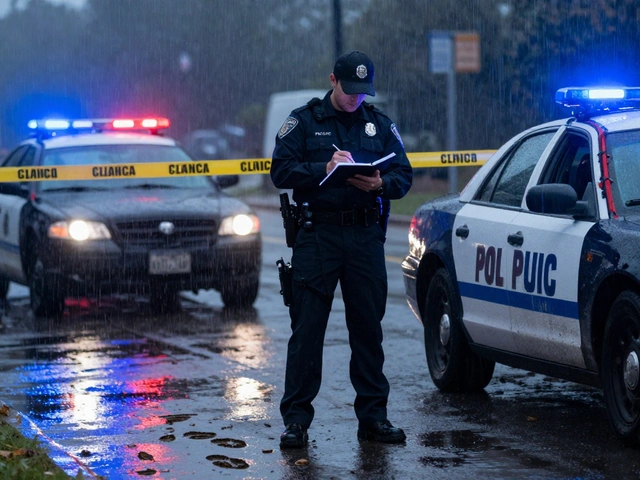
Imagine this: A teenager vanishes after a Friday night out. The family is frantic. Police have canvassed the neighborhood, checked security cameras, and interviewed friends. But there’s a silent witness sitting in an evidence bag at the precinct: the victim's smartphone. It holds the last known coordinates, the final text messages, and perhaps even a recording of what happened. In modern investigations, cell phone forensics isn't just a technical step; it is often the primary driver that turns a cold case into a solvable puzzle.
You might think finding a missing person is about footprints or DNA. While those matter, they are static. A phone is dynamic. It moves with the person, pings off towers, connects to Wi-Fi networks, and records interactions in real-time. For investigators and families alike, understanding how to leverage this digital trail can mean the difference between hours and days of uncertainty. This guide breaks down exactly how forensic experts extract, analyze, and interpret mobile data to locate missing individuals.
The Digital Footprint: Why Phones Matter More Than Ever
We live our lives through our screens. From the moment you wake up to check the alarm until you plug the device in at night, your phone tracks your existence. For a missing person, this continuous stream of data creates a breadcrumb trail that physical evidence simply cannot match. Unlike a wallet left on a counter, a phone usually travels with its owner, making it a highly reliable proxy for their location and activities.
The value lies in three core areas: location history, communication patterns, and contextual metadata. Location history tells us where the person was. Communication patterns tell us who they were talking to and when. Contextual metadata-like photos taken or apps used-tells us what they were doing. When combined, these elements build a timeline that can reconstruct the final moments before someone disappeared. If a person goes missing during a hiking trip, their GPS logs might show they deviated from the trail at 4:15 PM. That specific timestamp changes everything for search teams.
Types of Data Extracted During Investigation
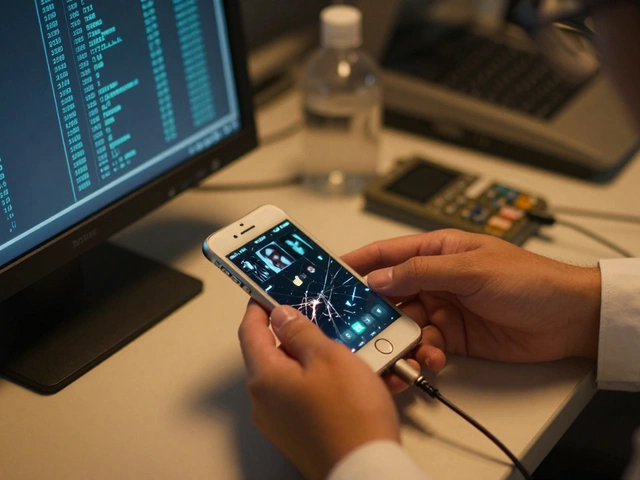
When a forensic examiner gets hold of a device, they don’t just look at the contacts list. They perform a comprehensive extraction using specialized tools like Cellebrite or Magnet AXIOM. These tools pull data from different layers of the operating system. Here is what they typically target:
- Call Logs and SMS/MMS: The most basic but crucial layer. Investigators look for unanswered calls, sudden changes in communication frequency, or texts received shortly before the disappearance. Did the person receive a threatening message? Did they stop responding to their partner?
- Location Services (GPS and Wi-Fi): Modern phones log precise latitude and longitude coordinates. Even if GPS is off, the phone may record connections to nearby Wi-Fi access points, which have fixed locations. Bluetooth beacons in stores or public transport can also provide hyper-local positioning data.
- App Usage and Metadata: Social media apps like Instagram or Snapchat store timestamps and geotags within photo files. Ride-sharing apps like Uber or Lyft keep detailed trip histories. Fitness trackers synced to the phone can reveal heart rate spikes or unusual movement patterns.
- Deleted Content: Just because a text or photo was deleted doesn’t mean it’s gone. Forensic tools can recover fragments of deleted data from the device’s storage memory, revealing conversations the subject tried to hide.
The Extraction Process: Logical vs. Physical
Not all extractions are created equal. The method used depends on the state of the phone and the legal permissions obtained. Understanding these methods helps set realistic expectations for what data can be recovered.
| Method | Description | Data Depth | Time Required |
|---|---|---|---|
| Logical Extraction | Accesses user-level data via backup protocols. Similar to creating a standard backup. | Active files, recent messages, app databases. | Minutes to Hours |
| Physical Extraction | Dumps the raw binary data from the flash memory chip. Requires bypassing OS restrictions. | All data, including deleted files, unallocated space, and system artifacts. | Hours to Days |
| File System Extraction | Intermediate method that parses the file structure without full binary dump. | More than logical, less than physical. Good for Android devices. | Hours |
In urgent missing person cases, investigators often start with a logical extraction because it’s fast. However, if the initial data is sparse or the person has been missing for weeks, a physical extraction becomes necessary. This deeper dive can uncover hidden folders, encrypted notes, or remnants of apps that were uninstalled. The trade-off is time. A full physical image of a 256GB iPhone can take over 24 hours to process and analyze.

Overcoming Technical Hurdles: Passcodes and Encryption
The biggest obstacle in cell phone forensics today is encryption. Both iOS and Android devices use strong hardware-based encryption by default. If a phone is locked, accessing its contents requires the passcode. If the user didn’t share their password, investigators must rely on brute-force attacks or exploits.
For older devices or those with simple four-digit PINs, brute-forcing is feasible. But modern six-digit alphanumeric codes create billions of combinations. Forensic tools like GrayKey allow examiners to attempt millions of passcode guesses per day, but this process is not instantaneous. If the phone is wiped remotely by a thief or family member, the data is lost unless a cloud backup exists.
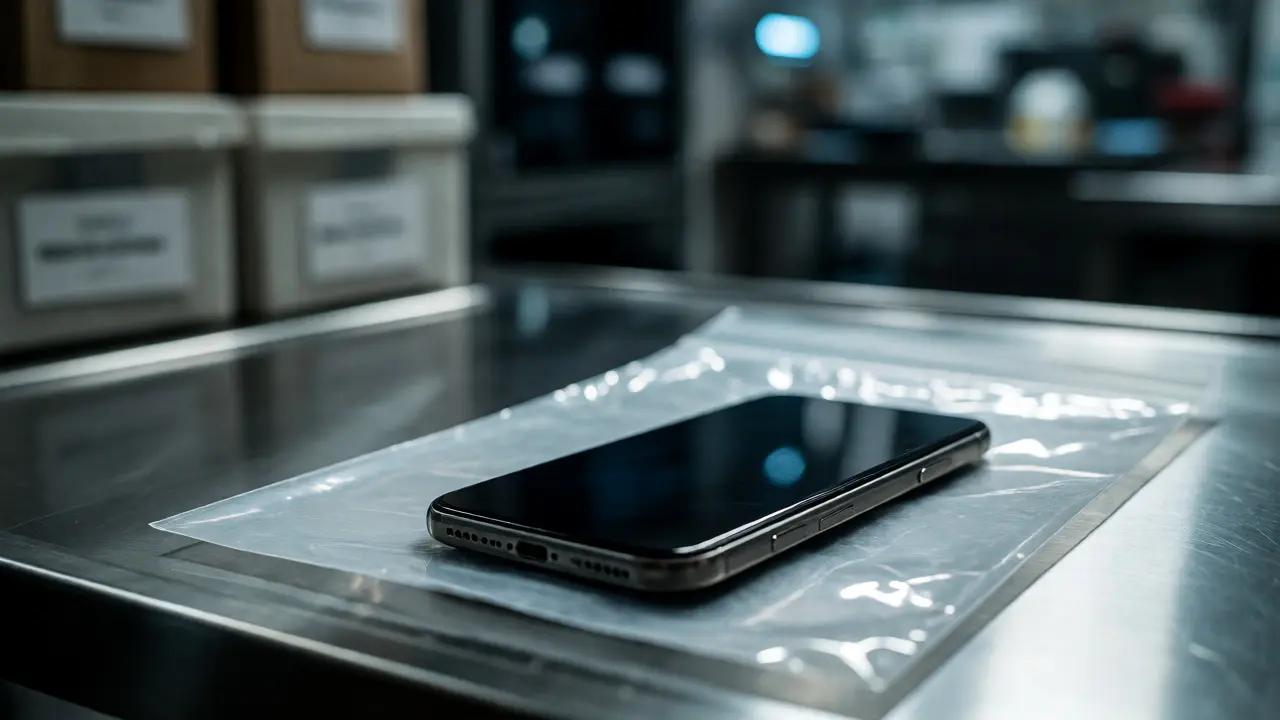
This is why immediate preservation is critical. Once a phone is found, it should be placed in a Faraday bag-a shielded container that blocks radio signals. This prevents remote wipe commands from reaching the device while preserving battery life. Every minute the phone sits connected to a network is a risk to the integrity of the evidence.
Interpreting the Data: Building the Timeline
Raw data means nothing without context. A coordinate point is just numbers until you map it against known events. Forensic analysts correlate multiple data sources to build a narrative. For example, if the GPS shows the person was at a coffee shop at 3:00 PM, but their last text says "heading home," and the next ping is at a highway exit two miles away, you have a discrepancy. Maybe they stopped somewhere else, or maybe the signal drifted.
Analysts look for anomalies. Did the phone connect to a tower far outside the expected area? Did the battery die abruptly at a strange location? Did social media activity continue after the phone supposedly went dead? These inconsistencies often point to foul play or a change in circumstances. In one notable case, a hiker’s phone showed a connection to a distant town’s Wi-Fi network days after he was reported missing, leading searchers to expand their radius significantly.

Legal and Ethical Considerations
Before diving into the data, investigators must navigate the legal landscape. In the United States, the Fourth Amendment protects citizens from unreasonable searches. Generally, police need a warrant to search a seized phone. However, exceptions exist. If the phone belongs to the missing person and is abandoned, or if consent is granted by a spouse or parent, a warrant might not be immediately required. Still, best practice is to secure a warrant to ensure admissibility in court later.
Privacy concerns also arise regarding third-party data. If the missing person’s phone connects to a friend’s Bluetooth speaker, does that friend’s privacy get violated? Courts are still refining these boundaries. Investigators must document every step meticulously to avoid suppressing valuable evidence due to procedural errors.
Practical Tips for Families and Responders
If you are involved in a missing person situation, here is how you can help preserve digital evidence:
- Do Not Turn Off the Phone: Powering down a device can sometimes trigger encryption keys to lock permanently or prevent certain background processes from saving state information.
- Avoid Charging Unless Necessary: Plugging in a phone can sometimes sync data with iCloud or Google Drive, potentially altering timestamps or overwriting local caches.
- Provide Credentials Early: If possible, give investigators the passcode. It saves days of work and ensures no data is missed.
- Check Cloud Backups: Sometimes the phone is damaged or lost, but the data remains in the cloud. Ensure the account credentials are accessible to retrieve recent backups.
Technology evolves rapidly. As we move toward more integrated ecosystems with wearables and IoT devices, the scope of forensics will expand. Your smartwatch might track your heart rate, and your car might log your route. Integrating these disparate data streams into a single investigative picture is the future of solving missing person cases. But for now, the smartphone remains the most powerful tool in the kit.
Can police unlock a phone without a passcode?
It depends on the device model and software version. For many modern iPhones and Androids, police use specialized forensic tools that can exploit vulnerabilities to bypass locks or brute-force short passcodes. However, complex alphanumeric passwords may remain inaccessible without the user's input, especially on newer hardware with secure enclaves.
How accurate is cell phone location data?
Accuracy varies by technology. GPS can be accurate within 5-10 meters outdoors. Wi-Fi positioning is generally accurate within 10-50 meters indoors. Cell tower triangulation is less precise, often ranging from hundreds of meters to several kilometers depending on tower density in rural versus urban areas. Investigators cross-reference these methods to narrow down the location.
What happens if the phone is destroyed or water-damaged?
Forensic labs can often repair or replace components like batteries and screens to gain access to the motherboard. If the flash memory chip survives, specialists can desolder it and read the data directly using a programmer. Water damage complicates things, but drying and cleaning processes can frequently restore functionality enough for extraction.
Does turning off airplane mode save battery during investigation?
Yes, enabling airplane mode prevents the phone from searching for signals, which drains battery quickly. However, it also stops new location updates and incoming communications. Investigators weigh the benefit of extended battery life against the loss of real-time connectivity. Often, keeping the phone powered on but disconnected from the network is preferred to preserve existing data states.
Can deleted text messages be recovered?
Often, yes. Deleting a message usually just marks the storage space as available for new data. Until that space is overwritten, forensic tools can recover the content. Recovery success rates depend on how much new data has been written to the device since the deletion occurred.