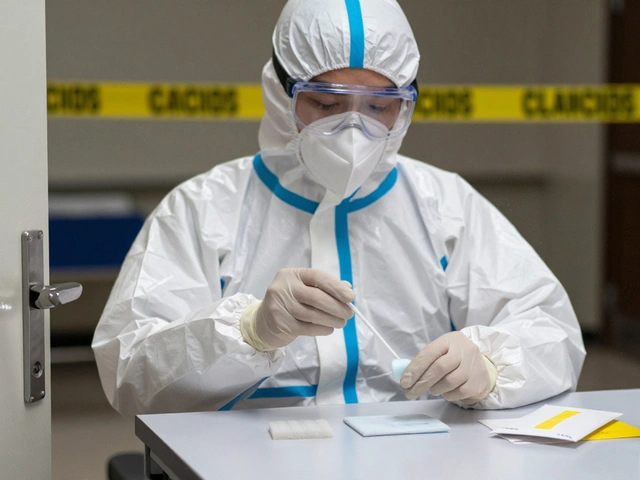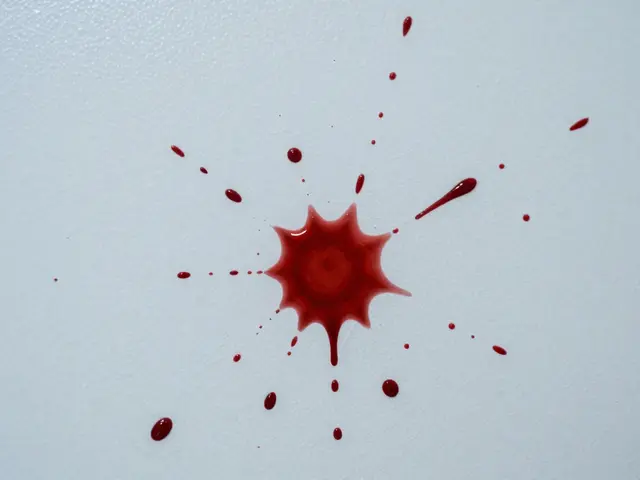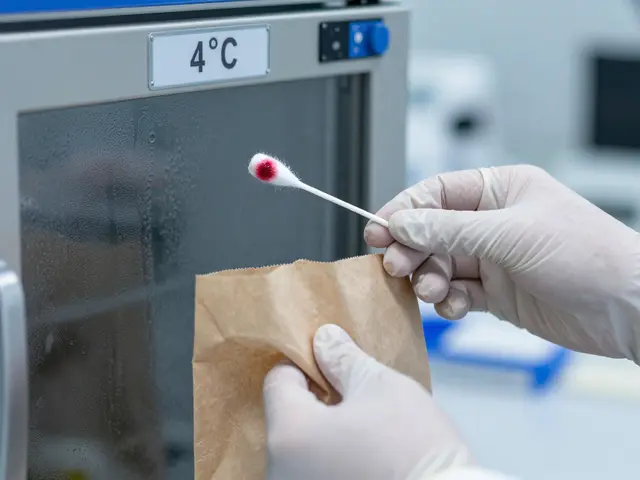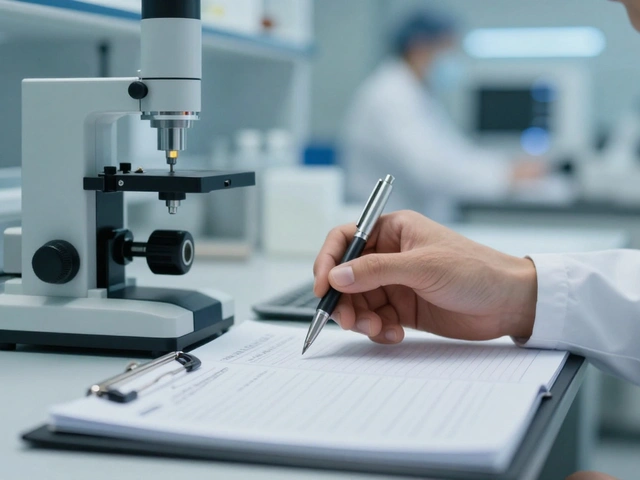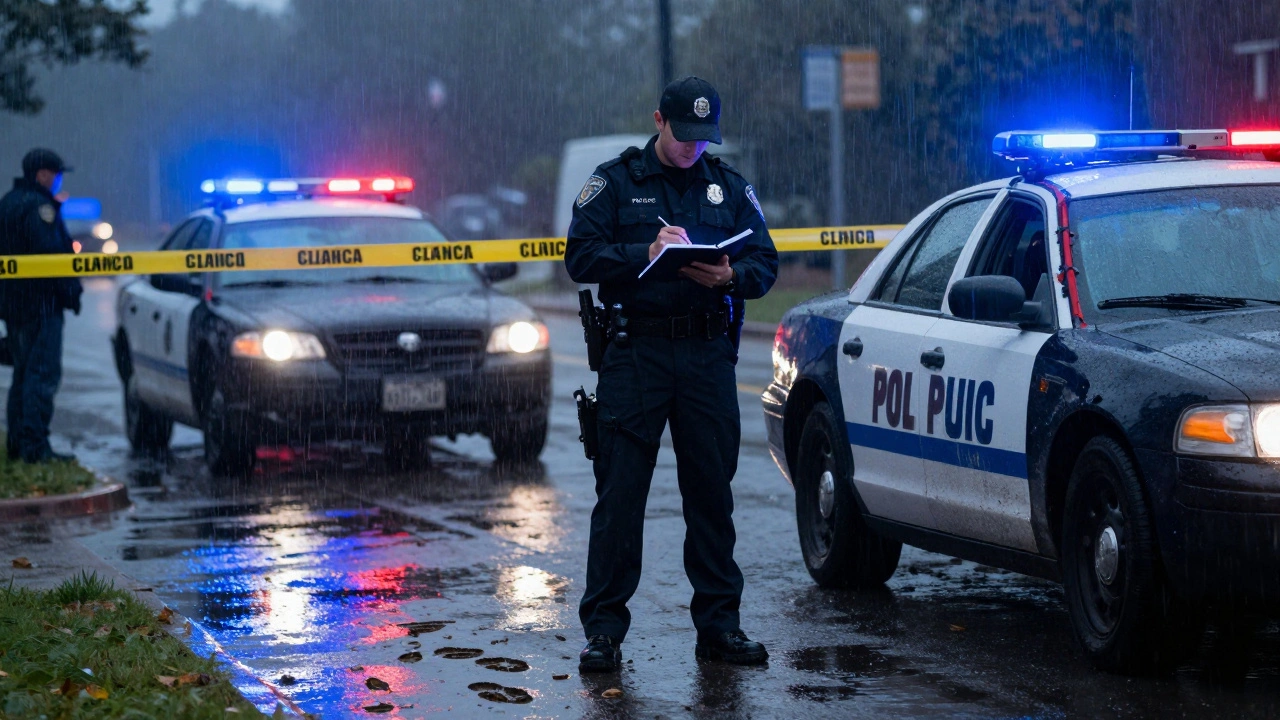
The first few minutes at a crime scene are the most volatile. Between managing crowds, helping the injured, and hunting for a suspect, it's easy for a first responder to overlook a small detail. But here is the reality: the quality of the crime scene documentation created in those first moments often determines whether a case is won or lost in court months later. Once a scene is trampled or the rain washes away a footprint, that evidence is gone forever.
Your goal isn't to conduct a full forensic sweep-that's for the specialists. Your job is to freeze the scene in time. You are the bridge between the chaos of the event and the precision of the laboratory. If you don't record it now, it basically never happened.
The Immediate Arrival: Capturing the "As-Is" State
Documentation starts before you even step out of your patrol car. As you approach, activate your body-worn camera or vehicle-mounted video. This creates an objective record of the scene before any human intervention. Why does this matter? Because a defense attorney will eventually ask why a certain chair was moved or who entered the perimeter first. Video evidence provides an unbiased answer.
If you don't have a camera, your notebook becomes your most important tool. Start with the basics: the exact date, time of arrival, and the precise location. Note who discovered the crime and who is currently securing the area. These aren't just clerical details; they establish the chain of custody for the entire scene.
Pay close attention to the environment. Is it raining? Is the wind blowing? Is there a heater running that might be altering the temperature of a body or a room? Weather and environmental factors can destroy trace evidence in minutes. If you see a footprint in the mud and it's starting to pour, that's a priority for immediate documentation or protection.
Securing the Perimeter and Access Logs
You cannot document a scene if you can't control who is in it. Establishing a perimeter is the first physical step in evidence preservation. Use yellow crime scene tape to create a boundary that is larger than you think you need. It's much easier to shrink a perimeter later than it is to try and find where the evidence ended because the crowd pushed too far in.
Once the line is drawn, start a scene access log. This is a simple but critical list of every single person who enters the tape. Scene Access Logs are records that track the identity, time of entry, and purpose of every individual entering a secured crime scene. If a paramedic enters to save a life, record it. If a captain walks in to survey the area, record it. If you don't, you're leaving the door open for claims of evidence contamination.
Specific Documentation for Common Scenarios
Different crimes require different focal points. You can't treat a burglary the same way you treat a hit-and-run.
In a burglary, your primary target is the point of entry. This is almost always the most evidence-rich area of the scene. Don't just write "window broken." Describe the method: Was the glass shattered? Was the lock picked? Was a tool used to pry the frame? Describe the tool marks specifically, but never-under any circumstances-try to "test" a suspected tool by placing it back into an impression to see if it fits. This destroys the integrity of the evidence.
For traffic accidents, the documentation shifts to the debris field. Mark the edges of where parts are scattered and document tire marks or skid marks. In these cases, check the vehicle's interior for specifics: what was the speedometer reading? What was the position of the pedals? These small details provide the mechanical context that an investigator will need to reconstruct the crash.
| Incident Type | Primary Focus | Critical Evidence to Note |
|---|---|---|
| Burglary | Point of Entry | Tool marks, forced entry method, disturbed areas |
| Traffic Accident | Debris Field | Skid marks, pedal position, weather conditions |
| Missing Person | Last Known Location | Clothing for scent-tracking, cell phone data, family dynamics |
| Violent Crime | Victim/Suspect Interaction | Spontaneous statements, blood splatter, clothing tears |
Handling People: Victims, Witnesses, and Suspects
People are the most unreliable part of a crime scene, but they provide the most immediate leads. When you identify a witness, don't just take a name. You need a full profile: legal name, date of birth, home and business addresses, and a reliable daytime phone number. Many officers make the mistake of taking a statement and letting the person leave without a way to contact them later. Don't be that officer.
If you have a suspect in custody, listen for spontaneous statements. If a suspect says, "I didn't mean to hit him," before you've even read them their rights, that's a critical piece of documentation. Write it down exactly as it was said, including slang or errors in grammar.
When it comes to clothing, be a detective with your eyes. If a victim or suspect has torn or stained clothes, photograph them immediately. Note the position of the stains on the body-does the blood splatter match the wound? Are there bullet holes? Look for dirt or trace materials on the shoes that might match the soil at the scene. List every item found in their pockets and document any blood or stains on those items.
Special Protocols for Abductions and Missing Persons
When a child or adult goes missing, the clock is your biggest enemy. Your documentation needs to be exhaustive and fast. Secure photographs and videos of the missing person immediately-don't forget to check the family's cell phones for the most recent images.
One of the most overlooked steps is collecting articles of clothing. For K9 units to work, they need a scent sample. Grab a worn shirt or a pillowcase-something that holds a strong scent. Additionally, start a neighborhood canvass right away. Document any recent history of "prowlers" or suspicious activity in the area. Often, a missing person case is linked to a series of smaller, unreported incidents that only a local canvass will uncover.
Preserving the Evidence Chain
You aren't expected to be a forensic scientist, but you are expected to keep the evidence "clean." This means using the right tools for the job. If you're collecting a weapon, use a rigid container so it doesn't shift and damage other evidence. For documents or small items, use bindle paper or manila folders.
If you encounter biohazards, use the correct collection kits and 10% bleach solutions for disinfectant. The goal is to prevent cross-contamination. If you find a weapon, don't just pick it up-document where it was found in relation to the victim or the entry point before moving it.
The Hand-off: Briefing the Investigative Team
Your job ends when the investigative officer arrives, but the documentation process doesn't. The transition from first responder to investigator is where many cases fall apart due to poor communication. When you brief the incoming team, don't just give a verbal summary. Walk them through your notes and the scene access log.
The investigator will verify your descriptive information and look for contradictions. For example, if a witness told you the suspect was wearing a red hat, but the investigator finds a blue hat at the scene, that contradiction is a lead. Be honest about what you saw and, more importantly, what you might have accidentally disturbed. If you had to move a table to perform CPR, document it. The investigators can account for it; they can't account for a "mystery" that you didn't report.
What should I do if I don't have a body camera?
If a recording device isn't available, you must rely on detailed, handwritten notes. Focus on a chronological log of events, a descriptive map of the scene, and a precise list of all environmental conditions (weather, lighting, odors) as soon as you arrive.
Can I move evidence to keep it from being destroyed by rain?
Yes, but you must document the original position of the evidence first. Note exactly where it was found, photograph it if possible, and then move it to a secure location. Always record the reason for the move in your report to maintain the integrity of the scene.
Why is the point of entry so important in burglaries?
The point of entry is the location where the suspect most likely left physical evidence, such as fingerprints, tool marks, or clothing fibers. Documenting the method of entry helps investigators determine the skill level of the suspect and what tools were used.
What specific witness information is required?
You need the full legal name, date of birth, home address, business address (including zip codes), and a daytime contact telephone number. This ensures that investigators can find and contact the witness even if they move or change their primary number.
Should I photograph a suspect's clothing?
Absolutely. Photograph any torn, stained, or dirty clothing. Note the position of blood splatters, bullet holes, or creases. List all contents of their pockets, as these often provide the direct link between the suspect and the crime scene.
Next Steps for Field Officers
If you are new to the force, start by creating a personal "pocket checklist" based on these priorities. Practice the habit of documenting the environment before the people. When you're in a high-stress situation, your brain will want to skip the "boring" parts like writing down the temperature or the wind direction-don't let it. Those are the details that make a report bulletproof in court.
For those in leadership roles, ensure your officers have a fully stocked crime scene kit in their vehicles, including the necessary tape, bindle paper, and rigid containers. Documentation is only as good as the tools available to preserve the evidence being documented.