Unknown Powder Workups: Safety Protocols and Triage Decisions for Forensic Labs
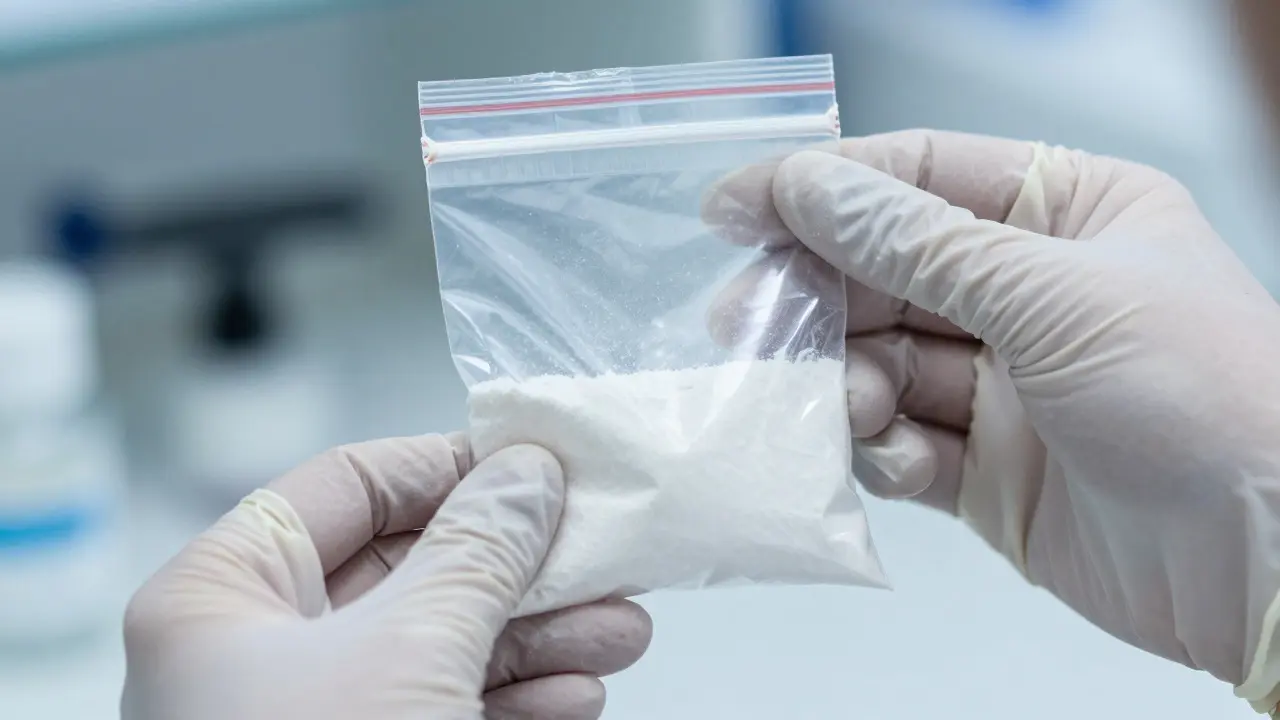
Imagine opening a sealed evidence bag and finding a white powder that looks exactly like table salt. To the naked eye, it’s indistinguishable from sugar or even talcum powder. But in a forensic context, that assumption can be dangerous. The process of handling Unknown Powder is a critical initial phase in forensic toxicology where visual inspection and preliminary chemical tests determine the risk level and subsequent analytical pathway. It is not just about identifying what the substance is; it is about protecting the analyst and preserving the integrity of the evidence before expensive confirmatory testing begins.
Most analysts have seen the "white powder" problem. It accounts for a significant portion of field submissions because law enforcement often cannot visually distinguish between illicit drugs, pharmaceuticals, and common household chemicals. The goal of this workup is to move from uncertainty to a defined category with minimal risk and maximum efficiency. You need a systematic approach that balances speed with safety, ensuring that a potentially hazardous sample doesn't cause an accident while also preventing the waste of resources on low-value samples.
### Initial Assessment and Risk Stratification
Before you touch the sample, you assess the container. Is it sealed? Are there leaks? Does it smell? Smell is a powerful diagnostic tool, but it requires caution. A sharp, ammonia-like odor might suggest amphetamine salts, while a sweet, floral scent could point to synthetic cannabinoids or certain perfumes used as adulterants. However, never rely on smell alone. Always use a fume hood or a gas-tight vial if available.
The first decision point is risk stratification. You categorize the sample based on its potential hazard:
Low Risk: Likely benign substances like sugar, flour, or baking soda. These are common in cases involving minor offenses or mislabeling.
Medium Risk: Common illicit drugs like cocaine, heroin, or MDMA. These require standard PPE (Personal Protective Equipment) but pose manageable risks if handled correctly.
High Risk: Substances with high volatility, instability, or toxicity, such as fentanyl analogs or nitrous oxide residues. These require enhanced containment.
This triage step determines your immediate workflow. If the sample is small (less than 10mg), you might prioritize microscopic examination over wet chemistry to preserve mass. If it is large, you can afford to run multiple presumptive tests.
### Presumptive Testing: The First Line of Defense
Once the sample is safely isolated, presumptive testing begins. These are rapid, non-specific chemical reactions designed to flag likely candidates. They are not definitive proof, but they guide your next steps. The most common methods include colorimetric spot tests and infrared spectroscopy.
Colorimetric tests are cheap and fast. For example, the Marquis test turns purple in the presence of morphine derivatives, helping identify opiates. The Mecke test detects methamphetamine by turning pink. However, cross-reactivity is a real issue. Many modern designer drugs produce false positives or negatives. Therefore, these tests must always be interpreted in context.
Infrared (IR) Spectroscopy offers a more robust alternative. By comparing the sample's IR spectrum against a library of known compounds, you can get a match with high confidence. This method is non-destructive, meaning you can reuse the same sample for other tests later. For unknown powders, IR is often the gold standard for initial identification because it provides a "fingerprint" of the molecule without consuming much material.
Comparison of Presumptive Testing Methods for Unknown Powders
Distinguishing similar compounds, purity estimation
GC-MS (Gas Chromatography-Mass Spec)
Hours
Very High
Moderate
Confirmatory ID, quantification, novel compounds
### The Role of Microscopy in Visual Triage
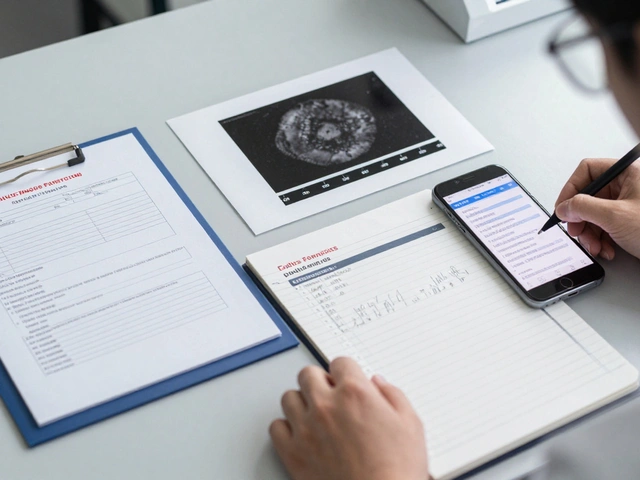
Don’t overlook the microscope. Before running any chemical tests, examine the powder under a stereomicroscope. Crystal shape, size, and color can provide immediate clues. Cocaine hydrochloride typically forms needle-like crystals, while caffeine appears as hexagonal plates. Sugar cubes dissolve differently than drug salts when exposed to moisture.
Microscopy also helps detect adulterants. If the powder contains visible fibers, plant matter, or irregular particles, it suggests cutting agents. This information is crucial for case strategy. A pure substance has different legal and evidentiary implications than a heavily cut mixture. Furthermore, microscopy allows you to estimate particle size distribution, which affects how the sample dissolves in solvents during extraction processes.
### Handling Hazards and Contamination Control
Safety is non-negotiable. Fentanyl, for instance, is potent enough to be dangerous through skin contact in minute quantities. While full hazmat suits are rarely needed for routine powders, nitrile gloves, lab coats, and eye protection are mandatory. Avoid using cotton gloves, as they can absorb volatile compounds and degrade quickly.
Cross-contamination is the silent killer of forensic accuracy. Use dedicated tools for each sample. Never share spatulas or tweezers between different cases. Clean glassware thoroughly with solvents like acetone or methanol between uses. Label everything clearly. In a busy lab, a single mislabeled vial can ruin a case. Implement a double-labeling system: one label on the vial, one on the logbook entry, verified by two different technicians.
### Confirmatory Analysis and Reporting
Presumptive tests only get you so far. For court-admissible results, you need confirmatory analysis. Gas Chromatography-Mass Spectrometry (GC-MS) remains the industry standard for volatile and semi-volatile compounds. It separates the mixture into individual components and identifies them based on their mass-to-charge ratio. Liquid Chromatography-Tandem Mass Spectrometry (LC-MS/MS) is preferred for polar or thermally unstable compounds that decompose in GC systems.
When writing the report, clarity is key. State the method used, the conditions, and the result. Distinguish clearly between "presumed" and "confirmed." If the sample was mixed, list all identified components and their relative percentages if quantified. Judges and juries may not understand technical jargon, so explain the significance of findings in plain language. Did the powder contain only the target drug, or were there dangerous contaminants? This context matters for sentencing and public health interventions.
### Troubleshooting Common Pitfalls
What happens when the tests don’t match? This is common with novel psychoactive substances (NPS). If IR shows no match and color tests are negative, consider sending the sample for Nuclear Magnetic Resonance (NMR) spectroscopy or High-Resolution Mass Spectrometry (HRMS). These techniques provide detailed structural information and can identify new compounds not yet in standard libraries.
Also, watch out for matrix effects. Adulterants can interfere with chromatographic separation, leading to peak overlap or ion suppression. Running a blank solvent control alongside the sample helps identify these interferences. If peaks appear in the blank, clean your system and re-run the analysis.
### Frequently Asked Questions
How much sample do I need for an unknown powder workup?
For basic presumptive tests, 1-5 mg is sufficient. For IR spectroscopy, you need about 2-5 mg mixed with KBr. For GC-MS, 1-2 mg is usually enough. Always reserve at least 10% of the total sample for potential re-testing or court demonstrations.
Can I use UV light to identify unknown powders?
UV fluorescence can be helpful but is not definitive. Some drugs fluoresce naturally, while others do not. More importantly, many cutting agents and packaging materials also fluoresce. Use UV as a supplementary tool, not a primary identifier. Always correlate UV findings with chemical tests.
What should I do if the powder smells strongly of almonds?
A bitter almond odor often indicates cyanide salts or esters. This is a high-risk scenario. Stop open-air handling immediately. Move to a fume hood. Verify with specific color tests for cyanide. Ensure ventilation is working properly before proceeding with further analysis.
Is IR spectroscopy destructive to the sample?
No, IR is non-destructive. You can remove the pellet from the spectrometer and return the sample to storage. This makes IR ideal for precious or limited samples where you want to save material for future confirmatory tests like LC-MS/MS.
How do I handle hygroscopic powders that clump together?
Work quickly in a dry environment. Use a desiccator to store samples when not in use. When preparing solutions, add solvent dropwise to avoid splashing. Hygroscopic substances like cocaine HCl can absorb moisture from the air, changing their weight and concentration. Weigh samples immediately before dissolution.