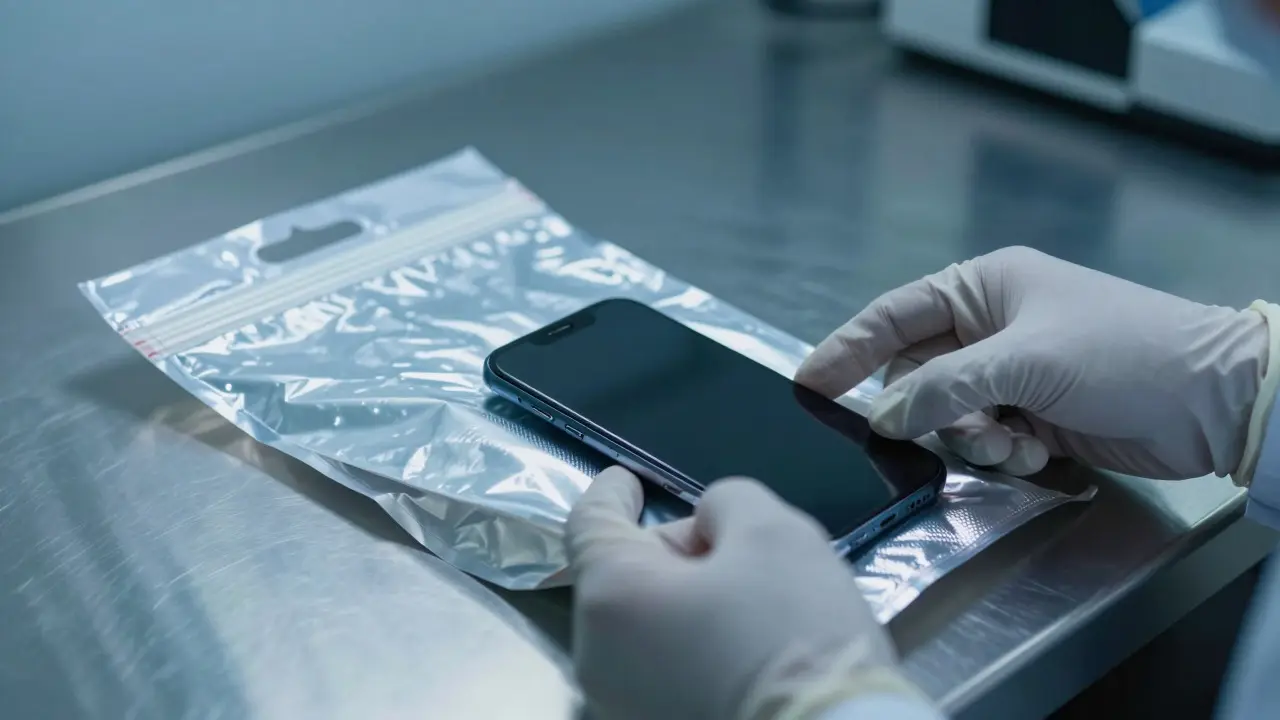
Imagine you just seized a suspect’s phone. It’s still on. The screen lights up with a notification. In that split second, the data you need is changing, syncing, or wiping itself. If you drop it in a standard plastic evidence bag, static electricity might fry the logic board before it even reaches the lab. This isn't just about keeping things clean; it's about preserving the integrity of Digital Evidence data stored on electronic devices that serves as legal proof in criminal or civil cases. Proper handling starts with the right packaging, specifically the use of Anti-Static Bags specialized polyethylene bags coated with conductive material to prevent electrostatic discharge and Faraday Pouches shielded containers that block electromagnetic signals to isolate devices from networks.
Why Standard Evidence Bags Fail Electronics
You’ve probably used those clear, zip-lock style bags for physical items like tools or clothing. They look professional and they seal tight. But for circuit boards, hard drives, or phones, they are a ticking time bomb. The primary enemy here is Electrostatic Discharge, or ESD. When two materials rub together, electrons transfer. In a dry environment, which is common in many police stations or crime scenes, this buildup can reach thousands of volts. A single spark from your sleeve to a chip pin can destroy components without any visible damage. The device looks fine, but the data is gone.
Then there is the signal problem. Modern devices are always connected. Even if you turn off the Wi-Fi, Bluetooth often stays active. Cellular data syncs in the background. If a suspect has a remote wipe app installed, sending a simple text message from their other phone could erase the drive you just seized. Standard bags do nothing to stop these radio waves. You need a barrier that stops both the invisible static charge and the invisible network signals.
Understanding Anti-Static Protection
ESD Shielding the process of preventing the flow of electric charge between objects at different potentials works by creating a conductive path. Anti-static bags usually have a silver-colored lining. This isn't just for looks. It’s a layer of conductive polymer or metal coating. When you place a component inside, any static charge on the component dissipates safely into the bag rather than jumping to a nearby surface. Think of it as a grounding wire made of plastic.
There are different grades of these bags. Basic pink bags offer moderate protection and are often used for shipping small parts. Black bags provide higher shielding effectiveness. For high-value forensic evidence, you want the highest grade available. Always check the bag for tears. A tiny puncture breaks the conductive loop, turning your protective shield into just another piece of plastic. Before sealing, inspect the edges. If the lining is scratched through, toss the bag and use a new one.
The Role of Faraday Cages in Forensics
If anti-static bags protect the hardware, Faraday Cage an enclosure of conducting material that blocks external electromagnetic fields technology protects the data. A Faraday pouch is essentially a mini cage. It uses multiple layers of woven copper or aluminum mesh to block radio frequency signals. When you put a phone in a certified Faraday pouch, it becomes blind. No calls come in. No texts sync. No cloud backup triggers. The device is isolated from the world.
This isolation is critical for maintaining the Chain of Custody the documented trail of evidence handling from collection to presentation in court. If a lawyer argues that the phone was wiped remotely after seizure, you need proof it couldn’t happen. A sealed Faraday pouch provides that proof. It shows you took immediate steps to preserve the state of the device. Without it, the defense team has an easy target: "How do we know the data wasn't altered?" With it, the question becomes much harder to answer.
| Packaging Type | ESD Protection | Signal Isolation | Best Use Case | Cost Level |
|---|---|---|---|---|
| Standard Poly Bag | None | None | Non-electronic items only | Low |
| Anti-Static Bag | High | Low (Blocks RF poorly) | Circuit boards, bare chips | Medium |
| Faraday Pouch | Variable (Check spec) | High (Blocks RF fully) | Phones, laptops, IoT devices | High |
| Hard Faraday Case | High | Very High | Laptops, servers, long-term storage | Very High |

Selecting the Right Package for the Device
Not all electronics are created equal, and neither are their packaging needs. A microchip needs something different than a laptop. Here is how to match the package to the item:
- Bare Circuit Boards & Chips: These are extremely sensitive to ESD. Use a black anti-static bag. Do not rely on a Faraday pouch alone unless it is explicitly rated for ESD, because some cheap pouches focus only on signal blocking and ignore static. Double-bagging is a good practice here: inner anti-static, outer Faraday.
- Smartphones & Tablets: These need signal isolation first. Put them in a Faraday pouch. Since most modern phones have decent internal grounding, a basic anti-static layer isn't always strictly necessary for short-term holding, but it adds a safety margin. Ensure the pouch zips completely closed. A gap lets signals leak in.
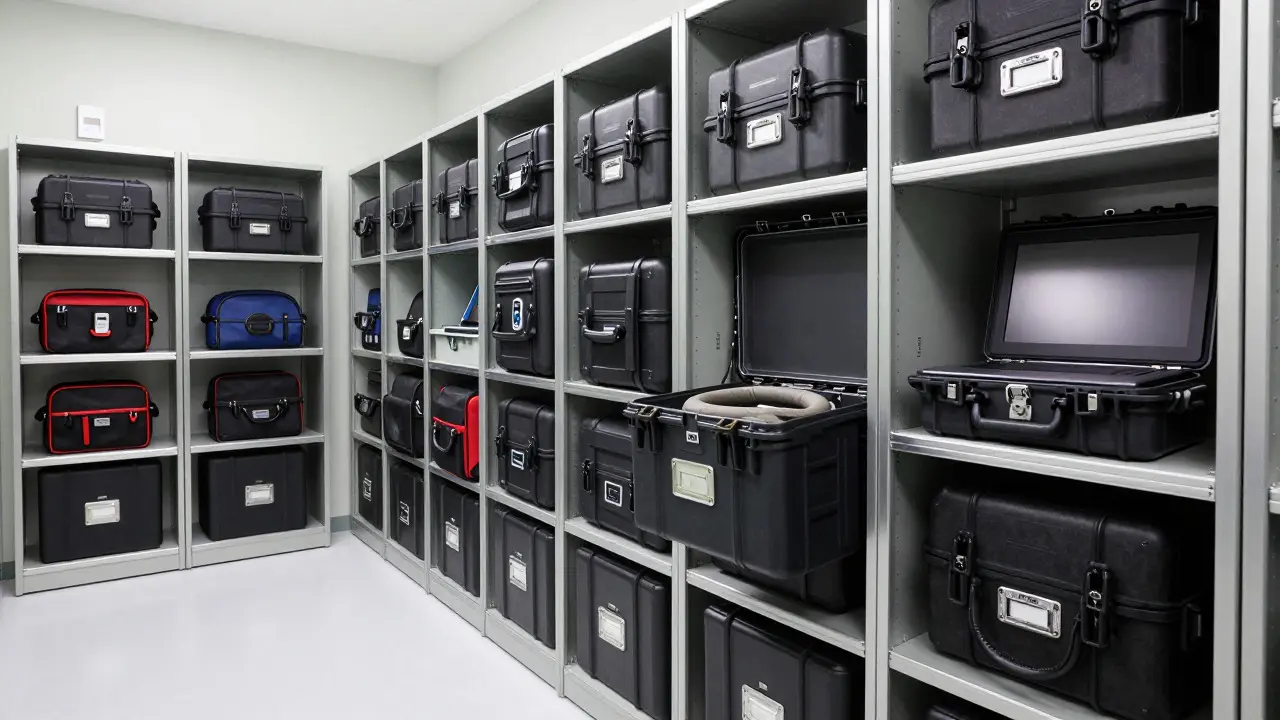
- Laptops & Desktops: These are bulky. Soft pouches don't work well. You need a hard-shell Faraday case. These look like briefcases but have conductive gaskets around the lid. When the lid closes, it creates a complete seal. Check the gasket for dust or debris that could break the seal.
- IoT Devices (Smart Watches, Speakers): These are tricky because they are small but constantly connecting. Use a small Faraday pouch. Be careful not to crush them. Some smartwatches have fragile screens. Wrap them in bubble wrap first, then place in the pouch.
Step-by-Step Protocol for Packaging
Consistency is key in forensics. If you do it differently every time, you create gaps in your documentation. Follow this routine for every electronic item:
- Power Down Safely: If possible, shut down the device properly. If it’s locked or unresponsive, leave it as is. Do not force restart unless instructed by a specialist. Note the power state in your log.
- Remove Batteries (If Removable): For older devices with removable batteries, take them out. Store batteries separately in non-conductive containers. This prevents accidental power-on and reduces fire risk during transport.
- Wrap Fragile Parts: If the device has exposed ports or antennas, cover them with foam or tape. Prevent physical damage that could be blamed on mishandling later.
- Insert into Primary Bag: Place the device in the anti-static bag if applicable. Seal the adhesive strip firmly. Press out air bubbles to ensure full contact between the lining and the device.
- Place in Faraday Container: Put the sealed anti-static bag (or the device directly) into the Faraday pouch or case. Close the zipper or lid. Verify the seal is intact.
- Label Immediately: Write the case number, date, time, and collector’s name on the outside of the container. Use a permanent marker. Do not write on the device itself.
- Document the Process: Take a photo of the sealed package. Note the type of packaging used (e.g., "Black anti-static bag inside Faraday pouch"). This record proves you followed best practices.
Common Mistakes That Compromise Evidence
Even experienced investigators make errors. Watch out for these traps:
- Using Tape Instead of Zippers: Duct tape does not block signals. It also leaves residue that can attract dirt. Always use the built-in seals on specialized packaging.
- Forgetting the Gasket: On hard cases, if the rubber gasket is dirty, the Faraday effect fails. Wipe it down before closing the case.
- Mixing Wet and Dry Items: Never put a wet electronic device in a sealed bag without drying it first. Moisture plus static equals corrosion. Let it air dry or use silica gel packs, but never seal it while damp.
- Ignoring Temperature Extremes: Don’t leave packaged electronics in a hot car trunk. Heat can degrade the conductive coatings on bags over time. Store them in climate-controlled areas.
Storage and Long-Term Preservation
Once packaged, where do you put it? Electronics hate humidity and extreme temperatures. Keep your evidence locker cool and dry. Avoid direct sunlight, which can heat up the bags and potentially affect the internal components. Periodically inspect your stock. Conductive coatings can wear down over years. If you’re storing evidence for a long trial, consider re-packaging annually to ensure the shielding is still effective. Label the bag with the date of last inspection. This small habit saves you from explaining why a five-year-old bag had a torn corner.
Frequently Asked Questions
Do I need both anti-static and Faraday protection?
It depends on the device. For bare chips and boards, yes, you need both. For finished devices like phones, a high-quality Faraday pouch often includes some ESD protection, but adding an anti-static layer is safer and recommended for high-stakes cases.
Can I use a microwave oven as a Faraday cage?
Technically yes, but practically no. Microwaves are designed to trap 2.45 GHz radiation, but they may let lower frequencies escape. Also, the door seal is not designed for constant opening and closing like a forensic pouch. Stick to purpose-built equipment.
What happens if I forget to package a phone immediately?
Data integrity risks increase. Cloud backups might sync, remote wipes might trigger, or notifications might alter file timestamps. Document the delay clearly in your notes. Explain why the delay happened (e.g., waiting for a technician). Transparency helps defend against challenges in court.
Are aluminum foil bags good enough for evidence?
They are a temporary emergency solution, not a standard. Foil tears easily and doesn't have a reliable seal. If you must use it, fold it carefully to avoid sharp edges touching the device. Replace it with proper packaging as soon as possible.
How do I test if my Faraday pouch works?
You can perform a simple field test. Turn on a cell phone and put it in the pouch. Call the number from another phone. If it goes straight to voicemail or says "out of coverage," the pouch is working. If it rings, the seal is broken or the pouch is defective.