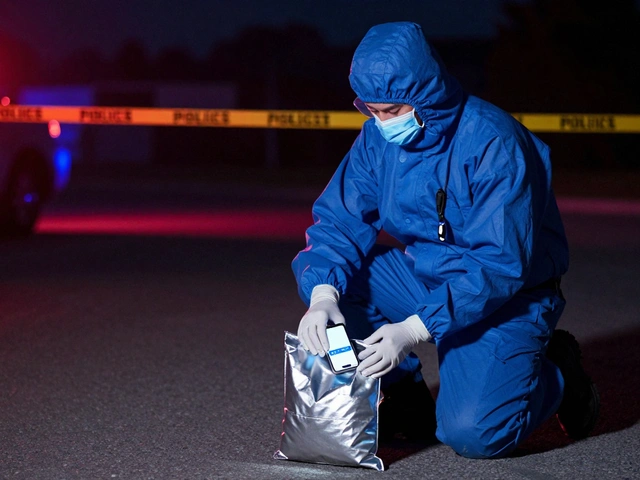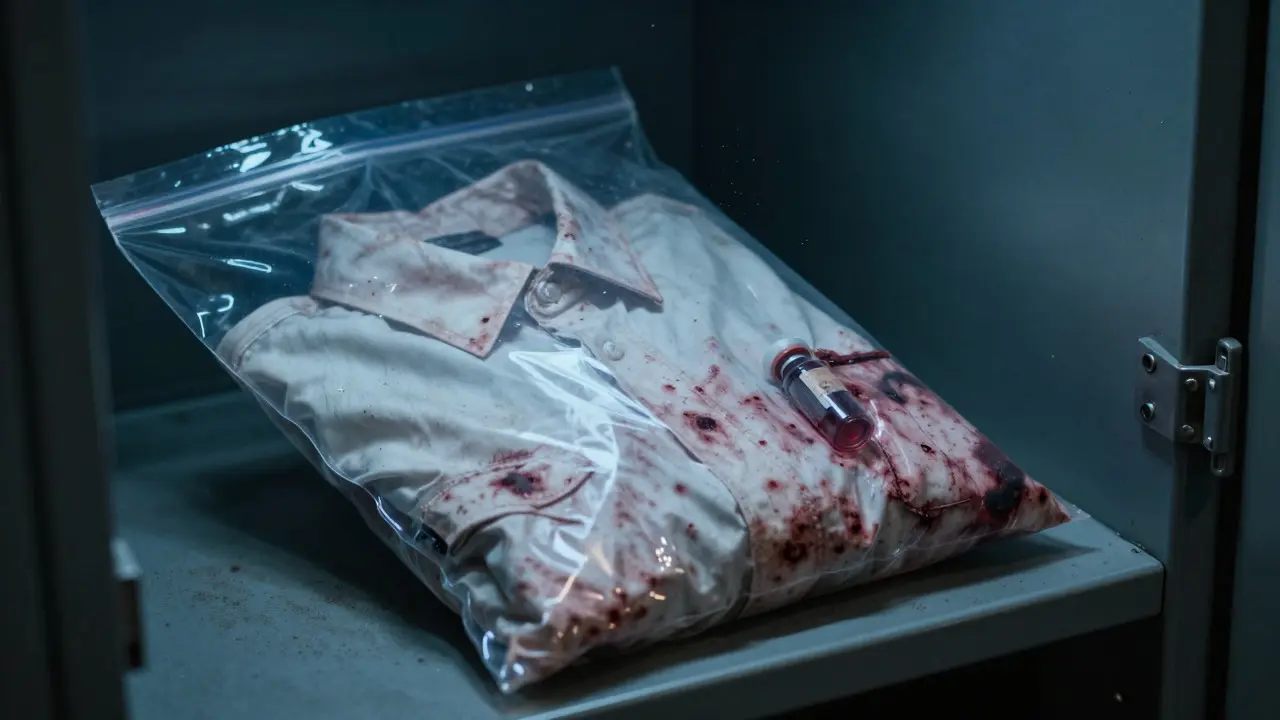
Imagine a crime scene from 1985. The suspect was never caught, the files were boxed up, and the community moved on. But tucked away in an evidence locker is a bloodstained shirt or a hair follicle that still holds the key to justice. This is where cold case DNA comes in. It isn't just about re-running old tests; it’s about using modern technology to extract data that was previously invisible. For investigators, this process transforms dead ends into active leads, often decades after the initial investigation stalled.
The core problem with legacy evidence is degradation. Over time, DNA breaks down. However, recent advancements in short tandem repeat (STR) analysis and whole-genome sequencing allow labs to work with much smaller and more fragmented samples than ever before. What used to require a vial of blood can now be solved from a single skin cell left behind on a doorknob. This shift has opened the door for thousands of unsolved cases across the United States.
Why Old Evidence Still Works
You might wonder how a sample from thirty years ago remains viable. The answer lies in preservation and chemistry. When biological material is stored properly-dry, cool, and protected from light-the double helix structure of DNA remains intact enough for extraction. Even if the strands are broken into small pieces, they contain specific sequences that act like a barcode. These sequences are unique to every individual, except for identical twins. By focusing on these specific regions, forensic scientists can bypass the damaged parts of the genome and build a reliable profile.
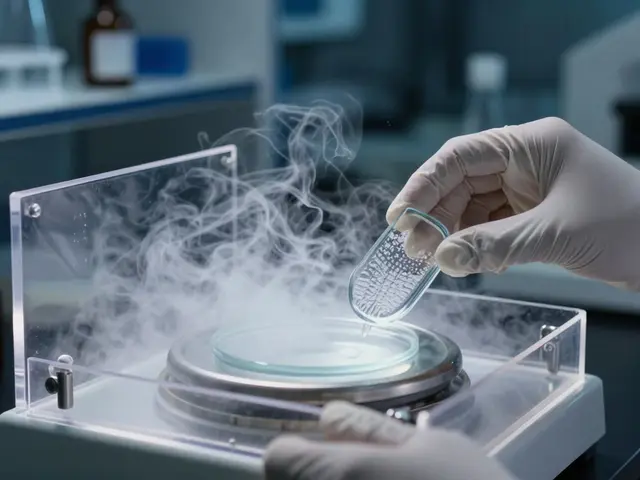
The transition from older testing methods to current standards is significant. Early DNA tests relied on restriction fragment length polymorphism (RFLP), which required large amounts of high-quality DNA. Today, most labs use PCR-based STR analysis. This method amplifies tiny fragments, making it possible to generate a profile from degraded samples. This technological leap means that evidence once deemed "unusable" is now prime material for investigation.
The Role of Genetic Genealogy
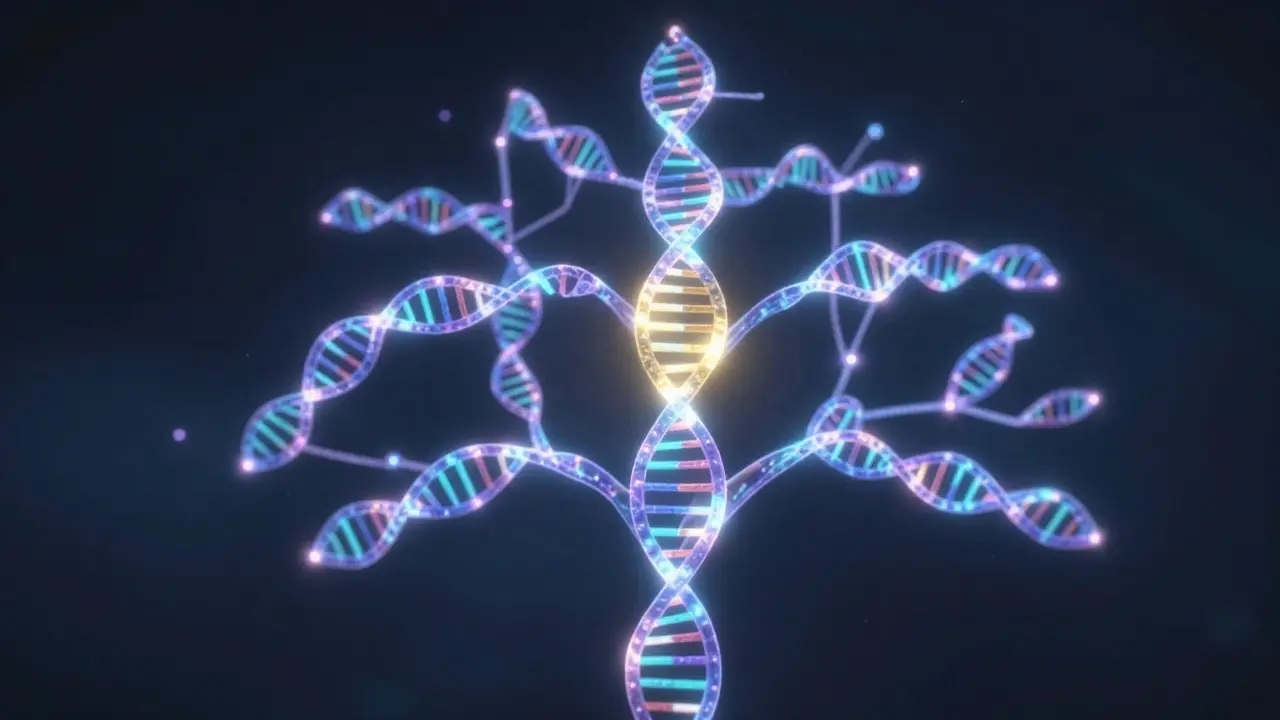
Re-testing evidence is only half the battle. You need someone to match the profile against. In traditional cases, you compare the suspect’s DNA directly. In cold cases without a known suspect, investigators turn to consumer genetic databases. Services like AncestryDNA and 23andMe have created massive repositories of genetic data. Through a technique called genetic genealogy, analysts upload the unknown offender’s DNA profile to public databases like GEDmatch. They look for distant relatives who share segments of DNA. Once a relative is found, they build a family tree backward to identify the likely perpetrator.
This approach gained national attention with the Golden State Killer case in 2018. After nearly four decades, investigators used genetic genealogy to link the suspect to his grandmother’s DNA profile. Since then, hundreds of other cases have been solved using similar methods. The power here isn’t just in the lab; it’s in the combination of science and detective work. It turns anonymous genetic data into a named person with a history and a location.
Challenges in Handling Legacy Samples
Working with old evidence isn’t always smooth sailing. Contamination is a major risk. If a sample was handled improperly in the past, it might contain DNA from multiple people. Distinguishing between the victim’s DNA, the investigator’s DNA, and the suspect’s DNA requires careful statistical modeling. Labs use mixed-sample interpretation software to separate these profiles. It’s complex, but necessary to avoid false leads.
Another challenge is the chain of custody. For a result to hold up in court, the evidence must have been tracked meticulously from the crime scene to the lab. If there are gaps in the record, defense attorneys may challenge the validity of the results. This is why many jurisdictions have strict protocols for re-opening cold cases. Every step, from unboxing the evidence to entering it into the mass spectrometer, must be documented.
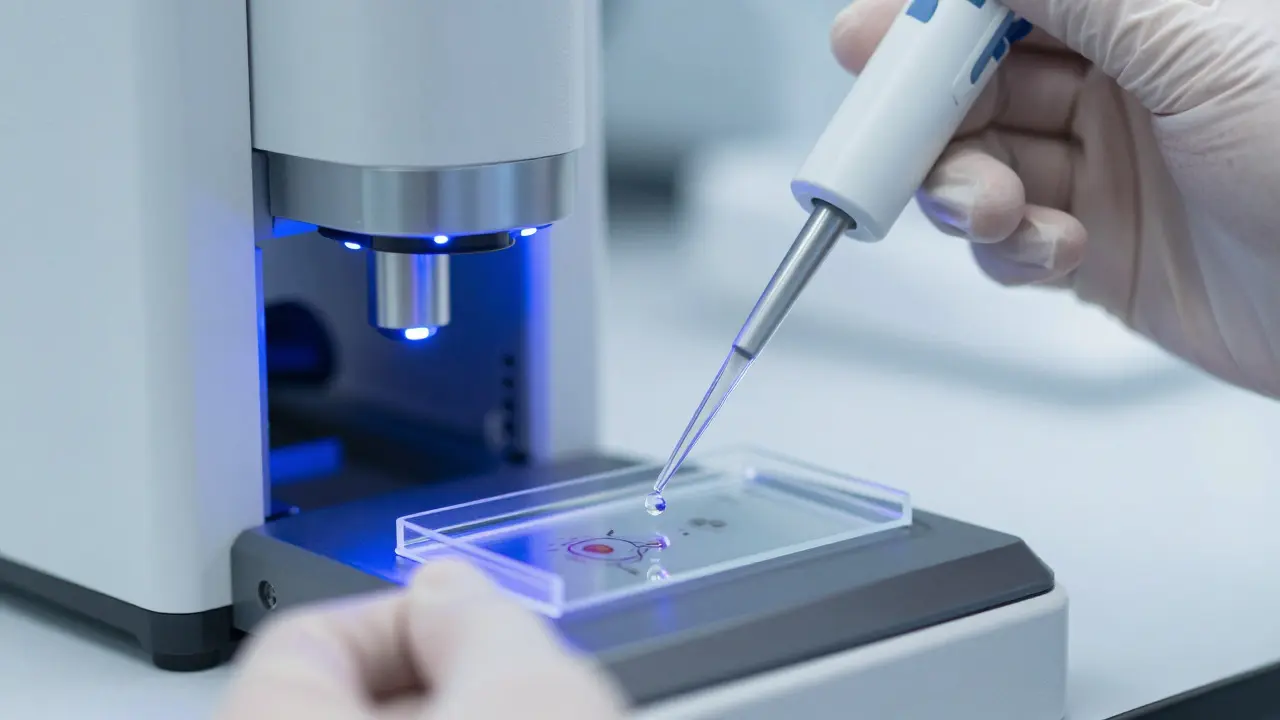
Comparing Traditional vs. Modern DNA Analysis
Legal and Ethical Considerations
As we unlock these old cases, questions arise about privacy and consent. Did the original victims’ families know their evidence would be analyzed using new technologies? Do consumers uploading their DNA to ancestry sites expect it to be used for criminal investigations? Courts are still navigating these waters. Currently, most states allow law enforcement to access consumer databases for violent crimes, but regulations vary. Understanding these legal boundaries is crucial for both investigators and citizens alike.
Ethically, solving a cold case brings closure to victims’ families. But it also raises the bar for what constitutes a fair trial when evidence is decades old. Defense teams scrutinize every detail of the re-testing process. They ask if the lab followed current accreditation standards, such as those set by the Forensic Science Service or ISO 17025. Rigorous quality control ensures that the science stands up to legal scrutiny.
Steps for Investigating a Cold Case
If you are part of a task force looking to revive a case, follow this structured approach:
- Audit the Evidence Locker: Identify cases with biological evidence that hasn’t been fully tested. Prioritize cases with violent crimes or missing persons.
- Assess Sample Quality: Visually inspect samples for mold, drying, or contamination. Request preliminary extraction to check for DNA quantity and quality.
- Select the Right Panel: Choose between standard CODIS STR panels for known suspects or SNP panels for genetic genealogy if no suspect exists.
- Run the Analysis: Use automated capillary electrophoresis to generate the profile. Ensure duplicate runs to verify consistency.
- Search Databases: Upload profiles to CODIS first. If no hits, consider uploading to GEDmatch for genetic genealogy searches.
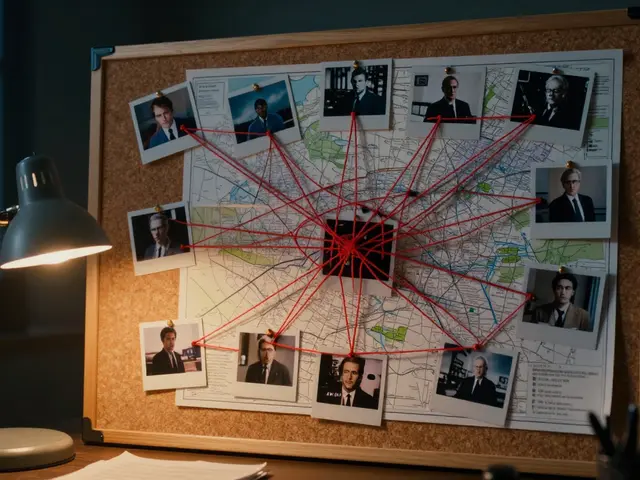
- Investigate Leads: Build family trees, interview relatives, and corroborate findings with physical evidence or witness statements.
This systematic process minimizes errors and maximizes the chance of success. It treats the cold case not as a relic, but as an active investigation with modern tools.
Frequently Asked Questions
How long does DNA last in evidence lockers?
DNA can remain analyzable for decades if stored properly. Dry, cool conditions preserve the molecular structure. Even after 40 years, fragments suitable for STR analysis are often recoverable, though the yield may be lower than fresh samples.
What is the difference between CODIS and GEDmatch?
CODIS is a law-enforcement database containing DNA profiles from convicted offenders and crime scenes. GEDmatch is a non-profit platform where consumers upload their raw genetic data. Investigators use CODIS for direct matches and GEDmatch for finding distant relatives via genetic genealogy.
Can cold case DNA solve crimes without a suspect?
Yes. Through genetic genealogy, investigators can find distant relatives of the unknown offender in consumer databases. By building family trees, they narrow down the list of potential suspects until a match is identified.
Is re-testing expensive?
Costs have dropped significantly due to automation. While the initial setup for high-throughput labs is high, the cost per profile is now manageable for many state and local agencies. Budget constraints often determine which cases get priority, favoring high-impact violent crimes.
What types of evidence are best for re-testing?
Blood stains, semen swabs, and touch DNA from clothing or weapons offer the highest success rates. Hair shafts without roots are less reliable but can still yield mitochondrial DNA, which helps rule out suspects rather than definitively identifying them.