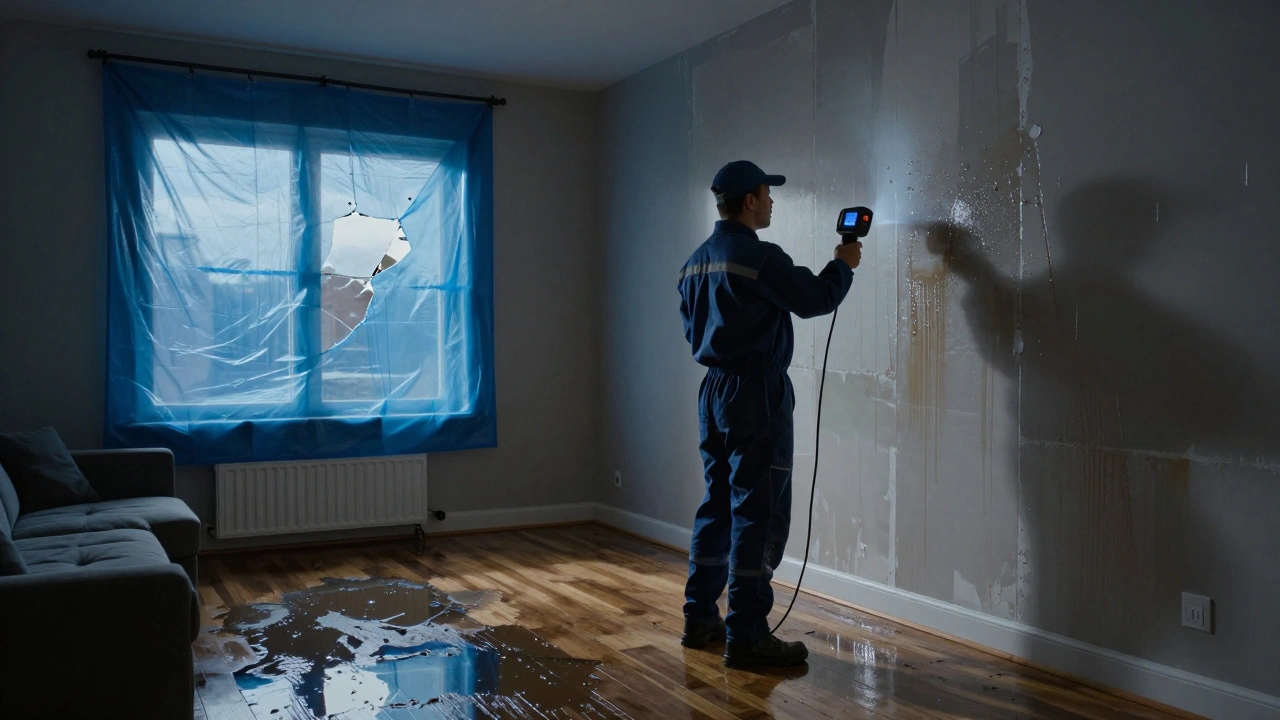
Imagine coming home to find your living room flooded, or walking into a kitchen filled with the acrid smell of smoke. It’s a nightmare scenario that leaves you standing in shock, wondering where to even begin. The instinct might be to grab a mop or open a window, but here is the hard truth: improper handling can turn a manageable repair job into a long-term health hazard. Property restoration isn’t just about making things look good again; it is a scientific process designed to return your space to a safe, habitable condition.
Whether you are dealing with burst pipes, storm debris, or a biohazard situation like sewage backup, the goal remains the same. You need to stabilize the structure, remove contaminants, and rebuild without introducing new risks like mold or structural failure. This guide breaks down exactly how professionals handle these crises, what standards they follow, and why timing is everything when protecting your home and health.
The First 48 Hours: Why Speed Matters
When disaster strikes, time is your enemy. In the world of property restoration, the professional process of returning a damaged space to a safe, pre-loss condition using specialized equipment and industry standards, there is a critical window known as the initial response phase. Most reputable contractors aim to arrive within 24 to 48 hours of the incident. Why such a rush? Because secondary damage starts almost immediately.
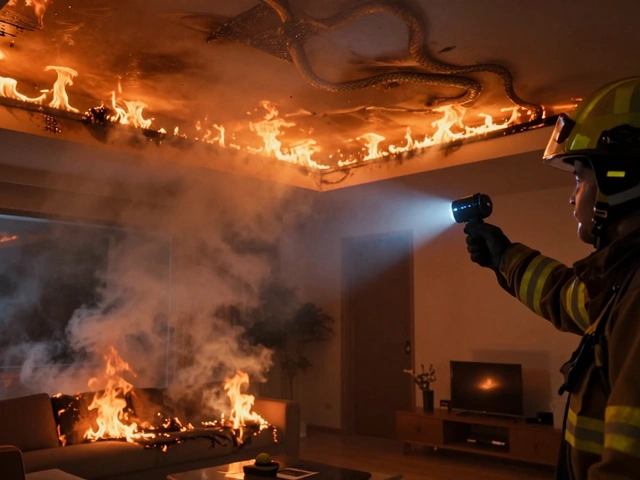
If water sits on your floor for more than two days, mold spores-which are already present in your air-begin to colonize wet materials. The Centers for Disease Control and Prevention (CDC) warns that mold growth can start in as little as 24 to 48 hours at typical indoor temperatures. Similarly, after a fire, soot residue becomes acidic over time, eating away at metal surfaces, glass, and paint if not neutralized quickly. Storm damage exposes your interior to rain and pests, accelerating rot.
Your first steps should focus on safety and stabilization:
- Secure the site: Board up broken windows and tarp damaged roofs to prevent further water intrusion. This is often called "board-up and tarp-over" in the industry.
- Shut off utilities: If it is safe to do so, turn off electricity and gas to eliminate explosion or electrocution risks. Never enter a building with standing water if electrical outlets are submerged.
- Document everything: Take dozens of photos and videos before moving anything. Capture wide angles and close-ups. This documentation is crucial for insurance claims.
- Contact professionals: Call your insurance provider and a certified restoration contractor. Do not wait for visible mold or structural sagging to appear.
Understanding the Science: IICRC Standards
You might wonder why you can't just hire a general handyman to fix the drywall. The difference lies in the science behind the cleanup. Professional restoration follows strict guidelines set by the Institute of Inspection, Cleaning and Restoration Certification (IICRC). These aren't just suggestions; they are industry-wide standards that ensure hazards are fully removed.
For water damage, technicians use the IICRC S500 Standard, a comprehensive reference guide for professional water damage restoration that defines water categories and drying methodologies. This standard classifies water into three categories based on contamination levels:
- Category 1: Clean water from sources like broken supply lines or tub overflows. It poses no substantial threat.
- Category 2: Significantly contaminated water containing chemicals or biological matter, such as dishwasher leaks or washing machine overflow. This can cause sickness if ingested or touched.
- Category 3: Grossly contaminated water containing pathogens, toxins, and harmful substances. Examples include sewage, seawater, and groundwater flooding. This requires immediate removal and strict disinfection protocols.
Knowing the category dictates the response. Category 1 water might only require extraction and drying. Category 3 water, however, often means removing all porous materials like carpet and drywall because they cannot be safely sanitized. Ignoring this distinction can lead to lingering bacteria and serious health issues later on.
Biohazard Cleanup: More Than Just Messy
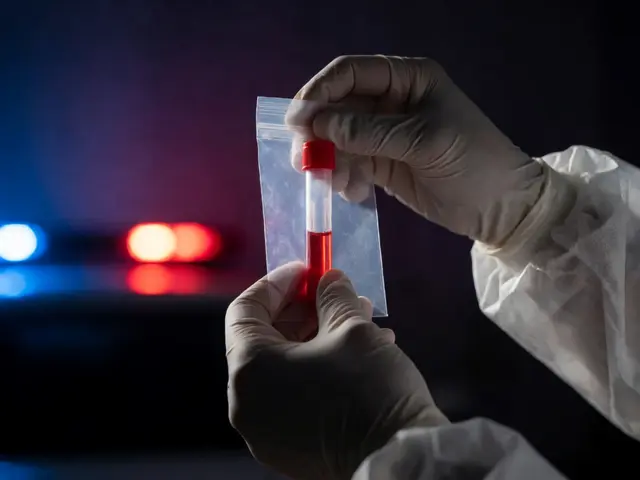
Some incidents involve biological hazards that go beyond simple dirt or water. Biohazard cleanup deals with blood, bodily fluids, feces, and other potentially infectious materials. This could result from an unattended death, a crime scene, or severe sewage backup. These situations are governed by the IICRC S540 Standard, the industry standard for trauma and crime scene cleanup, focusing on decontamination and emotional sensitivity.
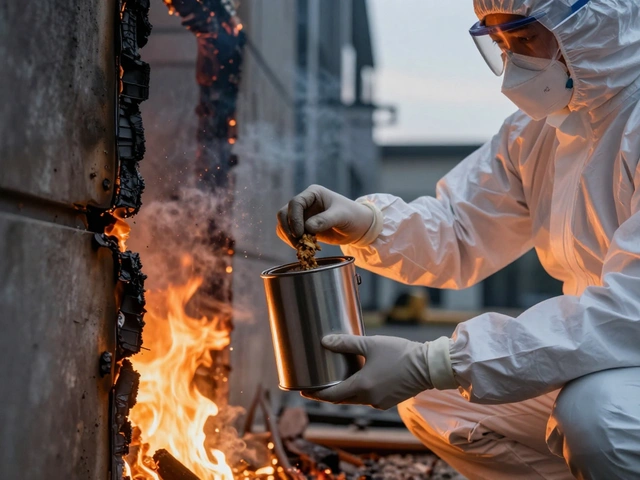
Biohazards pose acute risks. Pathogens like Hepatitis B, HIV, and various bacteria can survive on surfaces for extended periods. Cleaning them requires more than bleach and paper towels. Professionals use hospital-grade disinfectants and enzymatic cleaners that break down organic matter at a molecular level. They also wear full personal protective equipment (PPE), including Tyvek suits and respirators, to protect themselves from exposure.
Furthermore, biohazard waste must be disposed of according to state and federal regulations. You cannot throw contaminated drywall or carpets into regular trash bins. Specialized disposal facilities are required to incinerate or treat this waste safely. Attempting DIY biohazard cleanup not only endangers your health but can also lead to legal violations if waste is improperly discarded.
The Equipment Behind the Restoration
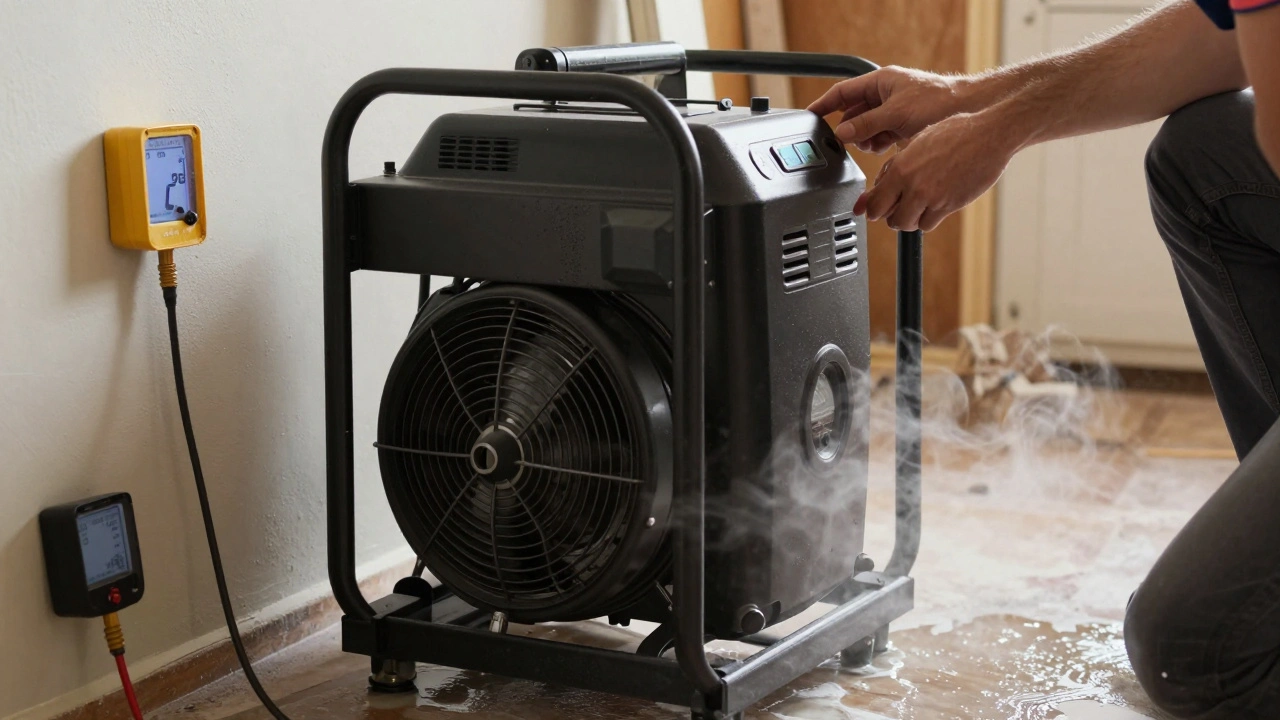
Restoration isn't done with household fans and shop vacuums. Professionals deploy industrial-grade tools designed to manipulate moisture and air pressure. Understanding this equipment helps you see why professional intervention saves money in the long run by preventing hidden damage.
| Equipment | Function | Why It Matters |
|---|---|---|
| Moisture Meters | Measures moisture content in walls, floors, and ceilings | Detects hidden water that isn't visible to the naked eye, preventing future mold growth inside walls. |
| Thermal Imaging Cameras | Visualizes temperature differences to find moisture pockets | Allows technicians to target specific areas for drying without unnecessary demolition. |
| Industrial Air Movers | Creates high-velocity airflow across surfaces | Accelerates evaporation rates significantly faster than standard fans, reducing drying time from weeks to days. |
| Dehumidifiers (LGR) | Extracts water vapor from the air | Prevents condensation on cold surfaces and lowers relative humidity to stop mold colonization. |
| HEPA Vacuums | Captures 99.97% of particles ≥0.3 microns | Removes fine soot, dust, and mold spores from surfaces and HVAC systems, improving indoor air quality. |
For example, during water extraction, submersible pumps remove standing water in gallons per hour. Then, truck-mounted extractors pull moisture out of carpets and padding. Once the bulk water is gone, air movers create a boundary layer disruption that forces moisture out of materials, while dehumidifiers capture that vapor from the air. This controlled environment ensures that every corner of the room dries evenly, something impossible to achieve with random fan placement.
Reconstruction: Building Back Better
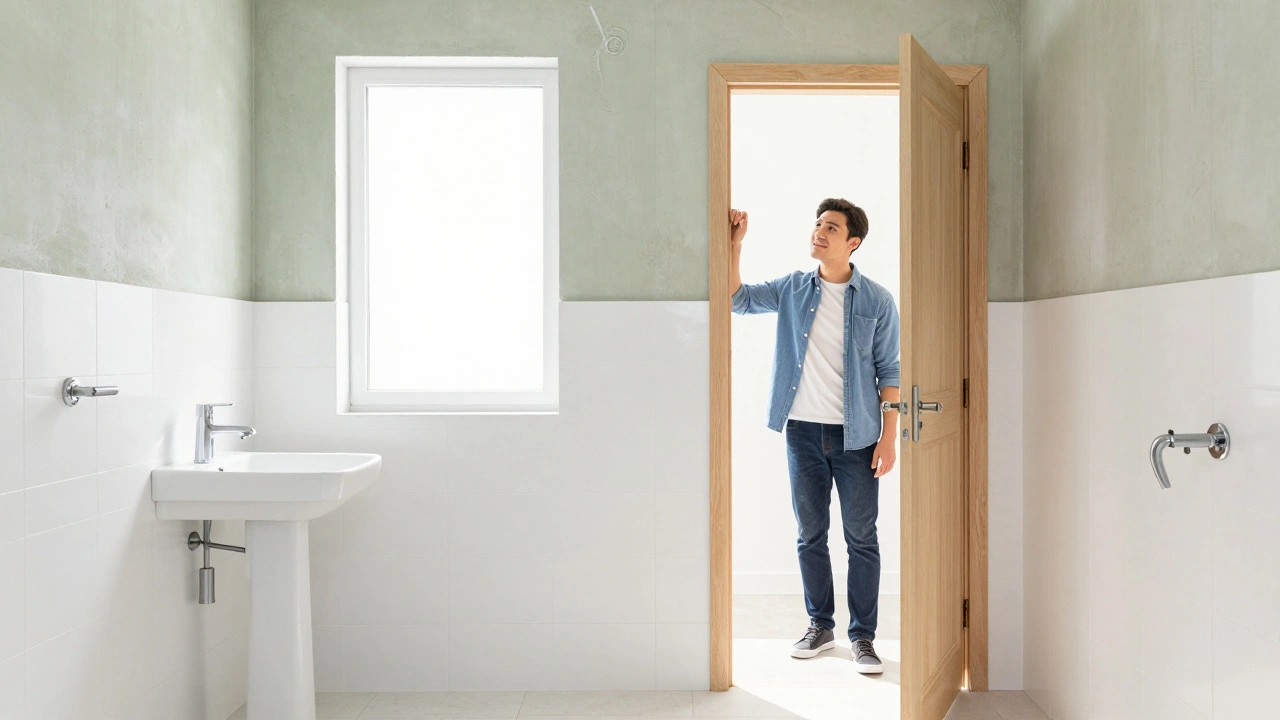
Once the space is dry, clean, and structurally sound, the final phase begins: reconstruction. This is where the property returns to its pre-loss appearance. However, this stage offers an opportunity to upgrade resilience against future disasters.
Reconstruction typically involves replacing non-salvageable materials like saturated drywall, insulation, and flooring. Electricians and plumbers may need to re-run lines through newly framed walls. Painters then cover everything to restore the aesthetic finish. But smart homeowners often use this time to improve their home's defense mechanisms.
Consider installing water-resistant materials like cement board in bathrooms and basements instead of standard drywall. Upgrade to impact-resistant windows if you live in a storm-prone area. Improve drainage around your foundation to divert water away from the structure. These small changes can drastically reduce the severity of future damage and lower insurance premiums over time.
Navigating Insurance and Costs
One of the biggest stresses during restoration is the financial aspect. Most restoration projects are covered by homeowners or commercial property insurance, but the process can be confusing. Restoration companies often work directly with insurers, using estimating software like Xactimate to generate detailed line-item reports. This transparency helps justify costs to adjusters.
However, disputes can arise. Common issues include disagreements over whether certain items are salvageable or if additional hidden damage was found after opening walls. To protect yourself, keep a written log of all communications with both your adjuster and the contractor. Get estimates in writing before authorizing major repairs. If possible, obtain multiple quotes for reconstruction work, especially if the insurance company allows it.
Remember, mitigation (stopping the damage) is usually covered differently than reconstruction (fixing the damage). Ensure you understand which parts of the bill are paid by insurance and which might be out-of-pocket, such as deductibles or excluded items like cosmetic upgrades.
Frequently Asked Questions
How long does the property restoration process take?
The timeline varies based on the extent of damage. Emergency stabilization and water extraction usually happen within the first 24-48 hours. Drying and dehumidification can take 2-7 days. Reconstruction, involving repairs and rebuilding, typically ranges from 1 to 4 weeks. Complex cases involving heavy mold or fire damage may take longer due to extensive cleaning and material replacement.
Can I clean up water damage myself?
DIY cleanup is only recommended for very minor incidents, such as a small spill from a clean water source (Category 1) affecting less than 10 square feet, provided you can dry it completely within 24-48 hours. For any sewage backup (Category 3), significant flooding, or visible mold growth larger than 10 square feet, professional help is essential to prevent health hazards and hidden structural damage.
What certifications should a restoration company have?
Look for companies with technicians certified by the IICRC (Institute of Inspection, Cleaning and Restoration Certification). Key certifications include WRT (Water Damage Restoration Technician), AMD (Applied Microbial Remediation Technician) for mold, and RTCC (Restoration Technician for Crime Scene Cleanup) for biohazards. Additionally, verify that the company is licensed and insured in your state.
Is it safe to stay in my home during restoration?
Safety depends on the type of damage. For minor water damage with proper containment, staying may be possible. However, for fire damage (due to soot and fumes), extensive mold remediation, or biohazard cleanup, evacuation is strongly recommended until the space is declared safe by professionals. Always follow the advice of your restoration contractor and health officials.
Does insurance cover biohazard cleanup?
Coverage varies by policy. Many standard homeowners policies exclude intentional acts or neglect but may cover sudden accidents like sewage backups if you have specific endorsements. Biohazard cleanup related to crimes or unattended deaths is often excluded. Always review your policy details and consult with your insurance agent to understand your specific coverage limits and exclusions.