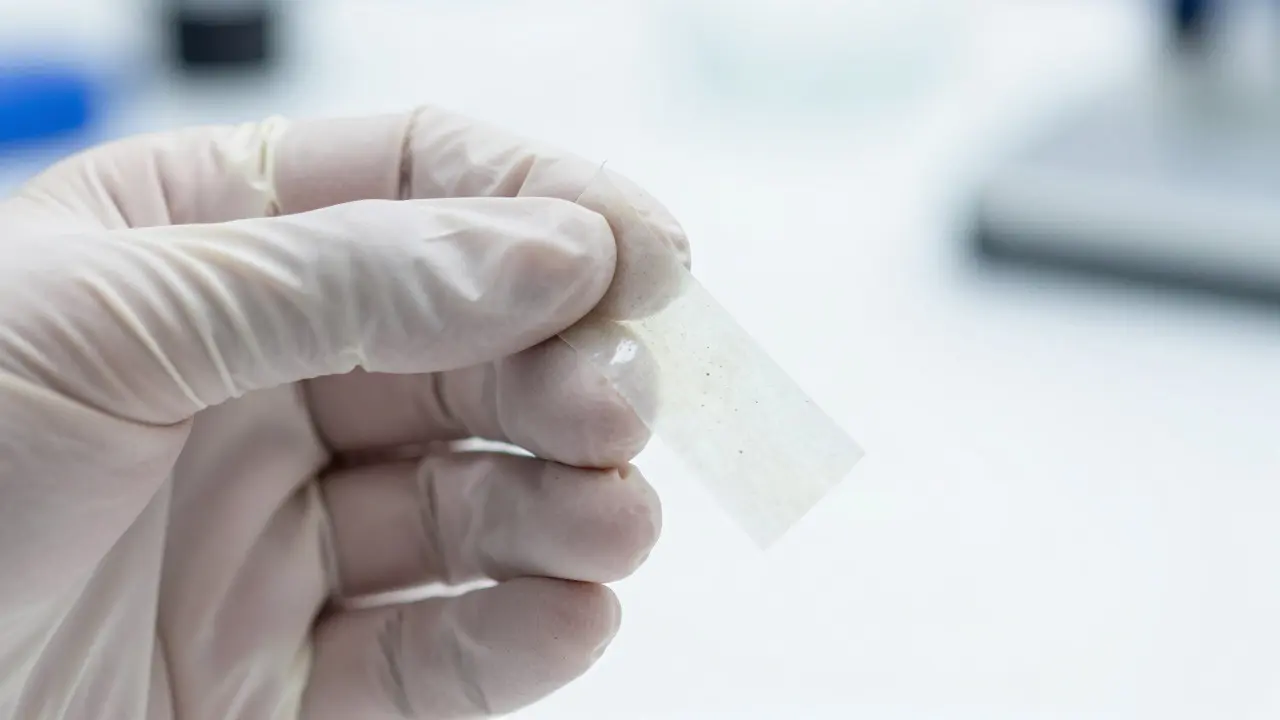
Imagine finding a tiny speck on a suspect's glove. Is it proof they fired a weapon, or just dirt from the parking lot? This distinction defines the line between conviction and acquittal in many firearm cases. The core challenge for forensic scientists is separating gunshot residue (GSR) from background contamination. While both appear as microscopic particles under a microscope, their origins are fundamentally different. GSR comes from the chemical explosion of a cartridge, while environmental particles come from soil, paint, or industrial dust. Getting this wrong can lead to false positives, which is why modern labs use multi-layered verification methods rather than relying on a single test.
The Chemistry Behind the Specks
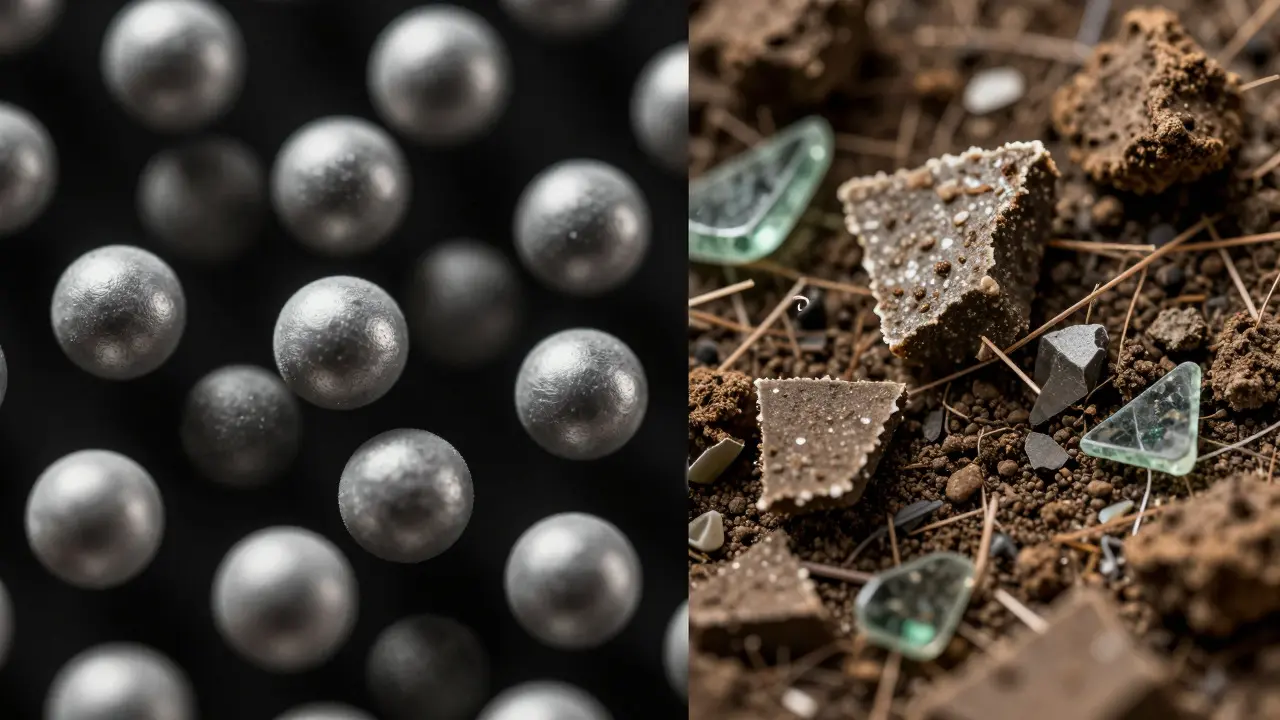
To understand the difference, you have to look at what makes up each particle. Gunshot residue is not just one thing; it is a complex mixture resulting from the combustion of propellant and the decomposition of the primer. The primer contains specific metal salts that serve as chemical fingerprints. For example, most centerfire cartridges use a primer containing barium nitrate, antimony trioxide, and lead sulfide. When the firing pin strikes the primer, these compounds vaporize and condense into tiny spherical particles.
Environmental particles, on the other hand, are amorphous. They are fragments of rocks, glass, plastic, or organic matter. A piece of concrete dust looks like a jagged shard. A grain of pollen has a distinct biological structure. Neither typically contains the specific trio of barium, antimony, and lead found in GSR. However, the world is full of lead. Paint chips, battery acid leaks, and old plumbing can all introduce lead particles into an environment. This is where the simple presence of lead becomes a trap for investigators who do not look deeper.
Morphology: Shape Tells the Story
If chemistry is the DNA of the particle, morphology is its face shape. Under Scanning Electron Microscopy (SEM), GSR particles have a very specific look. They are typically spherical or near-spherical, with diameters ranging from 0.5 to 10 micrometers. Their surfaces often appear smooth or slightly wrinkled, like a deflated balloon. This spherical shape occurs because the molten metal droplets cool rapidly in the air after being ejected from the muzzle.
Compare this to environmental debris. Soil particles are angular and irregular. Glass shards are sharp-edged. Plastic fibers are long and thin. Even when environmental particles are round, they rarely match the size distribution and surface texture of true GSR. A forensic examiner will measure dozens of particles. If 80% of them are spherical and within the 1-5 micrometer range, the likelihood of GSR increases significantly. If the sample contains mostly jagged rocks or large fibers, it is likely background noise.
| Feature | Gunshot Residue (GSR) | Environmental Particles |
|---|---|---|
| Shape | Spherical or ovoid | Angular, fibrous, or irregular |
| Size Range | 0.5 to 10 micrometers | Variable, often >10 micrometers |
| Surface Texture | Smooth or wrinkled | Rough, porous, or crystalline |
| Chemical Signature | Barium, Antimony, Lead | Silicon, Calcium, Iron, Organic matter |
| Origin | Primer and Propellant combustion | Soil, Paint, Dust, Biology |
The Chemical Triad: Barium, Antimony, and Lead
In the laboratory, visual inspection is only half the battle. The gold standard for confirming GSR is Energy Dispersive X-ray Spectroscopy (EDS). This technique allows scientists to identify the elements present in a single particle. The classic "triad" for identifying GSR from centerfire ammunition consists of barium, antimony, and lead. Finding all three in the same particle is highly specific to firearms discharge.
However, edge cases exist. Rimfire ammunition, commonly used in .22 caliber rifles, often lacks antimony in its primer. Instead, it relies heavily on lead and copper. In these cases, the absence of antimony does not rule out GSR, but it changes the interpretation. Conversely, some industrial processes, such as welding certain alloys or handling lead-based paints, can create particles containing lead and barium. Without antimony, the link to a firearm becomes weaker. Therefore, context matters. Did the suspect work in a factory? Did they handle old paint? These questions help determine if the chemical signature is truly from a gun or from daily life.
Sampling Errors and Contamination Risks
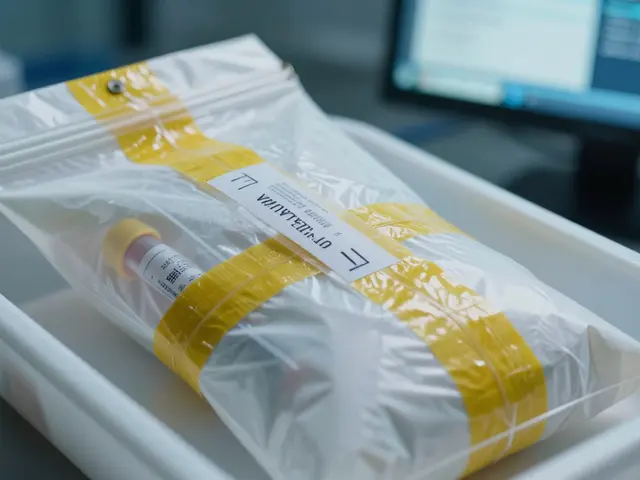
Even if the science is sound, human error can ruin a case. GSR is fragile. It degrades over time due to humidity and oxidation. More importantly, it is easily transferred. If a lab technician wears gloves contaminated with GSR from a previous case, they can plant evidence on a new suspect. This is why strict chain-of-custody protocols are mandatory. Samples must be collected using specialized adhesive tape lifts, stored in clean, sealed bags, and analyzed in a controlled environment.
Another common pitfall is the "background sample." Investigators should always collect a control sample from a non-contact area of the suspect's clothing, such as the inside of a pocket or the cuff of a sleeve away from the hand. If the background sample shows similar particle counts and types, the GSR found on the hands is likely environmental. If the hands show high levels of the barium-antimony-lead triad and the background does not, the evidence points strongly toward recent firing.
Modern Detection Methods Beyond SEM
While SEM-EDS remains the primary tool, newer technologies are filling in the gaps. Inductively Coupled Plasma Mass Spectrometry (ICP-MS) is emerging as a powerful alternative. Unlike SEM, which looks at individual particles, ICP-MS dissolves the entire sample and measures the total concentration of metals. This method is less prone to missing rare particles but loses the morphological data. It is excellent for detecting low-level residues that might be washed off or degraded. Combining SEM for shape analysis with ICP-MS for bulk chemical analysis provides a robust, two-pronged approach that minimizes the risk of misidentification.

Interpreting Results in Court
When presenting this evidence, experts must avoid overstating certainty. Saying "this particle came from a gun" is risky. Instead, experts state that the particle is "consistent with gunshot residue." This language acknowledges the possibility of rare environmental mimics. Courts have overturned convictions based on GSR when defense attorneys proved that the suspect worked in an industry involving lead and barium. Understanding the limits of the science is just as important as knowing the techniques. The goal is not to find a smoking gun, but to eliminate reasonable doubt about the origin of the particles.
Frequently Asked Questions
How long does gunshot residue last on skin?
GSR is volatile and degrades quickly. On skin, it may last only a few hours depending on sweating, washing, and environmental conditions. On clothing, it can persist longer, potentially for days or weeks, especially in dry conditions. This short lifespan means rapid collection is critical for reliable results.
Can environmental dust mimic gunshot residue?
Yes, but rarely with the full chemical signature. Industrial dust, paint chips, or battery waste can contain lead or barium. However, finding the specific combination of barium, antimony, and lead in spherical particles is extremely uncommon outside of firearm discharge. Contextual investigation helps rule out these sources.
What is the difference between GSR and GSP?
GSR stands for Gunshot Residue, referring to the microscopic particles left behind after firing. GSP stands for Gunshot Pattern, which refers to the distribution of these particles on a target or surface. GSR analysis identifies the source material, while GSP analysis helps determine distance and angle of fire.
Why is antimony important in GSR identification?
Antimony is a key component in the primers of most centerfire ammunition. Its presence, alongside barium and lead, creates a unique chemical fingerprint. Because antimony is less common in everyday environmental materials than lead or barium, its detection significantly strengthens the link to a firearm.
How do labs prevent cross-contamination?
Labs use dedicated tools for each case, wear fresh nitrile gloves, and maintain positive pressure rooms to keep airborne particles out. Technicians also run blank samples regularly to ensure no residual GSR remains in the equipment. Strict protocol adherence is the primary defense against accidental transfer.