Imagine you’re a crime scene investigator holding a blood-stained shirt. The clock is ticking. If you store it wrong, the DNA inside might degrade before the lab even gets a chance to analyze it. Choosing between evidence preservation via refrigeration or freezing isn't just about temperature; it's about chemistry, logistics, and legal admissibility. Get it wrong, and your case could collapse in court because the defense argues the sample was compromised.
This guide breaks down exactly when to use each method, the scientific reasons behind the choices, and the practical pitfalls that can ruin a sample. We’ll look at specific types of evidence, from wet biologicals to digital devices, and give you a clear decision framework so you never have to guess again.
Quick Summary / Key Takeaways
- Refrigeration (2-8°C) is best for short-term storage (up to 48 hours) of fresh biological evidence like blood swabs and semen stains.
- Freezing (-20°C or lower) is required for long-term storage (weeks to years) of DNA-sensitive items to prevent bacterial growth and enzymatic decay.
- Never freeze certain items like hair with roots, fibers, or some drugs, as ice crystals can shatter structures or alter chemical composition.
- Temperature logging is mandatory. A single spike above 10°C for more than 30 minutes can invalidate a sample in strict jurisdictions.
- Packaging matters as much as temperature. Use breathable paper bags for organic matter to prevent mold, regardless of whether it’s chilled or frozen.
The Science Behind Cold Storage
To understand why we chill or freeze evidence, you have to look at what happens to organic material at room temperature. Bacteria and fungi are naturally present on almost all biological samples. At 20°C (room temp), these microorganisms multiply rapidly. They consume the very DNA you’re trying to extract. This process is called autolysis. It doesn’t stop just because the body died; it continues until the environment becomes inhospitable.
Cold slows this down. Refrigeration reduces bacterial activity by about 50% compared to room temperature. Freezing stops most microbial activity entirely. However, freezing introduces its own risk: ice crystal formation. When water in a cell freezes, it expands. These expanding crystals can puncture cell membranes, releasing enzymes that break down DNA from the inside out. That’s why the speed of freezing and the type of packaging are critical factors, not just the final temperature.
When to Choose Refrigeration Over Freezing
Refrigeration is the go-to for immediate processing or short-term holding. Think of it as the "waiting room" for evidence. If you know the lab will receive the item within 24 to 48 hours, the fridge is usually sufficient and safer for delicate items.
Use refrigeration for:
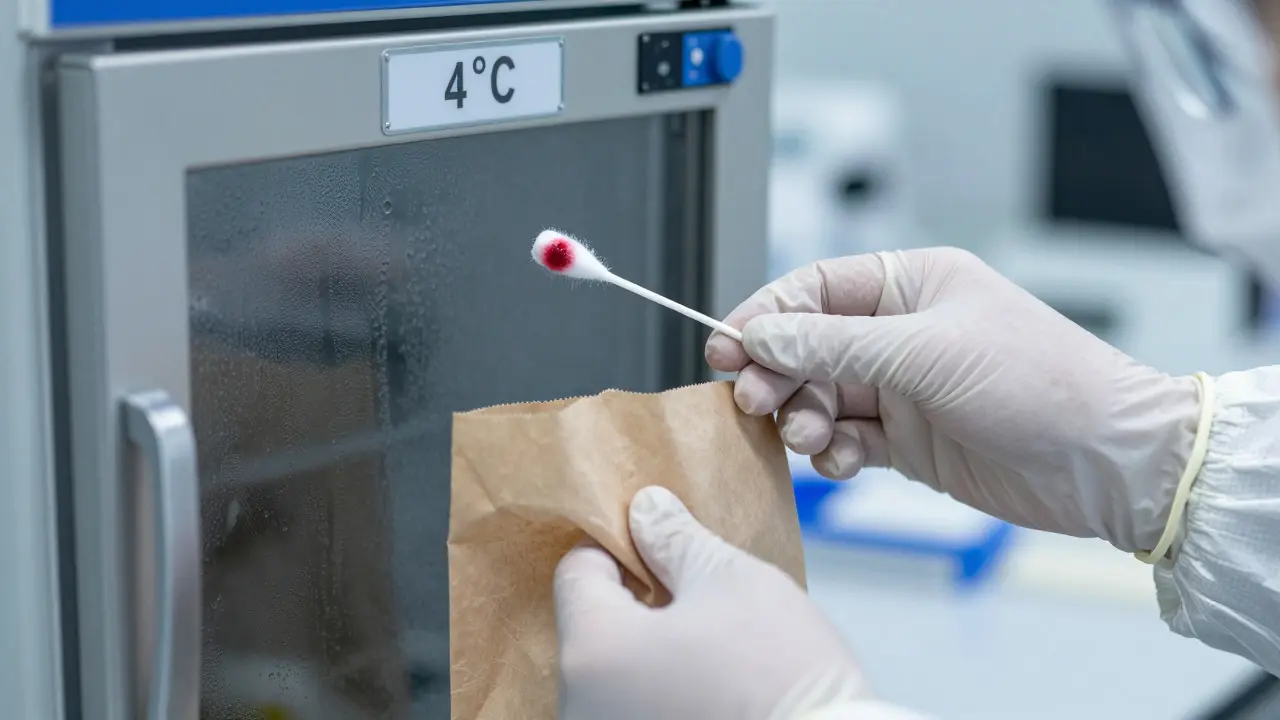
- Fresh Blood Swabs: Cotton swabs moistened with blood should be air-dried first, then placed in a paper bag and refrigerated. Do not put wet swabs directly into the fridge without drying, or you’ll grow mold.
- Semen Stains on Fabric: If the stain is still wet, dry it at room temperature first. Once dry, refrigerate if transport is delayed.
- Buick Samples (Vomitus): These are highly acidic and prone to rapid degradation. Keep them cold but avoid freezing unless necessary, as freezing can precipitate proteins and make extraction harder.
- Short-Term Digital Devices: While phones don’t need cold for data integrity, keeping them cool prevents battery swelling and overheating during transit.
The main advantage here is reversibility. Thawing a refrigerated item is gentle. You simply let it come to room temperature. No structural damage occurs. This makes refrigeration the safer default for anything where you aren’t 100% sure of the next step.

When Freezing Is Mandatory
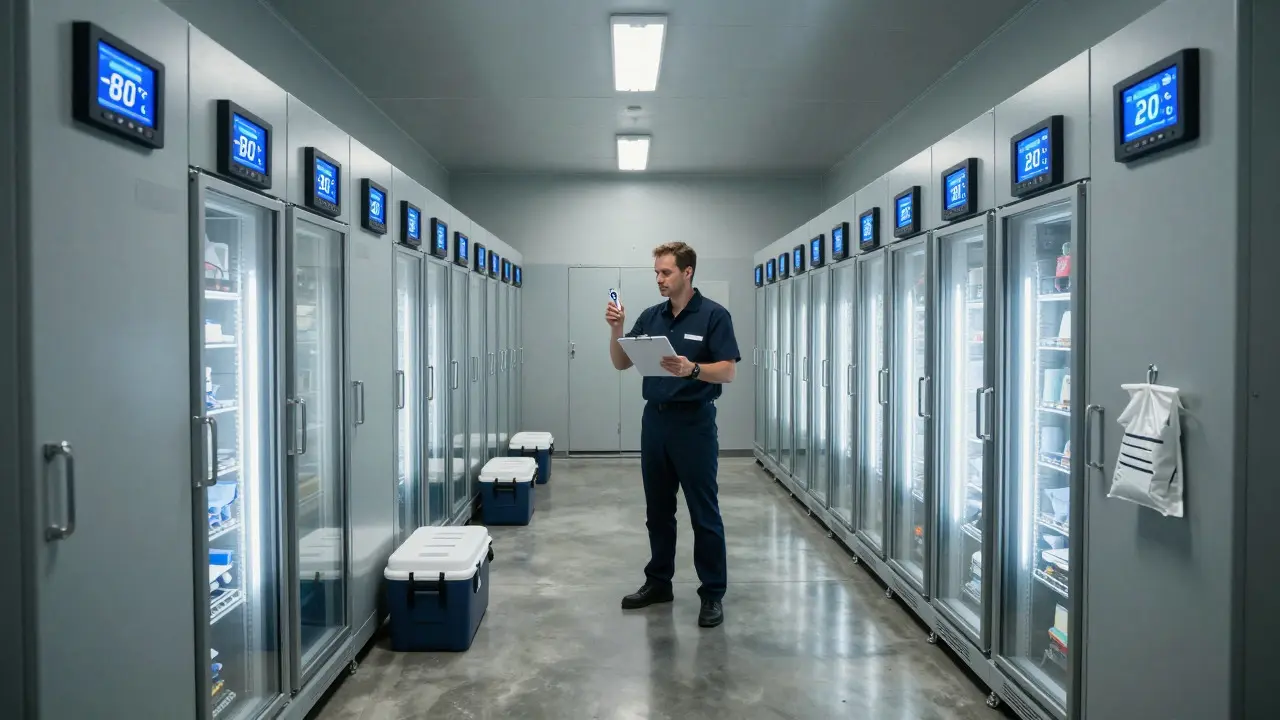
If the evidence won’t reach the lab for several days, or if it needs to be stored for future re-testing, freezing is non-negotiable. Long-term DNA stability requires temperatures below -20°C. Standard household freezers often fluctuate too much; professional forensic freezers maintain consistent -80°C for archival quality.
Freeze these items:
- Dry Blood Spots (DBS): Once fully dried, they can be frozen for indefinite storage.
- Tissue Samples: Muscle or organ tissue removed during an autopsy must be frozen immediately to preserve cellular integrity.
- Long-Term Biologicals: Any item expected to sit in storage for more than two weeks should be frozen to halt enzymatic decay completely.
However, handle freezing with care. Rapid freezing is better than slow freezing. Slow freezing allows large ice crystals to form, which cause more cellular damage. If you only have access to a standard freezer, place the evidence in the center, away from the door, to ensure consistent cooling.
Items That Should Never Be Frozen
This is where many junior investigators make mistakes. Not everything benefits from the cold. Some evidence degrades physically when exposed to ice crystals.
| Evidence Type | Recommended Method | Reasoning | Risk of Wrong Choice |
|---|---|---|---|
| Hair with Root | Room Temp / Dry | Ice crystals shatter the root sheath | Loss of mitochondrial DNA access |
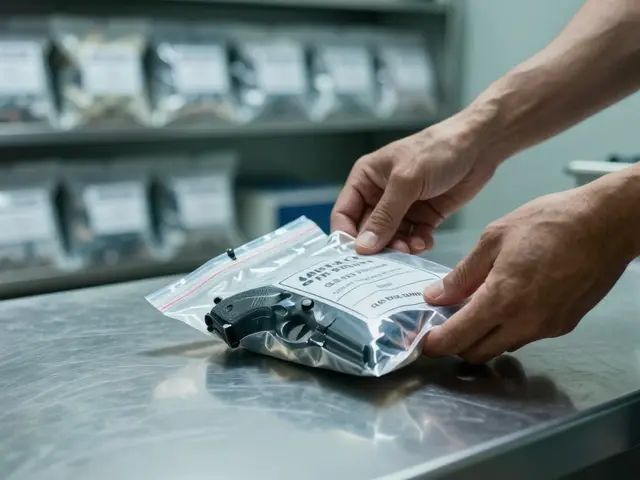
| Firearms | Room Temp / Dry | Moisture condensation causes rust | Corrosion destroys ballistic marks |
| Drugs (Solids) | Room Temp / Sealed | Hygroscopic changes; weight loss | Inaccurate mass spectrometry results |
| Fibers | Room Temp / Paper Bag | Fragile structure breaks under ice pressure | Micro-trace evidence lost |
| Fresh Blood | Refrigerate (2-8°C) | Slows bacteria without breaking cells | DNA degradation if left at room temp |
| Dried Tissue | Freeze (-20°C) | Stops long-term enzymatic decay | Sample unusable after 2+ weeks at room temp |
Notice the pattern? Physical integrity matters. If the evidence is fragile or susceptible to moisture shifts, keep it dry and at stable room temperature. The goal is to preserve the physical state of the object, not just the biological content inside it.
Chain of Custody and Temperature Logging
You can have the perfect storage conditions, but if you can’t prove it, it doesn’t count in court. The chain of custody includes environmental data. Every time evidence moves from one location to another, the temperature history must be documented.
Modern evidence lockers often come with built-in sensors. For field kits, use digital thermometers with data logging capabilities. Record the temperature every 4 hours for refrigerated items and every 24 hours for frozen items. If a power outage occurs, note the duration. If the fridge stayed below 10°C for less than 2 hours, the sample is likely safe. If it exceeded 10°C for longer, flag it in the report. Transparency beats hiding problems. Judges respect honesty more than they fear minor technical flaws.
Also, document the packaging. Did you use a paper bag? Was it sealed? Was there a desiccant packet? These details help the lab technician know how to handle the item upon arrival. A vague entry like "stored in fridge" is weak evidence. Specific entries like "placed in sterile paper bag, sealed, stored in forensic fridge at 4°C from 14:00 to 16:30" are strong.
Common Pitfalls to Avoid
Even experienced teams slip up. Here are the top three errors that compromise evidence:
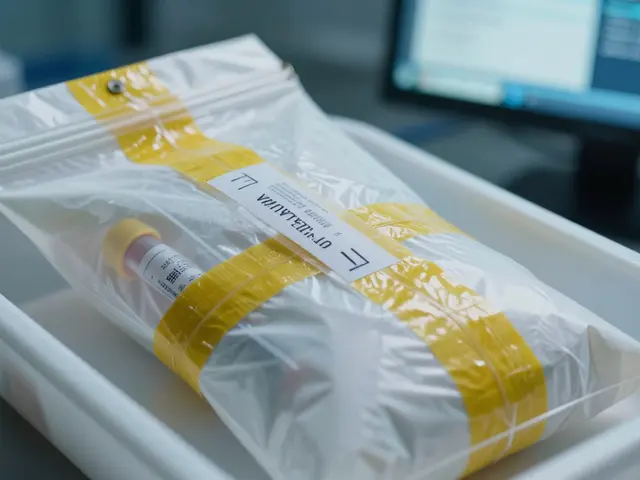
- Putting Wet Evidence in Plastic Bags: Plastic traps moisture. Moisture breeds mold. Mold eats DNA. Always use paper bags for biologicals, even if they are going into the freezer. Paper allows minimal gas exchange while preventing condensation buildup.
- Thawing Too Quickly: Moving a frozen item straight to a warm room creates condensation on the surface. This water can dilute concentrated stains or introduce contaminants. Let frozen items thaw slowly in the refrigerator first, then move to room temperature.
- Ignoring the 'Hold' Time: Don’t assume the fridge is working. Check the thermometer daily. A broken compressor can fail silently. One week of unnoticed failure can ruin months of collected evidence.
Best Practices for Field Investigators
When you’re out in the field, you don’t always have a lab-grade freezer. Here is a practical checklist for your kit:
- Insulated Cooler Box: Use gel packs, not ice cubes. Ice melts and creates liquid water, which is dangerous for electrical components and can soak paper packaging.
- Digital Thermometer: Keep one in the cooler. Log readings every 4 hours.
- Desiccant Packets: Include silica gel packets in plastic bags for any non-biological items (like guns or electronics) to control humidity.
- Label Everything: Date, time, collector name, and initial temperature reading. Write on the outside of the bag, not just the label.
Remember, the goal is consistency. Whether you’re storing a single swab or a full autopsy tray, the rules remain the same: control the temperature, control the moisture, and document everything. If you follow these steps, your evidence will arrive at the lab in the best possible condition, ready to tell the truth.
Frequently Asked Questions
How long can biological evidence stay at room temperature?
Ideally, no longer than 2 to 4 hours. After that, bacterial growth accelerates significantly. If you cannot get it to a fridge within 4 hours, start the drying process for stains or prepare for potential degradation notes in your report.
Can I freeze a phone or digital device?
Generally, no. Unless directed by a digital forensics specialist, keep phones at room temperature in a Faraday bag. Freezing can cause condensation inside the device when it thaws, potentially shorting the motherboard and corrupting data.
What is the difference between -20°C and -80°C storage?
-20°C is sufficient for routine casework over periods of months to a few years. -80°C is used for long-term archival storage (decades) or highly sensitive research. For most criminal cases, -20°C is the standard requirement.
Do I need to seal the paper bag before freezing?
Yes, seal it securely, but do not use tape that leaves residue. Use evidence tape or zip-ties. The seal prevents cross-contamination with other items in the freezer and keeps the item identifiable. Ensure the label is visible through the bag or attached to the outside.
What if the evidence is already degraded when I collect it?
Document the condition immediately. Note the smell, color, and texture. Even if the DNA yield will be low, proper storage now can maximize whatever remains. Degraded evidence is still admissible if the chain of custody proves no further contamination occurred.