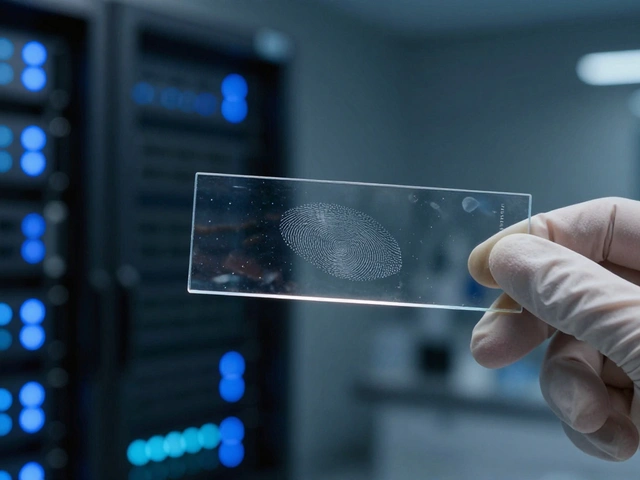
You can have the smoking gun-literally. You can have DNA that matches the suspect with a probability of one in a quadrillion. But if you cannot prove who held that gun or that swab from the moment it was found to the moment it sat on the jury desk, you might as well throw it in the trash. Chain of custody is the chronological documentation or paper trail that records the sequence of custody, control, transfer, analysis, and disposition of physical or electronic evidence. It sounds like bureaucratic paperwork, right? A formality. But break that chain, and you don't just lose points; you lose cases.
I’ve seen prosecutors drop charges because a detective forgot to sign a log at 2 AM. I’ve seen defense attorneys tear apart a multi-million dollar fraud case because a hard drive wasn’t sealed properly before transport. The stakes aren’t abstract. They are the difference between justice served and a guilty person walking free. If you work in law enforcement, forensics, or even corporate compliance, understanding how fragile this chain really is-and what happens when it snaps-is non-negotiable.
What Actually Constitutes a Break?
People often think a "break" means someone stole the evidence or swapped it out for a fake. Rarely. Most breaks are mundane administrative failures. Think about it: Did the officer who collected the blood sample write down the exact time? Did they use a tamper-evident bag? Was there a gap in hours where no one signed for the item while it sat in an unsecured locker?
A break occurs whenever there is an unaccounted-for period where the integrity of the evidence cannot be guaranteed. It’s not always malicious. It’s often sloppy. For example, if a police report says evidence was transferred to the lab at 10:00 PM, but the lab intake log shows receipt at 8:00 AM the next day, where did those ten hours go? If no one can answer that question definitively, the chain is broken. The defense doesn’t need to prove the evidence was tampered with; they only need to show that it *could* have been. And once doubt enters the room, reasonable doubt takes over.
The Ripple Effect on Admissibility
So, what actually happens in court? This is where things get tricky because judges have discretion. There isn’t a universal switch that says "Broken Chain = Inadmissible." Instead, courts look at whether the break goes to the weight of the evidence or its admissibility.
In most jurisdictions, minor gaps or clerical errors go to weight. That means the jury hears about the error and decides how much to trust the evidence. The judge lets it in, but the defense gets to hammer the witness on cross-examination. "Officer Smith, you admit you didn’t log the transfer for six hours? How do we know you didn’t leave it in your trunk?" It damages credibility, but the evidence stays.
However, significant breaches can lead to exclusion. If the break raises serious questions about authenticity or reliability, a judge may rule the evidence inadmissible under rules like Federal Rule of Evidence 901 (authentication) or state equivalents. If the evidence is excluded, the prosecution loses its anchor. Without that anchor, the rest of the case might drift away. Remember the O.J. Simpson trial? The mishandling of blood samples and the lack of rigorous protocols weren’t just technicalities; they were central to the defense's narrative of incompetence and potential contamination.
Digital Evidence Changes the Game
If you think paper logs are tough, try tracking a USB drive or a cloud server snapshot. Digital evidence introduces new vulnerabilities. Unlike a bloody knife, data can be copied, altered, or corrupted without leaving visible traces. Here, the chain of custody relies heavily on hash values-digital fingerprints generated by algorithms like SHA-256.
When investigators seize a computer, they create a forensic image and calculate a hash value. Every subsequent copy must match that original hash. If the hash changes, the data has changed. Period. But here’s the catch: if the initial collection method was flawed-if the investigator used a standard operating system tool instead of a write-blocker-the entire digital chain is suspect from step one. You can’t fix a bad start with good paperwork later.
Consider a scenario involving metadata. An email attachment might look identical, but if the metadata showing when it was sent or modified is stripped during transfer, the context is lost. In civil litigation, especially regarding intellectual property or employment disputes, this loss of context can render the evidence useless. The chain isn’t just about possession; it’s about preserving the state of the evidence exactly as it was found.
| Breach Type | Example Scenario | Likely Court Outcome | Impact on Case |
|---|---|---|---|
| Clerical Error | Missing signature on a transfer log; correct date/time noted elsewhere. | Admissible; weight reduced. | Jury may discount evidence; defense highlights sloppiness. |
| Time Gap | Evidence unlogged for 4+ hours in an unsecured area. | Admissible; high risk of exclusion if challenged. | Requires strong testimony to explain the gap; creates reasonable doubt. |
| Integrity Failure | Tamper-evident seal broken upon arrival at lab. | Frequently excluded. | Prosecution may drop charges relying solely on this item. |
| Digital Mismatch | Hash value of forensic image does not match original source. | Excluded unless proven harmless error. | Data considered unreliable; expert testimony compromised. |
Who Pays the Price?
It’s easy to blame the cop who dropped the ball, but systemic issues often cause these breaks. Understaffed labs, outdated software, and unclear jurisdictional boundaries create fertile ground for errors. When a break happens, the consequences ripple beyond the courtroom.
For the agency involved, a pattern of poor custody management can lead to civil liability. If a plaintiff proves that negligent handling caused them to lose a case or suffer wrongful conviction, the department could face lawsuits. Insurance premiums rise. Trust in local law enforcement erodes. For the individual officer or technician, repeated errors can stall promotions or trigger internal reviews. It’s a career hazard.
But the biggest loser is the public. When evidence is tossed due to procedural errors, victims feel cheated. The community sees a dangerous person back on the streets because of paperwork. This cynicism makes future juries more skeptical of police testimony, creating a vicious cycle where officers become defensive and juries become cynical.
How to Fortify Your Chain
Prevention beats cure every time. So, what works? First, automate. Manual entry is prone to fatigue-induced errors. Using barcode scanners or RFID tags tied to a centralized database reduces human error. When an officer scans an item, the system timestamps it, logs their badge number, and assigns a location automatically. No forgetting to sign. No illegible handwriting.
Second, train for scenarios, not just rules. Don’t just teach staff to fill out Form 10-B. Teach them what to do when the rain starts pouring during collection. What if the car breaks down? What if the other party refuses to hand over the device? Real-world stress causes protocol breakdowns. Simulations help build muscle memory.
Third, audit randomly. Managers shouldn’t wait for a defense attorney to find a mistake. Internal audits should spot-check custody logs monthly. Look for gaps. Look for patterns. Is one specific shift consistently late logging transfers? Fix the process, not just the person.
Finally, document everything. If something unusual happens-like needing to open a sealed bag to take a photo-document why, who authorized it, and when it was resealed. Transparency builds trust. If you hide the anomaly, it looks like a cover-up. If you highlight it with an explanation, it looks like diligence.
The Future of Custody Tracking
We’re moving toward blockchain-based custody systems. Imagine a ledger where every transfer is cryptographically sealed and immutable. Once recorded, it can’t be deleted or altered retroactively. Several pilot programs are testing this in major cities. It solves the "trust me" problem. You don’t have to trust the officer’s word; you trust the math.
While adoption is slow due to cost and integration hurdles, the direction is clear. The era of paper-only custody is ending. For professionals today, mastering current best practices is essential, but keeping an eye on tech-driven solutions will keep you ahead of the curve.
Breaking the chain of custody isn’t just a legal hiccup. It’s a failure of integrity. Whether you’re holding a bullet casing or a terabyte of data, your job is to protect the truth. And truth is fragile. Treat it that way.
Does a minor error in the chain of custody automatically make evidence inadmissible?
No, not automatically. Courts typically distinguish between errors that affect the integrity of the evidence versus mere clerical mistakes. Minor errors usually go to the "weight" of the evidence, meaning the jury decides how much to believe it, rather than excluding it entirely. However, significant gaps or unexplained transfers can lead to exclusion if they raise doubts about authenticity.
How is chain of custody handled for digital evidence differently than physical evidence?
Digital evidence relies on cryptographic hash values (like SHA-256) to verify integrity, whereas physical evidence relies on seals and visual inspection. For digital data, any change in the hash value indicates alteration. Additionally, digital collection requires specialized tools like write-blockers to prevent accidental modification during acquisition, which is a step not needed for physical items.
Can a defense attorney win a case solely based on a broken chain of custody?
Yes, if the broken chain removes the key piece of evidence connecting the defendant to the crime. If the prosecution relies heavily on that single item (e.g., a murder weapon or a confession recording), and it is excluded due to custody issues, the remaining evidence may be insufficient to prove guilt beyond a reasonable doubt, leading to acquittal or dismissal.
What is the most common cause of chain of custody breaks?
Human error is the most common cause. This includes forgetting to sign transfer logs, failing to note the time of transfer, using non-tamper-evident packaging, or leaving evidence in unsecured areas for extended periods without documentation. Systemic issues like understaffing also contribute significantly.
Is video surveillance enough to maintain chain of custody?
Video surveillance supports chain of custody but rarely replaces it. It can help resolve disputes about who had access to evidence during a gap, but it does not provide the detailed inventory and authorization records required by legal standards. It is best used as a supplementary verification tool alongside proper documentation.