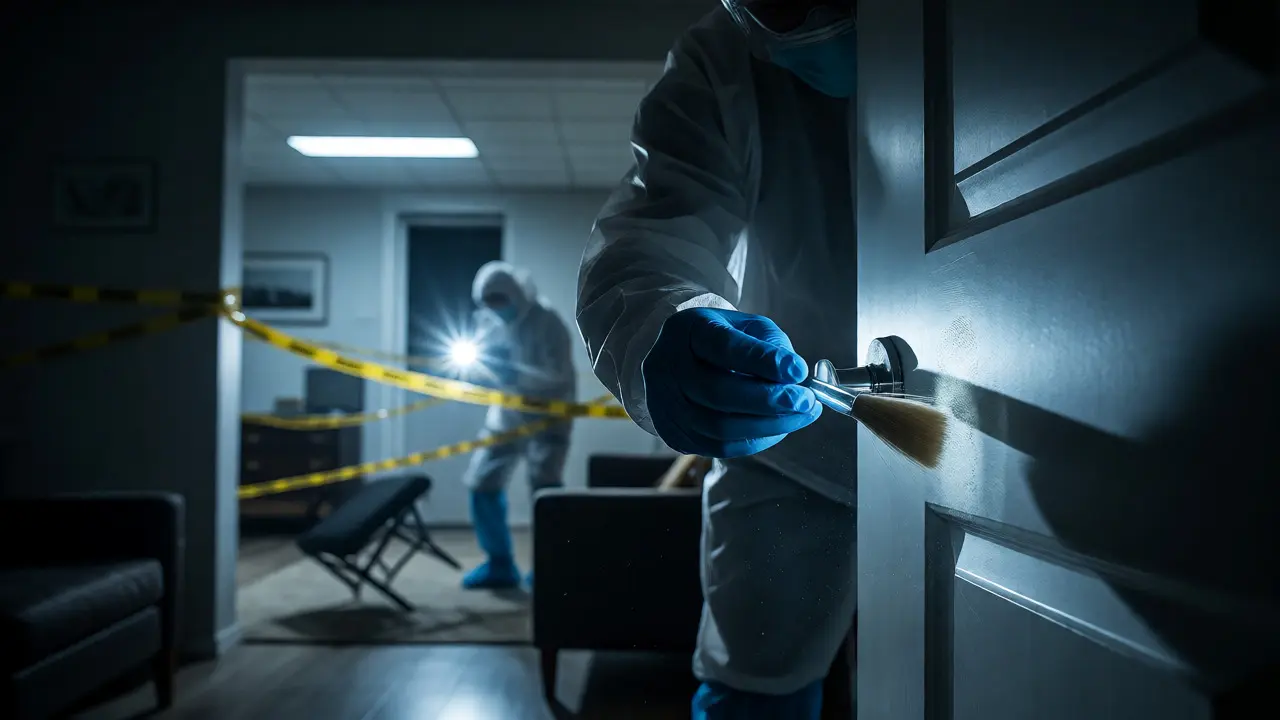
You’ve seen it in the movies: a yellow tape fluttering in the wind, rain lashing against a body, or fluorescent lights buzzing over a sterile apartment. But here’s the reality check-indoor and outdoor crime scenes are two completely different beasts. If you treat them the same way, you’re going to lose evidence, compromise integrity, and potentially let a suspect walk free.
Why does this matter? Because Crime Scene Investigation is not just about collecting stuff; it’s about preserving context. The environment dictates the rules. An indoor scene offers control but hides subtle clues. An outdoor scene screams with visible evidence but fights you with weather, wildlife, and time. Let’s break down exactly how these two worlds diverge and what you need to know to navigate them.
The Environmental Factor: Control vs. Chaos
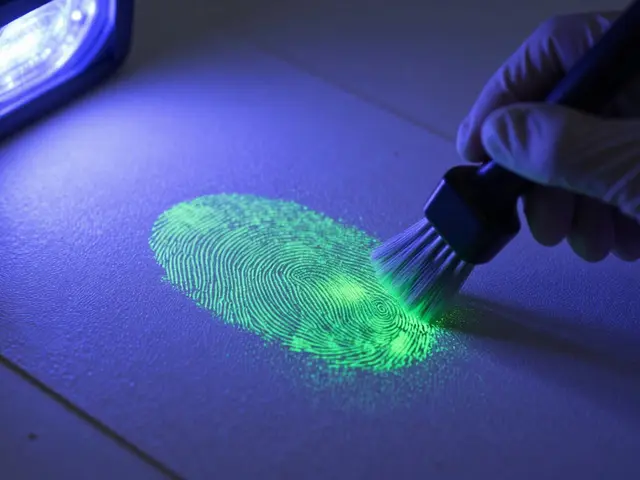
Think of an indoor scene like a sealed jar. You can lock the door, turn off the HVAC system, and limit who walks through the room. This is your biggest advantage. You have environmental control. In a home or office, factors like temperature, humidity, and light remain relatively stable for hours, sometimes days. This stability helps preserve biological evidence like blood spatter patterns or latent fingerprints on smooth surfaces.
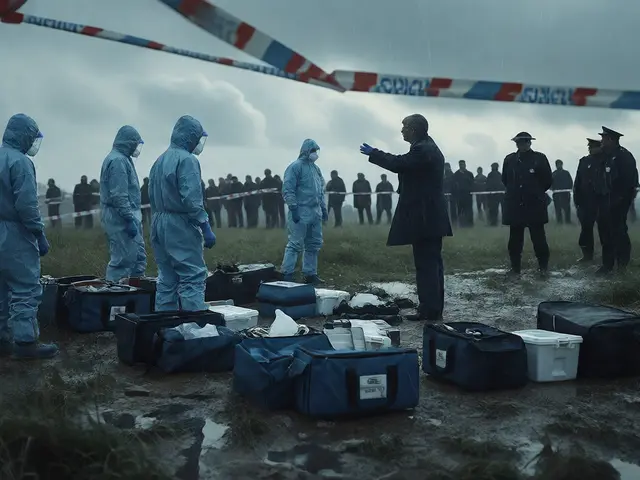
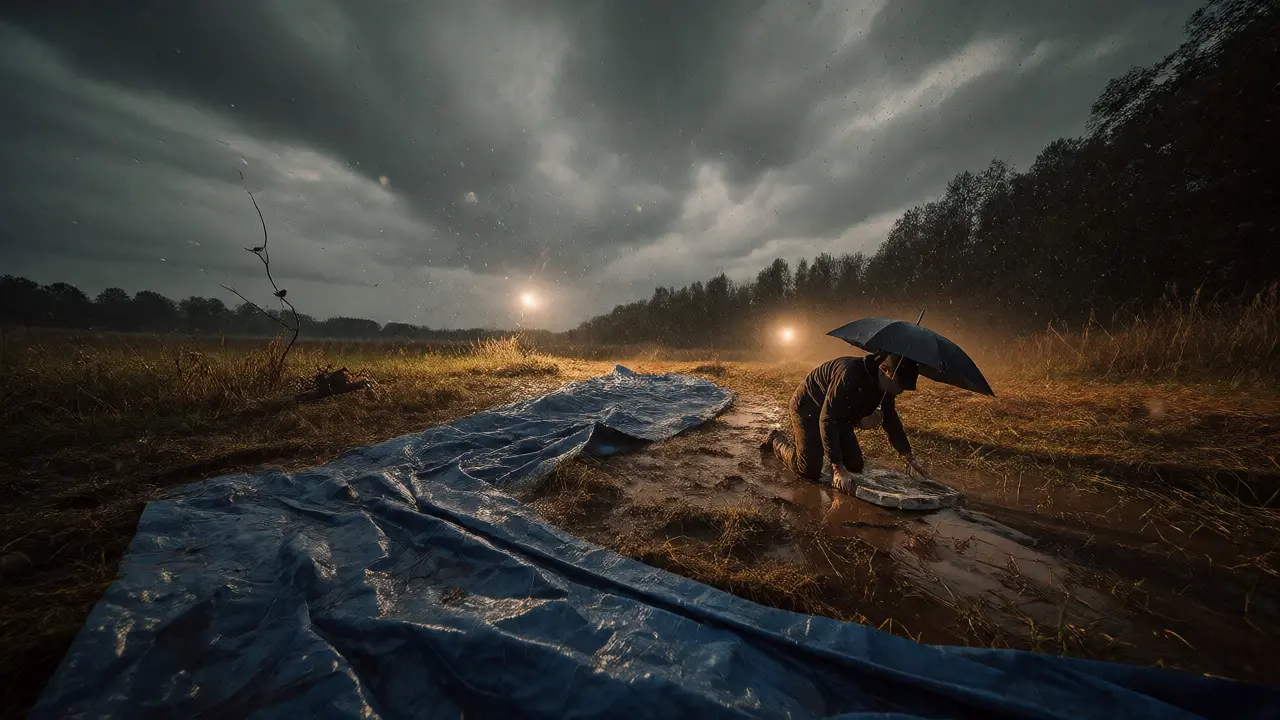
Now, step outside. Suddenly, the “sealed jar” is gone. The outdoor crime scene is at the mercy of nature. Rain washes away trace evidence. Wind scatters fibers. Sunlight degrades DNA. Even animals play a role-a stray dog might drag a piece of clothing twenty feet from its original position, destroying the spatial relationship that tells investigators how a struggle happened. When you work outdoors, you aren’t just fighting suspects; you’re fighting entropy.
This difference changes your timeline. Indoors, you might have 12-24 hours before evidence starts to degrade significantly. Outdoors, critical evidence can vanish in minutes if a storm rolls in. That’s why outdoor scenes demand immediate triage. You don’t get the luxury of a slow, methodical sweep while waiting for backup. You act fast, prioritize perishable evidence, and document everything before the elements erase it.
Evidence Collection Strategies: Precision vs. Perishability
Because the environments differ, so do the collection strategies. Indoors, you focus on precision. You’re looking for microscopic details: hair follicles on a carpet, partial shoe prints on hardwood, or touch DNA on a doorknob. Since the space is confined, you can use grid searches or spiral methods thoroughly. You have time to photograph every angle because nothing is moving.
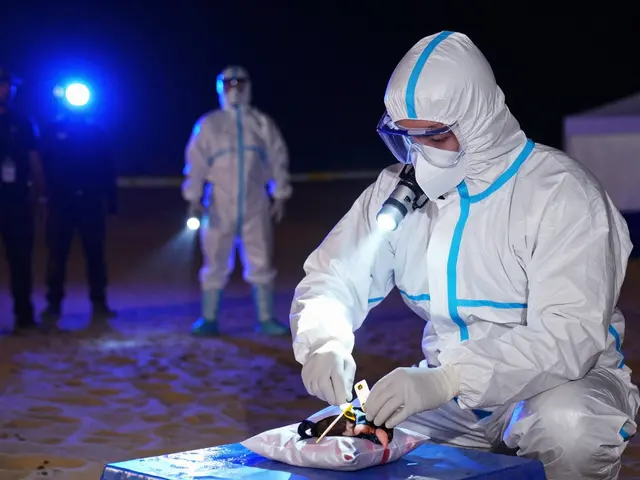
Outdoors, you prioritize perishability. What will disappear first? Usually, it’s trace evidence on the ground-footprints in mud, tire tracks in dirt, or loose fibers caught on brush. These need casting or lifting immediately. Biological evidence like blood droplets also degrades faster outdoors due to UV exposure and bacterial growth. So, while indoors you might spend an hour perfecting a fingerprint lift, outdoors you might spend ten minutes casting a footprint before the tide comes in or the rain starts.
| Factor | Indoor Scene | Outdoor Scene |
|---|---|---|
| Environmental Control | High (climate-controlled) | Low (weather-dependent) |
| Evidence Degradation | Slow | Rapid |
| Primary Threat | Contamination by personnel | Nature & Wildlife |
| Search Method | Grid/Spiral (Methodical) | Zone/Strip (Prioritized) |
| Documentation Focus | Detailed close-ups | Wide-angle context shots |
Documentation: Context is King
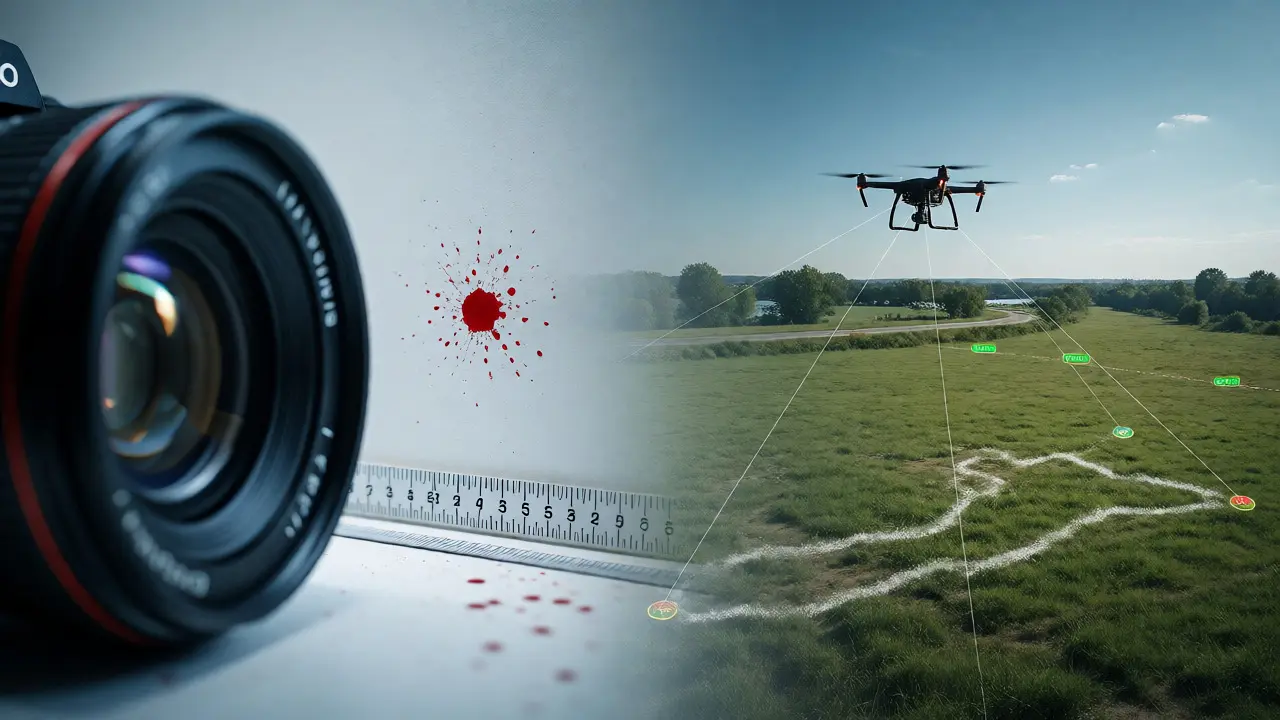
Photography looks similar in both settings, but the intent differs. Indoors, you’re documenting relationships within a closed box. Why is the chair overturned? Is there a glass on the table? The background matters less than the object itself. You use flash carefully to avoid glare on glossy surfaces. You measure distances from fixed points like walls or doorframes.
Outdoors, context is everything. A body lying in a field means nothing without knowing where it sits relative to a road, a tree line, or a river. You need wide-angle shots that capture landmarks. GPS coordinates become crucial. You might even use drones now to map large areas quickly. Remember, once you remove an object from an outdoor scene, you lose its connection to the landscape forever. So, photograph it in situ with scale markers and environmental cues visible.
Also, consider lighting. Indoors, you control the light. Outdoors, shadows change every minute. Midday sun creates harsh contrasts that hide details in crevices. Dawn or dusk offers softer light but shorter working windows. Plan your photo sessions around the sun’s position, not just convenience.
Chain of Custody and Contamination Risks
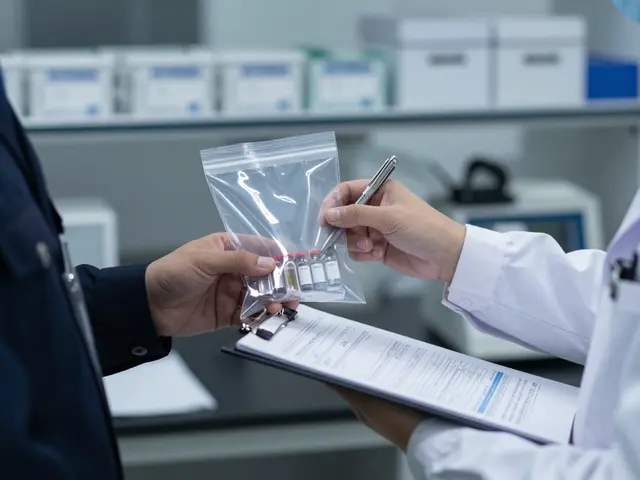
Every investigator knows the mantra: Chain of Custody is sacred. It’s the paper trail that proves evidence wasn’t tampered with. But maintaining this chain gets harder outdoors.
Indoors, you set up a single entry/exit point. Everyone signs in. You wear booties, gloves, and masks. Contamination risk is low if protocols are followed. Outdoors, the perimeter is huge. Police officers, paramedics, family members, and curious bystanders might have crossed the area before you arrived. You can’t seal off a whole forest easily. So, you must identify "high-traffic zones" and treat them as contaminated. Your own team risks tracking mud into clean areas or dropping equipment. Use clean mats and strict foot traffic paths to minimize this.
Another outdoor challenge: cross-contamination between scenes. If you move from a muddy field to a paved road, your boots carry soil samples that could confuse later analysis. Always clean gear between zones. Indoors, this is less of an issue unless multiple rooms are involved, but even then, it’s manageable.
Legal and Procedural Nuances
Here’s where things get tricky legally. Indoor scenes usually fall under private property rights. You need a warrant or consent to enter, unless exigent circumstances apply. Once inside, your search is limited to the premises. If you find something suspicious in a closet, you look in the closet.
Outdoor scenes often involve public land-parks, roads, beaches. Warrant requirements vary. If evidence is in plain view on public property, you might collect it without a warrant. But if you need to dig up soil or cut down a tree, you might need permission from the landowner or city authorities. Also, jurisdiction issues pop up. A crime might start in one county and end in another. Who owns the evidence? Coordination between agencies becomes vital. Missteps here can lead to evidence being thrown out in court.
Privacy expectations differ too. People expect privacy in their homes. They don’t always expect it in a park. This affects how much detail you can document publicly. Be mindful of bystanders filming. What you say on scene might end up on social media before you finish processing.
Practical Tips for Investigators
If you’re heading into an outdoor scene, pack differently. Bring tarps to cover evidence if rain threatens. Extra batteries die faster in cold outdoor temps. Wear layers. For indoor scenes, focus on air quality. Dust kicks up when you move furniture. Wear a respirator. Check ventilation systems if dealing with chemical spills.
One common mistake? Ignoring the "pathway." Indoors, people follow hallways. Outdoors, they take shortcuts through yards or alleys. Look for disturbed vegetation along these paths. It’s often where suspects dropped items or where victims fled.
Finally, communicate constantly. In an indoor scene, you can talk face-to-face. Outdoors, distance and noise make radios essential. Establish clear codes for "evidence found," "need support," or "stop processing." Clear communication prevents accidental contamination and ensures everyone stays safe.
How long does evidence last outdoors compared to indoors?
It varies wildly, but generally, outdoor evidence degrades much faster. Trace evidence like footprints can vanish in heavy rain within minutes. Biological evidence like blood may dry out or decompose due to heat and bacteria within hours. Indoors, stable temperatures can preserve evidence for days or weeks, giving investigators more time to process the scene thoroughly.
What is the biggest risk in outdoor crime scene investigations?
The biggest risk is loss of evidence due to environmental factors and lack of controlled access. Weather events like rain, wind, or snow can destroy physical evidence rapidly. Additionally, uncontrolled access by police, emergency responders, or civilians before the scene is secured leads to contamination and altered spatial relationships, which are critical for reconstructing the crime.
Do investigators use different tools for indoor vs. outdoor scenes?
Yes. Outdoor kits include larger tents for protection, GPS units for mapping, drone cameras for aerial views, and heavier-duty casting materials for uneven terrain. Indoor kits focus on fine-detail tools like alternate light sources for fluids, dusting powders for smooth surfaces, and precise measuring tapes. However, core tools like evidence bags, markers, and cameras are used in both.
Can weather conditions affect DNA evidence collection?
Absolutely. Rain can wash away DNA from surfaces or dilute biological samples. Extreme heat accelerates decomposition, breaking down DNA strands. Humidity promotes mold growth, which consumes organic material. Indoors, controlled climate preserves DNA integrity longer. Outdoors, rapid collection and proper packaging (like breathable paper bags) are essential to prevent degradation.
How does lighting impact evidence documentation?
Lighting is critical for photography. Indoors, you can adjust artificial lights to eliminate shadows and glare. Outdoors, natural light changes constantly. Harsh midday sun creates deep shadows that hide details, while twilight offers soft light but requires higher ISO settings, introducing noise. Investigators must plan photo sessions around optimal lighting conditions or use supplemental lighting to ensure clarity.