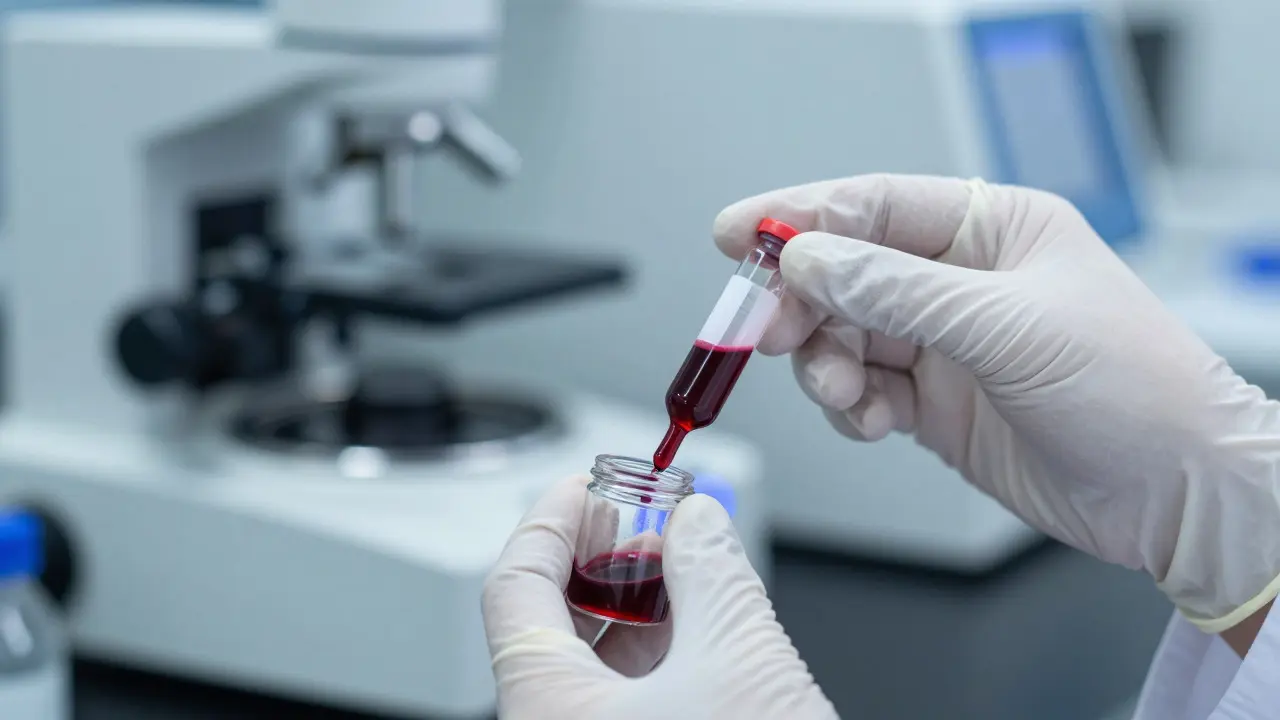
Death investigations often hinge on a single number: the concentration of a drug or toxin in the blood. But that number is rarely as simple as it looks. In postmortem toxicology is the analysis of chemical substances in deceased individuals to determine cause of death or impairment, the biggest challenge isn't just finding the substance-it's interpreting what its presence means after the body has started to break down. Unlike clinical toxicology, where you test a living patient with a known history, here you are reconstructing events from static evidence that changes over time. If you get this wrong, you might convict an innocent person or miss a fatal dose.
The Problem with Postmortem Redistribution
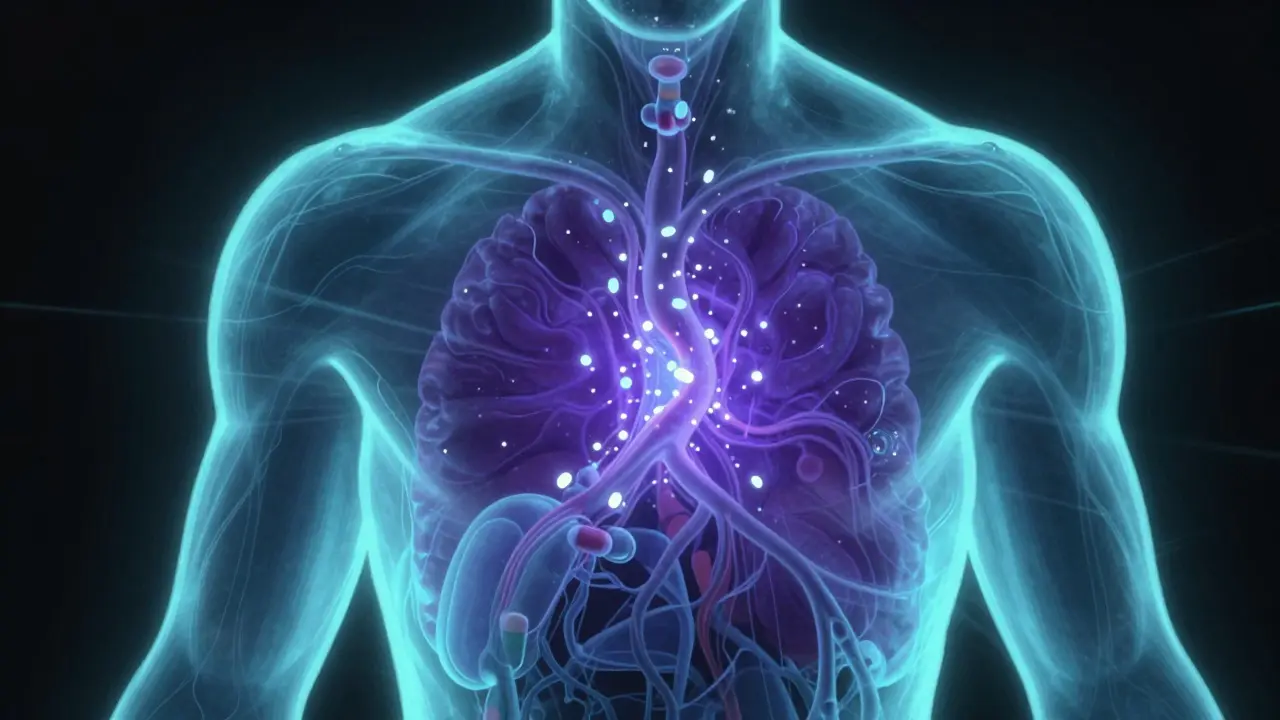
The most common trap for investigators and even experienced pathologists is postmortem redistribution (PMR) is the movement of drugs from tissues into central compartment fluids like blood after death. When a person dies, their cells stop pumping ions and maintaining gradients. Drugs that were concentrated in organs like the liver, kidneys, or brain can leak out into the surrounding blood vessels. This makes peripheral blood samples look artificially high compared to what was actually in the systemic circulation at the moment of death.
This phenomenon affects basic drugs (like opioids and antihistamines) much more than acidic ones. For example, morphine levels in femoral blood can be up to 10 times higher than in vitreous humor, while acidic drugs like valproic acid show less discrepancy. If you rely solely on a femoral blood sample without considering PMR, you risk misclassifying a therapeutic level as a lethal one. That’s why best practices now demand paired sampling: both central blood (heart or lung) and peripheral blood (femoral vein), plus alternative matrices like urine and vitreous humor.
Choosing the Right Specimens
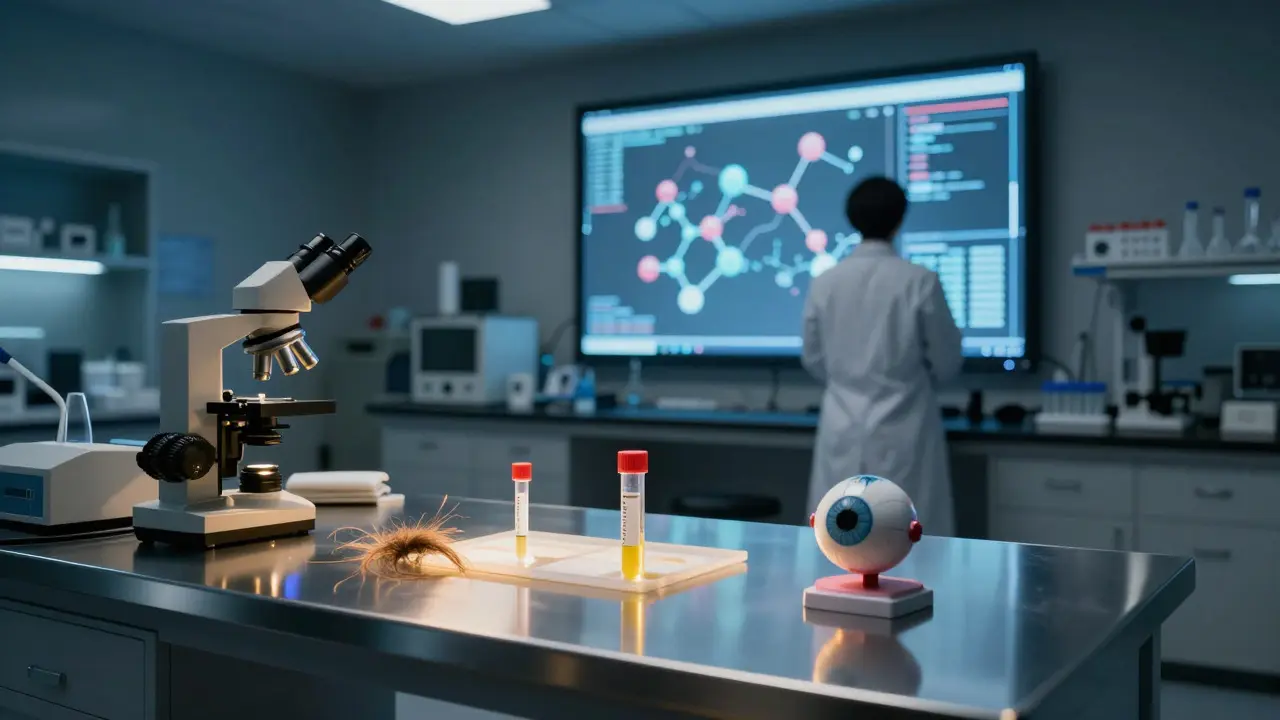
Not all fluids tell the same story. Each biological matrix has its own strengths and weaknesses when it comes to detecting recent exposure versus chronic use.
- Blood: The gold standard for acute toxicity, but highly susceptible to PMR. Central blood reflects the state at death; peripheral blood is better for ruling out very recent ingestion but prone to artifact.
- Urine: Great for detecting chronic use or long-term exposure. It doesn’t suffer from PMR, so if a drug is present in urine, it was definitely in the system before death. However, it tells you little about the exact time of death or acute intoxication.
- Vitreous Humor: The fluid inside the eye is remarkably stable postmortem. It’s excellent for measuring ethanol, electrolytes, and some drugs because it’s isolated from the body’s breakdown processes. Many labs now use vitreous ethanol levels to estimate blood alcohol concentration (BAC) when blood is unavailable.
- Hair: Provides a timeline of drug use over months. A 1cm segment of hair roughly represents one month of growth. It’s invaluable for distinguishing between a one-time overdose and a pattern of heavy use, though it doesn’t pinpoint the exact moment of death.
Metabolites vs. Parent Compounds
A critical distinction in forensic reports is whether you’re measuring the parent drug or its metabolites. Metabolites are the byproducts created when the body breaks down a substance. Their presence can confirm exposure even if the parent drug has already cleared from the blood.
Consider codeine. It’s quickly converted to morphine in the body. If you only test for codeine in blood, you might find nothing, leading to a false negative. But if you test for morphine, you’ll see the result. Conversely, some metabolites can be formed postmortem due to bacterial action. For instance, certain antibiotics can degrade into compounds that mimic other drugs if the body hasn’t been properly preserved. This is why laboratories must use specific analytical methods, such as liquid chromatography-tandem mass spectrometry (LC-MS/MS), which can distinguish between structurally similar molecules.
Legal Admissibility and Chain of Custody
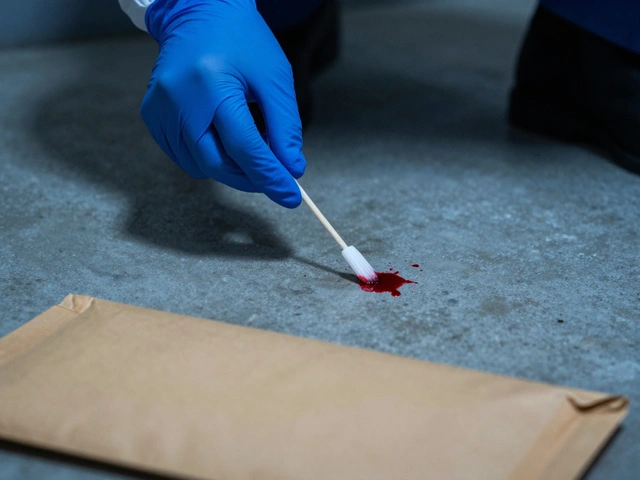
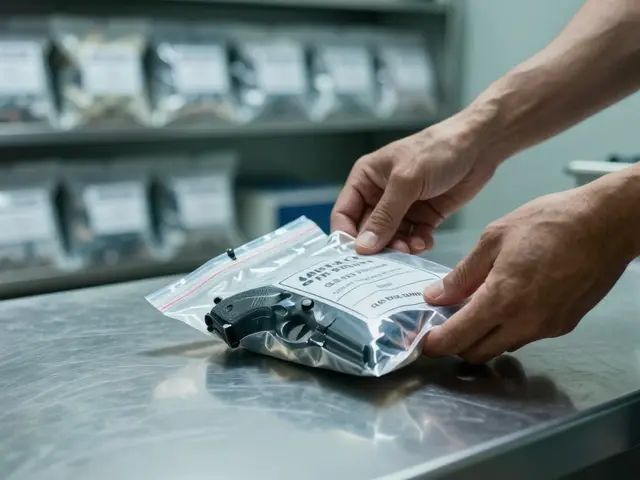
In court, the science is only half the battle. The other half is proving that the sample tested is the same sample collected at the scene. This is where chain of custody documentation becomes vital. Every transfer of the specimen-from the medical examiner to the lab technician-must be logged with dates, times, and signatures. A broken chain can lead to exclusion of evidence, regardless of how accurate the lab results are.
Courts also scrutinize the method used. If a lab uses an outdated screening test like immunoassay without confirming positive results via GC-MS or LC-MS/MS, defense attorneys may argue that cross-reactivity led to a false positive. For example, some older opioid screens react to codeine, heroin, and oxycodone indiscriminately. Modern practice requires confirmation testing to ensure specificity. Judges are increasingly aware of these nuances, so reports should clearly state the detection limits and validation status of the methods used.
Special Populations and Co-occurring Conditions
Toxicology doesn’t happen in a vacuum. The victim’s health status dramatically alters how drugs behave in the body. Obese individuals, for instance, have larger fat compartments, meaning lipophilic drugs like THC or benzodiazepines can redistribute slowly over days, sometimes appearing in blood hours after death even if they weren’t involved in the immediate cause.
Elderly patients often have reduced liver and kidney function, leading to higher accumulation of drugs at lower doses. A “normal” dose of a sedative in a healthy 30-year-old could be fatal in an 80-year-old with hepatic insufficiency. Similarly, children metabolize drugs differently than adults. Neonates, for example, have immature enzyme systems, making them more sensitive to opioids. Interpreting toxicology results without considering age, weight, and comorbidities is a recipe for error.
Interpreting Results in Context
Finally, no number exists in isolation. A blood alcohol level of 0.15% BAC is significant, but is it the cause of death, or just a contributing factor? If the decedent had severe liver cirrhosis, their tolerance might be lower, making 0.15% more dangerous. If they were an alcoholic, they might tolerate 0.30% without issue. Toxicologists must work closely with pathologists and investigators to correlate chemical findings with autopsy observations, scene data, and witness statements.
The goal isn’t just to list chemicals; it’s to build a coherent narrative that withstands legal scrutiny. This requires transparency about limitations, clear communication of uncertainty, and a willingness to say “inconclusive” when the data is ambiguous.
| Matrix | Susceptibility to PMR | Best For | Limits |
|---|---|---|---|
| Central Blood | Low | Acute toxicity at time of death | May reflect redistribution if death was prolonged |
| Peripheral Blood | High | Ruling out recent ingestion | Artificially elevated levels for basic drugs |
| Urine | None | Chronic use, long-term exposure | No timing information for acute events |
| Vitreous Humor | Very Low | Alcohol, electrolytes, stable drugs | Small sample volume, limited drug coverage |
| Hair | N/A | Timeline of use over months | External contamination, variable growth rates |
Frequently Asked Questions
What is postmortem redistribution?
Postmortem redistribution is the passive movement of drugs from tissues into the bloodstream after death. It causes peripheral blood concentrations to appear higher than they were at the time of death, potentially leading to misinterpretation of cause of death.
Which blood sample is best for determining cause of death?
Central blood (from the heart or lungs) is generally preferred for assessing acute toxicity at the time of death because it is less affected by postmortem redistribution. Peripheral blood is useful for confirming recent ingestion but should be interpreted cautiously.
Can drugs be detected in hair after death?
Yes, hair provides a historical record of drug exposure over several months. It is not affected by postmortem redistribution and is valuable for establishing patterns of use, though it does not indicate the exact time of death.
How does obesity affect postmortem toxicology results?
Obesity increases the volume of distribution for lipophilic drugs, causing them to sequester in fat tissue. These drugs can leach back into the blood slowly after death, leading to delayed appearance of substances in blood samples that may not have been relevant at the moment of death.
Why is chain of custody important in forensic toxicology?
Chain of custody documents every transfer of a specimen to prove that the sample tested is the original one collected. Breaks in this documentation can lead to exclusion of evidence in court, regardless of the scientific accuracy of the results.