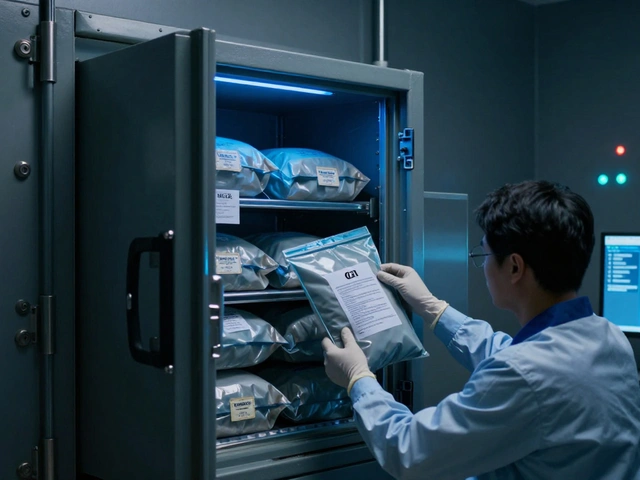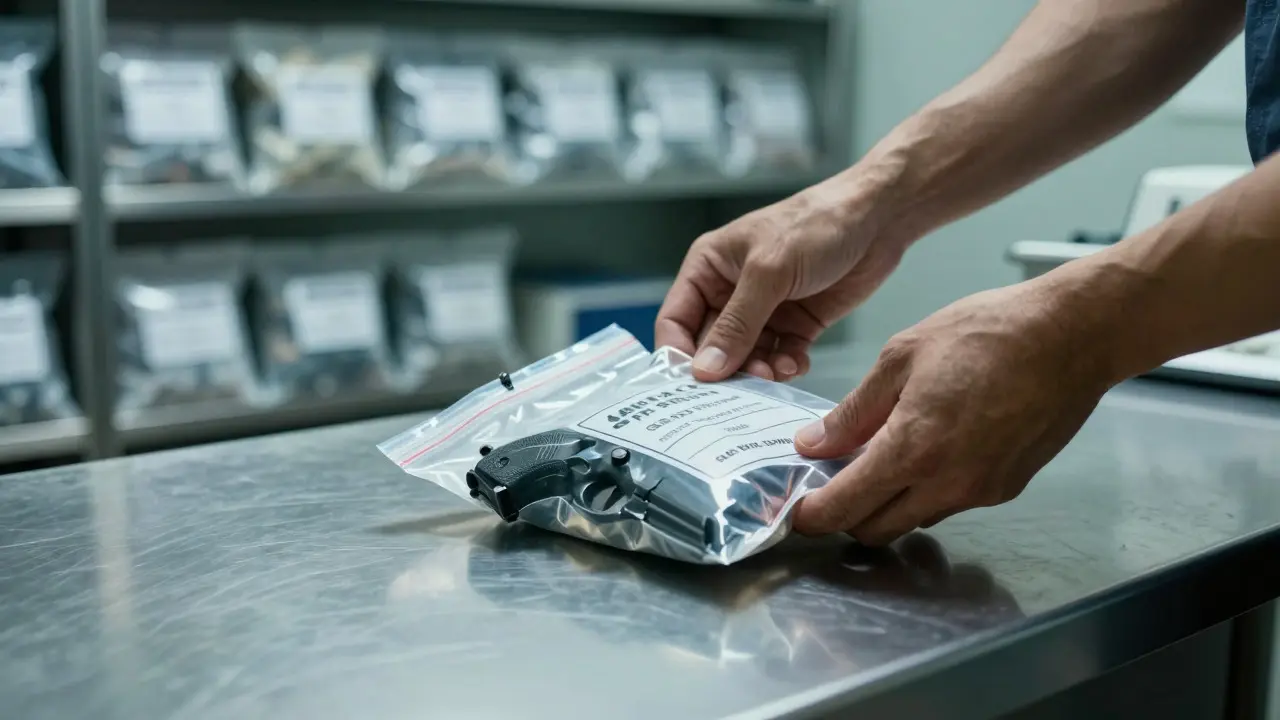
Imagine this: a detective needs a specific weapon from the evidence room for a suspect's identification parade. The clock is ticking. If you just hand it over with a handshake and a nod, you've set up your case to be thrown out in court. Temporary custody is the controlled, short-term transfer of physical evidence where the item leaves the secure storage but must return within a strict timeframe. It’s not a loan; it’s a monitored excursion. Get the protocol wrong, and the integrity of that piece of evidence-and potentially the entire trial-hangs by a thread.
The core problem isn't just about moving an object from Point A to Point B. It’s about proving that nothing changed while it was away. In legal terms, we call this maintaining the Chain of Custody is the chronological documentation or paper trail that records the sequence of custody, control, transfer, analysis, and disposition of physical evidence. When evidence is signed out temporarily, this chain doesn't break; it extends. Every signature, every timestamp, and every location change becomes part of the legal narrative. If a defense attorney finds a gap of ten minutes unaccounted for, they don't need to prove the evidence was tampered with. They just need to suggest it *could* have been. That doubt is enough to suppress the evidence under rules like the Federal Rules of Evidence or state equivalents.
Why Temporary Custody Is Different from Permanent Transfer
Many officers confuse temporary sign-outs with permanent transfers between agencies. A permanent transfer involves a complete change of responsibility. The receiving agency takes full ownership of the item's security and condition. Temporary custody, however, is a loop. The original custodian retains ultimate accountability. Think of it like borrowing a library book versus selling it. You still own the book, but you are responsible for its safe return. In forensics, this distinction dictates who signs the log, how long the item can be out, and what happens if it goes missing.
The risk profile changes significantly during a temporary hold. Items are often handled more frequently during these periods-for example, when a forensic accountant reviews documents or a ballistics expert compares shell casings. More hands mean more opportunities for error. Therefore, the protocols for temporary custody are often stricter than those for long-term storage because the window for detection of tampering is shorter. You have less time to notice if a seal is broken or a weight has changed before the item returns to the vault.
The Anatomy of a Valid Sign-Out Log
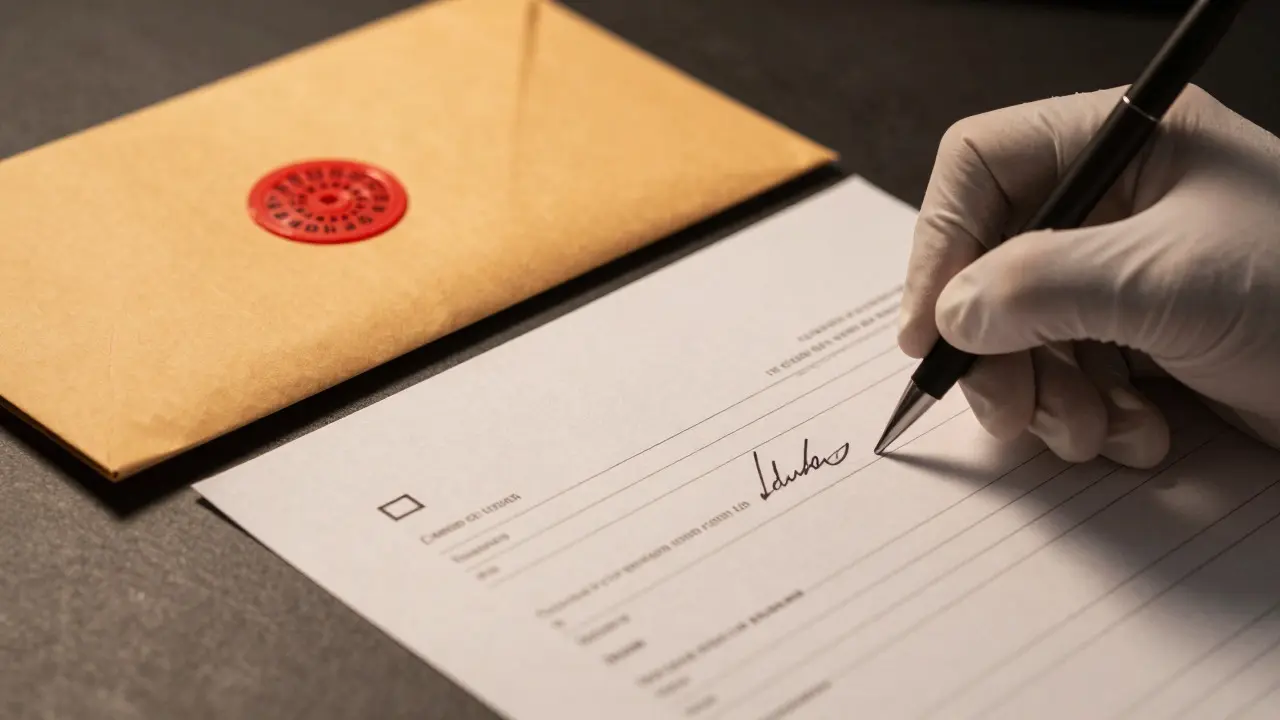
A robust sign-out protocol relies on a standardized form. This isn't just bureaucratic red tape; it’s the primary legal instrument that proves continuity. A valid log entry must capture five specific data points without exception:
- Unique Identifier: The exact case number and evidence tag ID. Never rely on descriptions alone. "Blue jacket" is vague; "Case #4592-EV-03, Blue Denim Jacket, Tagged Left Cuff" is precise.
- Recipient Identity: Full name, badge number, and role of the person taking the item. If it’s a civilian expert, include their firm and contract number.
- Purpose of Removal: A concise reason code. "Lab Analysis," "Court Display," or "Suspect Identification." Vague reasons invite scrutiny.
- Timestamps: Exact date and time of release and the expected return time. Digital logs should auto-populate these, but manual entries require dual verification.
- Condition Check: A brief note on the item's state at release (e.g., "Seal intact, zip functional"). This creates a baseline for comparison upon return.
If any of these fields are blank, the chain of custody is technically compromised. Courts view incomplete logs as indicators of poor management. In a high-profile murder case, a missing return timestamp once led to a mistrial because the defense argued the evidence could have been swapped during the undocumented interval.
Best Practices for Handling Physical Items
Documentation is only half the battle. How you physically handle the evidence during the temporary period matters just as much. Here are the operational standards that keep your case defensible:
- Double-Sealing Principle: For fragile or biological items, use tamper-evident bags with unique serial numbers. When signing out, photograph the bag with the receipt visible in the frame. This visual link between the physical item and the paper trail is powerful in court.
- Minimize Handling Time: The longer an item is out, the higher the risk. Set internal deadlines that are tighter than the legal maximum. If the law allows 7 days, aim for 3. This buffer accounts for unexpected delays in lab processing or court scheduling.
- Environmental Controls: If the item is sensitive to heat, light, or humidity (like DNA samples or digital media), ensure the recipient has the proper storage conditions. A USB drive left in a hot car for two hours might corrupt data, rendering the evidence useless even if the chain of custody is perfect.
- Digital Media Specialization: For hard drives and phones, use write-blockers immediately upon receipt. The moment a device is plugged into a standard computer without a write-blocker, the metadata changes. This alters the evidence. Temporary custody of digital items requires specialized hardware that prevents accidental modification.
Common Pitfalls That Break the Chain
Even experienced investigators make mistakes that undermine their cases. These are the most frequent errors we see in post-trial reviews:
| Error Type | Description | Legal Risk |
|---|---|---|
| Verbal Handoffs | Passing evidence without a written log entry. | High. Presumption of tampering if challenged. |
| Delayed Logging | Signing the log hours after the actual transfer. | Medium. Suggests carelessness; easy to attack credibility. |
| Mismatched Tags | Item returned with a different tag number than issued. | Critical. Immediate stop-work order; potential contamination. |
| Unclear Purpose | Logging "Miscellaneous" instead of specific use. | Low-Medium. Weakens justification for removal. |
The "Mismatched Tags" error is particularly dangerous. It suggests that the item may have been swapped for another entirely. Even if it wasn't, the appearance of impropriety is damaging. Always verify the tag number against the original inventory sheet before accepting the return. If there’s a discrepancy, do not close the file. Quarantine the item and notify the supervising officer immediately.
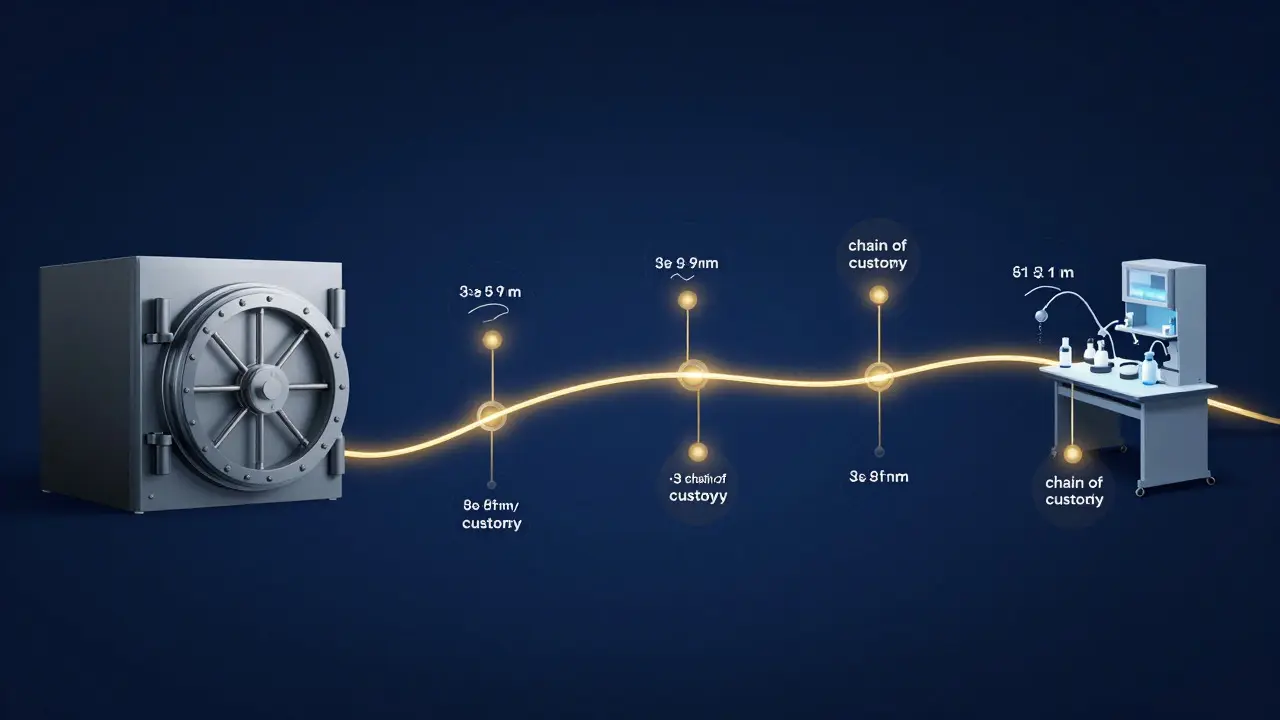
Return Procedures: Closing the Loop
Signing out is only half the job. The return process is where many chains quietly break. The returning officer must perform a reverse inspection. Compare the item’s condition to the notes made at sign-out. Are the seals intact? Does the weight match? For digital items, check the hash value if one was recorded initially. An MD5 or SHA-256 hash ensures the data hasn’t changed bit-for-bit.
Once verified, both parties-the releasing officer and the returning officer-must sign the return section of the log. This dual signature confirms that the item is back in the same state as when it left. Afterward, the item should be scanned back into the digital inventory system within 24 hours. Leaving it in a desk drawer overnight increases the risk of loss or unauthorized access. The goal is zero dwell time outside the secure environment.
FAQ
How long can evidence be in temporary custody?
There is no universal statutory limit, but best practice suggests keeping it under 7 days for non-perishable items. Perishable biological evidence should ideally be processed and returned within 48 hours. Always check your local department policy, which may impose stricter limits, such as 24 hours for firearms.
Who is liable if evidence is lost during temporary custody?
Liability typically falls on the recipient until the item is formally logged back into the central inventory. However, the original custodian remains accountable for ensuring the recipient was qualified and authorized. Both parties share responsibility for the integrity of the chain, but the person holding the item bears the immediate burden of proof regarding its whereabouts.
Do I need a witness for temporary evidence sign-outs?
It is highly recommended but not always legally required for low-value items. For high-profile cases, narcotics, or large sums of cash, a second witness or video recording is mandatory in most jurisdictions. A witness provides independent corroboration that the handoff occurred exactly as logged.
What if the evidence arrives damaged after temporary custody?
Do not attempt to repair it. Document the damage immediately with photos and a written incident report. Note the specific nature of the damage and compare it to the sign-out condition notes. If the damage existed prior to sign-out, the log will show it. If it’s new, the recipient is presumed responsible unless they can prove otherwise. The item remains admissible if the damage doesn’t affect the relevant evidentiary value, but the explanation must be clear.
Can digital evidence be kept in temporary custody on a personal laptop?
Generally, no. Personal laptops lack write-protection and audit trails. Digital evidence should remain on a forensic workstation or in a read-only state using a hardware write-blocker. If a personal device is used due to emergency circumstances, it must be isolated from the network, and all actions must be documented in real-time to prevent metadata alteration.