Imagine finishing a complex data recovery case at your desk in Portland, closing your laptop, and hopping on a train to meet a client for lunch without needing a badge or a lab coat. This isn't a fantasy anymore; it's the new reality for many professionals in Digital Forensics is the science of identifying, preserving, analyzing, and presenting digital evidence in a legally admissible format. As cloud infrastructure matures and secure collaboration tools become standard, the rigid "four walls" model of traditional forensics labs is dissolving. For those eyeing a career in this field, understanding the shift toward Remote Work is a work arrangement where employees perform their duties from locations outside the central office, often from home and Hybrid Work is a flexible work model that allows employees to split time between working remotely and working in a physical office is no longer optional-it’s essential.
The Current Landscape of Forensic Employment
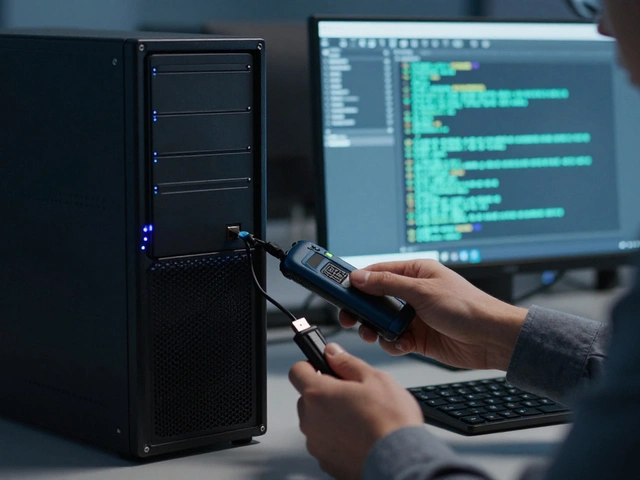
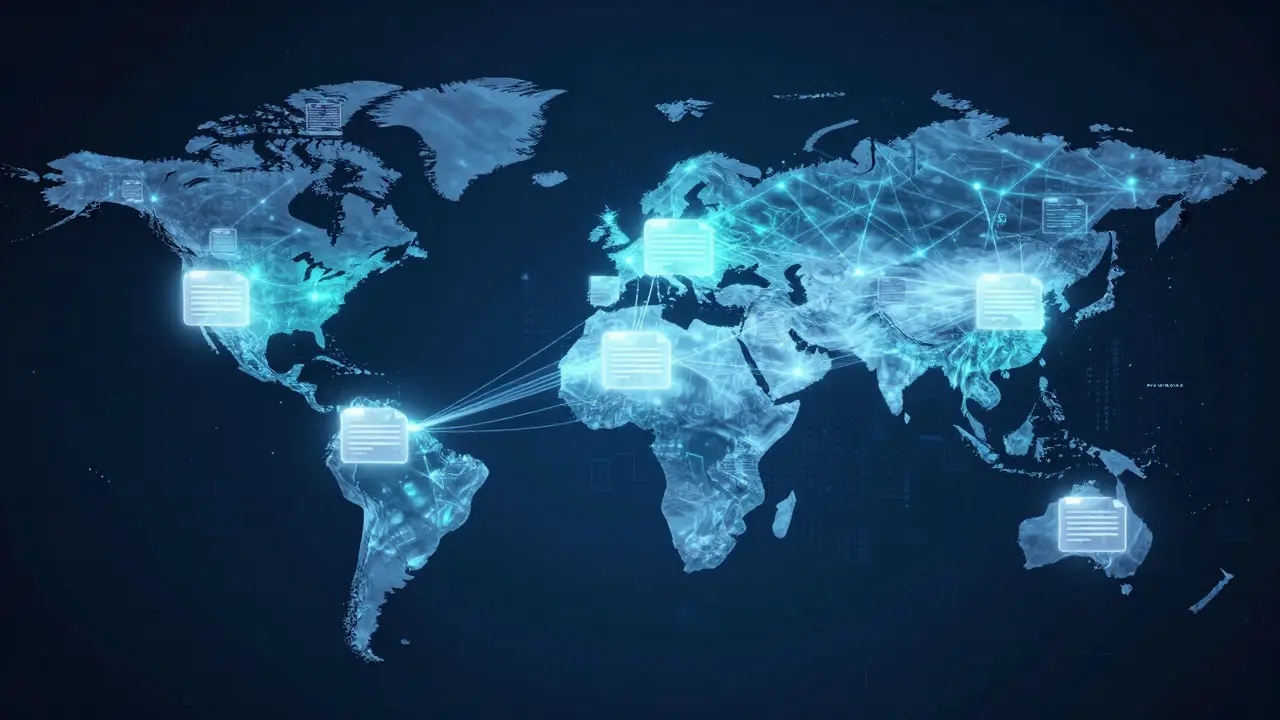
Five years ago, if you wanted to be a digital forensic examiner, you likely needed to move to a major city with high-tech law firms or government agencies. Today, the map has changed. According to recent labor market trends, nearly 40% of mid-level forensic roles now offer fully remote options, while another 35% operate on a hybrid schedule. This shift is driven by two main factors: the digitization of evidence itself and the rise of specialized software that allows analysis to happen anywhere. The core of this change lies in how we handle data. In the past, physical media like hard drives had to be physically transported to a lab. Now, Cloud Storage is online storage services that allow users to store and access data over the internet platforms provide secure, encrypted repositories where terabytes of data can be uploaded once and accessed globally. This means an examiner in Oregon can analyze a drive imaged in Texas without ever touching the physical device again. The barrier to entry for geographic location has dropped significantly, opening doors for talent in rural areas or those seeking better quality-of-life cities.
Which Roles Can Actually Be Done Remotely?
Not every task in digital forensics translates well to a home office. It’s important to distinguish between roles that require physical chain-of-custody management and those focused purely on data analysis. Here is a breakdown of what works and what doesn’t:
- Data Analysts & Investigators: These roles are ideal for full remote work. They involve reviewing logs, metadata, and file systems using software like EnCase or FTK. Since the input is digital, the output is digital, making location irrelevant.
- Mobile Device Examiners: Often hybrid. While the initial extraction might happen in a lab, the subsequent analysis of thousands of photos, messages, and app data is frequently done remotely to manage workload spikes.
- Malware Analysts: Highly suitable for remote work. Analyzing code behavior in sandboxed environments requires only a powerful computer and secure network, not a physical lab bench.
- Field Collectors: Rarely remote. If your job is to go to a crime scene or a corporate server room to image a machine, you need to be there. However, post-collection processing can often be shifted to remote tasks.
The Technology Stack Enabling Remote Forensics
You can’t do remote forensics without the right tech. The ecosystem has evolved to support distributed teams securely. Three pillars hold this up:
- Secure File Transfer Protocols: Tools like SFTP and dedicated forensic transfer apps ensure that large evidence files move without corruption or interception. Bandwidth is the biggest bottleneck here; examiners often need gigabit internet connections to upload multi-terabyte images efficiently.
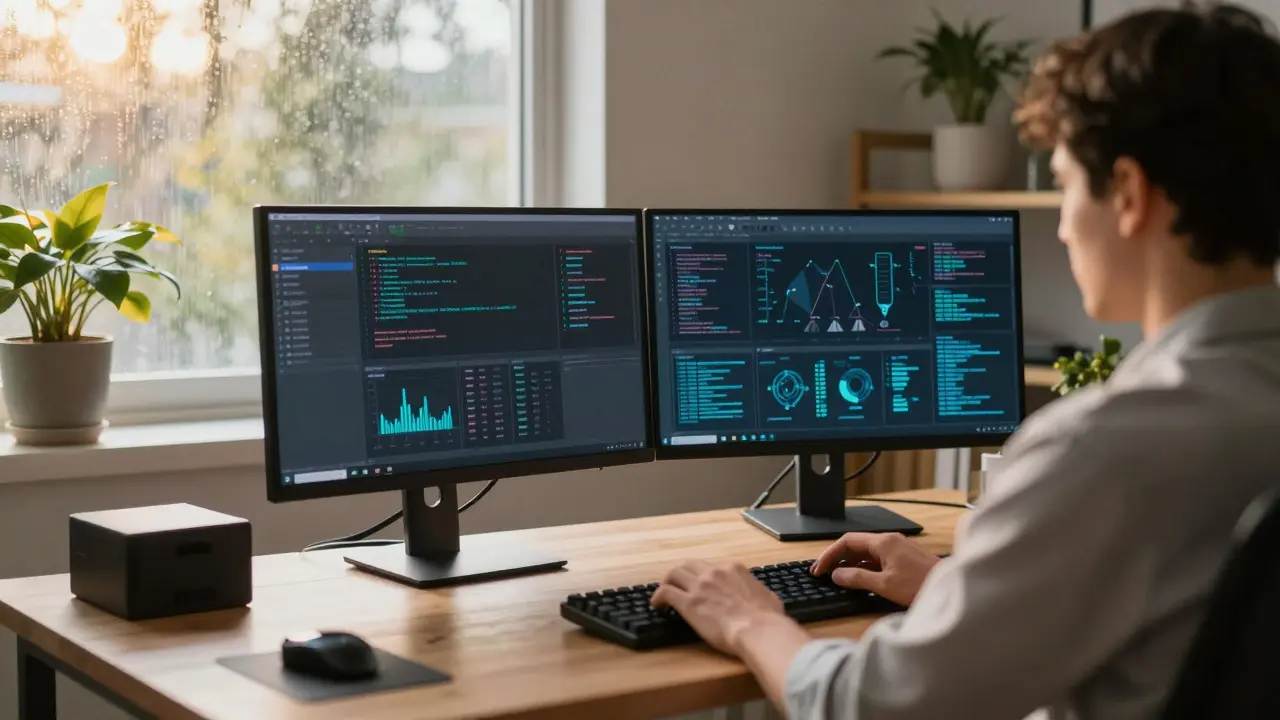
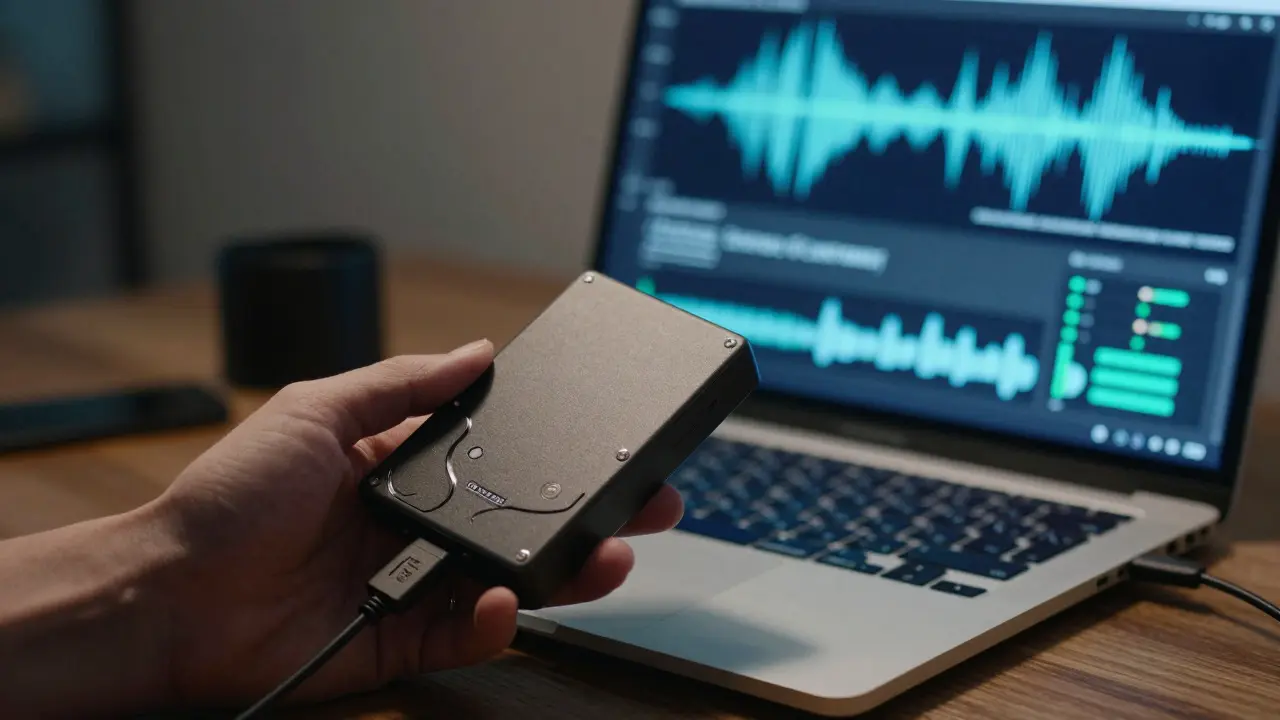
- Virtual Lab Environments: Instead of buying expensive hardware for every employee, companies use virtual machines (VMs) hosted on secure servers. An examiner can spin up a Windows XP environment to test malware without risking their host OS. This reduces the hardware footprint required at home.
- Collaboration Platforms with Audit Trails: Standard chat apps aren’t enough. Forensic teams use platforms that log every action-who opened a file, who exported a report, when. This maintains the integrity of the workflow even when the team is scattered across time zones.
Navigating Chain of Custody in a Distributed Model
The biggest fear people have about remote forensics is legal admissibility. Will a judge accept evidence analyzed from a kitchen table? The answer is yes, provided the process is documented rigorously. The concept of Chain of Custody is the chronological documentation or paper trail that records the seizure, control, transfer, analysis, and disposition of physical or electronic evidence remains the gold standard.
In a remote setting, the chain shifts from physical signatures to digital hashes. Every time a file is moved, copied, or analyzed, its cryptographic hash (like MD5 or SHA-256) is recorded. If the hash changes, the data was altered. This automated verification is actually more reliable than human memory. To maintain credibility, remote examiners must:
Lawyers and judges care less about *where* you worked and more about *how* you preserved the integrity of the data. If your documentation is airtight, your location is a non-issue.
Compensation and Benefits: The Remote Premium
One of the most attractive aspects of remote forensic roles is the economic advantage. Because companies can hire from anywhere, they often adjust salaries to reflect the cost of living in the candidate’s area, or they keep national rates to attract top talent. In high-cost cities like San Francisco or New York, remote roles allow professionals to live in lower-cost areas like Portland or Denver while earning comparable salaries. Additionally, benefits packages have adapted. Instead of commuting stipends, you might see home office allowances covering ergonomic chairs, dual monitors, and backup internet solutions. Some firms even provide annual hardware refreshes specifically tuned for forensic workloads-think high-RAM laptops and fast SSDs. However, don’t assume everything is free. You may still be responsible for basic utilities and internet costs. Always clarify these details during the hiring process. A $100/month stipend sounds nice until you realize your business-class internet plan costs $150.
Challenges and Pitfalls to Avoid
Remote work isn’t all sunshine. There are specific challenges in forensics that require proactive management:
- Time Zone Coordination: If you’re working with a legal team in London and a client in Sydney, your sleep schedule might suffer. Set clear boundaries and use asynchronous communication whenever possible.
- Isolation: Forensic cases can be intense and stressful. Without the casual water-cooler chats, burnout can creep in faster. Join professional communities or find local meetups to stay connected.
- Security Risks: Your home is now a lab. Keep personal devices separate from work devices. Use full-disk encryption on any laptop containing case data. One lost phone can compromise an entire case.
How to Land a Remote Forensic Role
If you want to jump into this space, here’s a practical roadmap:
- Build a Home Lab: Start small. Buy used hard drives and practice extracting data. Document your process. This shows potential employers you understand the technical side.
- Get Certified: Certifications like GCFE (Global Computer Forensic Examiner) or EnCE (EnCase Certified Examiner) carry weight. Many remote employers filter candidates based on these credentials because they verify competence without an in-person interview.
- Highlight Remote Experience: Even if it wasn’t official, did you work from home during a project? Did you collaborate with a remote team? Put it on your resume. Frame it as "distributed team collaboration."
- Network Virtually: Attend webinars and online conferences. Connect with practitioners on LinkedIn. Remote roles are often filled through referrals before they hit public job boards.
Do I need a special home office for remote digital forensics?
You don’t need a fancy lab, but you do need a quiet, distraction-free space with reliable electricity and internet. A dedicated desk and chair are recommended for long hours of analysis. Ensure your Wi-Fi is stable, or consider a wired Ethernet connection for large file transfers.
Is remote digital forensics legally acceptable in court?
Yes, as long as the chain of custody is maintained through digital hashes and proper documentation. Courts focus on the integrity of the evidence, not the physical location where the analysis occurred. Automated logging tools help prove that data hasn’t been tampered with.
What kind of internet speed do I need for remote forensics?
A minimum of 100 Mbps download and 50 Mbps upload is recommended. Upload speed is critical because you’ll often need to send large evidence files to cloud servers or colleagues. Gigabit connections are ideal for handling multi-terabyte datasets.
Are entry-level positions available for remote digital forensics?
Entry-level remote roles are rarer than mid-level ones. Companies often prefer to train juniors in-house to ensure best practices are followed. However, internships and junior analyst roles with hybrid schedules are becoming more common. Look for firms that explicitly state "remote-friendly" for junior staff.
How does hybrid work differ from fully remote in forensics?
Hybrid roles typically require you to come to the office one or two days a week for meetings, hardware maintenance, or collaborative problem-solving. Fully remote roles mean you never visit the office. Hybrid offers a balance of social interaction and flexibility, while fully remote offers maximum location independence.