Imagine a crash scene at 2 AM. The air smells like spilled beer, but the driver claims they only had one drink three hours ago. Who is right? In forensic toxicology is the scientific discipline that analyzes bodily fluids to determine the presence of drugs or alcohol in the human body. When it comes to ethanol, the specific type of alcohol found in beverages, we have three main tools: breath, blood, and urine tests. Each has its own strengths, weaknesses, and legal implications. Understanding how these methods work helps you see why a traffic stop might end with a breath test while a serious accident leads to a blood draw.
Quick Summary / Key Takeaways
- Breath testing is the most common roadside method because it is fast, non-invasive, and uses portable devices called breathalyzers.
- Blood testing remains the gold standard for accuracy in court, as it measures the exact amount of alcohol in the bloodstream.
- Urine testing is rarely used for immediate intoxication checks but can detect alcohol consumption over a longer window using metabolites like EtG.
- The conversion factor between breath and blood alcohol is typically 1:2100, meaning 2100 parts of breath contain the same amount of alcohol as 1 part of blood.
- Timing matters: blood alcohol concentration (BAC) rises after drinking and falls as the liver processes the alcohol, affecting test results.
How Breath Testing Works
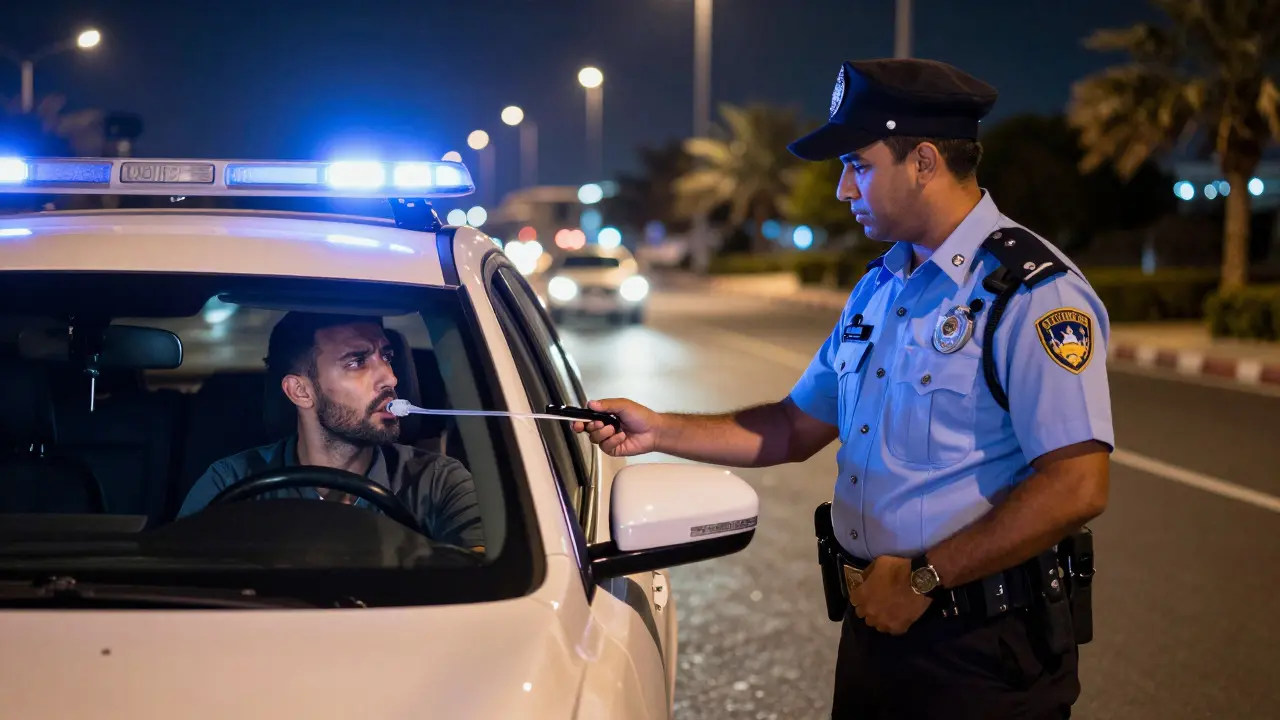
You have probably seen a police officer hand you a small plastic tube. That device is a breathalyzer, technically known as an evidentiary breath alcohol tester. It does not just smell your breath; it measures the chemical composition of the deep lung air you exhale. The underlying principle is Henry’s Law, which states that gases dissolved in a liquid will move into the gas phase above the liquid until equilibrium is reached. In simple terms, the alcohol in your blood moves into the air sacs in your lungs, and when you breathe out, that air carries a predictable ratio of alcohol vapor.
Most modern breathalyzers use infrared spectroscopy. Here’s how that works: the machine draws a sample of your breath into a chamber. A beam of infrared light passes through the sample. Ethanol molecules absorb light at a specific wavelength. If the light coming out of the chamber is dimmer at that wavelength than the light going in, the machine calculates how much alcohol was present. This process happens in seconds. Because the relationship between breath alcohol and blood alcohol is consistent (roughly 1:2100), the device converts the breath reading into an estimated Blood Alcohol Concentration (BAC).
However, "deep lung air" is key. If you burp, vomit, or have residual alcohol in your mouth from a recent drink, the reading can be falsely high. This is why officers often require a 15-minute observation period before testing. They want to ensure no external sources of alcohol are interfering with the sample. For this reason, breath tests are best used shortly after driving, within the first hour or two, when the alcohol is still distributed in the central compartment of the body rather than having moved entirely into tissues.
The Gold Standard: Blood Testing
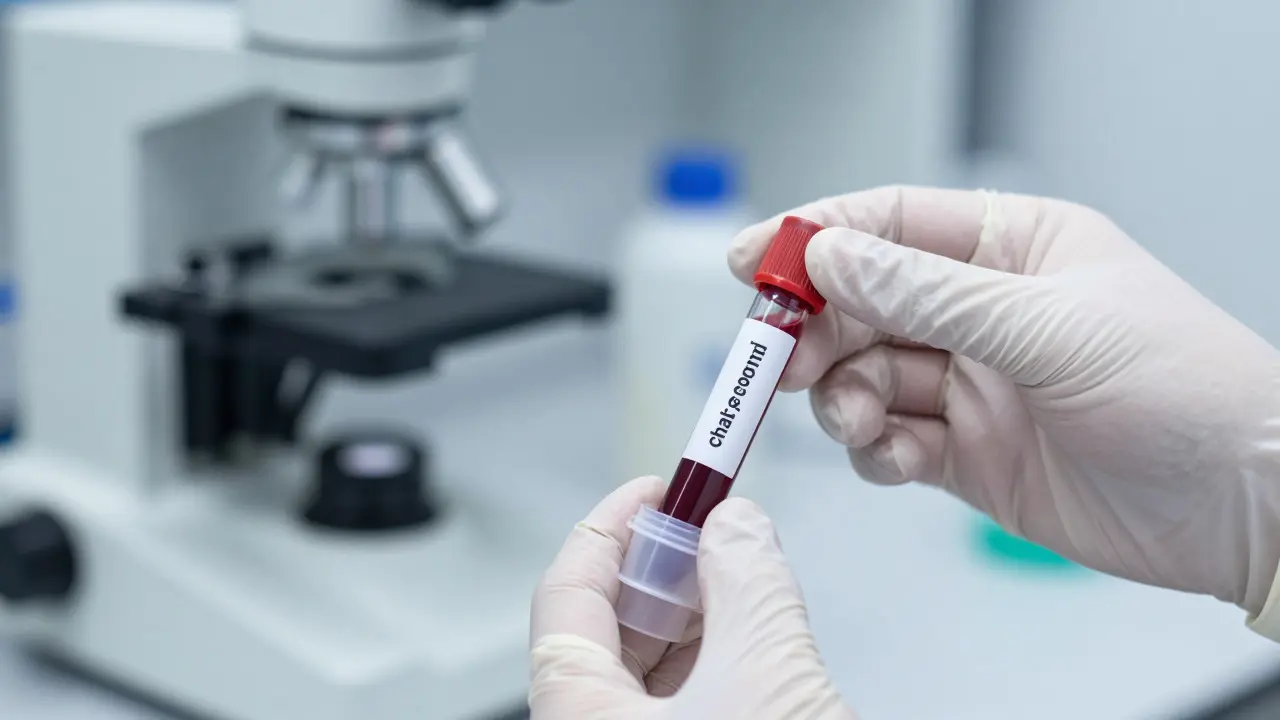
If there is any doubt about a breath test, or if a serious injury occurs, medical professionals usually draw a blood sample. Blood testing is considered the most accurate method because it measures the actual substance in the system where it acts on the brain. There is no conversion factor needed; what you measure in the vial is what was in the person’s body at that moment.
There are two main ways to analyze blood samples in a lab. The first is Gas Chromatography (GC). This technique separates the components of a complex mixture. The blood sample is prepared, and then injected into a column where different compounds travel at different speeds based on their chemical properties. Ethanol elutes (comes out) at a specific time, and a detector measures its quantity. GC is highly specific and is the standard for many state crime labs. The second method is Headspace Solid-Phase Microextraction (HS-SPME), which is faster and requires less sample preparation, making it popular in busy hospital settings.
One critical aspect of blood testing is chain of custody. Since the sample goes from the nurse who drew it, to the transport courier, to the lab technician, every handoff must be documented. If the seal on the vial is broken or the temperature wasn’t maintained properly, the defense can argue the result is unreliable. Unlike breath tests, which happen in real-time, blood results often take days to return. This delay can be frustrating for investigators, but it buys them a level of precision that breath tests cannot match.
Urine Testing: The Long-Term Detective
Why would anyone test urine for alcohol? After all, by the time alcohol appears in urine, it has already been processed by the kidneys and is leaving the body. Direct measurement of ethanol in urine is generally considered a poor indicator of current impairment because the concentration in urine lags behind blood levels. However, forensic toxicologists look for something else: metabolites.
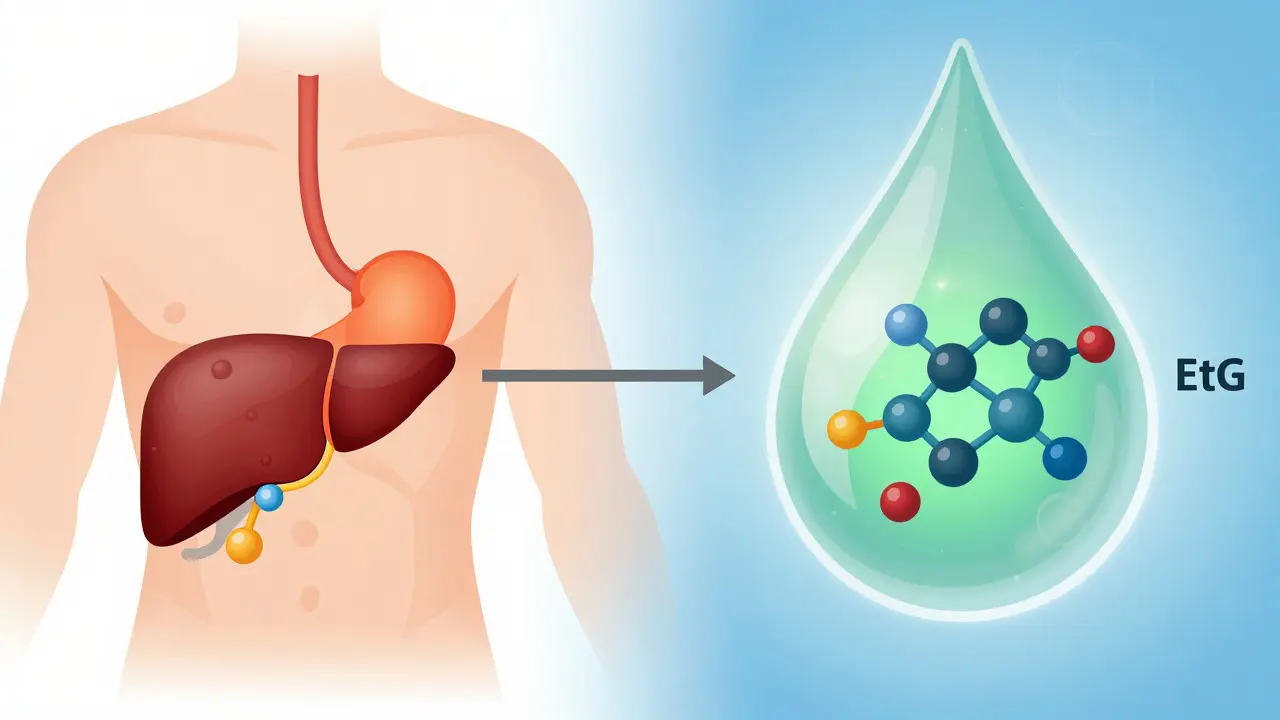
When your liver breaks down ethanol, it produces acetaldehyde, which is quickly converted into acetate. But before that, some ethanol is oxidized into ethyl glucuronide (EtG) and ethyl sulfate (EtS). These metabolites stay in the urine for a much longer period than ethanol itself. While ethanol might clear from blood in 12-24 hours, EtG can be detected in urine for up to 3-5 days after heavy drinking. This makes urine testing incredibly useful for proving recent consumption in cases where the driver claims they haven’t drunk in weeks, or in workplace screening programs where employees might try to hide their habits.
Urine tests are not good for determining if someone was drunk *right now* at the wheel. They are better for establishing a pattern or confirming that drinking occurred within the last few days. For immediate legal decisions, like arresting someone for DUI, breath or blood is preferred. But for insurance disputes or long-term monitoring, urine analysis provides a wider net.
Comparing the Three Methods
To help visualize the differences, here is a breakdown of how these three testing methods stack up against each other in practical scenarios.
| Feature | Breath Testing | Blood Testing | Urine Testing |
|---|---|---|---|
| Accuracy | Moderate (depends on calibration) | High (Gold Standard) | Low for current BAC, High for history |
| Invasiveness | Non-invasive | Invasive (needle required) | Non-invasive |
| Time to Result | Immediate (seconds) | Days (lab processing) | Hours to Days (lab processing) |
| Detection Window | Current (minutes to hours) | Current (hours) | Recent (up to 5 days via EtG) |
| Common Use Case | Roadside stops, preliminary checks | Court evidence, serious accidents | Workplace screening, historical proof |
Factors That Can Skew Results
No test is perfect. Several variables can influence the numbers you see on a printout or in a lab report. For breath tests, mouth alcohol is the biggest enemy. If you drank wine immediately before blowing into the tube, the alcohol in your esophagus can contaminate the sample. Similarly, certain medications that produce acetone (a ketone body) during diabetic ketoacidosis can sometimes trigger false positives on older sensor types, though modern infrared machines are less susceptible to this. For blood tests, hemolysis is a concern. If the red blood cells in the sample break down during transport or storage, they release intracellular fluid that can alter the concentration of ethanol. Lab technicians check for this by looking at the color of the plasma; if it turns pinkish-red instead of clear yellow, the sample may be compromised. Temperature also plays a role. If a blood sample sits in a hot car trunk for hours, bacteria can grow and consume the alcohol, leading to a falsely low result. In urine testing, dilution is a common issue. If a person drinks excessive water before providing a sample, the concentration of EtG drops below the detection limit, even if they drank heavily. Labs check the creatinine level in the urine to determine if the sample is diluted. If it is too low, the result might be flagged as "dilute" rather than "negative," prompting a re-test.
Legal Implications and Admissibility
In the courtroom, the method used can make or break a case. Breath test results are often challenged by defense attorneys who argue that the device was not calibrated correctly or that the officer did not observe the suspect for the required 15 minutes. Because breath tests involve a mathematical conversion (the partition ratio), experts often testify about whether the 1:2100 ratio applies to the specific individual. Some people have lower ratios, meaning their breath reads higher than their actual blood level. Blood test results are harder to challenge because they are direct measurements. However, the defense focuses on the chain of custody and lab procedures. Did the lab follow ISO 17025 standards? Was the equipment validated? If the paperwork shows a gap in who held the vial, the evidence might be excluded. Urine test results are rarely used as primary evidence for DUI charges due to the lag time, but they are increasingly accepted in civil cases, such as child custody disputes, to prove chronic alcohol use.
Frequently Asked Questions
Is a breath test more accurate than a blood test?
Generally, no. Blood testing is considered more accurate because it measures the actual alcohol in the blood without relying on a conversion factor. Breath tests estimate blood alcohol based on a ratio that can vary slightly between individuals. However, breath tests are much faster and easier to administer, which is why they are the standard for roadside checks.
Can you beat a breathalyzer by holding your breath?
Holding your breath for a short time (less than 1 minute) usually doesn't significantly change the result because equilibrium is reached quickly. However, if you hold your breath for several minutes, the alcohol in your alveoli might diffuse back into the blood, potentially lowering the breath reading. Modern devices require a sustained exhalation, making it difficult to cheat by simply holding your breath briefly.
How long does alcohol stay in urine?
Ethanol itself typically leaves urine within 12-24 hours. However, metabolites like ethyl glucuronide (EtG) can be detected for up to 3-5 days after moderate to heavy drinking. This makes urine testing useful for detecting recent consumption rather than current impairment.
What is the partition ratio in alcohol testing?
The partition ratio is the constant used to convert breath alcohol concentration to blood alcohol concentration. The standard legal assumption is 1:2100, meaning 2100 milliliters of breath contain the same amount of alcohol as 1 milliliter of blood. Individual variations exist, but this average is used for consistency in law enforcement.
Does eating food affect alcohol test results?
Eating food slows the absorption of alcohol into the bloodstream, which means your BAC peak is delayed. It does not change the total amount of alcohol in your body, but it changes the timing. If you eat a large meal and then drive, your BAC might still be rising when you are tested, leading to a higher result than if you had drunk on an empty stomach and waited longer.