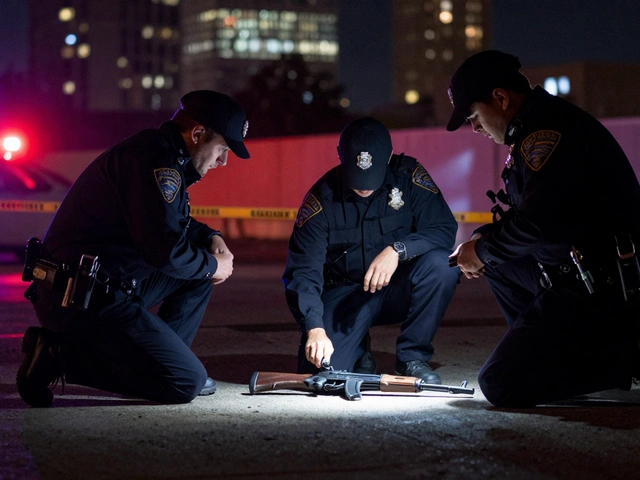
Think about this: what if the jury hears something they shouldn’t? Something that isn’t real evidence, but still sticks in their mind? Like a prior arrest that never led to a conviction, or a confession pulled from a suspect who wasn’t read their rights? That’s not just unfair-it can sink a case before it even begins. That’s where admissibility motions come in. They’re the legal system’s first line of defense against tainted evidence, and they happen long before a jury ever walks into the courtroom.
What Exactly Are Admissibility Motions?
Admissibility motions are formal requests filed before trial to keep certain evidence out. They’re not about whether someone is guilty. They’re about whether the evidence being used is even allowed under the law. Think of them like gatekeepers. The judge doesn’t decide if the evidence proves guilt. They decide if it’s legally allowed to be shown at all. These motions rely on two core rules from the Federal Rules of Evidence. First, Rule 401 says evidence must be relevant-meaning it has to make a fact more or less likely. If a piece of evidence doesn’t connect to anything in the case, it’s out. Second, Rule 403 lets judges throw out even relevant evidence if its danger of unfair prejudice outweighs its usefulness. That’s where most battles happen. A photo of a defendant with a gun might be relevant, but if it makes the jury assume guilt just because of appearance, it can be excluded.The Three Main Types of Motions
Not all admissibility motions are the same. Each serves a different purpose, and knowing the difference matters.- Motions to Suppress: These are common in criminal cases and target evidence obtained illegally. If police searched a home without a warrant, or if a suspect was questioned without being told they could stay silent, this motion asks the court to block that evidence. It’s rooted in the Fourth Amendment (protection against unreasonable searches) and the Fifth Amendment (right against self-incrimination).
- Motions to Exclude: These focus on testimonial evidence-things witnesses say. If a witness’s statement lacks a proper foundation, or if it’s hearsay (secondhand information not under oath), this motion blocks it. For example, if a police officer testifies that a victim told them “he did it,” but the victim never takes the stand, that’s hearsay and likely inadmissible.
- Motions in Limine: These are the most strategic. Filed right before trial, they ask the judge to prevent certain evidence from even being mentioned. Maybe the prosecution wants to bring up the defendant’s past DUI, but it has nothing to do with the current charge. A motion in limine stops them from saying a word about it. This is powerful because once a jury hears something, even if later told to ignore it, the damage is done. These motions prevent that.
Why Timing Matters
You can’t wait until the trial starts to object. The rules require you to raise these issues early. In criminal cases, Rule 12 of the Federal Rules of Criminal Procedure says challenges to illegally obtained evidence must be filed before trial. If you wait, you lose the right to challenge it later-even on appeal. This is why pretrial hearings matter. Judges don’t just read papers. They hold full hearings where witnesses testify, documents are submitted, and lawyers argue. The defense might call a police officer to explain how a search warrant was obtained. The prosecution might present a lab report. The judge listens, then rules-often weeks before jury selection.
The Strategic Game of Motions in Limine
Motions in limine aren’t just legal tools-they’re psychological ones. By filing one, you force the other side to reveal their hand. If you file a motion to block your client’s prior conviction, you’re telling the prosecution: “We’re going to argue that this case is weak and that past behavior shouldn’t matter.” That gives them time to adjust their strategy. But there’s a catch. Filing the motion means you’re telling the other side exactly what evidence you’re worried about. That can help them tweak their case. Maybe they’ll bring up a different piece of evidence you didn’t anticipate. Or they’ll prepare a better justification for the one you challenged. Defense attorneys have to weigh that risk: is the damage from the evidence worse than the cost of revealing your strategy? In civil cases, the same logic applies. A property owner suing an insurer might file a motion in limine to block the insurer from bringing up the owner’s previous insurance claims. If the jury hears those, they might assume the owner is a “frequent filer,” even if those claims were unrelated. Courts often grant these motions because they prevent trial chaos and avoid mistrials.What Happens If Evidence Gets In Anyway?
Even with all the pretrial motions, sometimes bad evidence slips through. A witness says something off the record. A document is accidentally handed to the jury. That’s when motions to strike come in. A motion to strike asks the judge to remove something from the record after it’s been said. The judge might say, “Stricken from the record. The jury is to disregard that statement.” But here’s the truth: jurors don’t forget. That’s why lawyers push so hard for pretrial rulings. It’s better to never let it in than to try to undo it. In those moments, lawyers also ask for limiting instructions. For example, if the court allows a prior conviction to be mentioned for credibility purposes (not guilt), the lawyer asks the judge to tell the jury: “You may only consider this to assess whether the witness is truthful-not to decide if they committed this crime.” That instruction has to be on the record. If the jury ignores it, you can appeal later.Constitutional Backbones
Many admissibility motions aren’t just about rules-they’re about rights. The Confrontation Clause of the Sixth Amendment says defendants have the right to cross-examine witnesses who provide evidence against them. That means if a lab report says “the substance was cocaine,” the defense can demand the lab technician appear in court to be questioned. If they don’t, the report is inadmissible. The Fourth Amendment is the foundation for suppression motions. If a search warrant was based on a lie, or if police ignored clear signs that a warrant was invalid, the evidence from that search must be thrown out. That’s not just a technicality-it’s a protection against abuse of power.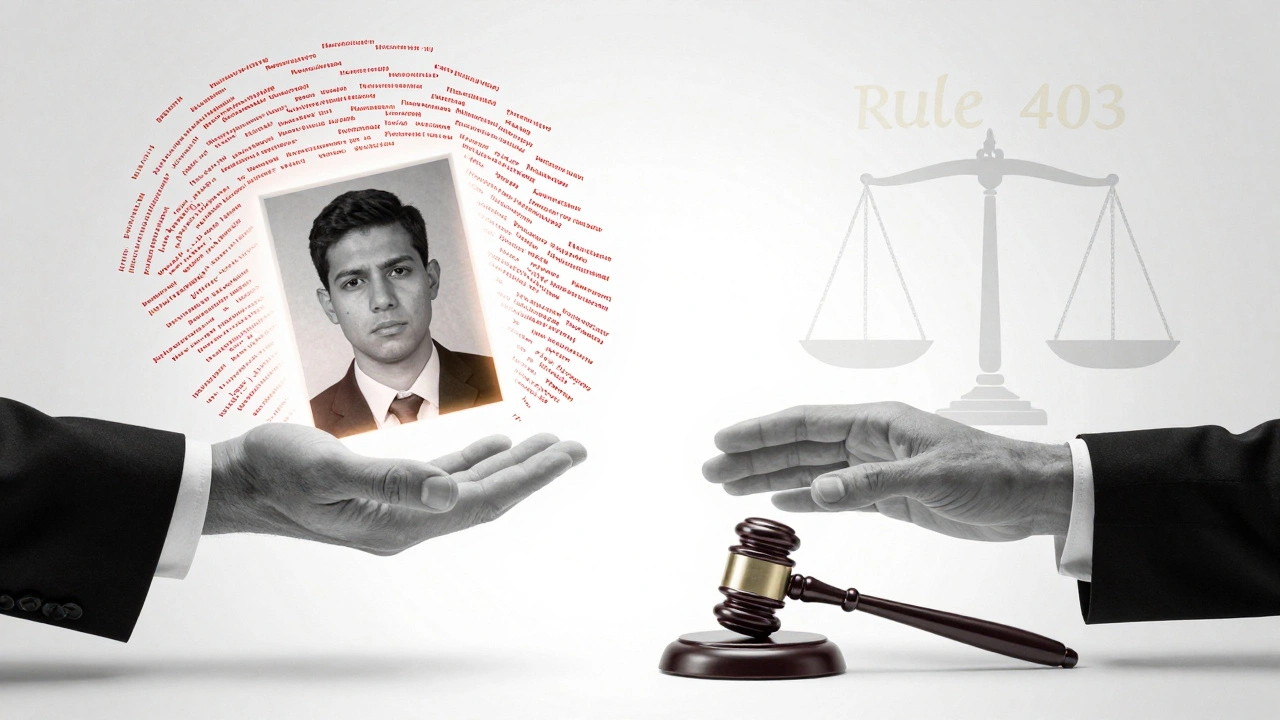
How to Win These Motions
Winning isn’t about shouting louder. It’s about precision.- Be specific. Don’t say, “This evidence is prejudicial.” Say, “Under Rule 403, the probative value of this prior arrest is minimal, and its prejudicial effect is high because it suggests criminal propensity, which is barred under Rule 404(b).”
- Use the rules. Cite the exact rule number. Judges know them. They’ll respect you more if you do.
- Make an offer of proof. If evidence is excluded, tell the judge what it would have shown. This preserves your right to appeal. Say: “If allowed, the witness would testify that the officer admitted he didn’t have a warrant.”
- Don’t be vague. A generic objection like “I object” won’t cut it. You need to say why.
What Happens on Appeal?
If you lose a motion and the case goes to trial, you can appeal-but only if you did everything right. You must have:- Filed the motion at the right time
- Stated your legal reason clearly
- Objected at trial if evidence slipped through
- Made an offer of proof for excluded evidence
Why This Matters Beyond the Courtroom
Admissibility motions aren’t just legal procedures. They’re about fairness. They prevent the system from convicting people based on rumors, bias, or bad police work. They force prosecutors to build cases on solid evidence, not emotion. They protect defendants from being judged by what they’ve done before, not what they’re accused of now. In civil cases, they prevent insurers from scaring juries with unrelated claims. They stop companies from using inflammatory language to win sympathy. They keep trials focused on facts, not fear. Without these motions, trials would be chaos. Juries would hear everything-good, bad, and illegal. And justice would suffer.Can you file an admissibility motion after trial starts?
Yes, but only for evidence you couldn’t have anticipated. Pretrial motions must be filed before trial. If new evidence emerges during testimony, you can object on the spot and file a motion to strike. But if you knew about the evidence beforehand and didn’t challenge it, you lose the right to object later.
Do motions in limine always work?
No. Judges have broad discretion. They might deny a motion if they believe the evidence is relevant and not overly prejudicial. Sometimes, they’ll allow the evidence but give a limiting instruction instead. Winning depends on how well you connect the evidence to the rules and show real risk of unfair influence.
Can the prosecution file admissibility motions too?
Absolutely. Prosecutors often file motions in limine to block defense evidence they believe is irrelevant, misleading, or unfairly prejudicial. For example, they might try to stop the defense from bringing up a witness’s prior criminal history if it’s not directly related to credibility.
What’s the difference between a motion to suppress and a motion to exclude?
A motion to suppress targets evidence obtained illegally-like a search without a warrant. A motion to exclude targets evidence that violates evidentiary rules, like hearsay or lack of foundation. Suppressions are usually constitutional; exclusions are usually procedural.
Do all states follow federal rules?
Most states have rules similar to the Federal Rules of Evidence, but they’re not identical. Some states have stricter rules on hearsay, others are more lenient on character evidence. Always check your state’s rules. For example, Oregon’s evidence code differs slightly from the federal version in how it treats prior convictions.