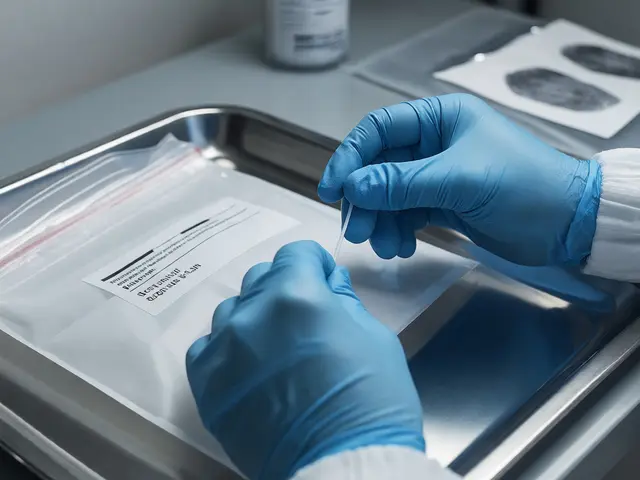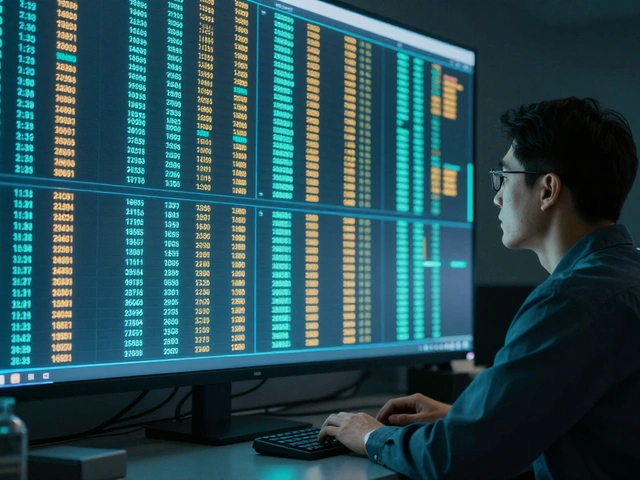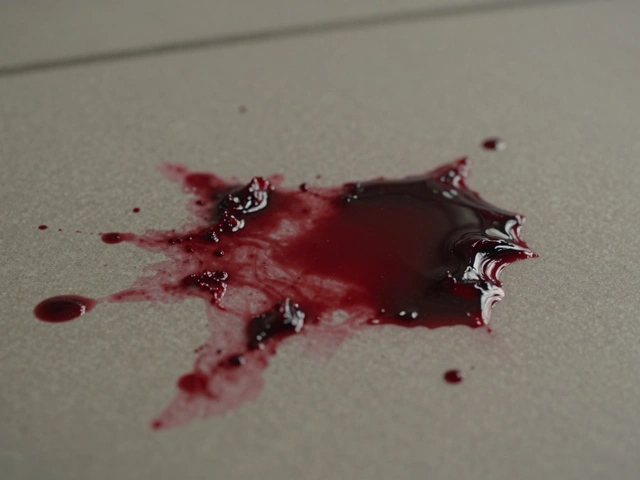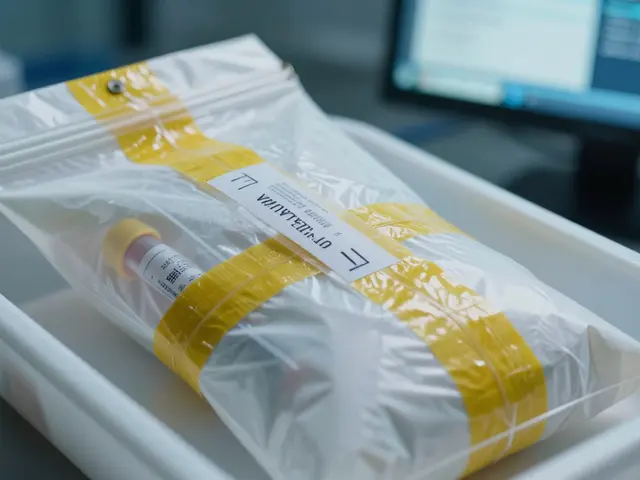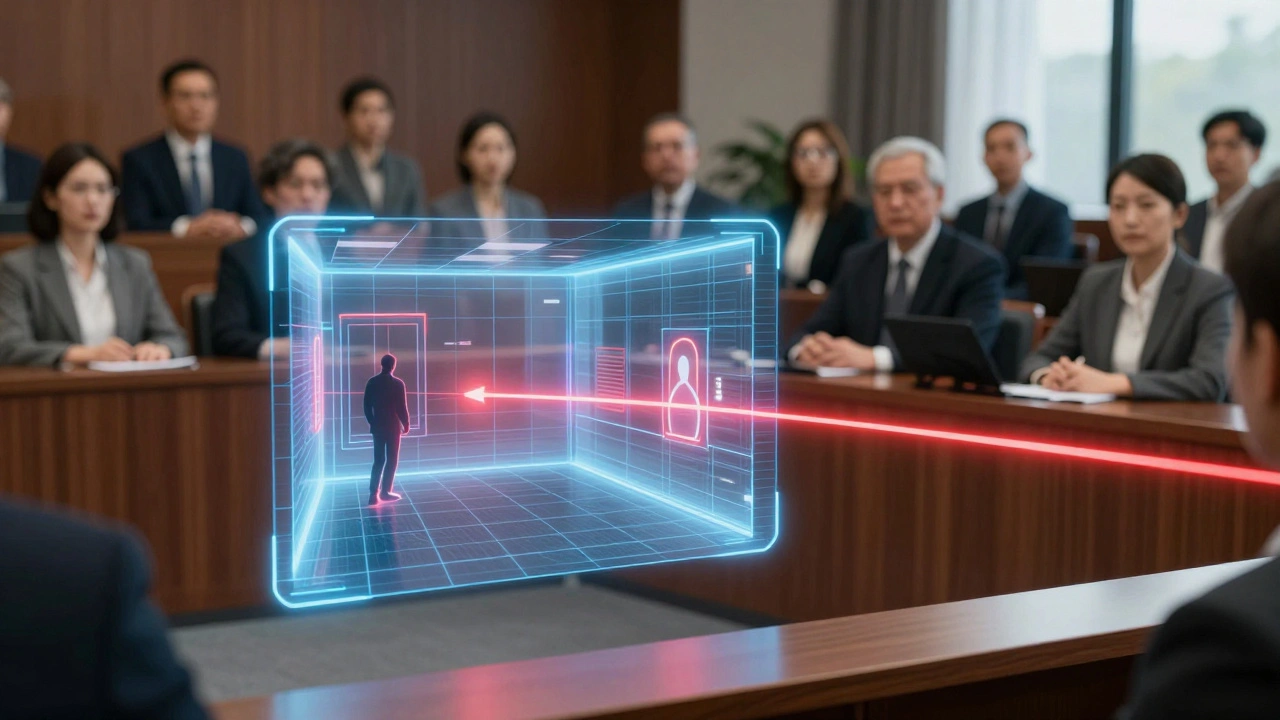
Imagine a jury staring at a series of flat, grainy photographs and a technical report filled with physics equations. Now imagine them holding a precise 3D-printed model of a skull or watching a digital animation that shows exactly where a shooter stood and how a bullet traveled through a room. The difference isn't just in the "wow" factor; it is the difference between a confused verdict and a clear understanding of the truth. Ballistic trajectory visualization is the process of using 3D technology and forensic science to reconstruct the path of a projectile from the firearm to the target. This approach turns a courtroom from a place of abstract testimony into a space where jurors can effectively see the event as it happened.
The Problem with Flat Evidence
For decades, forensic experts relied on 2D diagrams and photographs. The problem? A photo cannot capture the depth or the exact angle of a bullet's entry into a wall or a body. When an expert describes a "downward angle of 15 degrees," most people can't visualize that accurately in their heads. This creates a gap between the scientific fact and the jury's perception.
Modern courtroom models bridge this gap by adding the third dimension. Instead of guessing, judges and jurors can see spatial relationships-like how a piece of furniture might have blocked a shot or how a victim's height affected the trajectory. This shift is designed to "turn jurors into witnesses," allowing them to comprehend the scene without needing a degree in physics.
High-Tech Reconstruction: 3D Laser Scanning
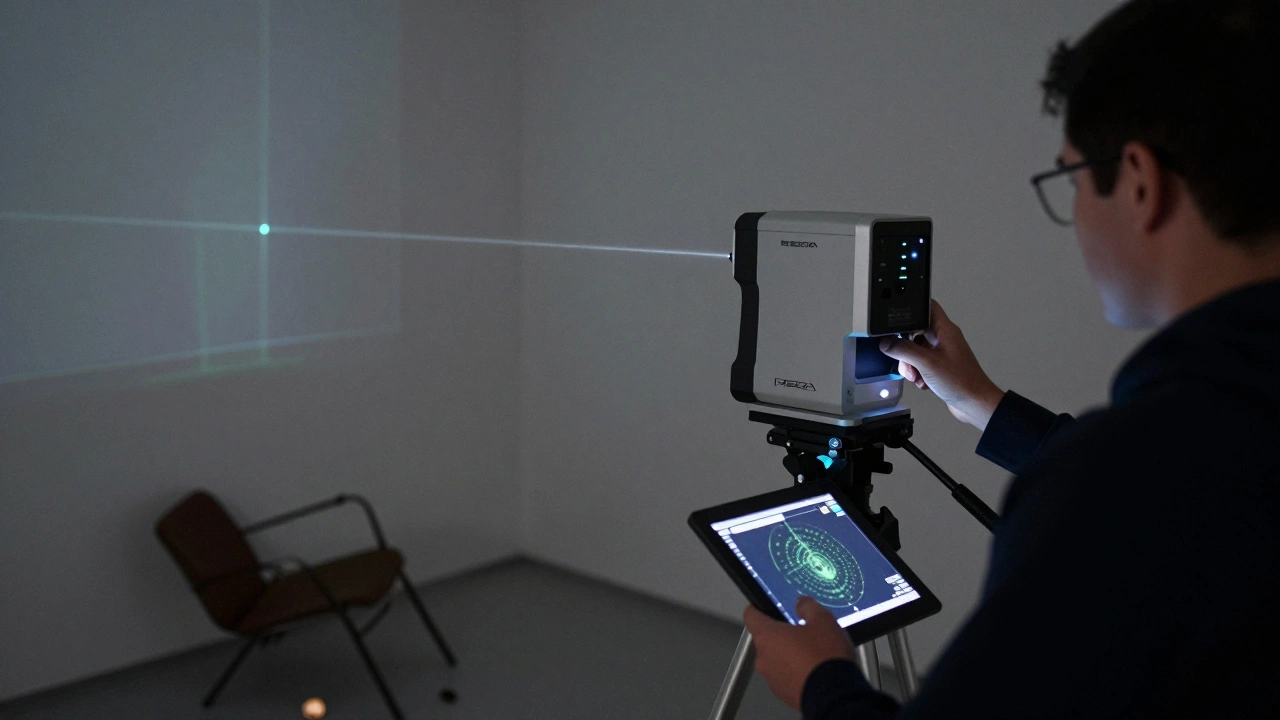
The foundation of any accurate model is the data. This is where 3D Laser Scanning is a method of capturing millions of precise spatial measurements to create a digital twin of a crime scene comes into play. Using tools like the Leica ScanStation, investigators capture every detail-elevations, doorways, and the exact placement of shell casings-before the scene is disturbed.
The process generally follows a strict four-step workflow to ensure the evidence holds up under legal scrutiny:
- Scene Capture: Laser scanners record the environment. The closer this happens to the actual event, the more accurate the data, as it captures the surroundings exactly as they were during the shooting.
- Locating Actors: Experts use the scan alongside witness testimony and physical clues (like blood spatter or casing groups) to place the shooter and target in the digital space.
- Aligning the Path: By connecting the entry and exit wounds of a target, experts create a digital line. They extend this line back to the shooter's position to verify the posture and distance of both parties.
- Drawing Conclusions: Once the lines are connected, it becomes clear if a shooter was acting in self-defense or if the trajectory contradicts the defendant's story.
Augmented Reality vs. Virtual Reality in Court
While we often hear about VR, Augmented Reality (AR) is actually more useful for forensic teams. Unlike VR, which locks a person into a headset and isolates them, AR overlays digital information onto the real world. This allows multiple investigators to stand in a room and collaborate on a theory in real-time.
In a courtroom setting, AR allows a presentation to show the path of a bullet as a virtual line moving through the air. Developers use libraries of 3D assets-like avatars and furniture-to build a scene that matches witness accounts. Because it supports multiple angles and perspectives, it is far more convincing than a drawing. It adds a temporal dimension, showing not just where the bullet went, but the sequence of movements leading up to the trigger pull.
| Method | Primary Value | Main Drawback | Best Use Case |
|---|---|---|---|
| 2D Photographs | Cheap and fast | No spatial depth | Basic documentation |
| AR Simulations | Collaborative & Dynamic | Requires high-end hardware | Sequence of events |
| 3D Laser Scans | Extreme Precision | Data heavy/complex | Environmental accuracy |
| 3D-Printed Models | Tactile Engagement | Can be emotionally distressing | Skeletal trauma analysis |
The Power of Tactile Evidence: 3D Printing
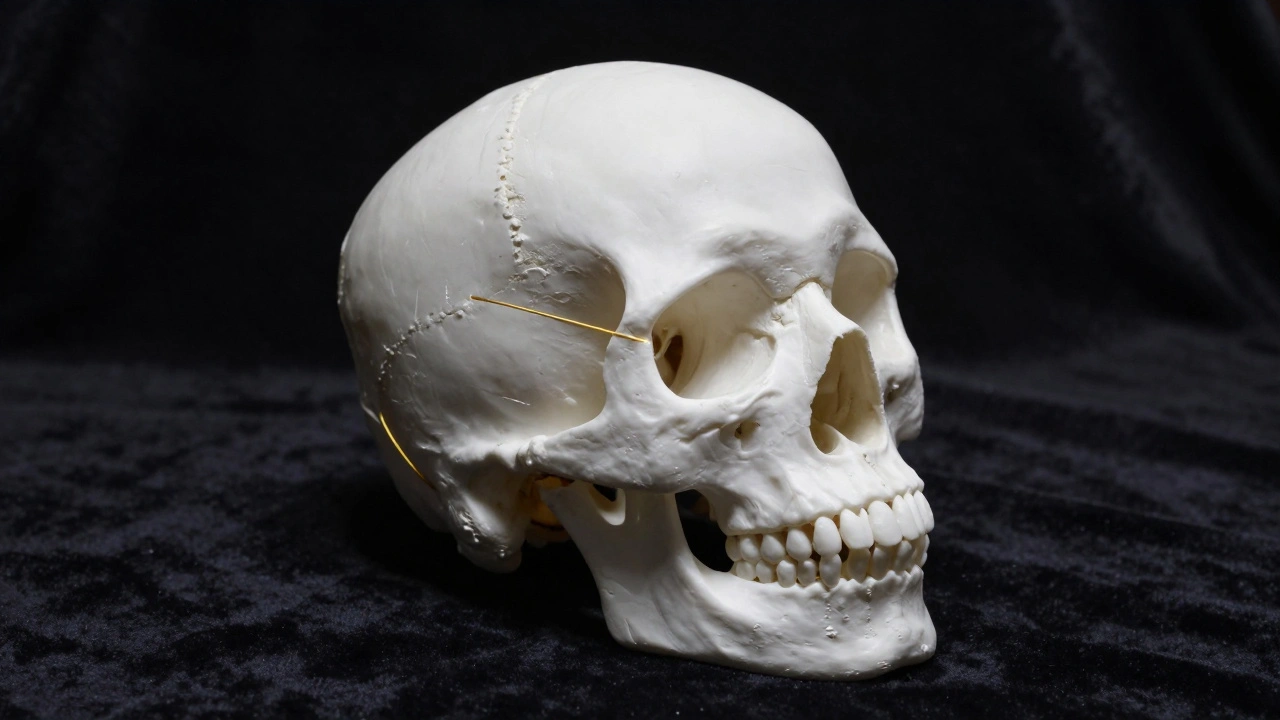
Sometimes, a screen isn't enough. 3D Printing provides a physical object that jurors can touch and rotate. A powerful example of this is the use of 3D-printed skeletal remains. When a juror holds a printed model of a skull that shows a real gunshot entry point, the evidence becomes a "piece of the puzzle" they can physically manipulate.
Research shows that this hands-on interaction helps jurors overcome the confusion of technical jargon. However, there is a psychological trade-off. Holding a realistic model of a human skull can be "creepy" or distressing, which is a risk experts must balance. Despite the discomfort, the ability for a juror to physically track a bullet's path with their own finger often leads to a faster and more confident determination of guilt or innocence.
Testing the Theory with Synthetic Models
To ensure a trajectory is physically possible, forensic scientists don't just rely on software; they use physical testing. Synthetic head models are constructed using materials like leather, polyurethane, and gelatine to mimic skin, bone, and tissue. By firing rounds into these "open shape" or "spherical" models, experts can see how a projectile actually behaves when hitting human-like anatomy.
This data informs the digital models. If the software says a bullet should have traveled in a straight line, but the synthetic testing shows it would have deflected off a certain bone structure, the digital model is adjusted. This synergy between the physical and digital ensures the evidence presented in court isn't just a "pretty picture," but a scientific reality.
Legal Acceptance and the "Human" Element
Courts around the world are increasingly accepting these models. In various high-profile cases, such as those seen in the Indian Supreme Court, visual evidence has been used to corroborate ballistic reports. The goal is to remove the ambiguity that often leads to wrongful convictions or failed prosecutions.
But there is a catch: the model is only as good as the initial scan. If emergency responders fail to document the scene immediately, the subsequent 3D model is based on incomplete data. The "truth" of the visualization depends entirely on the integrity of the first few hours of the investigation. When done right, however, these tools move the legal process away from "he said, she said" and toward a factual, visual reconstruction of the truth.
Does a 3D model guarantee a correct verdict?
No. A 3D model is a tool for visualization, not a definitive proof. The accuracy depends on the quality of the initial evidence, such as the precision of the laser scan and the reliability of the witness testimony used to position the actors. It helps jurors understand the evidence, but the jury still decides the weight of that evidence.
Why is AR preferred over VR in forensic investigations?
AR allows multiple people to see the same digital overlays in the real world simultaneously. This makes it a collaborative tool where investigators can discuss and refine their theories together. VR is typically a solitary experience, which is less effective for team-based crime scene analysis.
Are 3D-printed models of remains considered too graphic for juries?
They can be. Some jurors find the tactile nature of 3D-printed bones distressing or "creepy." However, studies suggest that this discomfort is often outweighed by the clarity the models provide, as they help jurors understand complex trauma that is difficult to grasp from a photo.
How do synthetic head models help in court?
Synthetic models simulate human tissue and bone. By testing actual projectiles in these materials, experts can prove whether a specific trajectory is physically possible, providing a scientific basis for the digital reconstructions shown in court.
What happens if the crime scene wasn't laser-scanned immediately?
If the initial scan is missed, experts can still reconstruct the scene later, but the data may be less precise. Environmental changes-like moved furniture or cleaned blood-can introduce gaps in the evidence, which opposing legal teams may use to challenge the model's accuracy.
Next Steps for Legal Professionals and Investigators
If you are an investigator, the priority should be the immediate deployment of 3D scanning at the scene. Waiting even a few hours can result in the loss of critical spatial data. For legal teams, the focus should be on the "admissibility" of these models-ensuring that the software used is industry-standard and that the experts can explain exactly how the digital lines were drawn.
Depending on the case, you might choose different tools:
- For spatial disputes: Use 3D laser scanning and a digital working model.
- For sequencing and movement: Use AR animations.
- For anatomical trauma: Use 3D-printed skeletal models and synthetic tissue testing.