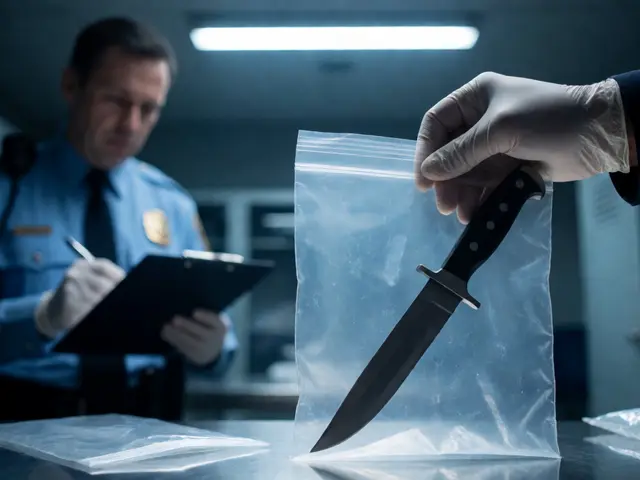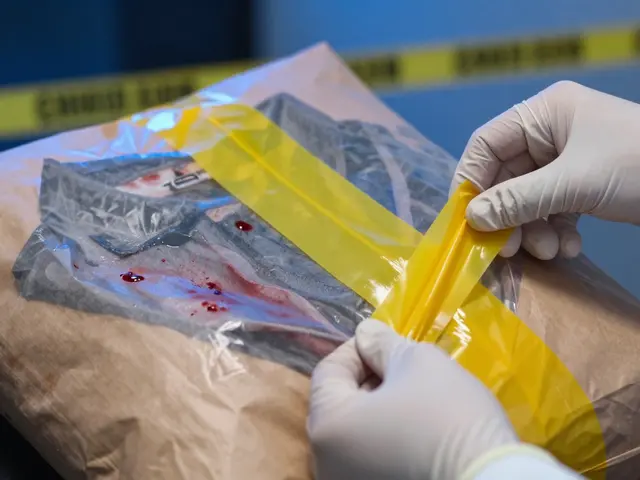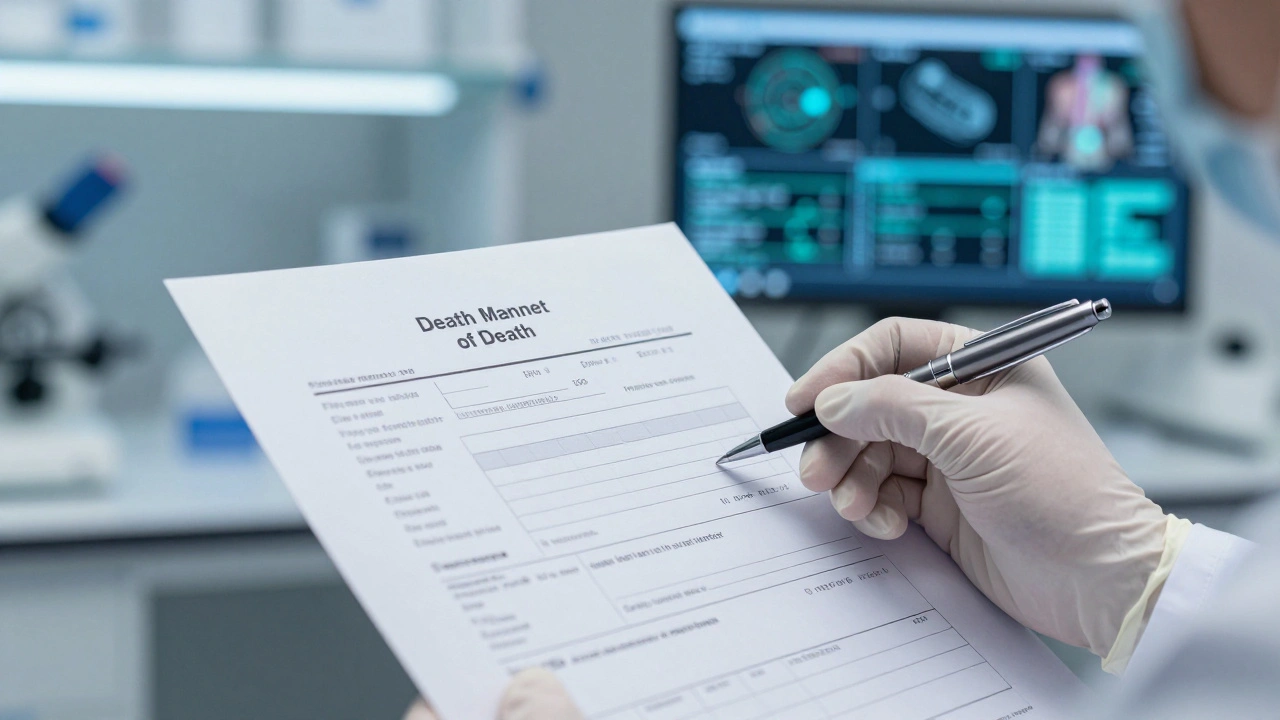
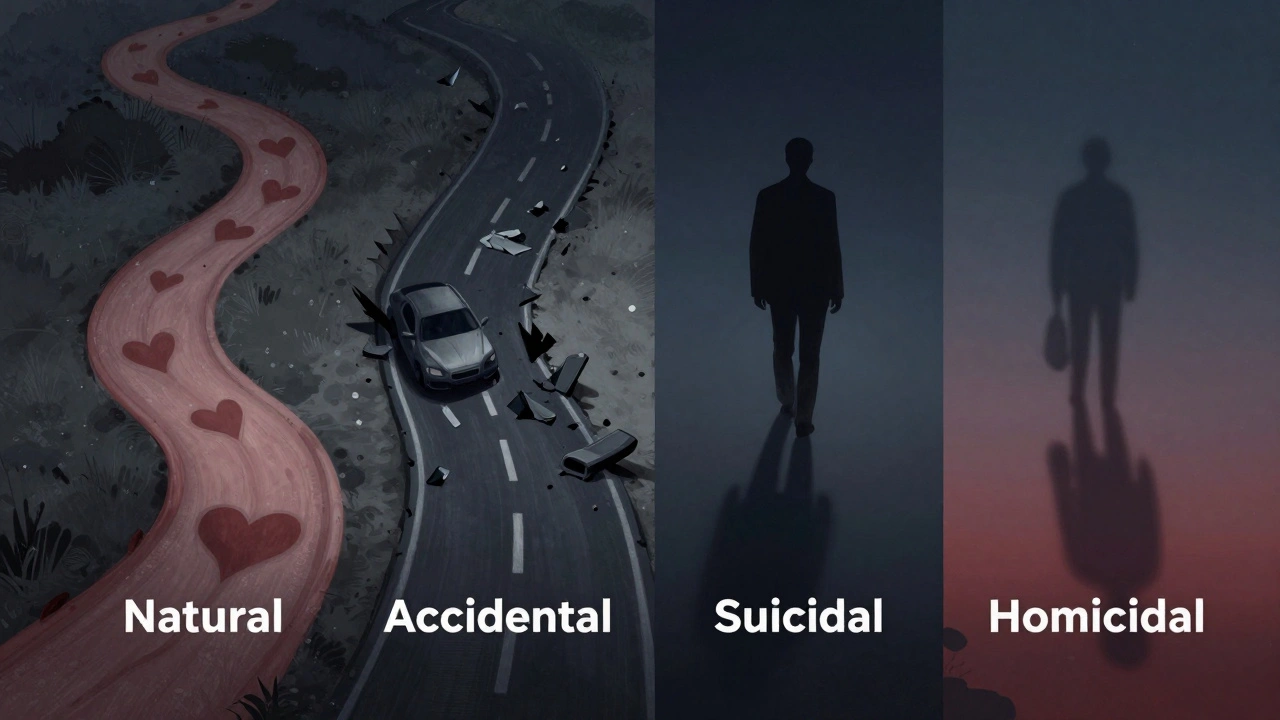
When a person dies unexpectedly, the question isn't just what killed them, but how it happened. This distinction is critical in forensic science and public health. While "cause of death" identifies the specific injury or disease-like a gunshot wound or heart attack-the manner of death classifies the circumstances surrounding that event. It answers whether the death was natural, accidental, suicidal, homicidal, or undetermined. Getting this right matters for everything from insurance payouts to criminal investigations and national health statistics.
The Difference Between Cause, Manner, and Mechanism
To understand manner of death, you first need to untangle three terms that often get mixed up: cause, manner, and mechanism. Think of it like a car crash investigation. The Mechanism of death is the physiological process that stops life functions. In our example, it might be "exsanguination" (bleeding out) or "cardiac arrest." Doctors avoid using mechanisms on death certificates because they are too vague; cardiac arrest happens in almost every death, regardless of the underlying reason.
The Cause of death is the specific disease or injury that started the fatal chain of events. For the car crash, the cause is "motor vehicle accident" or more specifically, "blunt force trauma." Finally, the Manner of death is the classification of how the cause arose. Was it an accident? Did someone intend to kill the driver? Or did the driver have a sudden medical emergency behind the wheel?
This triad forms the backbone of medicolegal death investigation. The Centers for Disease Control and Prevention (CDC) and the National Association of Medical Examiners (NAME) provide strict guidelines to ensure these distinctions remain clear. Misclassifying a mechanism as a cause, or confusing cause with manner, can skew data used to prevent future deaths.
Natural Death: Disease and Aging
A Natural death is a death caused solely by disease processes or the aging process, without significant external injury. This category covers the vast majority of deaths in the United States. Heart disease, cancer, stroke, and pneumonia are classic examples. If a person dies in their sleep from congestive heart failure, the manner is natural.
However, "natural" doesn't always mean "expected." Sudden Infant Death Syndrome (SIDS), now often referred to as Sudden Unexplained Infant Death (SUID), is classified as natural if a thorough investigation finds no unsafe environmental factors. But here’s where it gets tricky: if a natural disease is present but an injury hastens death, the manner shifts. For instance, if a person with coronary artery disease falls down the stairs and dies from the fall, the manner is not natural-it becomes accidental. The pre-existing condition didn't kill them; the trauma did.
Medical treatments also play a role. According to NAME guidelines, complications from accepted therapy for natural diseases-like chemotherapy side effects or reactions to anesthesia during necessary surgery-are typically still classified as natural, provided the treatment was appropriate and intended to heal, not harm.
Accidental Death: Unintended Consequences
Accidental death is an unintended, non-natural death resulting from an inadvertent chance event. There is little to no evidence that the victim intended to harm themselves or others. Motor vehicle crashes, drownings, fires, and unintentional drug overdoses fall into this bucket.
One of the most common gray areas involves drug intoxication. If someone takes a prescribed medication and accidentally mixes it with another drug, leading to respiratory failure, it is usually ruled an accident. The intent was therapeutic, not lethal. Even autoerotic asphyxia-fatalities occurring during consensual sexual acts involving strangulation-is often classified as accidental if there is no evidence of intent to die. The key factor is inferred intent. Did the person know the risk? Yes. Did they intend to die? No.
Anaphylaxis, a severe allergic reaction to food, insect stings, or medications, is also typically classified as accidental. Although the body’s response is internal, the trigger is an external agent, and the reaction is unexpected and involuntary.
Suicidal Death: Intent to Die
Suicide is a death resulting from a self-inflicted injury or poisoning with evidence of intent to die. Proving intent is the hardest part of this classification. Investigators look for suicide notes, prior attempts, psychiatric history, and the method chosen. A contact-range gunshot wound to the head or chest is highly indicative of suicide due to its lethality and difficulty in inflicting on another person.
However, suicide rates are often undercounted. A 2017 study by Rockett et al., published in BMC Public Health, highlighted that many intentional overdoses are recorded as accidents or undetermined due to the difficulty of proving intent without a note. Family stigma and religious beliefs can also pressure examiners to avoid the label "suicide." Despite this, if a person initiates a lethal act with suicidal intent-even if they change their mind mid-act and call for help but still die-the manner remains suicide. The initial intent drives the classification.
Homicidal Death: Actions of Another
Homicide is a death resulting from the intentional actions of another person. Importantly, "homicide" in forensic terms is broader than the legal concept of murder. It includes justifiable homicide, such as police shootings in the line of duty or self-defense killings. It also covers negligent homicides, where a person may not have intended to kill but engaged in dangerously reckless behavior that resulted in death.
The standard of proof for manner of death is "preponderance of evidence" (more likely than not), which is lower than the "beyond a reasonable doubt" standard used in criminal court. This means a death can be ruled a homicide even if the perpetrator is never convicted. Deaths in custody, particularly those involving restraint or positional asphyxia, are heavily scrutinized. Some jurisdictions classify nearly all deaths involving law enforcement use of force as homicide, while others may rule them accidental or undetermined if intent is disputed.
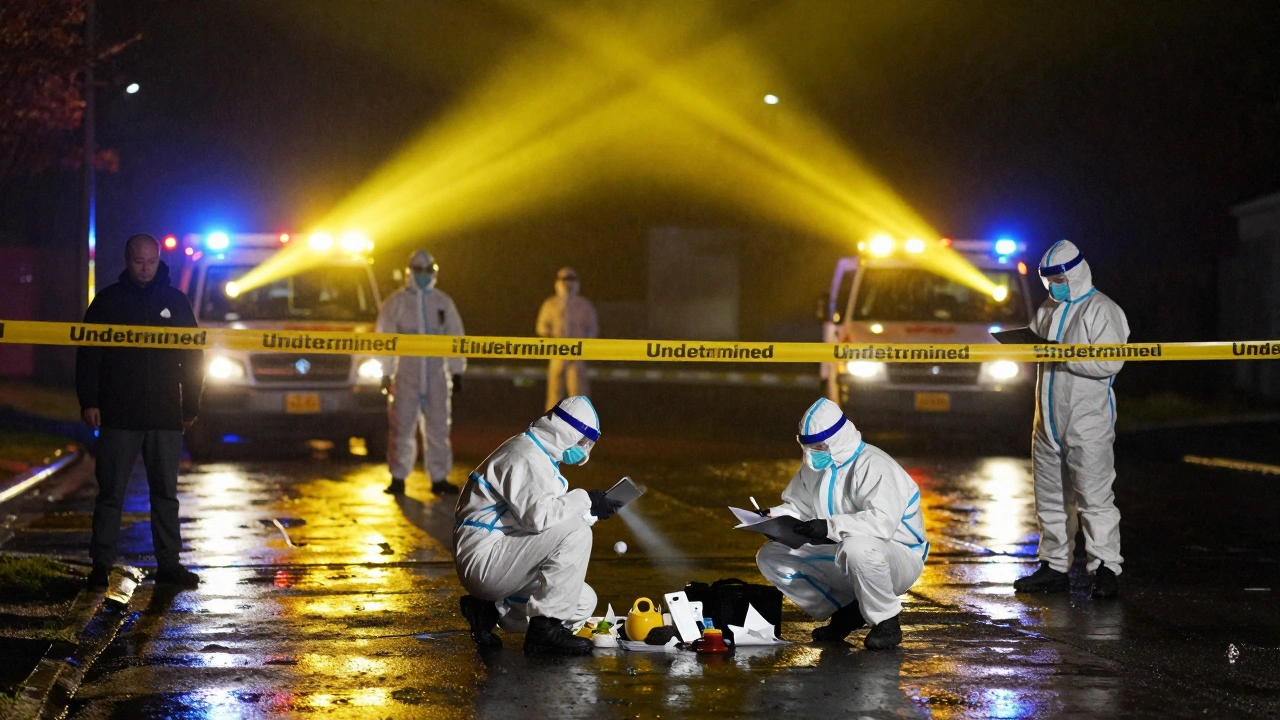
Undetermined and Pending: When Evidence Fails
Not every death fits neatly into the four boxes above. Undetermined death is used when available information does not allow a reasonable classification as natural, accident, suicide, or homicide. This might happen with decomposed bodies where trauma cannot be distinguished from disease, or in cases of drug overdose where intent is ambiguous.
"Pending" is a temporary status. Toxicology results can take weeks or even months. During this time, the death certificate lists the manner as pending. Once all tests are complete, the examiner revises the certificate to reflect the final determination. Overusing "undetermined" is discouraged by NAME guidelines, but it remains a necessary tool for maintaining integrity in the face of incomplete evidence.
| Manner | Key Criterion | Common Examples | Evidentiary Challenge |
|---|---|---|---|
| Natural | Disease/Aging only | Heart attack, Cancer, Stroke | Injuries hastening death |
| Accident | Unintended external factor | Car crash, Overdose, Drowning | Distinguishing from suicide/homicide |
| Suicide | Self-inflicted + Intent | Gunshot, Hanging, Overdose | Proving intent without notes |
| Homicide | Action of another | Stabbing, Police shooting, Negligence | Legal vs. Forensic definitions |
| Undetermined | Insufficient evidence | Decomposition, Ambiguous overdose | Pressure to finalize quickly |
Why Consistency Matters
Manner of death classification is not just bureaucratic paperwork. It drives public health policy. Accurate data on accidental deaths helps improve road safety and drug regulation. Reliable suicide statistics inform mental health initiatives. Homicide trends guide law enforcement strategies. When classifications vary wildly between states-as seen in opioid overdose reporting-national efforts to combat crises become less effective. Standardization through electronic death registration systems and adherence to NAME guidelines is crucial for building a trustworthy picture of mortality in the U.S.
Can a doctor determine the manner of death?
Generally, no. Treating physicians can only certify natural deaths. If a death is suspicious, unattended, or involves injury, it must be referred to a medical examiner or coroner, who has the legal authority to investigate and assign the manner of death.
Is "pending" a final manner of death?
No. Pending is a temporary status used while toxicology or other tests are ongoing. Once the investigation is complete, the manner is updated to natural, accident, suicide, homicide, or undetermined.
Why are drug overdoses sometimes ruled accidental instead of suicide?
Intent is difficult to prove. Without a suicide note or clear history of self-harm, many examiners default to accident, especially if the person had a substance use disorder. This can lead to undercounting suicides in national statistics.
Does a homicide ruling mean someone will go to jail?
Not necessarily. Homicide is a forensic classification meaning another person caused the death. It includes justifiable actions like self-defense or police shootings. Criminal liability depends on the legal system's judgment, which requires a higher standard of proof.
What is the difference between cause and manner of death?
Cause is the specific injury or disease (e.g., gunshot wound). Manner is the context (e.g., homicide). You can have the same cause (heart attack) with different manners (natural if alone, accident if triggered by a fall).