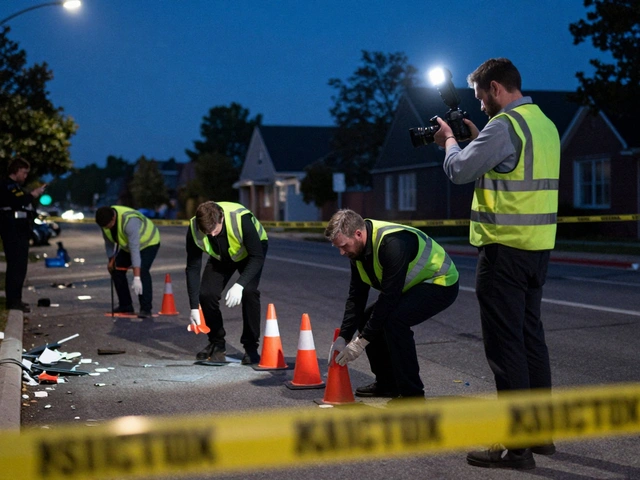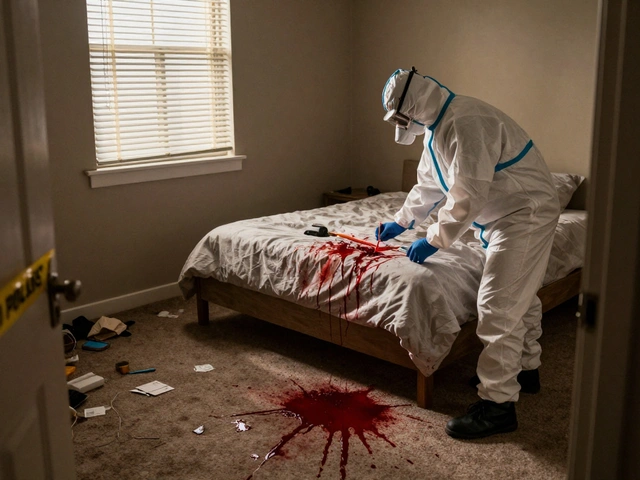
In the world of true crime documentaries, the chemistry lab often looks like a high-tech movie set where scientists snap fingers at microscopes to solve crimes instantly. The reality is quite different. Forensic ChemistA specialized laboratory professional who analyzes physical evidence and drug samples to support criminal investigations. These experts apply rigorous analytical techniques drawing on knowledge from chemistry, biology, and materials science. They don't just guess; they prove things. A forensic chemist connects the dots between a blood-stained shirt found in a trunk and a suspect standing in court. If you're thinking about entering this field, you need to understand that the job is less about catching criminals and more about ensuring the science holds up under intense scrutiny.
The Day-to-Day Reality of Lab Work
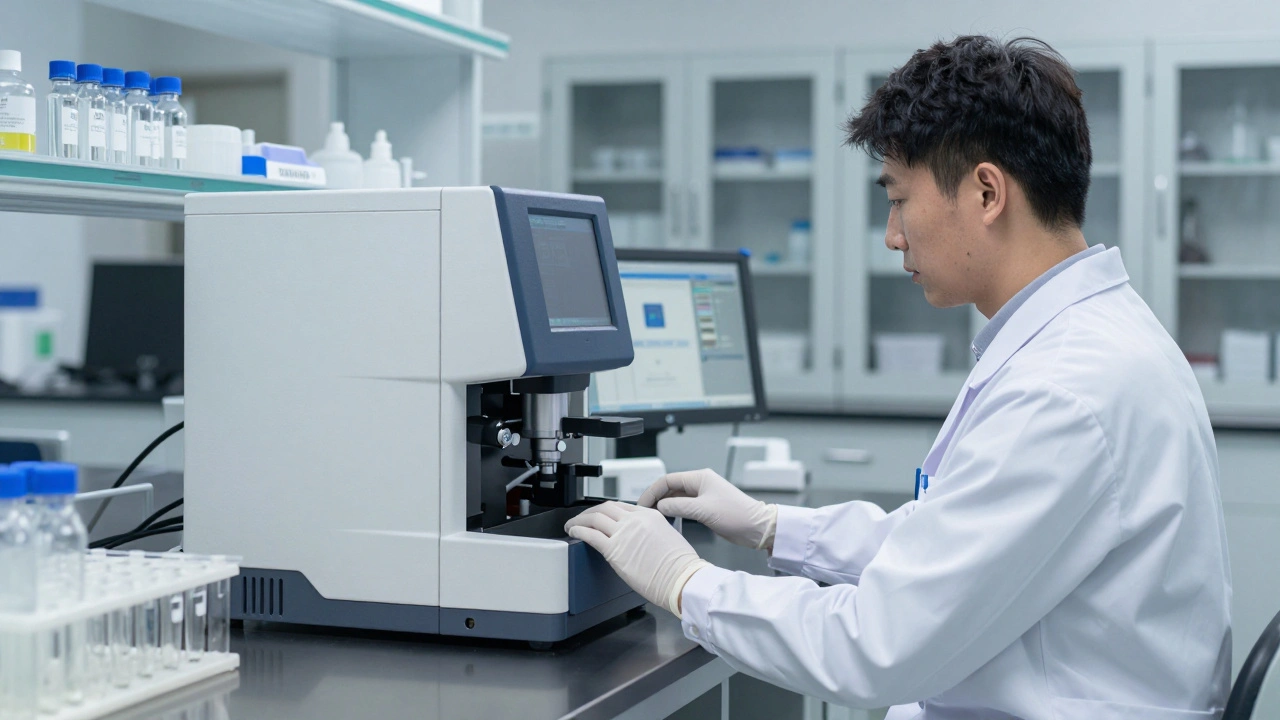
Most people imagine walking a crime scene in a trench coat. In truth, a forensic chemist spends about 90% of their time behind the walls of a laboratory. You aren't usually part of the initial team responding to a house fire or a shooting. Instead, the evidence arrives in boxes, bags, and tubes. Your job starts when those items cross your desk. You might be asked to identify white powder from a traffic stop or analyze gasoline residues from a suspicious fire.
The core responsibilities involve analyzing non-biological trace evidence. This includes:
- Drug Analysis: Identifying controlled substances seized during arrests.
- Toxicology: Examining body fluids for poisons or alcohol levels.
- Fire Debris: Detecting accelerants used in arson cases.
- Explosives: Matching residue to bomb-making components.
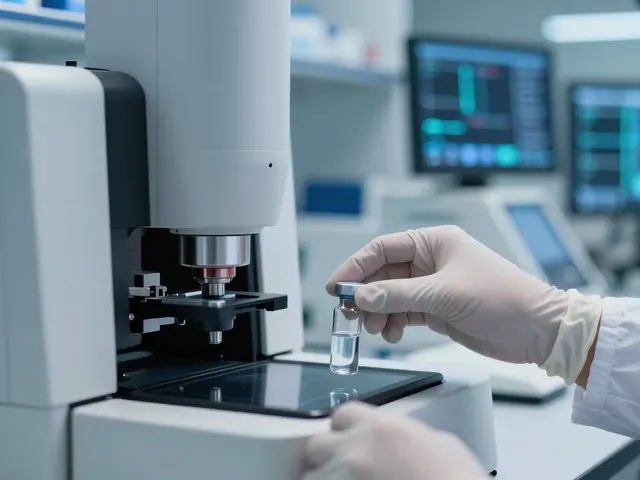
You often won't know what a sample is before testing begins. That uncertainty requires flexibility. One day, you might be using a microscope to look at paint chips from a hit-and-run vehicle. The next, you could be running gas chromatography to separate complex mixtures. The work demands patience. You might spend four hours prepping a single sample because rushing it creates errors that attorneys will exploit later.
The Toolkit: Methods and Technology
Solving these puzzles requires sophisticated technology. A standard chemical degree gives you the basics, but forensic work pushes equipment to its limits. One of the most powerful tools in the arsenal is mass spectrometry. It is frequently used because it provides the strongest evidence in court proceedings. This method identifies compounds by their mass-to-charge ratio, creating a fingerprint for every molecule.
Beyond heavy machinery, you'll rely on separation analysis methods. Techniques like gas chromatography and high-performance liquid chromatography (HPLC) are staples. They allow you to break down mixtures into individual components. Think of it like sorting a mixed bag of colored marbles so you can count them individually. Without these separation steps, identifying unknown materials would be nearly impossible.
| Method | Primary Use Case | Evidence Type |
|---|---|---|
| Gas Chromatography | Separating volatile compounds | Fuels, drugs, solvents |
| Mass Spectrometry | Molecular identification | Unknown powders, toxins |
| Thin-Layer Chromatography | Quick screening | Presumptive drug tests |
| X-Ray Spectroscopy | Elemental composition | Glass fragments, paints |
You will also deal with calculations constantly. Determining concentration or the amount of a substance in a total sample is routine. If a defendant claims a pill contained no cocaine, your math has to show exactly how much was there, down to the milligram. Accuracy here isn't just academic; it dictates sentencing guidelines and case outcomes.
Courtroom Dynamics and Legal Scrutiny
Your work doesn't end at the lab bench. Many positions require forensic chemists to appear in court to testify regarding their findings. Drug analysts are particularly likely to face this requirement because drug evidence generates more questions than other evidence types. You become an expert witness. Lawyers will question your methodology, your calibration records, and even your personal notes. This means your reports must withstand intense scrutiny.
To survive cross-examination, you need excellent oral communication skills. You can't speak in jargon. You must explain complex procedures to juries in plain English. If a defense attorney tries to confuse the jury with technical terms, you have to remain calm and stick to the facts. You also prepare detailed reports beforehand. These documents often become permanent records of the case. Any missing link in the documentation-like an unlogged temperature reading-can jeopardize the prosecution's ability to hold onto evidence.
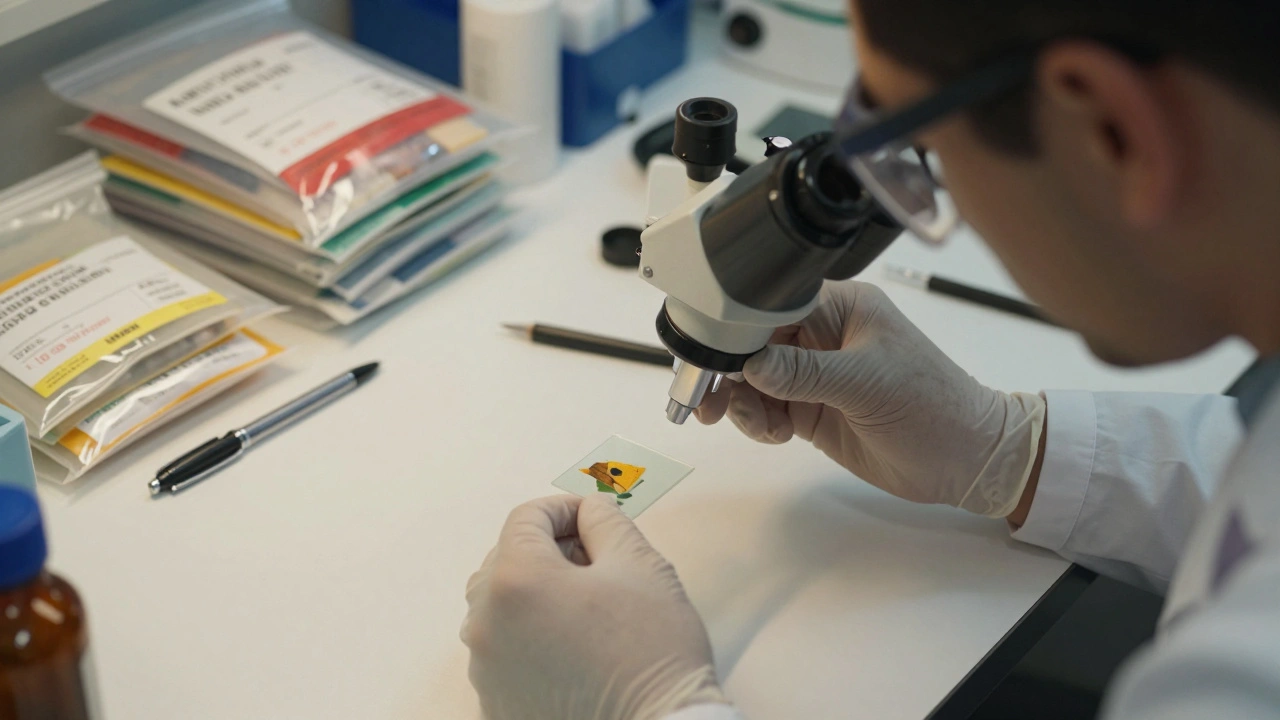
The concept of chain of custody is critical. This is the documented trail showing who handled the evidence and when. If the chain breaks, the evidence can be thrown out, regardless of how obvious the guilt seems. Forensic chemists must understand proper packaging procedures and legal frameworks. You are guarding the integrity of the justice system. If the paperwork fails, the science fails.
Career Pathways and Hiring Standards
Getting hired as a forensic chemist is a multi-step marathon. Educational requirements typically mandate a bachelor's degree in biology, chemistry, or a related area. Specific coursework often requires a minimum of 25 credit hours in chemistry, including Organic Chemistry. Some jurisdictions accept formal forensic laboratory training programs in place of entry-level experience, but many expect one year of prior experience in seized drugs identification.
Government agencies like the DEA hire rigorously. Their hiring process may take up to 6 months or longer. It includes multiple components such as a panel interview, writing assessment, chemistry knowledge examination, and a polygraph examination. They also conduct full-field background investigations. Applicants must possess a valid driver's license and pass drug tests. Federal positions recruit from all levels of experience, ranging from recent college graduates to highly experienced chemists.
Specialized roles exist within the broader field. You might start as a forensic science technician and move into a crime laboratory chemist role. Others branch into toxicologist roles or wildlife forensic scientist positions. On-the-job training varies by specialty. DNA analysis training typically requires 6 to 12 months, while firearms analysis training can take up to 3 years. Regardless of specialization, passing proficiency tests before handling cases independently is mandatory.

Compensation and Working Conditions
Money matters. Compensation varies significantly by jurisdiction and experience. In areas like Tampa, Florida, posted salary ranges show roughly $70,200 to $107,952 annually. Federal positions often offer higher starting points, though cost of living adjustments play a role. Entry-level pay might feel modest compared to private industry chemistry jobs, but the stability of government work compensates for that.
The environment comes with challenges. You operate within a forensic laboratory setting that handles body parts and fluids. Samples may contain blood, saliva, or semen processed with chemicals known to be carcinogenic or toxic. Safety protocols are strict, but exposure risk exists. You often remain stationary for extended periods at a keyboard or microscope. Physical stamina isn't just about lifting; it's about sitting focused for hours.
Pressure is constant. Law enforcement personnel demand rapid results. Balancing speed with accuracy is a daily negotiation. When testifying, you face psychological stress. Different parties may attempt to influence findings, requiring high integrity. Remaining unemotional and unaffected is crucial to maintaining professional objectivity. This resilience is not always taught in school; it develops through experience and mentorship.
Professional Competencies Beyond Science
A degree covers the chemistry; it doesn't cover the mindset. Forensic chemists require diverse professional competencies beyond the bench. Attention to detail is non-negotiable. Missing a decimal point in a calculation can ruin a trial. You must demonstrate versatility and patience. Technical writing skills are essential because detailed reporting is fundamental. You write every step meticulously so another chemist can replicate your exact results.
Continuous development is expected. Forensic chemists must maintain current knowledge of forensic accreditation bodies and processes. Staying informed about advanced seized drugs examination techniques keeps you employable. Understanding the history of forensic chemistry helps contextualize current practices. Throughout your career, staying current with technological advances in both collection and analysis is required.
This profession bridges scientific analysis with legal proceedings. It demands a unique combination of rigorous analytical skills and psychological resilience. The work supports police investigations and contributes to evidence presented in court trials. Ultimately, it ensures that crime scenes are reviewed with appropriate scientific expertise.
Do I need a Master's degree to work as a forensic chemist?
Not always. Many entry-level positions accept a bachelor's degree with at least 25 credit hours in chemistry. However, specialized roles or senior researcher positions may prefer or require a Master's degree.
What is the hiring timeline for government labs?
Agencies like the DEA have lengthy processes. Expect the hiring cycle to take up to 6 months or longer due to background checks, polygraphs, and security clearances.
How much time is spent in court versus the lab?
It depends on the case load, but drug analysts testify frequently. Most of the week is spent in the lab, but travel time for trials adds up unexpectedly.
Can I work in the private sector instead of law enforcement?
Yes, though 90% are employed by federal, state, or local police departments. Private contractors sometimes hire for independent testing or insurance investigations.
What safety risks are involved?
You handle potentially toxic or carcinogenic substances. Proper PPE is mandatory. The biggest risk is usually repetitive strain injury from microscope work.