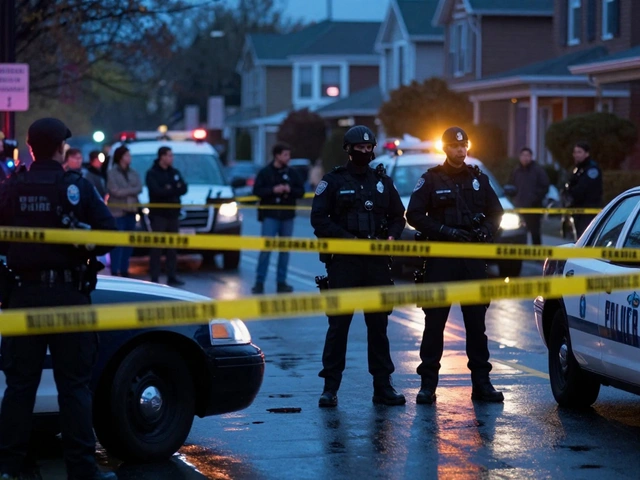
Imagine standing at the edge of a chaotic street where sirens wail and police tape flutters in the wind. Cameras flash from every angle, neighbors watch from behind windows, and reporters shout questions at officers trying to secure evidence. This scene is common in high-profile cases, but without strict management, the investigation can crumble before it begins. Managing the public and media at a crime scene is not just about keeping order; it is about protecting the integrity of the evidence and the privacy of those involved.
When a serious incident occurs, the immediate priority is life safety, followed by scene security. However, the human element-reporters, curious onlookers, and social media users-adds a layer of complexity that can derail an investigation if ignored. Officers must balance the public's right to know with the necessity of a secure environment. This balance requires clear protocols, trained personnel, and a deep understanding of legal boundaries.
The Role of the Public Information Officer
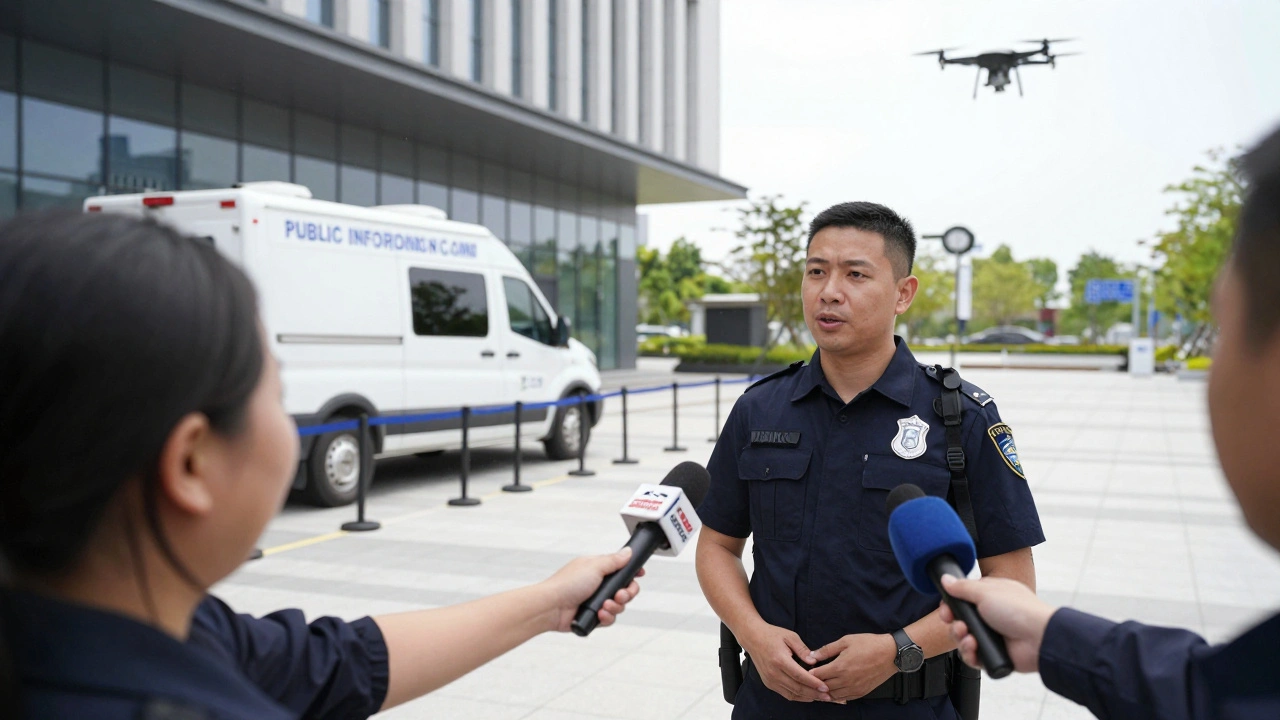
At the heart of managing public information is the Public Information Officer (PIO). This individual acts as the bridge between law enforcement agencies and the public. Unlike uniformed officers focused on evidence collection, the PIO focuses on communication. Their job is to release accurate information while preventing speculation that could harm the case.
A PIO does not simply read a press release. They monitor social media feeds, identify misinformation, and coordinate with other agencies to ensure a unified message. In modern policing, a PIO often works from a mobile command center or a designated press area away from the active scene. This separation allows investigators to work without distraction while still keeping the community informed.
Without a designated PIO, information leaks can occur through individual officers speaking off the record. This inconsistency creates confusion and erodes public trust. The PIO ensures that every statement released is vetted for accuracy and legal compliance. They also manage the timing of releases, knowing that premature information can alert suspects or compromise witness safety.
Establishing the Perimeter and Media Lines
Physical security is the first line of defense against unauthorized access. When officers arrive, they establish an inner perimeter to protect evidence and an outer perimeter to control traffic and people. The outer perimeter is where media and bystanders are managed. This area must be large enough to accommodate press vehicles without blocking emergency access routes.
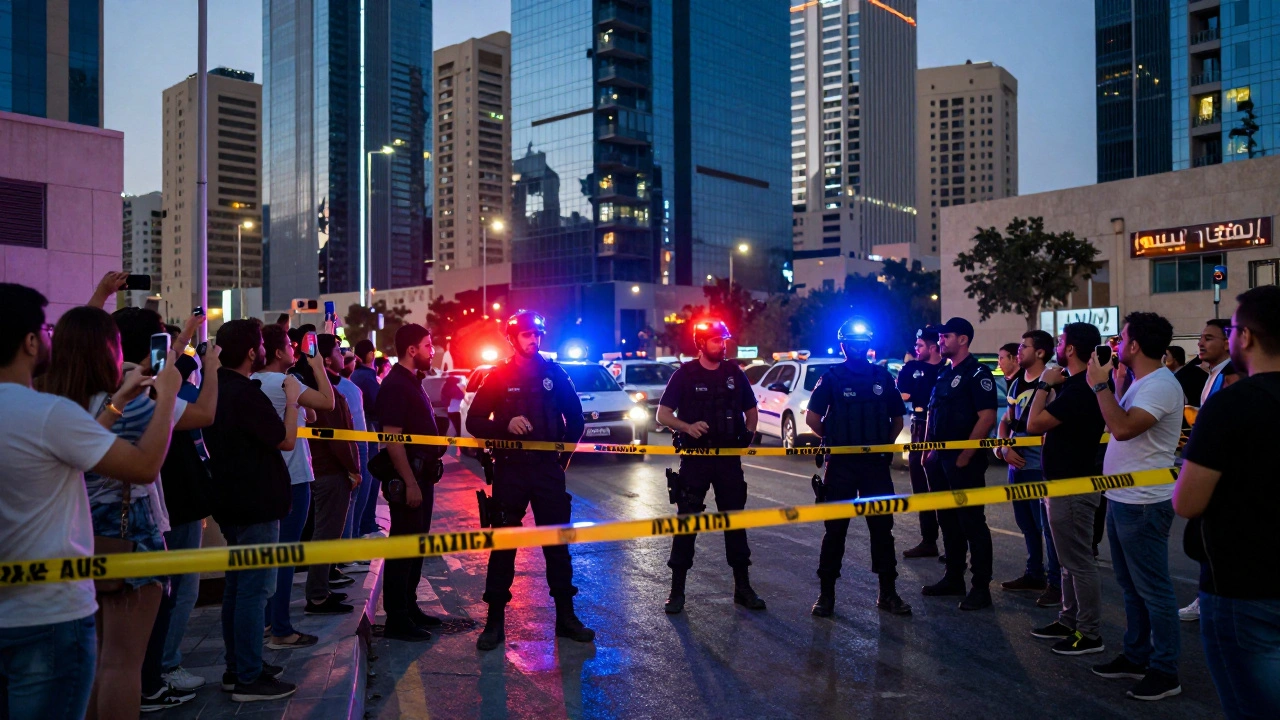
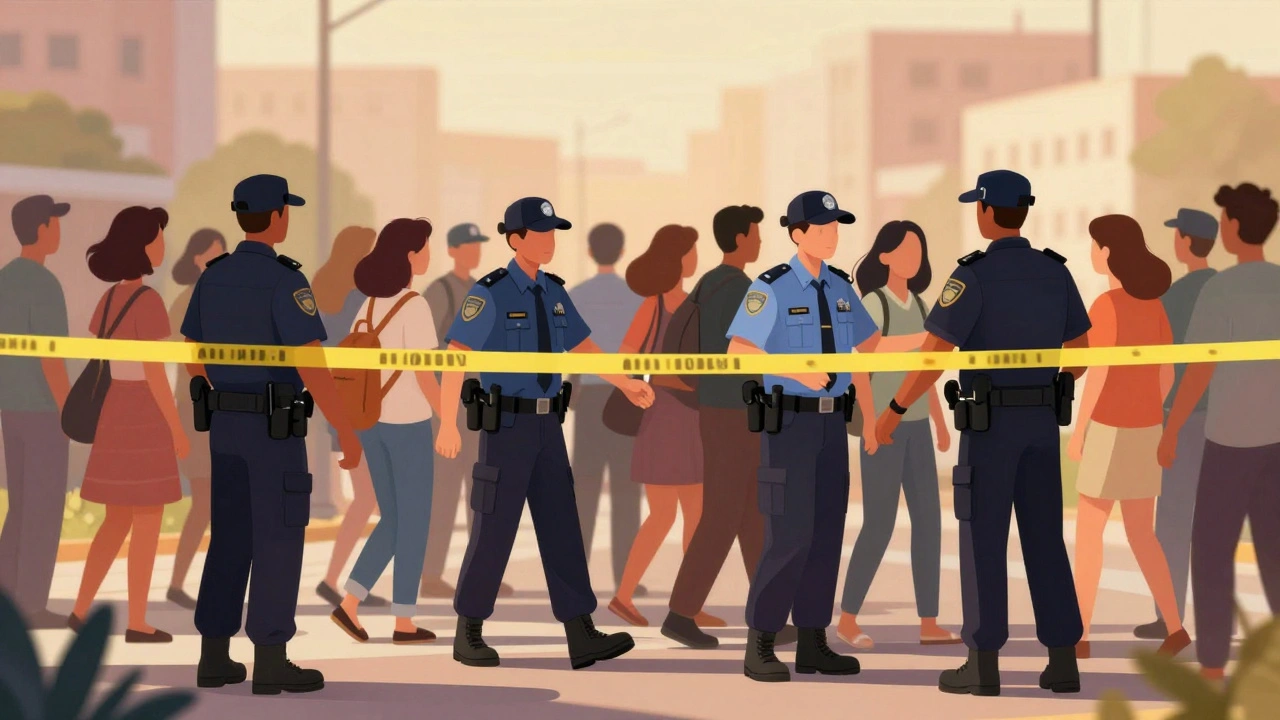
Creating a Media Line is a standard practice in major incidents. This designated area allows reporters to film and take photographs without entering the crime scene. Officers stationed at this line ensure that cameras do not cross the boundary into the secure zone. It is crucial that this line is clearly marked with tape or signage to avoid accidental violations.
Technology plays a significant role here. Drones are increasingly used by news organizations to capture aerial footage. Law enforcement must have policies regarding airspace control. In many jurisdictions, police can restrict drone flights over an active scene to prevent evidence contamination or safety hazards. Officers need to communicate these restrictions clearly to media personnel to avoid legal disputes.
Managing Bystanders and Crowd Control
Bystanders are not just passive observers; they can become witnesses, potential suspects, or sources of contamination. When a crowd gathers, it creates a safety risk for officers and can obstruct emergency vehicles. Effective crowd control involves directing people away from the scene while respecting their rights.
Officers should use verbal commands and physical barriers to guide the public. It is important to explain why they are being moved without being aggressive. A clear explanation, such as "We are securing evidence for a homicide investigation," often gains cooperation better than a generic order to move. This transparency helps reduce frustration among community members.
Witnesses within the crowd require special handling. If a bystander claims to have seen something, they should be moved to a secure location for interviewing. Leaving them in the crowd risks them being influenced by what they hear from others or seeing evidence they should not see. The PIO or a detective should take charge of witness management to prevent contamination of testimony.
Legal and Ethical Considerations
The intersection of public information and law enforcement is governed by legal frameworks. The First Amendment protects the press's right to gather news in public spaces. However, this right does not extend to trespassing on private property or interfering with official duties. Officers must understand the difference between a public street and a secured crime scene.
Victim privacy is another critical ethical concern. Releasing names or photos of victims before next of kin are notified is a violation of protocol and often the law. The PIO must ensure that all released information respects the dignity of the deceased and the trauma of the survivors. This includes redacting names from public reports and avoiding graphic descriptions of injuries.
Open records laws vary by state. In some areas, crime scene photos are public record, while in others, they are restricted during an active investigation. Officers must know their local regulations to avoid lawsuits. Missteps in this area can lead to legal challenges that distract from the investigation and damage the agency's reputation.
Communication Strategies and Misinformation
In the digital age, information spreads faster than official statements. Social media platforms allow bystanders to post live video of a scene within minutes. This can lead to the spread of rumors about the suspect or the nature of the crime. The PIO must monitor these platforms to identify false narratives early.
A proactive communication strategy involves setting up a dedicated website or social media account for the investigation. This provides a single source of truth for the public. Regular updates, even if they simply state "no new information," help manage expectations and reduce speculation. Silence can be interpreted as hiding something, which fuels conspiracy theories.
When misinformation spreads, the agency must correct it calmly and factually. Accusations or aggressive rebuttals can escalate tensions. Instead, the PIO should present evidence-based corrections without attacking the source of the rumor. This maintains credibility and keeps the focus on the investigation.
Practical Scenarios and Best Practices
Consider a scenario where a high-profile arrest happens in a busy downtown area. Media vans surround the block, and pedestrians are filming. The response team must coordinate traffic control, evidence collection, and media management simultaneously. A pre-established plan is essential.
Best practices include designating a specific time for press briefings. This allows officers to work without interruption for set periods. It also gives media outlets a predictable schedule for their coverage. Another practice is using a liaison officer who speaks directly to media representatives to answer non-sensitive questions on the spot.
Training is vital for all personnel involved. Officers should practice media interaction during drills so they do not freeze or speak out of turn during a real event. Role-playing scenarios where reporters push for information helps build resilience. Every officer needs to know the rule: "No comment, refer to the PIO."
| Strategy | Benefit | Risk |
|---|---|---|
| Designated Media Line | Protects evidence integrity | Requires extra personnel |
| Social Media Monitoring | Controls misinformation | Resource intensive |
| Regular Briefings | Builds public trust | May release sensitive info if not careful |
These strategies work best when integrated into a broader operational plan. Agencies that treat media management as an afterthought often face public backlash. By prioritizing communication, law enforcement can maintain cooperation from the community even during difficult investigations.
Challenges in Modern Crime Scene Management
Modern technology introduces new challenges. Cell phones are ubiquitous, meaning almost everyone at a scene has a camera. This makes it harder to control what images are released. Officers must be prepared for the possibility that photos will leak regardless of their efforts.
Another challenge is the speed of news cycles. In the past, news waited for the next day's broadcast. Now, news updates every minute. The PIO must be ready to provide information on demand without compromising the case. This requires a high level of preparation and access to real-time investigation data.
Community relations also play a role. In diverse neighborhoods, cultural sensitivity is key. Misunderstandings about police procedures can lead to unrest. The PIO should be aware of community dynamics and tailor communication to address specific concerns. Building relationships with local leaders before a crisis helps during the response.
Training and Preparation for Officers
Every officer should receive basic training in media interaction. This includes knowing how to handle questions, when to stop talking, and how to direct inquiries to the PIO. Advanced training for PIOs involves crisis communication, legal standards, and psychological support for victims' families.
Agencies should conduct joint exercises with media representatives. This helps build mutual understanding. Reporters learn the constraints officers face, and officers learn how media operates. This collaboration reduces conflict during actual incidents.
Finally, after-action reviews are essential. Following a major incident, the team should evaluate what worked and what did not. Did the media line hold? Was information accurate? Were bystanders managed safely? Continuous improvement ensures better performance in future events.
What is the primary role of a Public Information Officer at a crime scene?
The Public Information Officer (PIO) manages communication between law enforcement and the public. They release accurate information, correct misinformation, and ensure that media access does not interfere with the investigation.
Can the media film at a crime scene?
Media can film in public areas but cannot cross the established perimeter or interfere with officers. A designated media line is usually set up to allow filming without compromising evidence.
How should bystanders be handled during an investigation?
Bystanders should be directed away from the scene for safety and to prevent evidence contamination. If they are witnesses, they should be moved to a secure location for interviewing.
What legal rights do the press have at a crime scene?
The First Amendment protects the press's right to gather news in public spaces. However, they cannot trespass on private property or obstruct official duties. Officers can enforce scene security legally.
Why is controlling social media important during a crime investigation?
Social media can spread misinformation quickly. Controlling the narrative helps prevent rumors that could jeopardize the investigation or endanger suspects and witnesses.
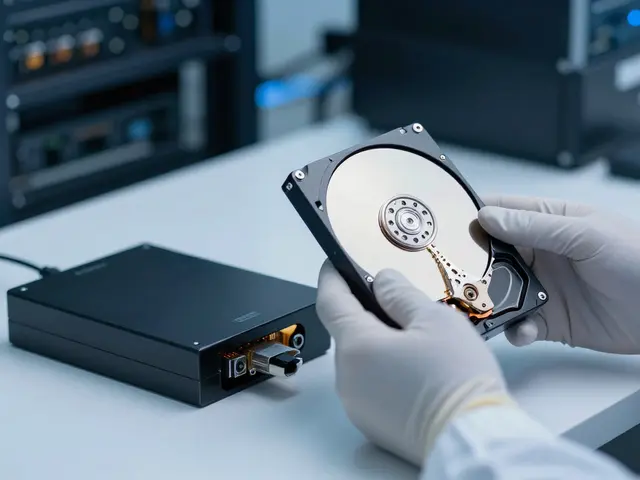
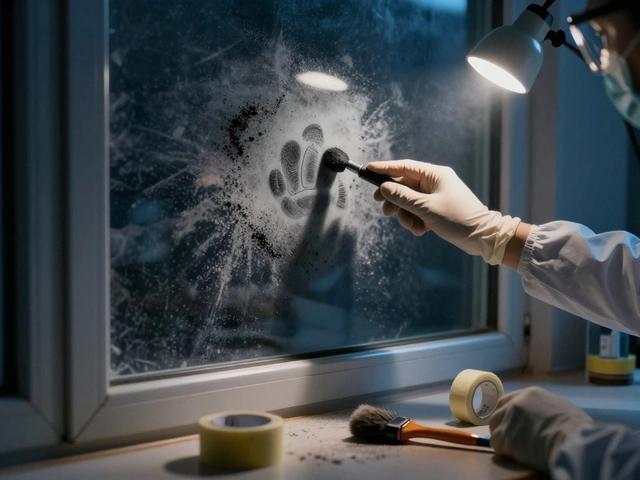
Managing a crime scene involves more than just collecting evidence. It requires a coordinated effort to handle the public eye. When done correctly, it protects the investigation and maintains community trust. When done poorly, it can lead to legal issues and public distrust. The balance is delicate but achievable with the right training and protocols.