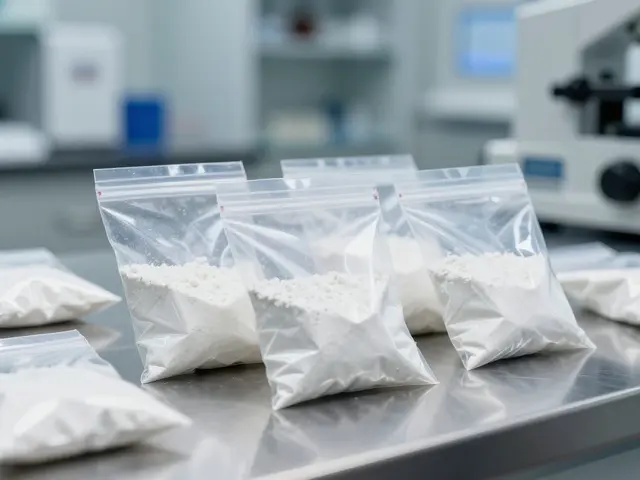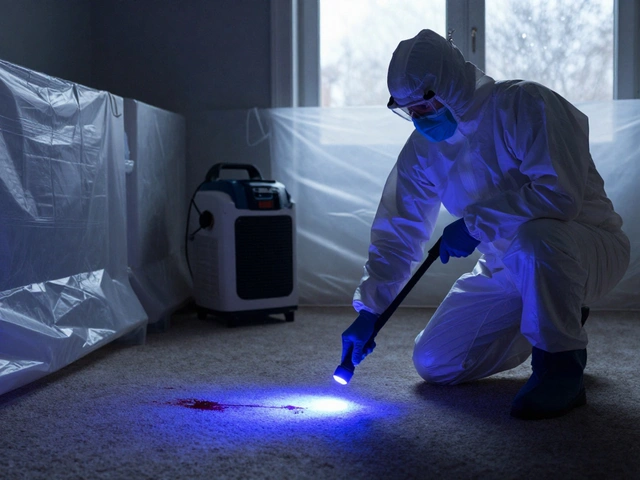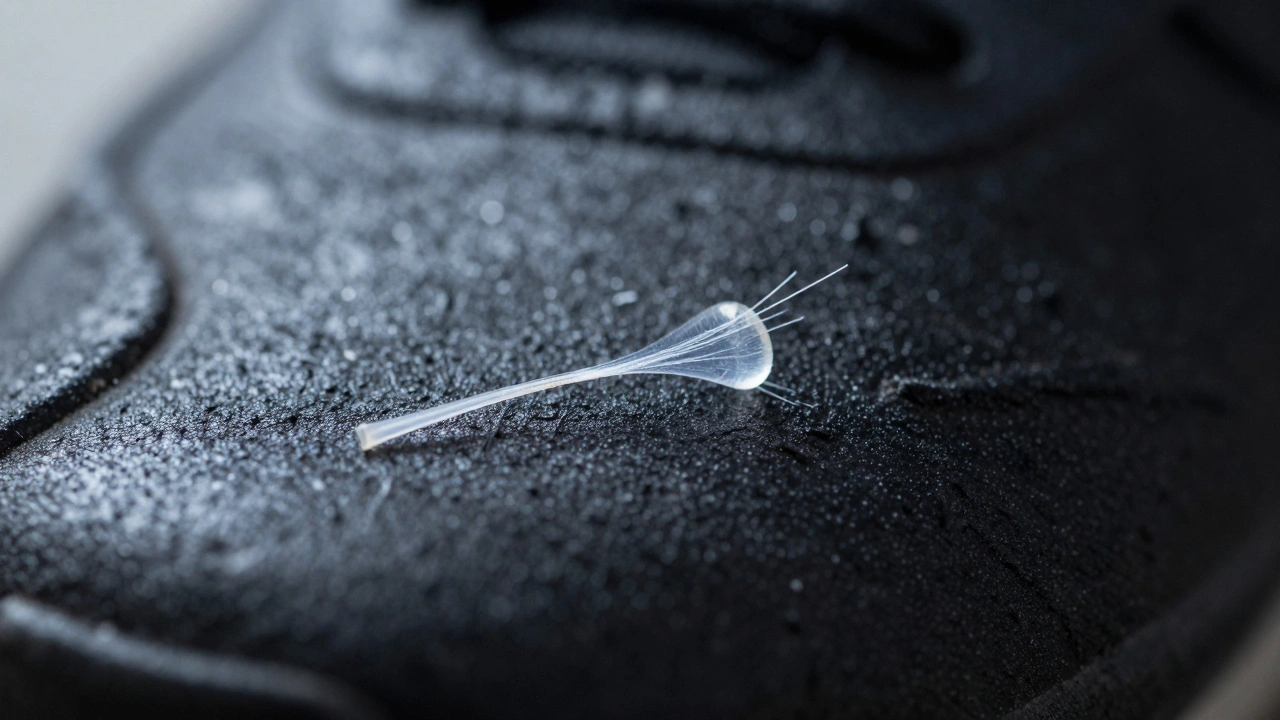
Imagine finding a single, microscopic fiber on a suspect’s shoe. In the past, this might have been dismissed as common dust. Today, that fiber could be a microplastic is a plastic particle measuring 5 millimeters or smaller, originating from degraded products or intentional manufacturing. As these particles permeate every corner of our environment, they are becoming a critical component in modern forensic investigations. But here is the catch: while their presence is undeniable, pinpointing exactly where they came from is one of the toughest challenges in forensic science today.
The Ubiquity Problem: Why Microplastics Are Everywhere
To understand why microplastics are such a tricky form of trace evidence is minute physical material left at a crime scene that can link a suspect to a location or victim, you first have to grasp how pervasive they are. We are not talking about rare anomalies. We are talking about a global contaminant found in rain, sea ice, deep-sea sediments, and even inside human bodies.
Since the term was coined in 2004, researchers have confirmed that microplastics are present in over 1,300 aquatic and terrestrial species. They are found in urban dust, agricultural fields, and remote mountain peaks. This ubiquity creates a "background noise" problem for investigators. If microplastics are everywhere, how do you prove that a specific particle found on a defendant’s clothing originated from a specific victim’s home or a specific crime scene?
The sheer volume of plastic in the environment exacerbates this issue. Scientists estimate there are between 8 and 10 million metric tons of plastics in the oceans alone. On land, the situation is equally saturated. For a forensic scientist, this means that simply finding a microplastic is no longer enough. The context, the type, and the unique chemical signature of the particle become the only things that matter.
Primary vs. Secondary Sources: Mapping the Origin
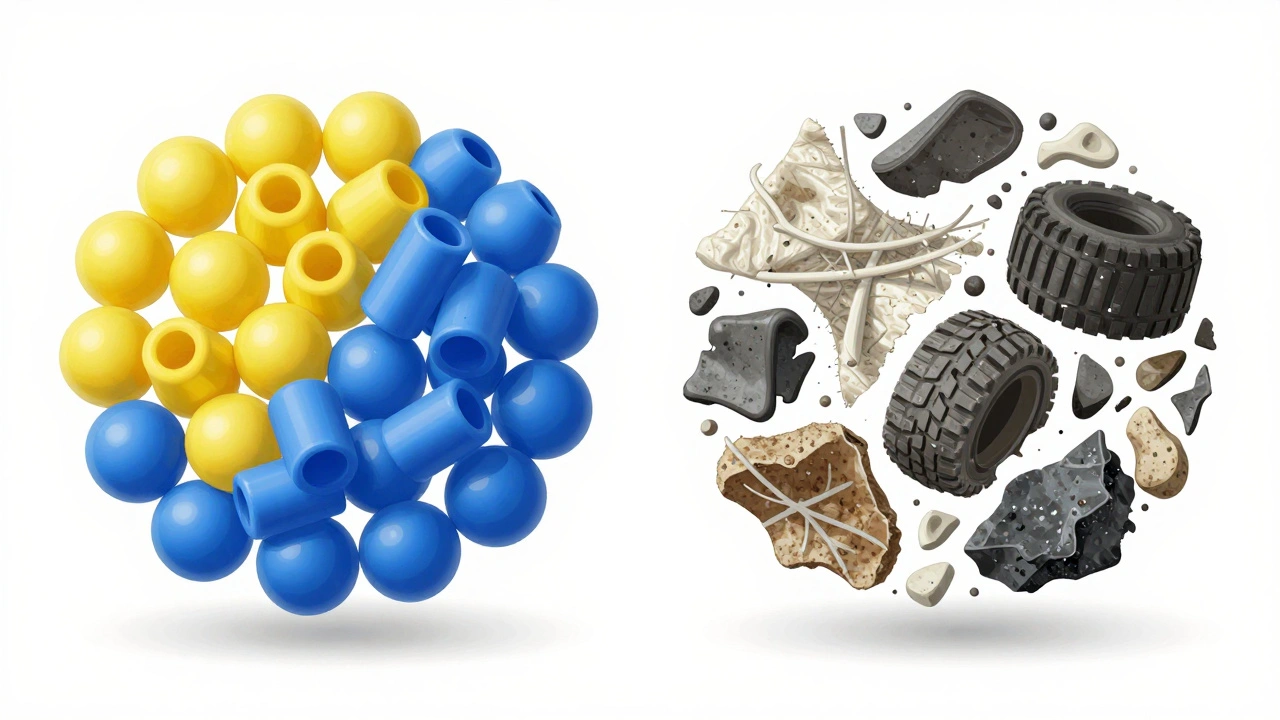
Not all microplastics are created equal. Understanding their origin is the first step in any forensic analysis. Sources are generally divided into two categories: primary and secondary.
Primary microplastics are intentionally manufactured small particles. You find them in cosmetics (like exfoliating beads), paints, and industrial pellets known as nurdles. These particles often have distinct shapes-spheres, cylinders, or irregular chunks-and consistent chemical compositions because they come from a controlled manufacturing process.
Secondary microplastics result from the breakdown of larger plastic items. This includes:
- Synthetic textile fibers shed during washing (polyester, nylon).
- Tire wear particles from vehicles (rubber-plastic composites).
- Fragments from road markings and marine coatings.
- Fragmentation of larger debris like bottles and bags due to UV exposure and mechanical abrasion.
In a forensic context, this distinction matters. A spherical bead found at a scene might point to a specific cosmetic product used by a victim. A polyester fiber might link a suspect to a specific brand of clothing or upholstery. However, because secondary sources are so common, isolating a unique match requires looking beyond just the polymer type.
The Attribution Challenge: Polypropylene and Beyond
The biggest hurdle in using microplastics as trace evidence is source apportionment is the process of identifying the specific origins of pollutants or materials in a given sample. Let’s take polypropylene (PP) as an example. PP is used in everything from food packaging and car interiors to furniture and electronics. If you find a polypropylene fragment on a suspect’s jacket, does it mean they were at a specific auto repair shop? Or did they just eat lunch from a takeaway container?
This overlap makes definitive source attribution incredibly difficult. Unlike DNA, which is unique to an individual, or fingerprints, which are unique to a person, microplastics share common chemical signatures across millions of products. To overcome this, forensic experts look for:
- Additives and Dyes: Manufacturers add flame retardants, stabilizers, and pigments to plastics. These additives can create a unique chemical fingerprint that differs from standard polymer resin.
- Morphology: The shape, size, and surface texture of a particle can indicate its source. Treadwear particles look different from textile fibers, which look different from fragmented bottle caps.
- Weathering Patterns: Particles exposed to sunlight, saltwater, or mechanical stress develop unique surface degradation patterns that can help estimate how long they have been in a specific environment.
Without analyzing these subtle attributes, a microplastic is just another piece of pollution. With them, it becomes a potential link in the chain of evidence.
Collection and Contamination: The Lab Reality
If you’ve ever worn a synthetic shirt to work, you know that you shed hundreds of fibers every day. This poses a massive risk of contamination in forensic settings. Investigators must treat microplastic evidence with extreme caution, similar to how they handle biological evidence.
Standard collection protocols involve:
- Using cotton gloves and non-synthetic brushes to avoid introducing foreign fibers.
- Collecting samples in glass containers rather than plastic ones.
- Documenting the exact location and depth of the sample, especially in soil or sediment cases.
- Running blank controls alongside every batch of samples to identify lab-introduced contaminants.
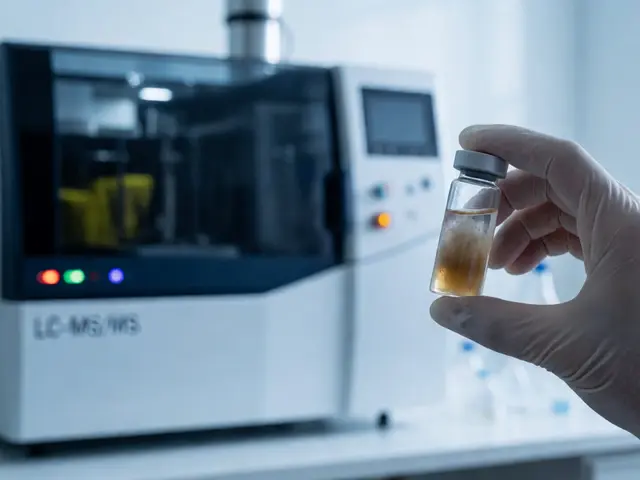
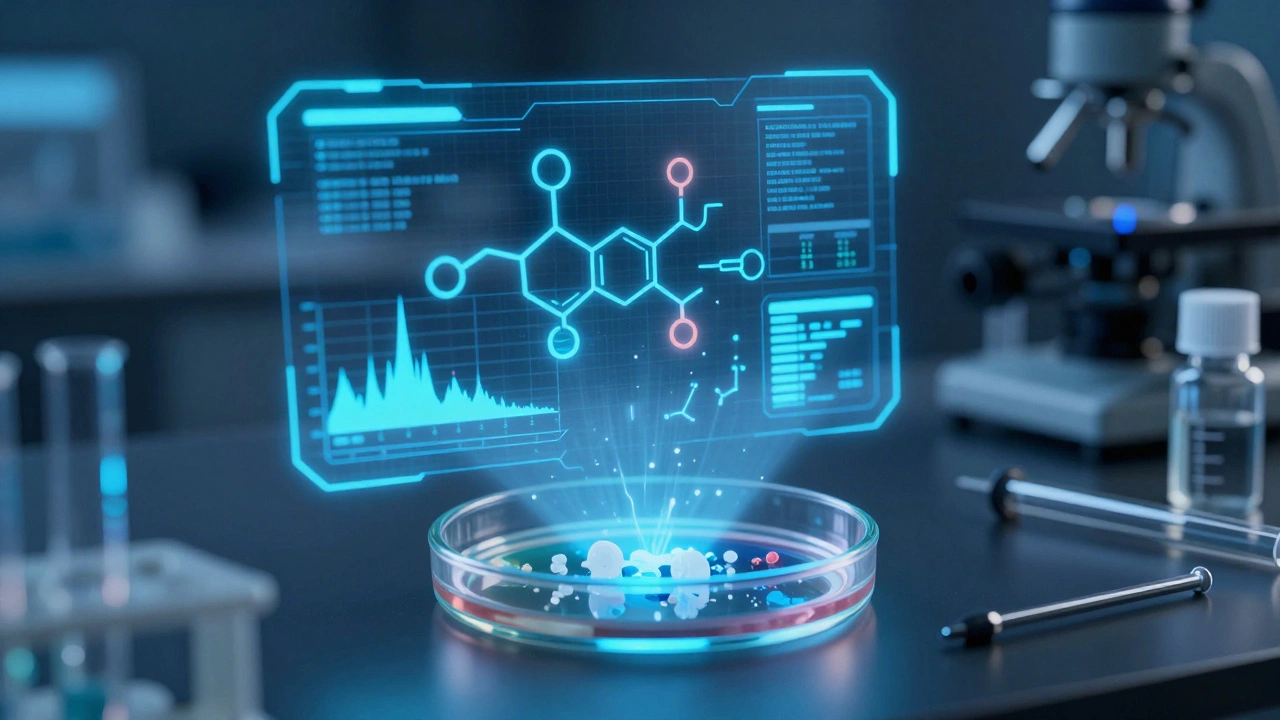
Once collected, the samples undergo rigorous cleaning and digestion processes to remove organic matter, leaving only the plastic particles. Techniques like Fourier-transform infrared spectroscopy (FTIR) and Raman spectroscopy are then used to identify the polymer type. For more detailed chemical profiling, mass spectrometry may be employed to detect trace additives.
Legal Admissibility and Scientific Standards
For microplastics to hold up in court, the methods used to collect and analyze them must meet strict scientific standards. Currently, there is no universal framework for forensic microplastic analysis. This lack of standardization is a major concern for legal professionals.
Courts typically require evidence to be reliable, reproducible, and based on accepted scientific principles. While the detection of microplastics is well-established, the interpretation of their significance is still evolving. Defense attorneys can argue that the presence of microplastics is coincidental due to their ubiquitous nature. To counter this, forensic scientists must provide robust statistical data showing the rarity of the specific combination of polymer, additive, and morphology found in the evidence.
Recent studies highlight the need for harmonized methods and shared particle libraries. Without these resources, each lab may use slightly different protocols, leading to inconsistent results that can be challenged in court. The goal is to move from simple identification ("This is polyethylene") to probabilistic matching ("This polyethylene fragment has a 99% likelihood of originating from this specific type of packaging").
| Polymer Type | Common Sources | Forensic Utility | Identification Difficulty |
|---|---|---|---|
| Polypropylene (PP) | Packaging, automotive parts, textiles | Low (very common) | High (requires additive analysis) |
| Polyethylene (PE) | Bags, films, bottles | Medium | Medium |
| Polyester (PET) | Clothing fibers, beverage bottles | High (distinct fiber morphology) | Low |
| Polystyrene (PS) | Food containers, insulation, beads | Medium | Low |
| Nylon (Polyamide) | Hosiery, carpets, fishing nets | High (specific dye/additive profiles) | Medium |
Future Directions: Standardization and Technology
The field of forensic microplastics is rapidly evolving. Future advancements will likely focus on improving the resolution of analytical techniques and establishing standardized reference databases. Imagine a global database where forensic scientists can upload the chemical profile of a microplastic particle and instantly compare it against millions of known products. This would transform microplastics from a vague indicator of contact into a precise tool for linking suspects to scenes.
Additionally, research into the health impacts of microplastics may indirectly benefit forensic science. As we learn more about how microplastics interact with biological systems, we may discover new ways to detect their presence in human tissues, potentially opening up new avenues for post-mortem investigations.
However, progress depends on collaboration. Forensic scientists, toxicologists, and environmental researchers must work together to develop unified frameworks. Only then can microplastics become a reliable and admissible form of trace evidence in courts around the world.
Can microplastics definitively link a suspect to a crime scene?
Not on their own. Due to their ubiquity, microplastics are best used as corroborative evidence. They can support other findings but rarely provide a standalone definitive link unless unique additives or morphologies are identified.
What is the most common type of microplastic found in forensic samples?
Fibers, particularly from synthetic textiles like polyester and nylon, are the most common morphology detected in indoor air and on surfaces, accounting for over 70% of particles in many studies.
How do forensic scientists prevent contamination when collecting microplastics?
Investigators use cotton gloves, non-synthetic tools, and glass containers. They also run blank control samples to identify and subtract any contaminants introduced during the collection or analysis process.
Why is source apportionment difficult for microplastics?
Many polymers, like polypropylene, are used in a wide variety of consumer products. Without analyzing specific additives, dyes, or weathering patterns, it is nearly impossible to distinguish between particles from different sources.
Are microplastics currently admissible in court?
Yes, but with caveats. Courts accept them if the collection and analysis methods are scientifically sound and properly documented. However, defense attorneys often challenge their probative value due to the lack of standardized reference databases.
What technologies are used to identify microplastic polymers?
Fourier-transform infrared spectroscopy (FTIR) and Raman spectroscopy are the primary tools. Mass spectrometry is used for deeper chemical profiling to detect additives and contaminants.
Do primary and secondary microplastics differ in forensic value?
Yes. Primary microplastics (like cosmetic beads) often have uniform shapes and chemical signatures, making them easier to trace to specific products. Secondary microplastics (like tire wear) are more variable and harder to attribute to a single source.