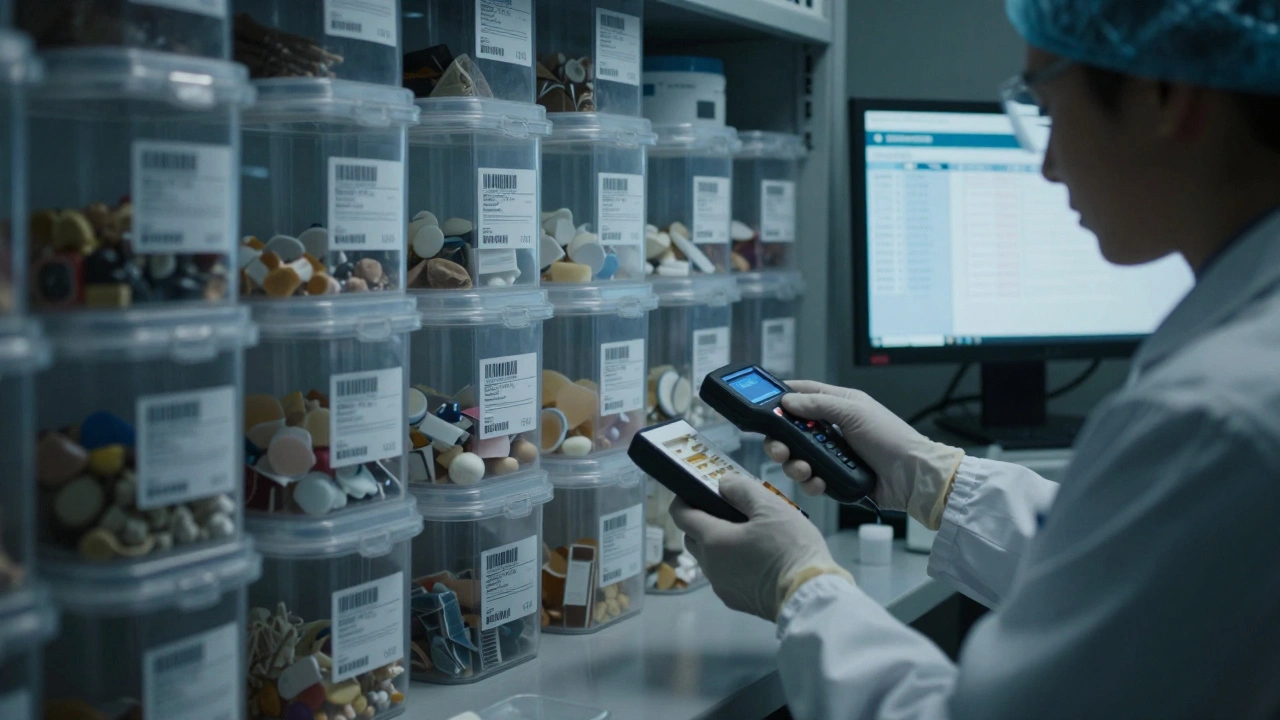
When a case goes cold, the evidence doesn’t. It sits in storage, often forgotten, but still holding answers. The difference between a case that stays cold and one that finally gets solved often comes down to one thing: how well that evidence was handled from day one. Accreditation standards for law enforcement agencies aren’t just paperwork-they’re the backbone of turning decades-old evidence into justice.
Why Cold Case Evidence Needs Special Handling
Not all evidence is treated the same. A bloody shirt from a 1995 murder might seem like just another item in an evidence locker. But today’s DNA techniques can extract a full profile from a single hair or a drop of sweat that was invisible 30 years ago. The problem? If that shirt wasn’t labeled correctly, stored properly, or logged into a system that tracks who touched it, it’s useless now-even if the science has advanced. Accreditation standards, like those from the Commission on Accreditation for Law Enforcement Agencies (CALEA), force agencies to treat cold case evidence like a live investigation. That means every item must have a clear chain of custody, documented storage conditions, and a digital record that can’t be altered. Without these rules, evidence degrades, gets misplaced, or worse-gets thrown out by accident.The Role of Accreditation: CALEA and NIJ Frameworks
CALEA doesn’t just recommend best practices. It requires them. Agencies seeking or maintaining accreditation must prove they have systems in place to audit evidence at least once a year. That’s not a suggestion. It’s a condition of being certified as a professional law enforcement agency. The National Institute of Justice (NIJ) built on this with 23 formal best practices for cold case units. One of the most critical? Define what a cold case actually is. The Houston Police Department sets the bar at three years with no active leads. That’s not arbitrary. It forces agencies to stop treating cold cases as “maybe later” and start treating them as active investigations. Another key standard: every cold case must be entered into a computerized case management system. This isn’t a spreadsheet. It’s a secure digital repository that stores scans of reports, high-res photos of evidence, audio interviews, and even video reconstructions. Each file is tagged with the evidence ID, collection date, handler name, and testing history. This system doesn’t just store data-it connects dots. If a DNA profile from a 2024 cold case matches a profile from a 2003 rape kit, the system flags it instantly.How Evidence Is Managed: Physical and Digital Chains of Custody
Physical evidence doesn’t last forever. Biological samples like blood, saliva, or hair degrade if stored at the wrong temperature. The National Institute of Standards and Technology (NIST) has clear guidelines: biological evidence must be kept at or below 4°C, in sealed containers, with humidity control. Employees handling this evidence must be trained-not just once, but annually. But physical storage is only half the battle. Digital chains of custody are just as vital. Every time evidence is moved, photographed, or tested, the system logs who did it, when, and why. No handwritten notes. No sticky notes on file folders. Everything is tracked, timestamped, and encrypted. This isn’t theoretical. In Plantation, Florida, a routine CALEA audit uncovered two untested rape kits from 1982 and 1983. That audit led to a full inventory. They found 22 more. All were sent for DNA analysis. Some of those cases are now being prosecuted. That didn’t happen because someone remembered. It happened because the system forced them to look.Who Handles Cold Cases? Structure and Staffing
Cold case units can’t be an afterthought. They need to be formal, standalone teams with dedicated roles. NIJ standards require at least two full-time investigators assigned exclusively to cold cases. They can’t be pulled for patrol duty or traffic stops. Their job is to revisit old evidence with fresh eyes and modern tools. These investigators need experience-minimum five years. They’re not rookies. They’ve seen how investigations go wrong and how evidence gets mishandled. They know which leads were overlooked and why. They also need access to tools. The FBI’s Combined DNA Index System (CODIS) is mandatory. But it’s not just DNA. Genetic genealogy databases, like GEDmatch, are now standard tools for identifying suspects from distant relatives. Pattern recognition software can match tire tracks, tool marks, or even handwriting from decades ago. And they need support. A victim specialist must be part of the team. Not just for empathy-because victims and families have rights. Some don’t want the case reopened. Others need closure. The unit must have protocols for communication, consent, and trauma-informed handling. This isn’t optional. It’s part of accreditation.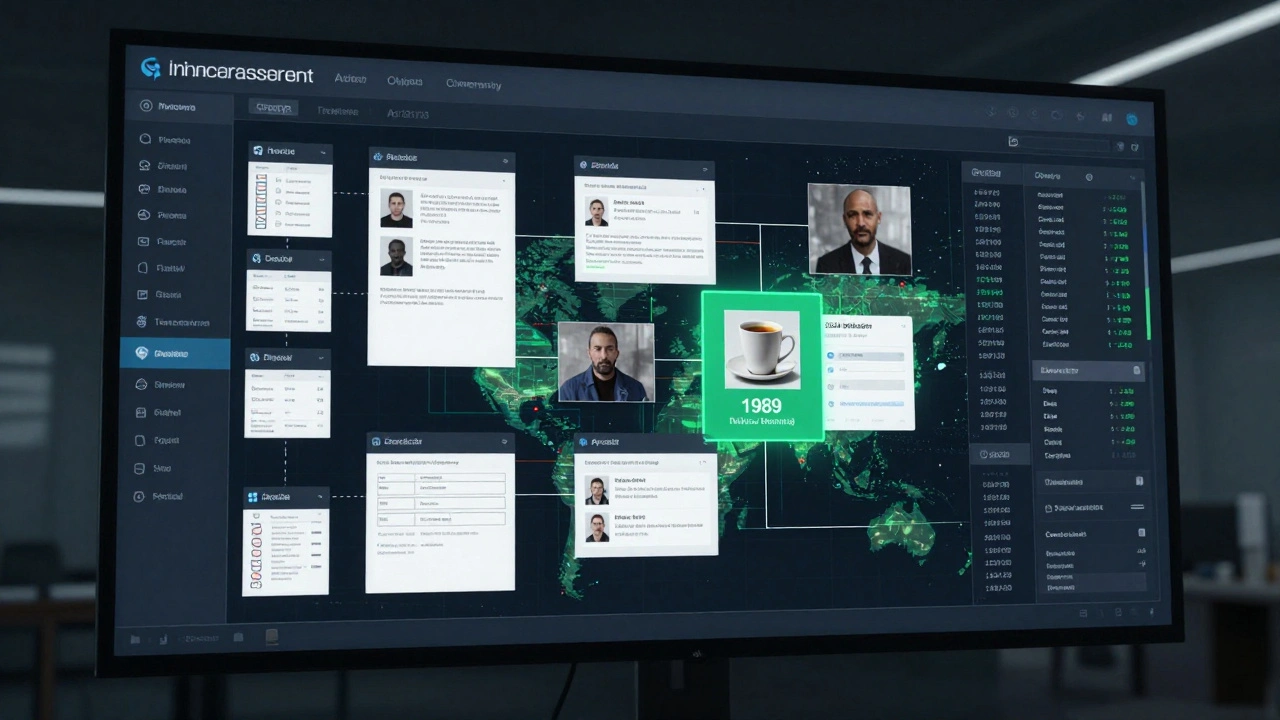
Prosecutors, Labs, and the Chain of Justice
A cold case investigation is useless if it can’t lead to prosecution. That’s why accreditation standards require active prosecutor involvement from day one. Prosecutors don’t just wait for evidence to arrive. They help shape how it’s collected and preserved. Why? Because evidence that’s good enough for an investigation might not hold up in court. If a blood sample wasn’t sealed in the right container, or if the chain of custody has a gap, the defense can knock it out. Prosecutors work with investigators to make sure every step meets legal standards. Forensic labs need accreditation too. ANAB, the ANSI-ASQ National Accreditation Board, certifies labs to ISO/IEC 17025 standards. This ensures that when evidence is sent for analysis, the lab’s methods are reliable, repeatable, and auditable. The Houston Forensic Science Center became one of the first labs to earn this accreditation. Their motto: “Scientific, objective evidence collection is crucial.”Performance Metrics: More Than Just Clearance Rates
Accreditation doesn’t just ask, “How many cases did you solve?” It asks, “How well did you manage the process?” Units must track metrics like:- Number of evidence items re-examined
- Time from evidence retrieval to lab submission
- Percentage of cases with updated digital records
- Number of victim communications logged
- Rate of DNA matches from CODIS
Multi-Agency Cases: Who’s in Charge?
Many cold cases cross city, county, or state lines. A suspect moves. A victim moves. Evidence gets split between agencies. Without clear rules, this becomes a mess. Accreditation requires a lead agency. One entity takes responsibility for coordinating evidence sharing, investigative priorities, and prosecution authority. Everyone else follows a written protocol. No one works in silos. No one loses files because “someone else was supposed to handle it.” This structure made a difference in a 1997 murder case that spanned three states. The lead agency in Oregon pulled all evidence records, synced them into a shared digital repository, and coordinated DNA testing with labs in Washington and California. Within 18 months, they had a suspect. Without that coordination, it would’ve stayed cold.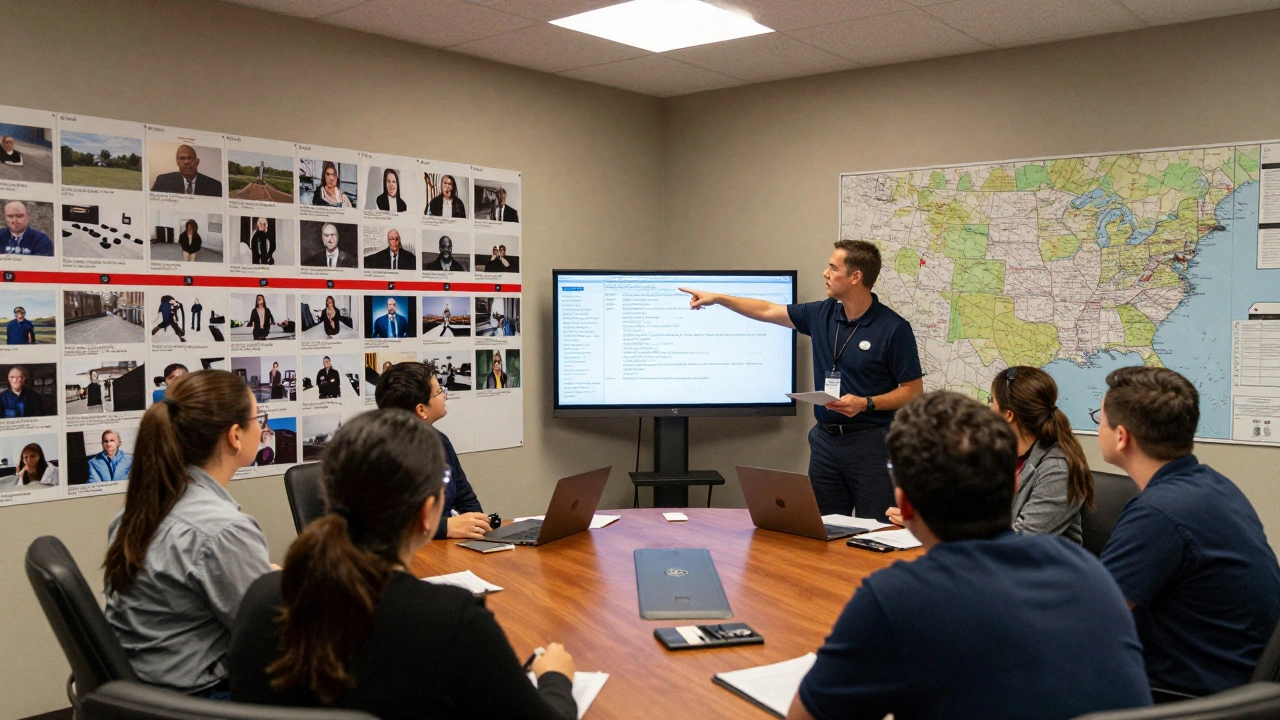
What Happens When Standards Are Ignored?
There’s no penalty for skipping accreditation. But there are consequences. Evidence gets destroyed. A 2018 audit in a mid-sized city found that 17% of cold case evidence had been discarded because no one knew it was still active. Another agency lost a rape kit during a storage move-no log, no chain of custody, no recovery. Without accreditation, agencies rely on memory. And memory fades. People retire. Files get misfiled. Systems aren’t updated. Cases that could’ve been solved with modern DNA tech are lost forever. Accreditation doesn’t guarantee results. But it guarantees that the system is built to find them.Technology Is the Game-Changer
Ten years ago, genetic genealogy didn’t exist. Five years ago, most agencies didn’t have digital evidence systems. Today, they’re essential. New tools are constantly emerging:- AI-powered facial reconstruction from old sketches
- Digital fingerprint enhancement software
- Automated comparison of shoe tread patterns
- Geospatial mapping of crime scenes to identify patterns
Final Thought: Evidence Doesn’t Age-But Systems Do
Cold cases aren’t about old crime scenes. They’re about outdated systems. Accreditation standards force agencies to treat evidence like a living thing-with a history, a value, and a future. Every label, every scan, every audit is a thread in the web that eventually pulls a case into the light. It’s not glamorous. It’s not flashy. But it’s how justice catches up.What happens if a law enforcement agency doesn’t meet accreditation standards for cold case evidence?
If an agency fails to meet accreditation standards, it loses its certification. This doesn’t mean it shuts down, but it loses access to federal grants, forensic lab partnerships, and training programs. More importantly, evidence collected under non-accredited conditions may be challenged in court, weakening prosecutions. Agencies also face public scrutiny and reduced trust from communities.
How long must cold case evidence be preserved?
Accreditation standards require that evidence in unresolved cases be preserved indefinitely. This includes biological samples, clothing, weapons, and digital files. Even if a case seems unsolvable, evidence cannot be destroyed unless a formal review confirms the case is closed with no possibility of future analysis. Many agencies now use digital tagging to automatically flag evidence that should never be discarded.
Can volunteers or academic partners help with cold case investigations?
Yes. Accreditation standards explicitly encourage using nontraditional resources, including university researchers, forensic anthropology students, and retired investigators. Volunteers can assist with document review, database searches, or victim outreach-but they must work under direct supervision. All volunteer activity must be documented and logged in the case management system to maintain chain of custody.
Is DNA the only important forensic tool for cold cases?
No. While DNA is powerful, other tools are equally critical. Fingerprint analysis using enhanced imaging, digital reconstruction of damaged evidence, ballistics matching with modern databases, and even digital footprints from old surveillance footage can provide breakthroughs. The key is not the tool itself, but whether the evidence was preserved in a way that allows these tools to be applied years later.
Do all forensic labs need to be accredited?
Not all, but those handling evidence for criminal prosecution should be. Only accredited labs, certified under ISO/IEC 17025, meet the legal standards for reliability in court. Non-accredited labs may still perform tests, but their results are far more likely to be challenged or dismissed. Accreditation ensures that methods are validated, equipment is calibrated, and analysts are trained to consistent standards.