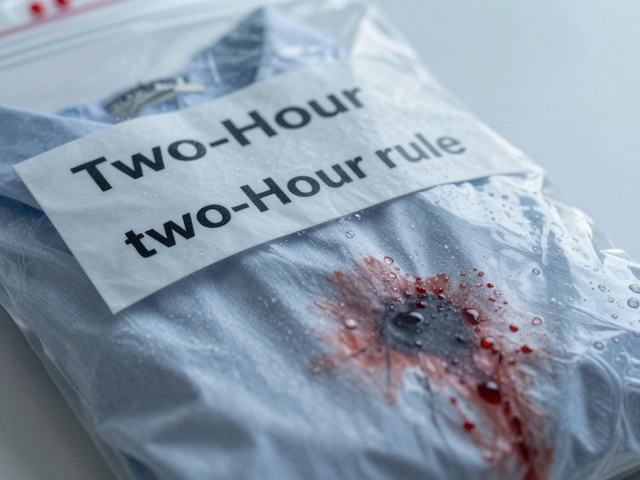
When a homicide occurs, the clock starts ticking-not just for justice, but for case file management. Every phone call, every fingerprint, every witness statement, every photo from the scene-it all has to be captured, stored, and tracked. One misplaced report, one unlogged piece of evidence, and the entire case can unravel. In homicide investigations, where every detail matters, how you manage your case files isn’t just administrative-it’s the difference between conviction and dismissal.
Why Case File Management Matters in Homicide Cases
In a homicide investigation, you’re not just collecting evidence. You’re building a timeline that will be scrutinized in court, challenged by defense attorneys, and reviewed by internal affairs. If documents are scattered across sticky notes, email threads, USB drives, or handwritten logs, you’re already behind. A single missing chain-of-custody form can get forensic evidence thrown out. A confused timeline can make an alibi look credible when it isn’t. That’s why modern homicide units rely on structured case file management systems. These aren’t fancy software tools for office workers-they’re mission-critical systems designed for high-stakes, high-pressure environments. They keep everything tied to one case: autopsy reports, ballistic reports, suspect interviews, surveillance footage, witness statements, and even the coffee cup you found at the scene. All of it. In one place. With timestamps. With access logs. With version control.Core Components of a Homicide Case File System
A solid case file system for homicide investigations has five non-negotiable parts.- Centralized digital repository-Every document, image, audio file, and video is uploaded to a single, encrypted server. No more "I sent it in an email" or "It’s on my laptop at home." Everything lives in the system.
- Case-centric organization-Each homicide case gets its own digital folder. Inside, every related file is attached directly to the case record. No more digging through folders labeled "Crime Scene 2025" or "Evidence Dump." You search by case number, not by guesswork.
- Version control and audit trails-If a report gets updated, the system keeps the original. Who changed it? When? Why? Every edit is logged. This isn’t about blame-it’s about transparency. If the defense questions a report’s authenticity, you can prove it hasn’t been tampered with.
- Role-based access controls-Detectives have full access. Patrol officers see only what’s relevant to their shift. The DA’s office gets read-only access. The coroner’s team sees medical reports only. Permissions are tight, and every access attempt is recorded.
- Automated document capture-Scanned evidence logs, body camera footage metadata, 911 call transcripts-all get pulled into the system automatically. AI helps extract key details: names, dates, locations, weapon types. No manual typing. No typos.
How Disclosure Works-Without Compromising the Case
Disclosure isn’t just handing over files to the defense. It’s controlled, legal, and tracked. In homicide cases, you’re required to share Brady material-anything that could help the defense. But you’re not allowed to release everything. That’s where smart case management systems shine. The system lets you tag files as "Disclosable," "Redactable," or "Restricted." Need to share a witness statement but hide their home address? The system redacts it automatically. Need to send only the autopsy report to the medical examiner’s office? One click. The system logs who received what, when, and how. No more Excel spreadsheets with "Sent?" columns. No more missed deadlines. If a prosecutor asks for all photos from the scene, the system pulls them in seconds-not hours. If a judge orders the release of a suspect’s phone records, the system generates a compliant packet with a chain-of-custody report attached. No manual copying. No risk of accidentally sending something you shouldn’t.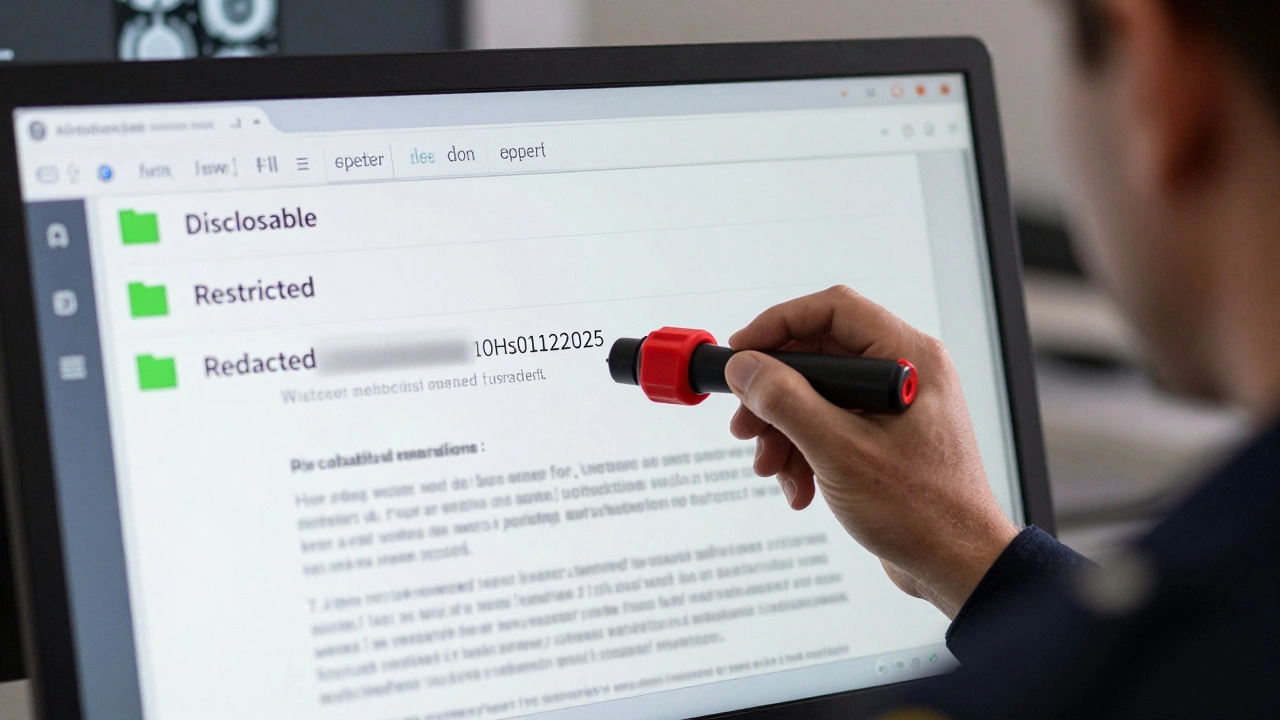
Workflow Automation That Actually Saves Time
In homicide investigations, time is everything. You don’t have weeks to file a warrant. You have hours. A good case management system doesn’t just store files-it runs your workflow.- When a body is found, the system auto-creates a case file, assigns it to the on-call detective, and notifies the coroner, crime scene unit, and evidence techs.
- Deadlines for evidence submission, witness interviews, and warrant applications are auto-set based on department policy. Miss one? The system flags it. Supervisor gets an alert.
- Interview transcripts get auto-linked to the suspect’s profile. Ballistics reports get tied to the weapon recovered. No manual cross-referencing.
- Monthly reports on case closure rates, evidence backlog, and interview completion are generated automatically. No one has to build them.
Security and Compliance-No Room for Error
Homicide files are among the most sensitive records a police department holds. They contain names of victims, family members, informants, and suspects. Leaks happen. And when they do, lives are ruined. Cloud-based systems now handle 80% of homicide case files in U.S. departments. Why? Because they’re more secure than filing cabinets.- All data is encrypted-both at rest and in transit.
- Access is logged: who opened the file, from what device, at what time, and for how long.
- Two-factor authentication is required to open any homicide case.
- Files are backed up automatically, daily. Even if your server crashes, the data survives.
- Retention policies are built in. Some files must be kept for 20 years. Others for 5. The system auto-deletes what’s expired.

What Happens When You Don’t Get It Right
In 2023, a homicide conviction in San Diego was overturned because the prosecution couldn’t prove the chain of custody for a key piece of DNA evidence. The file had been copied to three different drives, renamed, and stored in three different folders. One version was corrupted. Another was missing. The defense argued reasonable doubt. The jury agreed. That case cost the city $1.2 million in legal fees and a retrial. It also cost the victim’s family years of closure. This isn’t rare. In 2024, a national review found that 68% of overturned homicide convictions involved some form of poor documentation or lost evidence. Not because someone was corrupt. But because someone was overwhelmed. Because files were scattered. Because no one knew where the real copy was. Good case file management isn’t about being tech-savvy. It’s about being thorough. Consistent. Reliable.What to Look for in a Case Management System
Not all systems are built for homicide investigations. If you’re evaluating one, ask these questions:- Can it handle large video files (body cam, surveillance) without slowing down?
- Does it support offline access for detectives in the field without internet?
- Can you redact sensitive info (names, addresses, Social Security numbers) with one click?
- Does it integrate with your evidence locker system or evidence tracking software?
- Can you generate court-ready disclosure packets automatically?
- Is there a 24/7 support line with someone who understands law enforcement workflows?
Final Thought: It’s Not About Technology-It’s About Discipline
The best system in the world won’t fix a culture of sloppy record-keeping. No software can replace discipline. But it can enforce it. If your team still prints files and shoves them into manila folders, you’re risking everything. If your case files are still in Word docs named "Homicide_Final_v3_FINAL_2025_12_22.docx," you’re already behind. Start small. Pick one homicide case. Put every document, every photo, every audio clip into the system. Track every step. See how much faster you move. See how much clearer the story becomes. Because in homicide investigations, the case file isn’t just paperwork. It’s the truth. And truth doesn’t survive in chaos.What’s the biggest mistake agencies make in homicide case file management?
The biggest mistake is assuming paper files or scattered digital folders are enough. Many departments still rely on physical binders, shared drives with no naming conventions, or Excel spreadsheets to track evidence. These systems break under pressure. A single detective leaving the unit can cause a chain-of-custody gap. A server crash can erase months of work. Modern case file systems eliminate these risks by centralizing, encrypting, and logging every interaction with every file.
Can cloud-based case management systems be trusted for sensitive homicide data?
Yes-more than on-premises servers. Cloud providers used by law enforcement undergo rigorous security audits, including FedRAMP and CJIS compliance. They offer military-grade encryption, automatic backups, intrusion detection, and 24/7 monitoring. Most local police departments lack the budget or staff to match this level of protection. A cloud system isn’t just convenient-it’s often more secure than keeping files in your own server room.
How do you ensure disclosure to the defense doesn’t leak sensitive information?
Modern systems allow you to tag documents as "disclosable," "redactable," or "restricted." You can automatically redact names, addresses, or confidential informant details before exporting files. The system logs every disclosure, including who sent it, when, and to whom. This prevents accidental leaks and provides a clear audit trail if challenged in court.
Do smaller police departments need a full case management system?
Yes-even if they only handle a few homicides a year. One poorly managed case can trigger a lawsuit, an overturned conviction, or a federal investigation. Small departments benefit even more because they lack redundancy. If one detective leaves, there’s no backup. A centralized system ensures continuity. Many vendors offer scaled-down, affordable plans for agencies under 50 officers.
What’s the difference between a case management system and a document management system?
A document management system stores files. A case management system connects those files to a specific case, tracks who worked on it, when, and why. It links evidence to interviews, timelines to forensic reports, and deadlines to team members. It’s not just about storage-it’s about context, workflow, and accountability. For homicide investigations, that context saves lives and convictions.