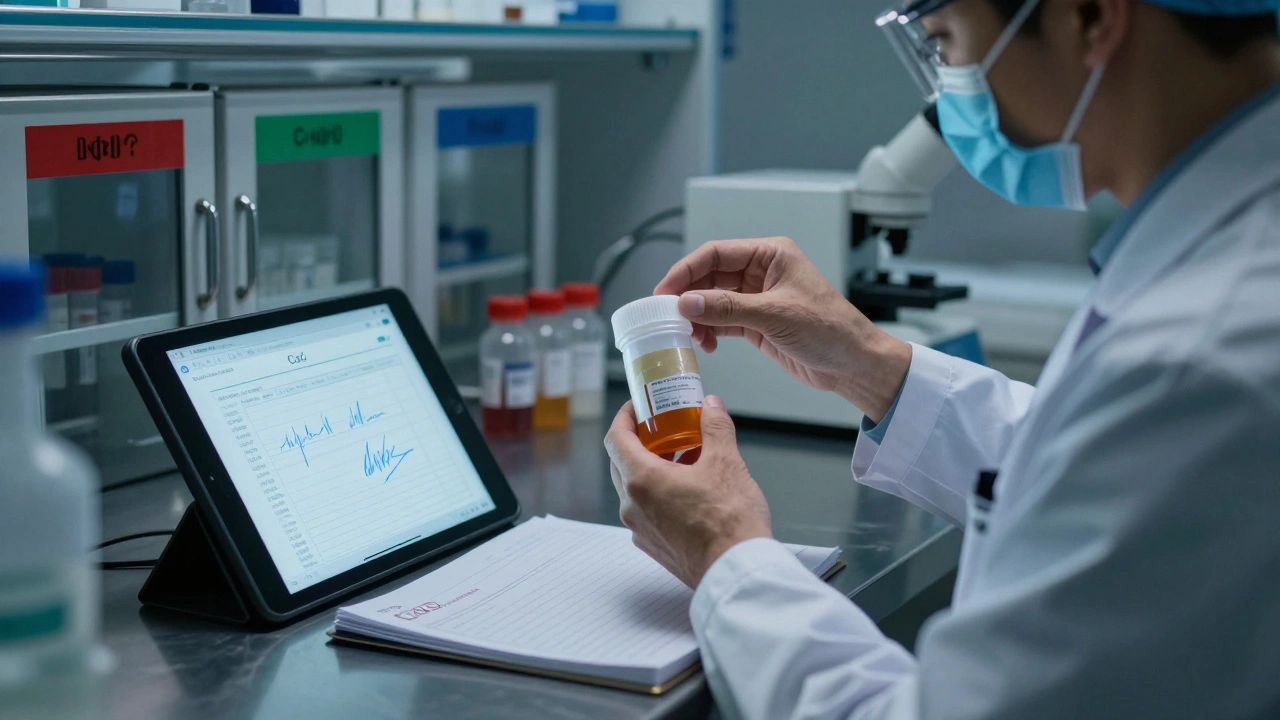
When a urine sample leaves a collection site and heads to a lab, it doesn’t just get tossed into a bin. It travels through a tightly controlled system-every hand it touches, every fridge it sits in, every form it signs-must be recorded. This isn’t about bureaucracy. It’s about chain of custody. If that record breaks, the test result could be thrown out in court, a doping case could collapse, or a contaminated water sample could mislead public health decisions. For labs, meeting chain of custody standards isn’t optional. It’s the foundation of credibility.
What Chain of Custody Really Means in a Lab
Chain of custody (CoC) is the paper trail-and sometimes the digital one-that tracks a specimen from the moment it’s collected until it’s disposed of. It answers three simple questions: Who had it? When? And why? If you can’t answer those with clear, signed records, the entire test is at risk.
In drug testing for federal employees, sports doping, environmental compliance, or forensic evidence, the stakes are high. A single missing signature or unlogged transfer can invalidate months of work. Labs don’t just need to follow the rules-they need to prove they followed them. That’s why CoC isn’t just a procedure. It’s a legal shield.
Who Sets the Rules?
There’s no single global standard, but several major regulators shape what labs must do:
- The HHS U.S. Department of Health and Human Services mandates strict CoC rules for federally certified labs under 10 CFR § 26.159. These apply to workplace drug testing and require secure storage, escorted access, and Federal Custody and Control Forms (CCFs).
- The NRC U.S. Nuclear Regulatory Commission enforces similar protocols for labs handling radioactive materials.
- WADA World Anti-Doping Agency requires labs to track every aliquot-small portions taken from the original sample-used in testing. Both "A" and "B" samples must have full documentation.
- The EPA Environmental Protection Agency has its own CoC requirements for water and hazardous waste testing, often referencing ASTM D4840 standards.
- ISO/IEC 17025 International standard for testing and calibration laboratories is the global benchmark labs aim for. If you’re accredited under it, your CoC system must pass audit scrutiny.
Missing any of these? Your results won’t hold up in court or under inspection.
What Must Be Documented?
Every transfer leaves a trace. Here’s what every CoC form must capture:
- Sample ID number (unique to that specimen)
- Date and time of collection
- Name and signature of the collector
- Transport method and carrier
- Time and date of lab receipt
- Condition of the seal and container upon arrival
- Name and initials of every lab technician who handled it
- Purpose of each transfer (e.g., "initial screening," "confirmatory analysis," "storage for appeal")
- Storage location and conditions (refrigerated, locked cabinet, etc.)
- Final disposition date and method (incineration, return to donor, etc.)
And here’s the catch: if a sample is split into multiple aliquots for testing, each one gets its own tracking form. No shortcuts. No "I remember who did it." Paper or digital, it must be signed and dated.
Security Isn’t Optional
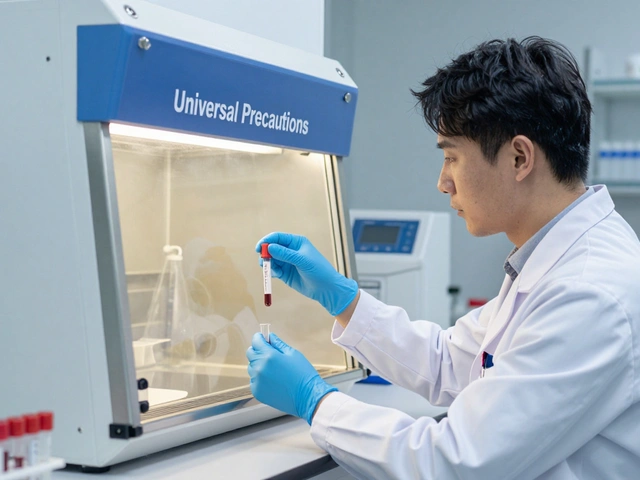
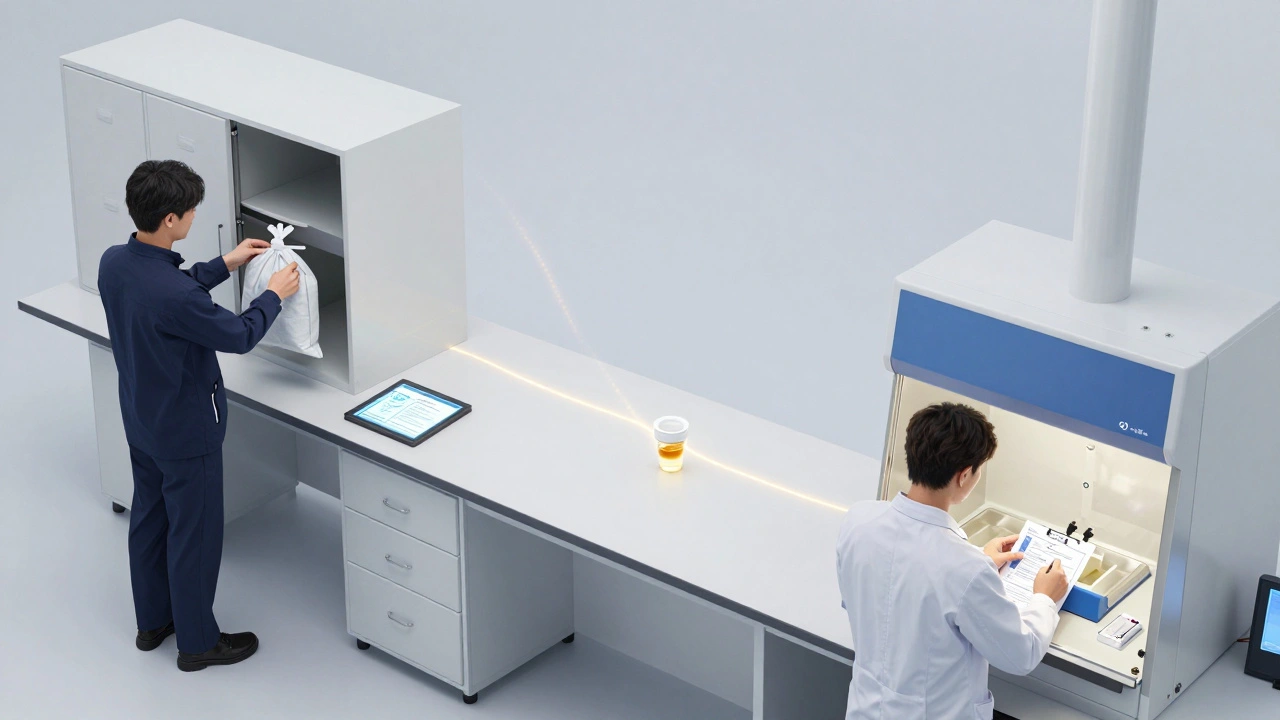
Imagine a lab where anyone with a keycard can walk into the specimen storage room. That’s not just sloppy-it’s illegal under HHS rules. Labs must:
- Keep original specimen bottles and their accompanying Federal CCFs locked in a secure area until testing is complete
- Limit access to only authorized personnel with documented clearance
- Escort all visitors, maintenance staff, and contractors at all times
- Use tamper-evident seals on containers
- Record every entry into the secure area with a logbook or electronic system
For environmental samples, some labs even use chains and padlocks on refrigerators holding samples that need to stay cold. Sounds extreme? It’s not. In one 2023 audit, a lab lost accreditation because a technician left a sample unattended in a hallway for 22 minutes while grabbing coffee.
Electronic Systems and CROMERR
Most labs now use digital CoC systems. But not all e-forms are created equal. If you’re submitting data electronically to the EPA, your system must comply with the CROMERR Cross-Media Electronic Reporting Rule. That means:
- Electronic signatures have the same legal weight as handwritten ones
- Systems must prevent unauthorized changes to records
- Every action is logged with timestamps and user IDs
- Backups are stored separately and tested regularly
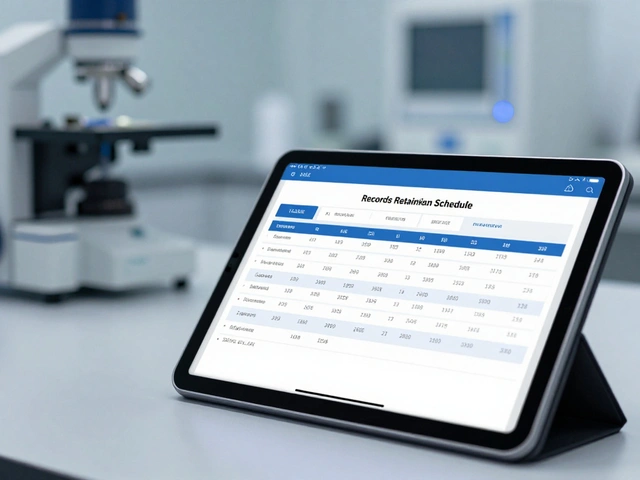
Many labs use LIMS (Laboratory Information Management Systems) that auto-populate CoC fields from sample intake. But even then, someone must verify the data. Automation reduces human error-but doesn’t eliminate accountability.
How to Build a Bulletproof CoC Program
Starting from scratch? Here’s how to do it right:
- Assess your risks-What kinds of samples do you handle? Are they legal, environmental, or clinical? Each has different rules.
- Map every step-Draw out the journey of a sample from collection to disposal. Where are the handoffs? Who’s responsible at each point?
- Write clear policies-Don’t rely on memory. Every procedure-from how to label a bottle to what to do if a seal is broken-must be documented.
- Train everyone-New tech? New staff? Annual retraining isn’t optional. One 2024 audit found 68% of CoC errors came from staff who hadn’t been trained in over two years.
- Choose the right tools-Pick a digital system that integrates with your LIMS, supports e-signatures, and meets CROMERR or ISO standards.
- Assign ownership-Who’s in charge of CoC? A dedicated team, not an afterthought.
- Audit yourself-Do internal audits every quarter. Find gaps before an inspector does.
What Happens When CoC Fails?
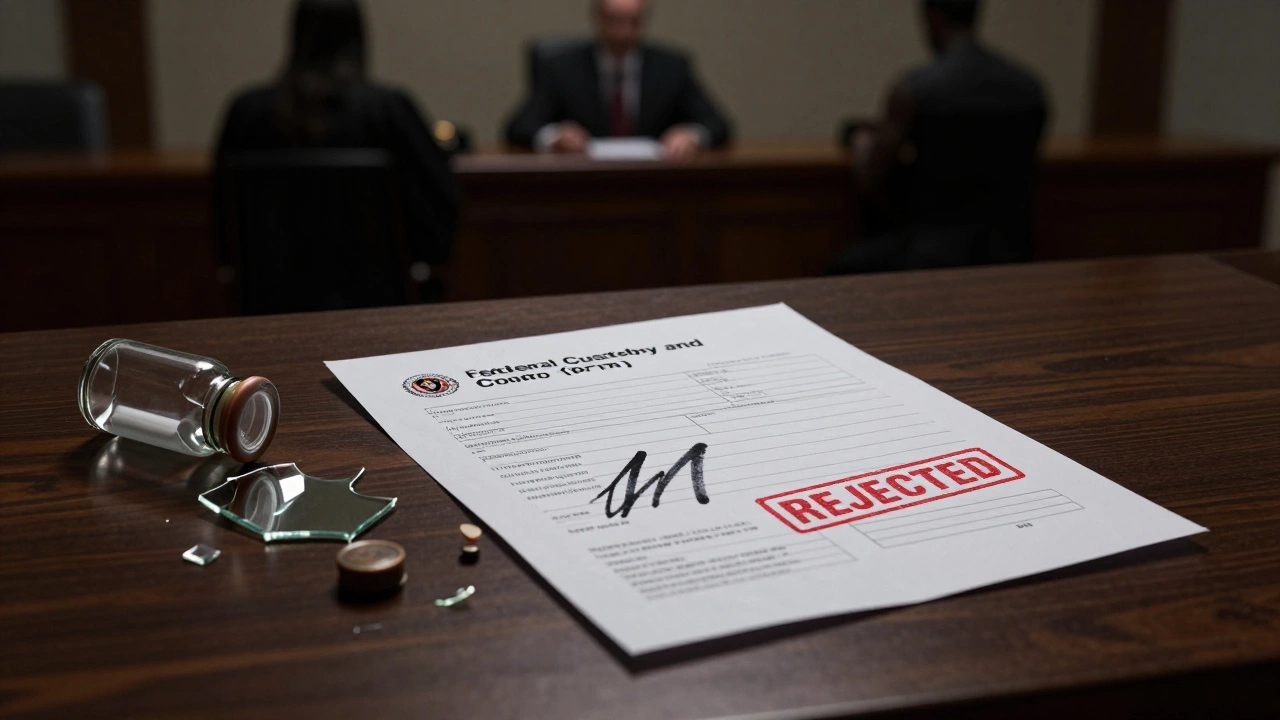
It’s not just about failed audits. It’s about real consequences:
- A workplace drug test is overturned because the lab couldn’t prove the sample wasn’t switched. The employee gets their job back.
- An environmental lab’s water quality report is rejected because the CoC didn’t list the refrigeration temperature. The city delays a $2M infrastructure project.
- A doping case against an athlete is dismissed because the "B" sample’s transfer wasn’t signed. The athlete wins a $10M lawsuit.
These aren’t hypotheticals. They happened in 2023 and 2024. Labs that treat CoC as a formality lose. Labs that treat it as a core system win trust.
Best Practices That Make a Difference
- Always write "Results relate only to the sample tested" on every report. It’s not just good practice-it’s legally required.
- Keep original samples and CCFs for at least two years (longer if litigation is possible).
- Never reuse CoC forms. Each sample gets its own unique number.
- Use color-coded labels: red for positive, green for negative, blue for pending.
- Record the time a sample was moved-not just the date. Hours matter.
Final Thought: It’s Not About Paperwork
Chain of custody isn’t about filling out forms. It’s about proving that your lab didn’t just test a sample-it protected its integrity. Every signature, every timestamp, every locked door adds up to one thing: trust. And in science, especially when lives or legal outcomes hang in the balance, trust is the only thing that lasts.
What happens if a specimen’s seal is broken before it reaches the lab?
If the seal is broken or shows signs of tampering, the lab must reject the sample immediately. The receiving technician documents the condition, signs off, and notifies the collection site. The sample is not tested. A new collection must be arranged. This prevents false results and protects the lab from legal liability.
Can a lab use the same CoC form for multiple samples?
No. Each specimen must have its own unique Chain of Custody form with its own identification number. Reusing forms creates confusion, risks cross-contamination of records, and violates HHS, EPA, and ISO standards. Even if samples come from the same donor, each one needs its own traceable record.
Is digital chain of custody legally accepted?
Yes, if it meets regulatory requirements. Digital systems must have secure e-signatures, audit trails, data integrity controls, and compliance with standards like CROMERR (for EPA submissions) or ISO/IEC 17025. Paper forms are still common, but digital systems are now the norm in accredited labs because they reduce errors and improve audit readiness.
How long must labs keep CoC records?
HHS requires retention for at least two years after the final disposition of the sample. For cases involving litigation or appeals, records must be kept until the matter is resolved. Environmental labs under EPA rules often retain records for five years. Always check your specific regulatory body’s requirements-some states demand longer.
Do I need a dedicated CoC team?
Not necessarily a full-time team, but yes-a clearly assigned person or group responsible for overseeing CoC. This could be a quality officer, lab manager, or designated coordinator. Their job: train staff, audit forms, update procedures, and respond to audit requests. Without ownership, CoC becomes everyone’s job-and then it’s nobody’s.